Hear from Our Customers
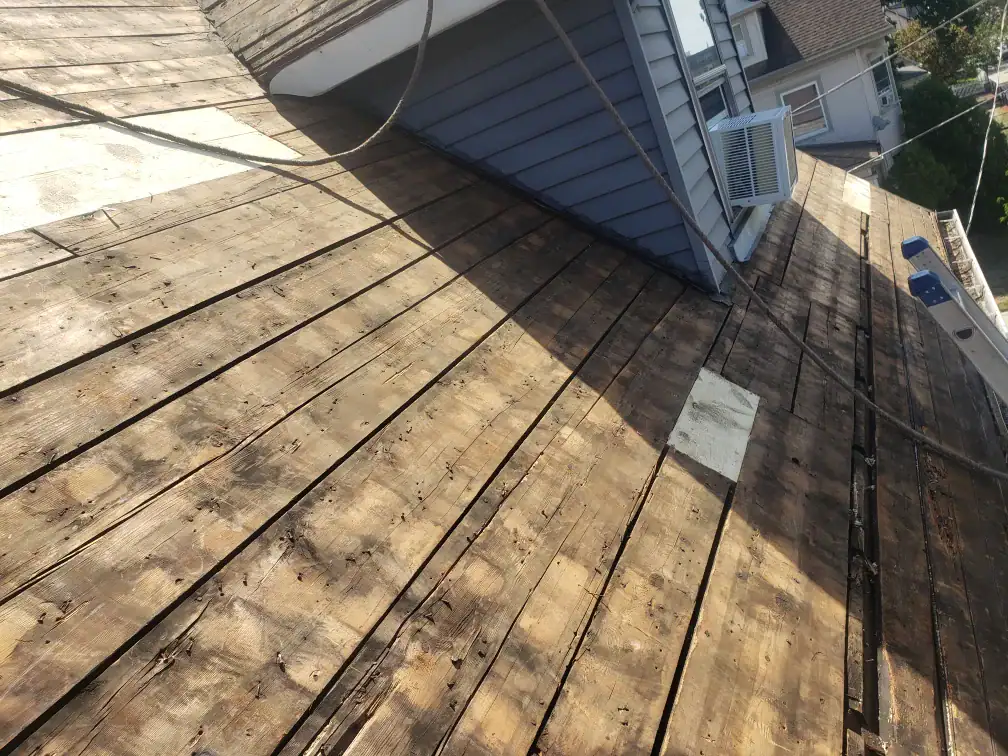
You stop worrying about mold creeping back every spring. Your heating bills don’t spike because air isn’t leaking through cracked or warped panels. And when you pull into your driveway, your home actually looks like the investment it is.
Proper siding maintenance in Littleton Common isn’t about making things pretty for a week. It’s about catching small problems before they turn into water damage, rot, or a full replacement job. Massachusetts weather doesn’t take breaks—freezing temps, ice buildup, summer humidity, and everything in between puts constant stress on your exterior.
When siding gets cleaned the right way and inspected by someone who knows what to look for, you’re not just removing dirt. You’re extending the lifespan of your siding, keeping your home energy-efficient, and avoiding the kind of repair bills that show up when problems go unnoticed for too long.
We’ve spent over a decade working on homes across Massachusetts, including right here in Littleton Common. We know what New England weather does to siding because we’ve seen it, fixed it, and prevented it more times than we can count.
You’re not getting a crew that learned how to wash house siding from a YouTube video. You’re getting licensed, insured professionals who understand the difference between cleaning siding and damaging it. We use soft washing methods that actually protect your investment instead of blasting water into places it shouldn’t go.
Littleton Common homeowners deal with the same challenges—older homes that need careful handling, newer vinyl that can’t take aggressive pressure, and everything in between. We’ve worked with all of it, and we show up ready to do it right the first time.
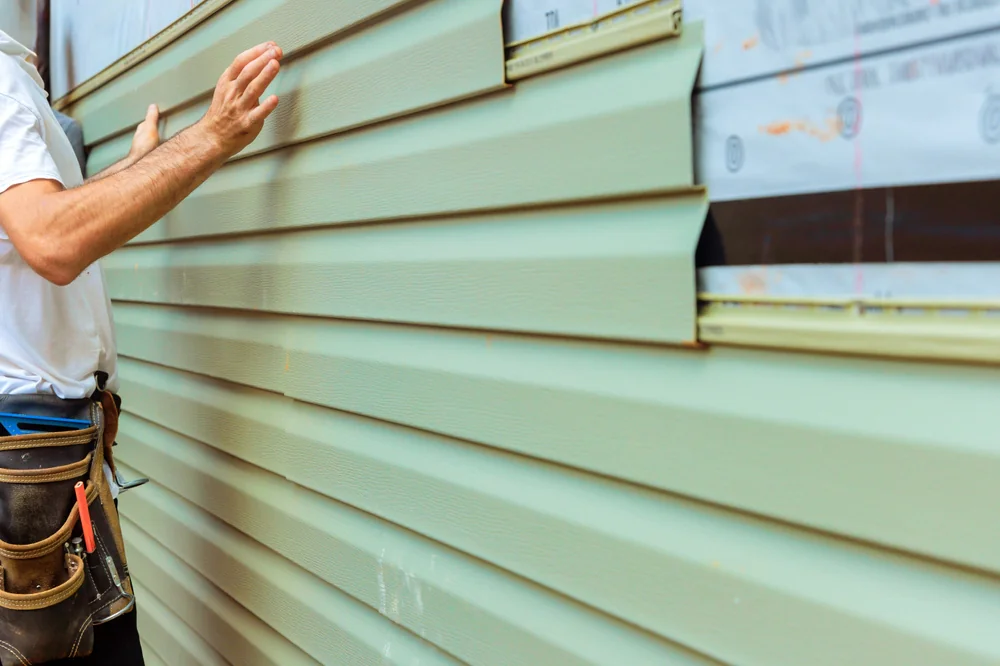
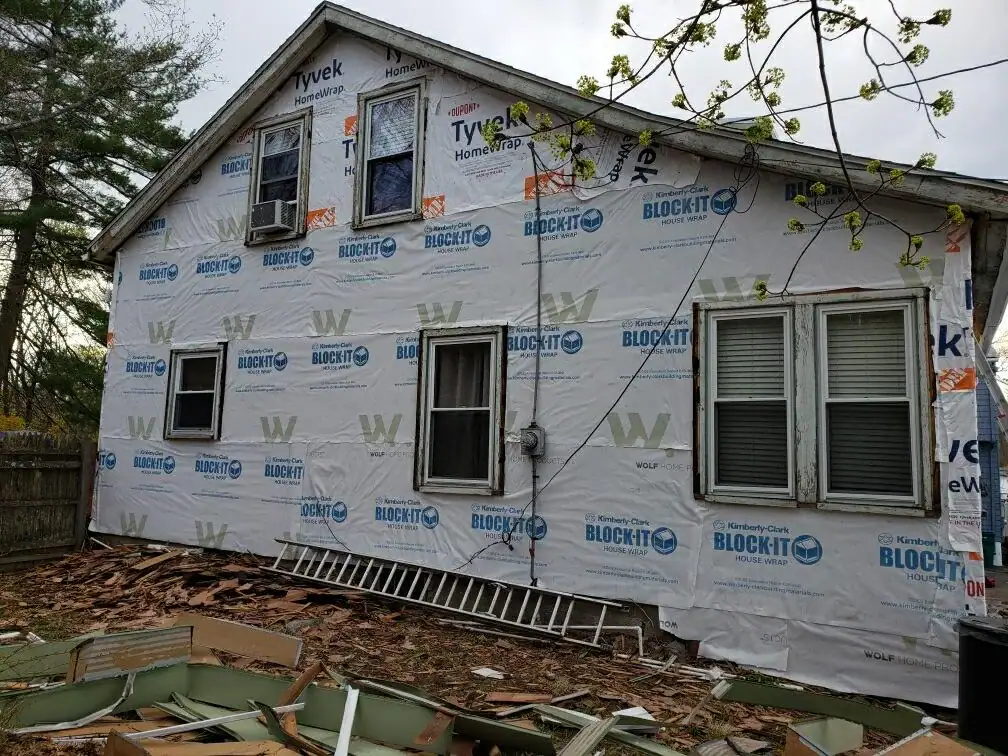
We start with a full siding inspection checklist—walking your property to identify problem areas like cracks, loose panels, mold growth, or spots where water might be getting behind the siding. This isn’t a quick glance. We’re looking for the stuff that causes expensive problems later.
Next comes the cleaning. We use soft washing instead of high-pressure blasting because power washing vs soft washing isn’t even a debate when you care about protecting siding. Soft washing uses lower pressure with the right cleaning solutions to kill mold and mildew at the root, not just rinse it off temporarily. It’s safer for your siding and more effective long-term.
After cleaning, we do a final check to make sure everything’s sealed, secure, and performing the way it should. If we spot anything that needs attention—a loose corner, a gap that could let moisture in—we’ll tell you exactly what it is and what it means for your home. No upselling, just straight information so you can make the call.
Ready to get started?
You get a complete exterior cleaning that removes dirt, organic growth, and the kind of buildup that makes siding look older than it is. Mold and mildew removal in Littleton Common isn’t optional—it’s necessary. The humidity here creates perfect conditions for growth, and if it’s not handled correctly, it comes right back.
Our process includes treating problem areas where moisture tends to collect—around gutters, near landscaping, under eaves. These are the spots where mold takes hold first, and they’re also the spots most DIY jobs miss or don’t treat aggressively enough.
Littleton Common has a mix of housing stock, from mid-century homes to newer builds, and each one has different maintenance needs. Older vinyl can become brittle and needs gentler handling. Newer materials might have warranties that get voided if you use the wrong cleaning method. We adjust our approach based on what’s actually on your house, not a one-size-fits-all script. You also get documentation of what was done, what we found, and what (if anything) you should keep an eye on going forward.
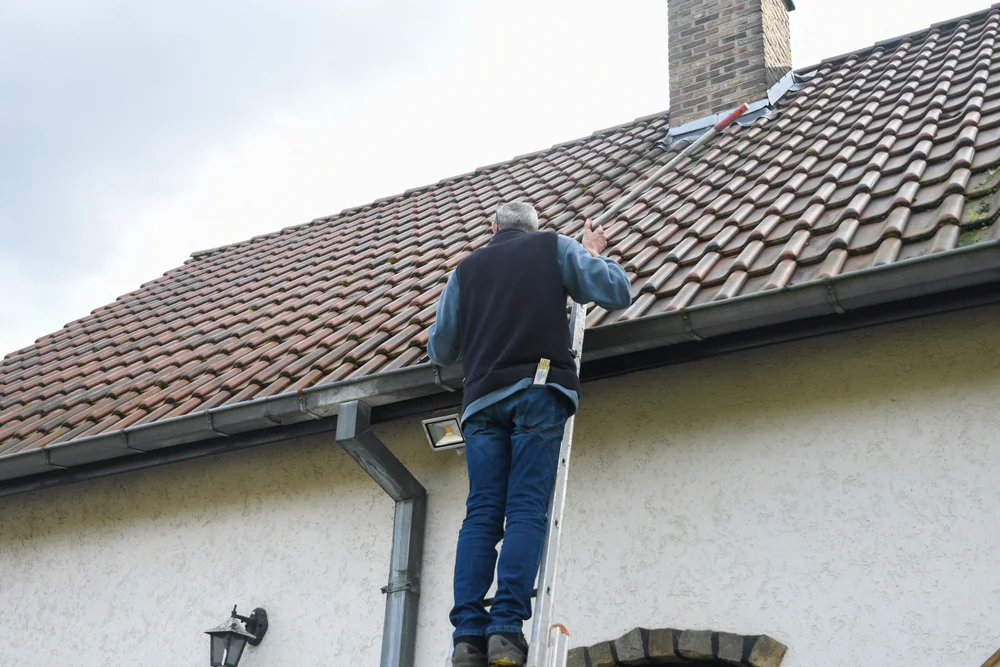
Most homes benefit from professional cleaning and inspection once a year, typically in late spring or early fall. That timing lets you address any damage from winter before summer humidity kicks in, or clean up summer growth before freezing temperatures arrive.
If your home is surrounded by trees, sits in a shaded area, or you’ve noticed mold coming back quickly in the past, you might need maintenance twice a year. Shade and moisture create faster buildup, and waiting too long between cleanings means you’re letting organic growth work its way deeper into the siding material.
The real answer depends on what your siding is telling you. If you’re seeing dark streaks, green or black spots, or areas that look dingy even after rain, that’s your signal. Waiting until it’s obvious means you’re already behind.
Power washing uses high pressure to blast dirt and grime off surfaces. Soft washing uses lower pressure combined with cleaning solutions that actually kill mold, mildew, and algae instead of just rinsing them away. For vinyl siding, soft washing is the smarter choice because high pressure can force water behind your siding, crack seals, or even warp panels.
A lot of homeowners think more pressure means better cleaning, but that’s not how it works with siding. You can make it look clean temporarily with a pressure washer, but if you didn’t kill the organic growth at the root, it grows back faster. And if you forced water into your wall cavities, you’ve just created a much bigger problem than dirty siding.
Soft washing takes a little longer, but it’s safer for your home and the results last longer. It’s the method manufacturers recommend, and it’s what we use because we’re not interested in creating callbacks or damage.
Yes, but not because the siding itself insulates better when it’s clean. The benefit comes from catching and fixing gaps, cracks, or warped panels that let air leak in and out of your home. When we inspect your siding during maintenance, we’re looking for exactly those kinds of problems.
Even small gaps around windows, corners, or seams make your heating system work harder in winter and your AC work harder in summer. In Littleton Common, where temperature swings are significant, those leaks add up fast on your utility bills. Fixing them isn’t glamorous, but it’s one of the most cost-effective improvements you can make.
Regular maintenance also prevents bigger issues like water infiltration that can damage insulation or create rot behind the siding. Once that happens, your energy efficiency tanks and you’re looking at serious repair costs. Catching it early keeps your home tight and your bills predictable.
Start with cracks, holes, or any panels that look warped or loose. These are entry points for water, and water behind your siding leads to rot, mold inside your walls, and structural damage over time. Check around windows, doors, and corners where siding meets trim—these are common failure points.
Look for discoloration that doesn’t wash off easily, especially dark streaks or green/black patches. That’s usually mold or mildew, and it means moisture is getting trapped somewhere it shouldn’t be. Also check for any areas where the siding feels soft or spongy when you press on it—that’s a red flag for water damage underneath.
Fading is normal over time, but if you see significant color differences between sections, it might mean some panels have been replaced before or there’s an underlying issue causing uneven wear. During our siding inspection in Littleton Common, we document all of this and explain what’s normal aging versus what needs attention now.
If you’ve got the right equipment, the time, and you know the difference between cleaning siding and damaging it, you can handle basic maintenance yourself. But most homeowners don’t have a soft washing setup, don’t know which cleaning solutions are safe for their specific siding type, and underestimate how easy it is to cause problems with improper technique.
The bigger issue is the inspection piece. You might be able to spray down your siding, but are you catching the early signs of failure that turn into expensive repairs? Most people don’t know what to look for until the damage is obvious, and by then you’re paying for fixes instead of prevention.
Professional siding maintenance in Littleton Common costs less than you’d spend on a single panel replacement job, and significantly less than dealing with water damage inside your walls. You’re not just paying for cleaning—you’re paying for someone to catch problems while they’re still small and give you a realistic picture of what your siding needs.
Surface mold that wipes off relatively easily is usually cosmetic—it’s growing on the siding itself, not behind it. It’s still worth removing because it can degrade the siding material over time and it’s not doing your home’s appearance any favors. But it’s not an emergency.
The concern is when you see mold that keeps coming back in the same spots even after cleaning, or areas where the siding feels soft, looks swollen, or has visible water stains. That suggests moisture is trapped behind the siding, which means you’ve got a leak or a ventilation problem that needs to be addressed before the mold spreads to the structure of your home.
Mold and mildew removal in Littleton Common requires looking at the whole picture—not just what’s visible on the surface. We check for the source of moisture, whether it’s a gutter issue, a gap in the siding, or poor drainage around your foundation. Treating the symptom without fixing the cause just means you’ll be dealing with the same problem again next season.
Other Services we provide in Littleton Common