Hear from Our Customers
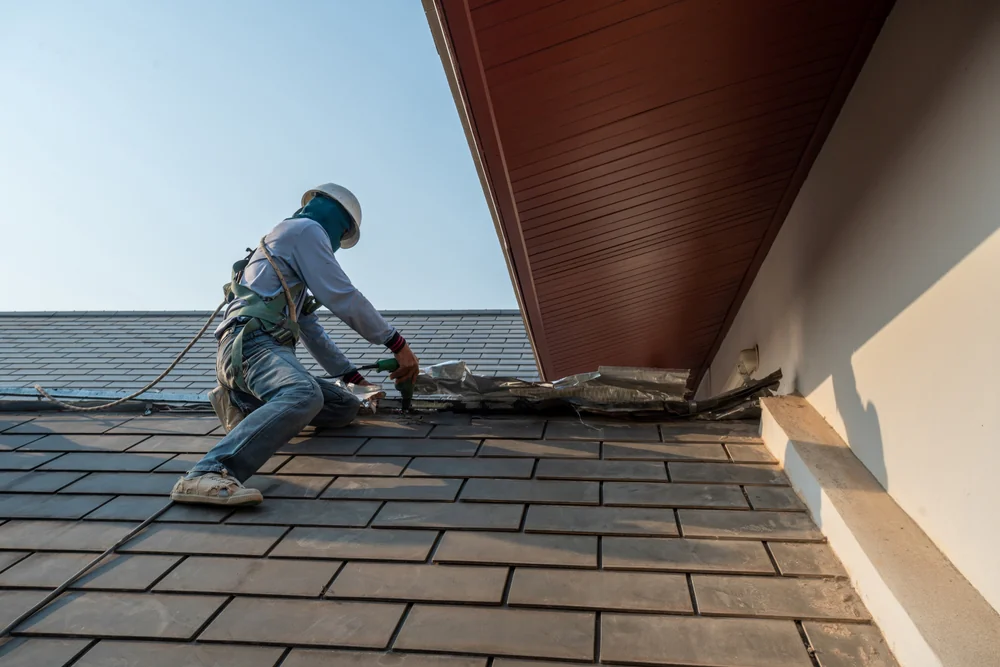
You’re not imagining it. Massachusetts winters are brutal on roofs.
Ice dams form when your attic heat melts snow on the upper roof, then refreezes at the edges. That ice traps water, which backs up under your shingles and leaks into your home. One winter storm can cause thousands in damage if your roof isn’t prepared.
Then there’s the thermal shock. When temperatures swing 40 degrees in a day, your roofing materials expand and contract. Shingles crack. Flashing loosens. Small problems become expensive emergencies.
You need a roof that handles what Littleton Common throws at it. That means proper ventilation to prevent ice dams. Quality materials that won’t crack in the cold. Flashing that stays sealed through freeze-thaw cycles.
When your roof works right, you stop checking the ceiling during rainstorms. Your heating bills drop because warm air stays inside. Your home value holds because buyers see a roof with years left, not a replacement waiting to happen.
We’re a locally owned roofing contractor serving Littleton Common and the surrounding Massachusetts communities. We’re an Owens Corning Preferred Contractor, which means we meet strict standards for workmanship and customer service.
That certification matters because it backs up what we do. You’re not hiring someone who learned roofing in a different climate. We’ve seen what Nor’easters do to poorly installed shingles. We know where ice dams form on Littleton Common’s older homes.
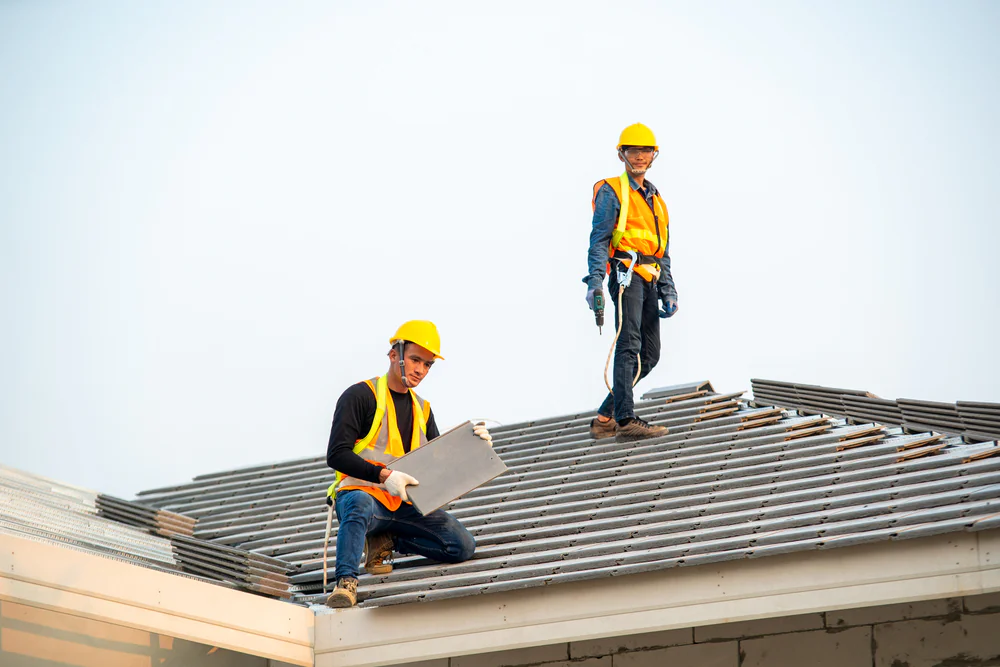
Our crews complete most residential roofing projects in a couple of days. We’re licensed, insured, and we use materials designed for New England weather. When we’re done, you get a roof that protects your home and a warranty that protects your investment.
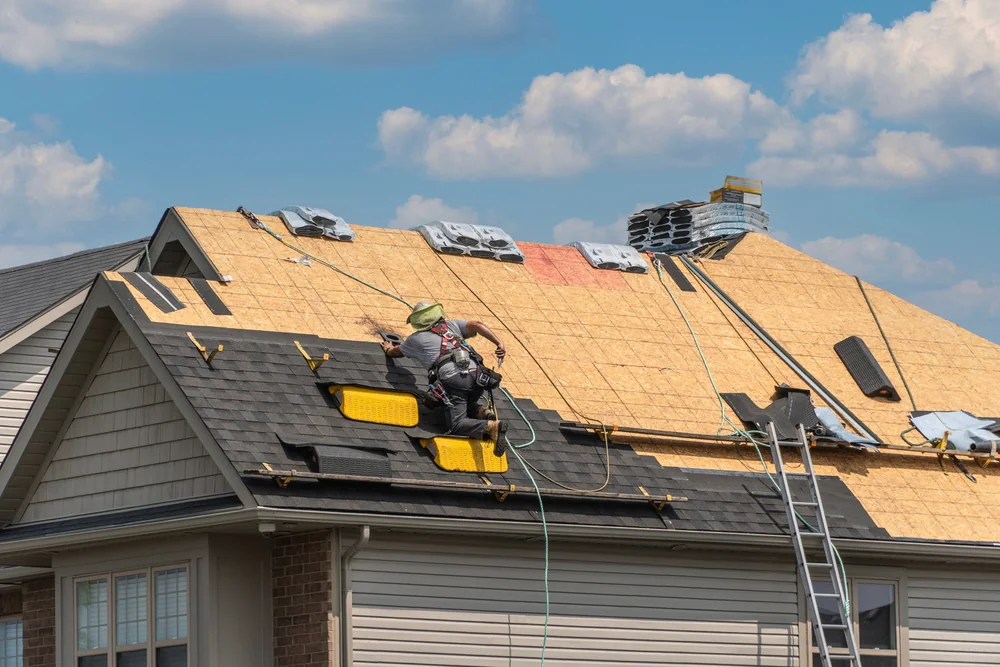
First, we inspect your roof. Not from the ground with binoculars. We get up there and check the shingles, flashing, ventilation, and decking. We look for the damage you can see and the problems you can’t.
You get a detailed estimate that breaks down what needs fixing and why. If your roof has another five years, we’ll tell you. If it needs replacement now, we’ll explain what we found. No pressure, just information.
Once you approve the work, we handle the permits and order materials. On installation day, we protect your landscaping, tear off the old roof, inspect the decking, and install your new roofing system. We clean up completely—no nails in your driveway, no debris in your yard.
Before we leave, we walk you through the finished work. You see what we did, how the warranty works, and what to watch for during the first year. Then we’re available if you have questions or spot an issue.
Ready to get started?
Littleton Common sits in a zone where winter roof damage isn’t a possibility—it’s a guarantee if you’re not prepared. Your roof needs adequate attic insulation to prevent heat loss that causes ice dams. It needs proper ventilation so moisture doesn’t build up and rot the decking. And it needs shingles rated for impact and wind, because Massachusetts storms test everything.
We install roofing systems that handle this climate. That includes ice and water shield in vulnerable areas like valleys and eaves. It means proper flashing around chimneys and skylights where leaks start. And it includes ridge vents that keep your attic temperature consistent so snow melts evenly.
Energy efficiency matters more than most homeowners realize. A roof with poor ventilation makes your HVAC system work harder. In Littleton Common’s cold winters, that’s expensive. Proper roofing installation cuts those costs by keeping conditioned air inside where it belongs.
We also handle emergency repairs when storms damage your roof. A few missing shingles might seem minor, but water finds every gap. Fast repairs prevent small problems from becoming major restoration projects.
Check your shingles first. If they’re curling at the edges, cracking, or losing granules, you’re near the end of the roof’s life. Granule loss shows up as bare spots on shingles or grit in your gutters.
Age matters too. Most asphalt shingle roofs last 20-25 years in Massachusetts. If yours is approaching that range and you’re seeing problems, replacement makes more sense than patching. Repairs work when damage is localized—a few shingles from storm damage, flashing that needs resealing, or a small leak you caught early.
Interior signs tell you a lot. Water stains on your ceiling mean water’s getting through. Higher heating bills can indicate your roof’s insulation or ventilation is failing. If you’re seeing multiple issues—some damaged shingles, some leaks, some energy loss—replacement is usually the better investment.
We’ll inspect your roof and give you an honest assessment. Sometimes a repair buys you a few more years. Sometimes it’s throwing money at a roof that’s done. We’ll tell you which situation you’re in.
Ice dams form when heat escapes through your roof and melts snow from underneath. That meltwater runs down to the colder roof edge and refreezes. The ice builds up, creating a dam that traps more water behind it. Eventually, that trapped water backs up under your shingles and leaks into your home.
Prevention starts in your attic. You need enough insulation to keep heat from escaping through the roof. You also need proper ventilation so any heat that does rise can escape without warming the roof surface. When your roof stays cold, snow doesn’t melt unevenly.
During installation, we add ice and water shield—a waterproof membrane—along the eaves and in valleys where ice dams typically form. This creates a backup barrier if water does get under the shingles. We also make sure your attic ventilation is adequate with proper intake and exhaust vents.
Your gutters matter too. Clogged gutters trap water and ice, making dams worse. Keeping them clean helps, but proper roof design and attic insulation are what actually prevent the problem. We address the root cause, not just the symptoms.
Most residential roof replacements take one to three days depending on your home’s size and roof complexity. A typical single-family home with a straightforward roof design gets done in a day or two. Larger homes or roofs with multiple valleys, dormers, or steep pitches take longer.
Weather affects the timeline. We don’t install roofing in rain or when temperatures drop too low for materials to seal properly. Massachusetts weather can be unpredictable, so we stay flexible. If conditions aren’t right, we wait rather than compromise the installation.
The process moves fast once we start. We tear off the old roof, inspect and repair the decking if needed, install underlayment and ice shield, then install your new shingles. We work efficiently but we don’t rush. Every shingle needs to be placed correctly and every flashing detail needs to be sealed right.
You can stay home during the work. It’s loud when we’re tearing off the old roof, but most homeowners go about their day. We protect your property, work safely, and clean up completely when we’re done. By the time we leave, your yard looks like we were never there—except for the new roof.
Yes. We work with homeowners on insurance claims regularly, especially after major storms hit Littleton Common. The process starts with documentation. We inspect your roof, photograph the damage, and provide a detailed estimate that shows what the storm damaged and what it’ll cost to repair.
Your insurance company will send an adjuster to assess the damage. We can meet with them to walk through what we found and make sure nothing gets missed. Sometimes adjusters underestimate damage because they’re looking from the ground or they’re not familiar with roofing. Having us there helps get an accurate assessment.
Once your claim is approved, we handle the repairs using the insurance settlement. We work within the approved budget and we make sure the work meets code and manufacturer requirements. If the adjuster missed something and we discover additional damage during the work, we document it and help you file a supplement.
The key is acting fast after a storm. Temporary damage can become permanent problems if water gets in. We can do emergency repairs to prevent further damage while your claim processes. Then we complete the full repair or replacement once you’re approved.
Architectural asphalt shingles are the most common choice in Littleton Common because they balance cost, durability, and weather resistance. Look for shingles rated for high wind and impact. Massachusetts storms bring both, and cheaper shingles fail faster.
We install Owens Corning and Mule Hide products because they’re designed for northern climates. These shingles handle freeze-thaw cycles without cracking. They have good granule adhesion so they don’t lose protection from UV and weather. And they come with warranties that actually mean something.
Metal roofing is gaining popularity for good reason. It sheds snow and ice better than shingles. It lasts 40-50 years compared to 20-25 for asphalt. And it’s more energy efficient because it reflects heat rather than absorbing it. The upfront cost is higher, but the longevity often makes it worth it.
Underlayment and ice shield matter as much as the shingles you choose. We use synthetic underlayment that won’t tear or degrade. We install ice and water shield anywhere water can penetrate—eaves, valleys, around chimneys and skylights. These layers are your real protection. The shingles are just the first line of defense.
Most residential roof replacements in Littleton Common run between $8,000 and $20,000 depending on size, pitch, and materials. A typical 2,000 square foot home with architectural shingles usually falls in the $10,000-$15,000 range. Larger homes, steeper roofs, or premium materials push costs higher.
Several factors affect price. Roof pitch matters because steeper roofs take longer and require more safety equipment. Complexity matters—multiple valleys, dormers, and skylights add labor time. Material choice matters—basic three-tab shingles cost less than architectural or designer shingles, and metal roofing costs more than asphalt.
Tear-off affects cost too. If you have multiple layers of old shingles, removing them takes longer and costs more. If we find rotten decking underneath, that needs replacement before we can install the new roof. These aren’t upsells—they’re necessary repairs you can’t skip.
We provide detailed estimates that break down costs so you know what you’re paying for. We don’t give ballpark numbers over the phone because every roof is different. After we inspect yours, you’ll get an accurate price that includes materials, labor, permits, and cleanup. No surprises, no hidden fees.
Other Services we provide in Littleton Common