Hear from Our Customers
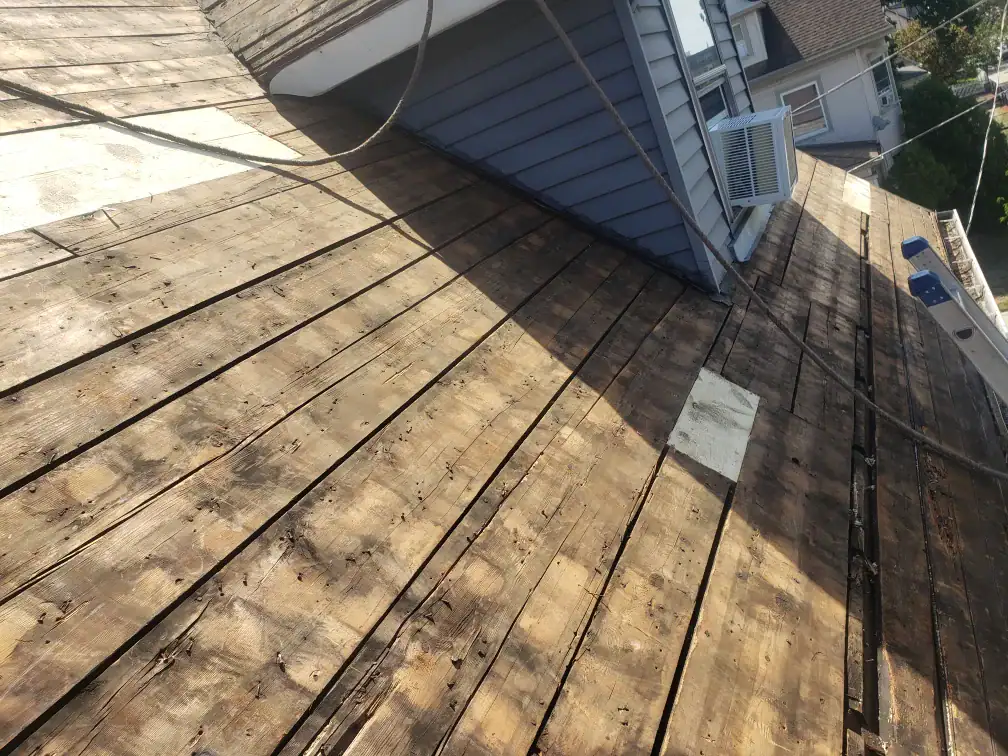
Your siding isn’t just decoration. It’s the barrier between your home’s structure and everything the Atlantic coast throws at it.
Regular siding maintenance in Hampton, NH means you’re not replacing panels at year fifteen when they should last thirty. It means mold and mildew removal happens before it spreads behind the siding where you can’t see it. It means your energy bills stay reasonable because your exterior envelope is doing its job.
Most homeowners wait until something looks wrong. By then, moisture’s already found its way in. The wood underneath is soft. What should’ve been a cleaning appointment becomes a repair project.
We inspect, clean, and address issues while they’re still small. That’s the difference between a $200 maintenance visit and a $5,000 emergency repair.
We work throughout the North Shore and Seacoast region. We’re licensed in Massachusetts, insured, and we’ve seen what happens when Hampton, NH homes skip regular siding care.
Salt air accelerates wear. Wind-driven rain finds every gap. Humidity in summer creates perfect conditions for mold. We’re an Owens Corning Preferred Contractor, which means we meet their standards for workmanship and customer care, but what matters more is that we show up, do the work right, and don’t oversell you.
Hampton homeowners deal with specific challenges. We address them directly, whether that’s cleaning vinyl siding in Hampton, NH after a harsh winter or inspecting fiber cement after storm season.
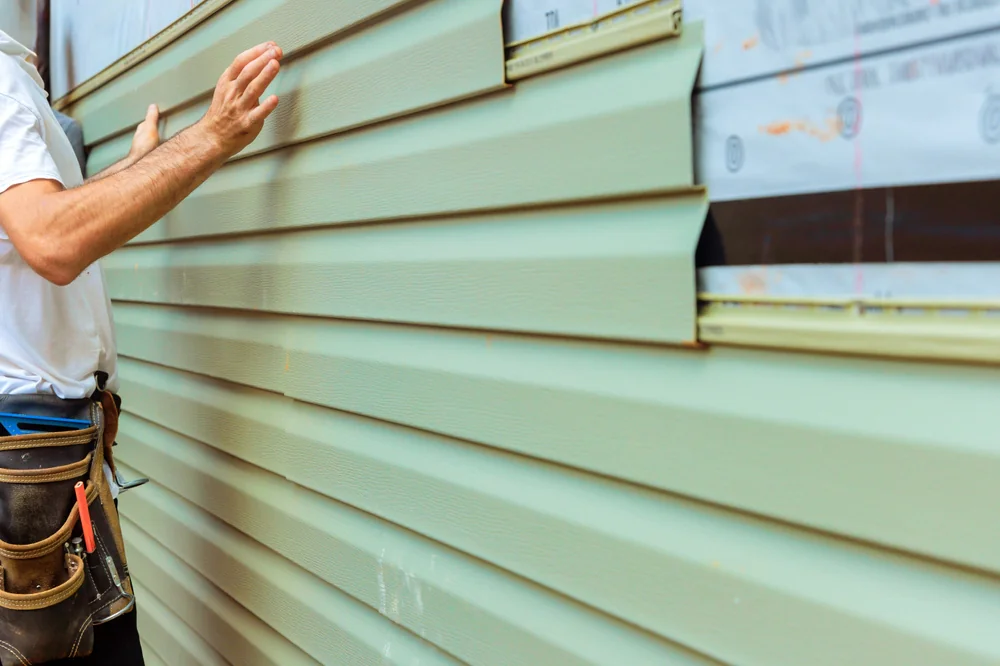
We start with a siding inspection checklist that covers every exterior wall. We’re looking for cracks, loose panels, failed caulking, water stains, mold growth, and any sign that moisture is getting where it shouldn’t.
Then comes cleaning. This isn’t power washing vs soft washing as a debate—it’s knowing which method works for your specific siding type. Vinyl gets soft washed with low pressure and biodegradable cleaners. Fiber cement can handle more. We adjust based on what’s actually on your house, not what’s fastest for us.
After cleaning, we address what we found. Small caulking gaps get sealed. Loose panels get refastened. You get a clear explanation of what’s urgent, what can wait, and what you should keep an eye on. No upselling. No scare tactics. Just honest assessment from someone who’s done this enough to know the difference between a real problem and normal wear.
Ready to get started?
You get a full exterior inspection using a proper siding inspection checklist. Every wall, every corner, every transition point where siding meets trim or windows.
Cleaning vinyl siding in Hampton, NH means treating mold and mildew removal seriously. The coastal climate here creates constant moisture. Green and black stains aren’t just ugly—they’re organisms eating away at your siding’s surface. We use the right cleaners and techniques to remove them without damaging the material underneath.
We check caulking and sealant at all penetrations. Vents, outlets, fixtures, corners—anywhere water could sneak behind the siding. These spots fail first, and most homeowners never notice until the damage is done.
You also get documentation. Photos of problem areas. Notes on what we did. Recommendations for timing your next service. Hampton’s weather patterns mean spring and fall are ideal for inspections—after winter’s freeze-thaw cycle and before winter hits again.
Once a year minimum. Twice if your home faces the ocean or gets heavy shade that traps moisture.
Spring and fall are best. Spring lets you catch damage from winter ice and freeze-thaw cycles. Fall prepares your siding for the cold months ahead and clears off summer mold growth before it gets worse. Hampton’s coastal location means your siding takes more abuse than homes even ten miles inland—salt air, wind-driven rain, higher humidity. That accelerates wear.
If you’ve had a major storm—high winds, hail, heavy rain with flooding—get an inspection within a few weeks. Damage isn’t always obvious from the ground, and waiting six months until your regular appointment means water’s been getting in that whole time.
Power washing uses high pressure. Soft washing uses low pressure and relies on cleaning solutions to do the work. For most siding, soft washing is the right call.
High pressure can force water behind vinyl siding, crack fiber cement, strip paint, and damage caulking. It’s fast, but it causes problems. Soft washing takes a bit longer but actually cleans without beating up your exterior. We use biodegradable soaps that break down mold, mildew, algae, and dirt, then rinse at a pressure that won’t damage anything.
Vinyl siding in Hampton, NH especially needs the gentler approach. It’s designed to shed water, not withstand a pressure washer aimed at the wrong angle. We’ve repaired plenty of siding that got damaged by aggressive cleaning. The irony is that soft washing actually gets it cleaner—the solutions do more than water pressure ever could.
You can clean it yourself if you’ve got the right equipment, know how to use it safely, and understand what products won’t damage your specific siding type. Most homeowners don’t check all those boxes.
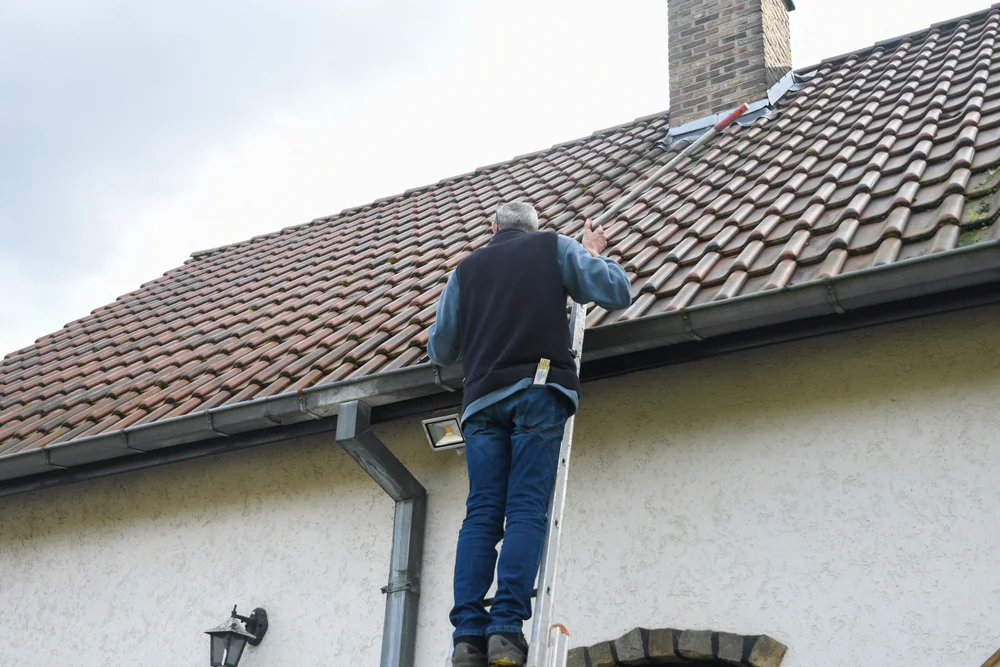
The biggest risk is using too much pressure or the wrong cleaning solution. We’ve seen homeowners melt vinyl with the wrong chemicals, force water into wall cavities, and crack panels by spraying upward at high pressure. Ladders add another risk—siding maintenance means working at height, often on uneven ground.
If you’re comfortable with the work and have done your research on how to wash house siding properly, you can handle basic cleaning. But mold and mildew removal in Hampton, NH often requires stronger solutions and techniques that need experience to apply safely. And you won’t catch the early warning signs we look for during inspections—the small stuff that prevents big problems. That’s where professional maintenance pays for itself.
We treat it with cleaners specifically designed to kill mold and mildew at the root, not just bleach the surface so it looks clean for a few weeks.
Mold and mildew removal starts with identifying what you’re dealing with. Green algae, black mold, and mildew all respond to different treatments. We apply the right solution, let it dwell long enough to actually work, then rinse thoroughly. The goal is killing the growth and removing the staining without harming your siding or the plants around your foundation.
Hampton’s humidity means this is a constant battle. Homes with heavy tree cover or north-facing walls that don’t get much sun are especially prone to regrowth. We can apply preventive treatments that slow it down, but nothing stops it permanently in this climate. Regular cleaning keeps it manageable. Ignoring it lets it spread behind the siding where it damages sheathing and framing. That’s when a cleaning problem becomes a structural issue.
Cracks, warping, loose panels, failed caulking, water stains, mold growth, and any gaps where siding meets trim or corners. Those are your early warning signs.
Start at ground level and work your way up. Look for panels that are pulling away from the house or sitting crooked. Check every seam and joint—that’s where caulking fails first. Water stains usually show up under windows or around vents where flashing might be compromised. Mold and mildew appear as green, black, or brown staining, especially on shaded walls.
A proper siding inspection checklist also includes looking at soffit and fascia, checking that weep holes aren’t blocked, and making sure nothing’s growing too close to the siding. Bushes and plants that touch your exterior trap moisture and accelerate damage. Most homeowners miss the subtle stuff—a small crack that’ll be a big problem in two years, or a panel that’s slightly loose and will blow off in the next windstorm. That’s what professional inspections catch before it costs you real money.
Absolutely. Vinyl siding lasts twenty to forty years with proper care. Skip maintenance and you’re looking at the low end of that range, or replacement even sooner.
Dirt, mold, and mildew aren’t just cosmetic. They degrade the surface of your siding over time. Moisture that gets behind loose or damaged panels rots the wood sheathing underneath, which means you’re not just replacing siding—you’re replacing structure. Small cracks turn into big cracks. Failed caulking lets water in with every rain.
Regular cleaning and inspection in Hampton, NH catches this stuff early. Reseal a joint now and it costs almost nothing. Wait until water damage shows up inside your walls and you’re into serious money. Fiber cement can last fifty years if it’s maintained. Ignore it and you’ll see premature failure, especially at seams and fasteners. Maintenance isn’t optional if you want your siding to hit its expected lifespan. It’s the difference between protecting your investment and replacing it early.