Hear from Our Customers
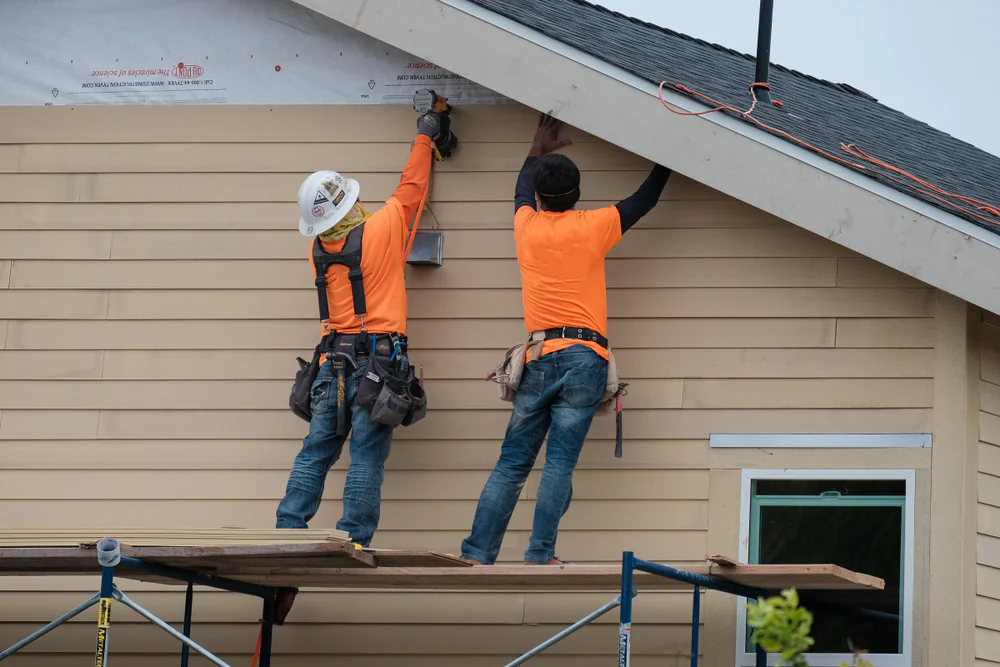
You’re not looking for a patch job that fails in six months. You need siding repair in Hampton, NH that stops water from getting behind your walls, keeps your energy bills from spiking, and doesn’t leave you with mismatched panels that scream “cheap fix.”
Hampton’s coastal weather doesn’t mess around. Between nor’easters, salt air, and those surprise wind gusts off the beach, your siding takes a beating most inland homes never see. When panels crack, warp, or blow off entirely, the damage spreads fast—rot sets in, insulation gets soaked, and what started as one broken piece becomes a multi-thousand-dollar problem.
We handle storm damage siding repair in Hampton the way it should be done. That means matching your existing material and color, sealing everything properly, and making sure the repair blends in. You shouldn’t be able to tell where the old siding ends and the new begins. And if insurance is involved, we document everything so your claim doesn’t get nickel-and-dimed by an adjuster who’s never seen coastal storm damage up close.
Paradise Remodeling Inc works exclusively in Hampton and the surrounding seacoast communities. We’re not a franchise or a crew that bounces between states chasing work. We’re here year-round, which means we’ve seen what January ice storms do to fiber cement and how August humidity warps cheap vinyl.
When you call us for siding repair in Hampton, NH, you’re getting someone who knows the difference between normal wear and actual storm damage—and how to explain that difference to your insurance company. We’ve worked with every major carrier, and we know what documentation they need to approve hail damage siding claims without a fight.
You’ll work with the same crew from estimate to cleanup. No subcontractors, no surprises, no crew that shows up speaking a different language than the person who sold you the job.
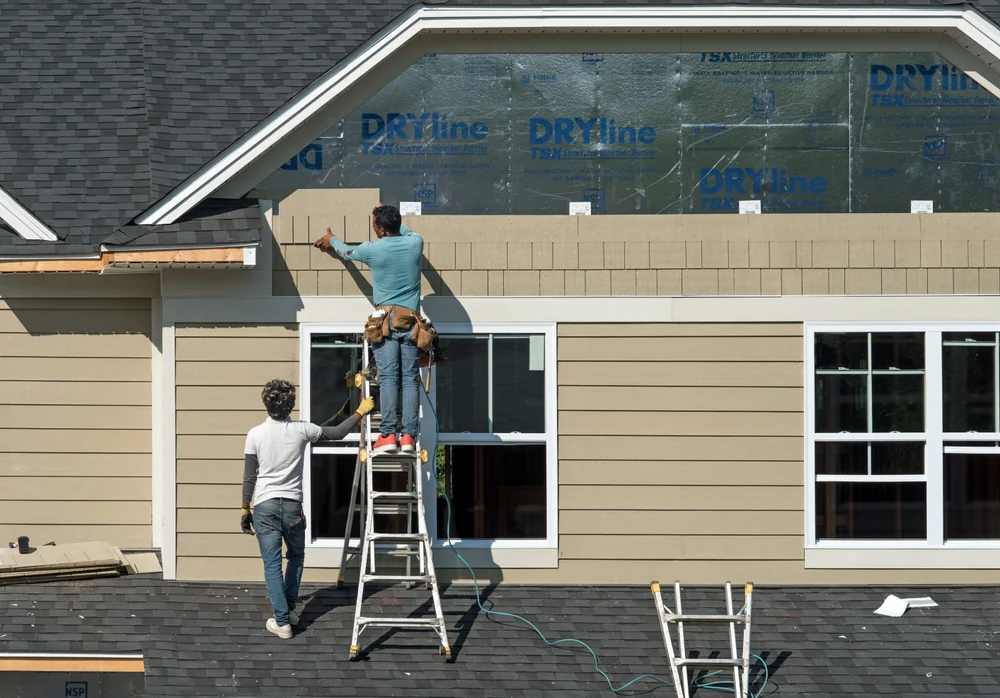
First, we come out and actually look at the damage—not just the obvious stuff, but what’s happening underneath and around it. Fixing cracked vinyl siding in Hampton, NH isn’t just about popping in a new panel. We check for water intrusion, hidden rot, and whether the original installation was done right in the first place.
Once we know what we’re dealing with, we give you a real estimate. That includes material costs, labor, and whether we think insurance will cover it. If you’re filing a claim, we’ll photograph everything, write up the scope, and deal directly with the adjuster if needed.
Then we order materials that actually match. This matters more than most contractors admit—vinyl fades over time, and manufacturers change their color formulas. We keep samples from every major brand and can usually get close enough that you’d never notice the difference. For older homes where matching old siding colors in Hampton is nearly impossible, we’ll walk you through your options before we start tearing anything off.
The repair itself is straightforward if it’s done right. We remove damaged sections, inspect and repair the underlayment, install new panels with proper overlap and fastening, and seal everything against moisture. Most repairs take a day or less. Larger storm damage jobs might take two to three days depending on how much siding needs replacing.
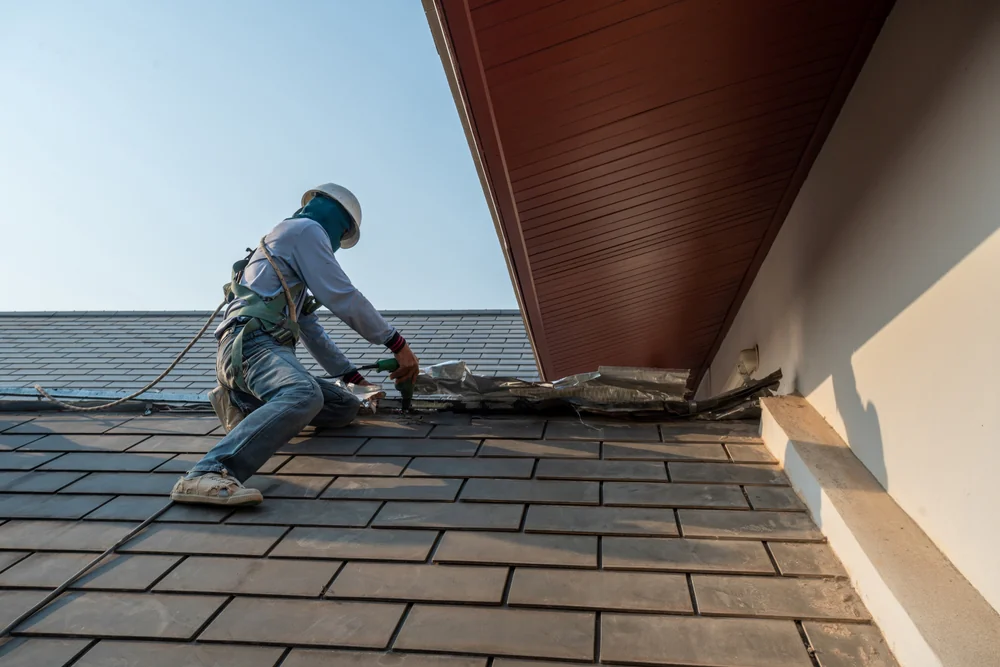
Ready to get started?
Siding repair cost in Hampton, NH runs anywhere from $200 for a small patch to $1,500+ for extensive storm damage. Most homeowners spend around $900 for a typical repair—that’s usually 50 to 100 square feet of damaged vinyl or fiber cement that needs replacing.
Here’s what drives the price: material type matters. Vinyl is cheapest to repair, fiber cement costs more, and wood siding (especially if it’s old cedar that needs custom milling) can get expensive fast. Height matters too—second-story repairs cost more because of scaffolding and safety equipment.
If you’re dealing with warped siding repair in Hampton after a particularly brutal summer, the fix might be simple—sometimes panels just need to be refastened properly. But if the warping happened because of moisture trapped behind the siding, you’re looking at a bigger job that includes fixing whatever’s causing the moisture problem in the first place.
For hail damage siding in Hampton, NH, insurance usually covers the full repair cost minus your deductible. The catch is proving the damage came from a specific storm event and not from age or poor maintenance. That’s where documentation matters—photos with timestamps, weather reports from that week, and a detailed estimate that separates storm damage from pre-existing wear.
We don’t charge trip fees if you’re in Hampton. The estimate is free, and if insurance is covering it, we’ll work within their approved amount without cutting corners on materials or labor.
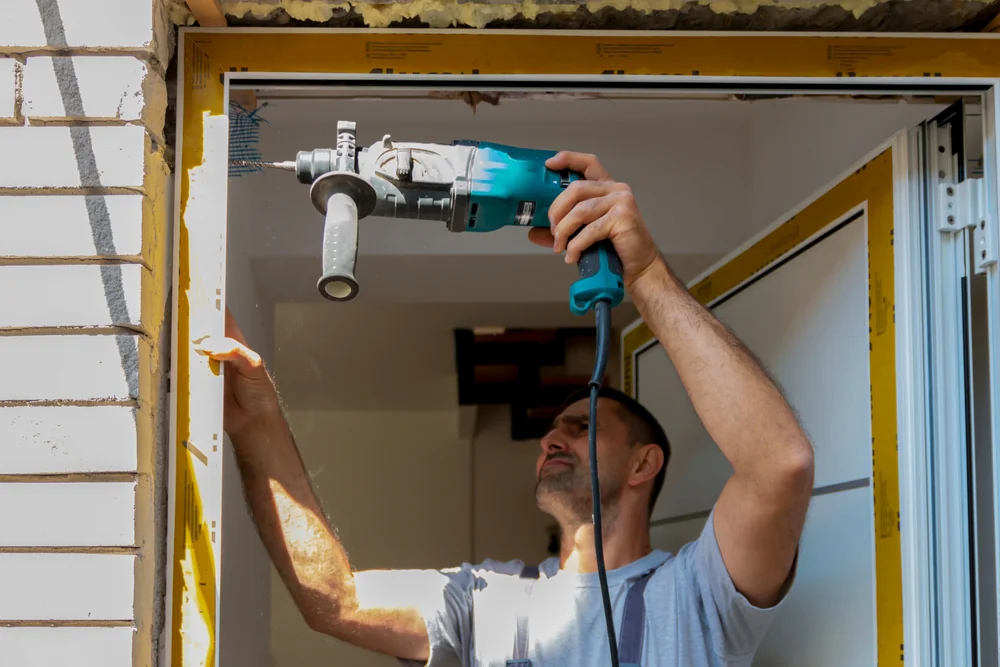
Storm damage shows up suddenly and affects multiple areas at once—you’ll see cracked panels in a pattern that matches wind direction, dents clustered where hail hit hardest, or sections blown off entirely. Age-related damage happens gradually and usually shows as fading, slow warping, or brittleness that develops over years.
Here’s the test insurance adjusters use: if all the damage is on one side of your house (the side that faced the storm), it’s probably covered. If the damage is scattered randomly or only in spots that get the most sun exposure, they’ll call it wear and tear.
For hail damage siding in Hampton, look for dents that are round and consistent in size—that’s the telltale sign. Hail doesn’t care about age; it’ll dent brand-new fiber cement just as easily as twenty-year-old vinyl. Wind damage usually leaves torn edges or missing pieces, especially around corners and roof lines where wind speed picks up. If you’re not sure, call us for an inspection before you file a claim. We can tell you whether it’s worth filing or if you’re better off paying out of pocket to avoid a rate increase.
Sometimes yes, sometimes close enough that you won’t notice, and sometimes no—it depends on the material and how much it’s faded. Matching old siding colors in Hampton is one of the trickier parts of repair work because coastal sun and salt air fade siding faster than inland conditions.
Vinyl is the hardest to match perfectly because it fades unevenly and manufacturers discontinue colors every few years. We keep a library of samples from every major brand going back fifteen years, and we can usually get within 90% of your original color. If your siding has faded significantly, we’ll sometimes replace an entire wall section so the color transition happens at a corner instead of in the middle of a wall where it’s obvious.
Fiber cement holds color better, especially if it was painted rather than pre-finished. We can usually match painted fiber cement exactly by taking a sample to the paint store. Wood siding is the easiest—we can stain or paint new boards to match almost perfectly. The real challenge with wood is matching the texture and grain, which sometimes requires custom milling if your siding is old enough. For most repairs, we’re able to get close enough that you’d have to stand five feet away and really look to spot the difference.
Most siding repairs in Hampton, NH take one day once we have materials on site. Small jobs—fixing cracked vinyl siding in Hampton or replacing a few damaged panels—can be done in a few hours. Larger storm damage repairs that involve fifty square feet or more usually take a full day, sometimes two if we’re dealing with multiple sides of the house.
The timeline gets longer if we’re waiting on insurance approval or special-order materials. Insurance claims can add one to three weeks depending on how fast the adjuster schedules their inspection and approves the estimate. If your siding is discontinued or requires custom color matching, materials might take an extra week to arrive.
We don’t start tearing off damaged siding until we have replacement materials in hand—that’s important in Hampton’s climate because leaving your house exposed to weather, even for a day, can cause serious moisture problems. For emergency situations where siding is completely missing and your house is exposed, we’ll do temporary weatherproofing immediately and then schedule the permanent repair once materials arrive. Most homeowners are surprised how fast the actual work goes once we’re on site. The bulk of the timeline is usually material sourcing and insurance coordination, not the physical repair itself.
Probably, if the damage came from wind, hail, or falling debris—those are all covered under standard homeowners policies. The catch is proving the damage happened during a specific weather event and not from gradual deterioration or poor maintenance.
Here’s what insurance typically covers for storm damage siding repair in Hampton, NH: they’ll pay to replace damaged sections with materials of similar kind and quality, minus your deductible. If your deductible is $2,500 and the repair costs $3,000, you’re only getting $500 from insurance—at that point, it might not be worth filing a claim. But if you’ve got $8,000 in hail damage across multiple sides of your house, filing makes sense.
The tricky part is when only one section is damaged but insurance will only pay for that section, leaving you with mismatched siding. Some policies will cover additional panels if you can prove the mismatch affects your home’s value, but you’ll need documentation—usually a letter from us explaining why the color can’t be matched and an appraisal showing the impact on resale value. We’ve handled enough insurance claims in Hampton to know which carriers are reasonable about this and which ones fight every line item. We’ll document everything properly, write a detailed scope that matches what adjusters expect to see, and deal with their questions directly so you’re not playing middleman.
Warped siding repair in Hampton usually happens for one of three reasons: heat buildup from reflective surfaces nearby (like a window or grill), poor installation that didn’t allow for expansion and contraction, or moisture trapped behind the siding that creates pressure as temperatures change.
The reflective heat issue is common—if you have a window or glass door that reflects afternoon sun directly onto your siding, that concentrated heat can warp vinyl in a single summer. We’ve seen it happen with new grills placed too close to the house, too. The fix is straightforward: replace the warped panels and eliminate the heat source. Sometimes that means adding a shade or moving the grill; other times it means switching to a more heat-resistant material like fiber cement in that specific area.
Installation problems are harder to spot but just as common. Vinyl needs room to expand and contract with temperature changes—if it’s nailed too tight or installed in cold weather without proper spacing, it’ll buckle when things heat up. Fixing this means removing the affected section and reinstalling it correctly, with proper fastening and spacing. You don’t usually need to replace the whole side of the house unless the poor installation is everywhere. Moisture-related warping is the most serious because it means you’ve got a water intrusion problem. We’ll need to pull off the siding, find where water is getting in, fix that issue, replace any damaged sheathing or insulation, and then install new siding. That’s not a cosmetic repair—it’s a necessary fix to prevent rot and mold.
Yes. If a storm just tore siding off your house and you’ve got exposed walls, call us immediately—we’ll get someone out the same day or next morning to assess the damage and do temporary weatherproofing if needed.
Emergency siding repair in Hampton, NH usually means tarping or boarding up exposed sections to prevent water intrusion while we order materials and coordinate with your insurance company. We carry emergency supplies in our trucks specifically for this—heavy-duty tarps, plywood, and fasteners that’ll hold until we can do the permanent repair.
Hampton’s coastal location means storms can be severe, and we’ve seen situations where entire sections of siding get ripped off in high winds. When that happens, your priority is keeping water out of your walls. Even a few hours of exposure during a rainstorm can soak insulation and start mold growth. We’ll secure everything immediately, document the damage with photos and measurements for your insurance claim, and give you a timeline for permanent repairs. Most insurance companies are reasonable about emergency mitigation costs—they’d rather pay for tarping now than deal with mold remediation later. We’ll include emergency services in the overall claim so you’re not paying out of pocket for temporary fixes.