Hear from Our Customers

Your sidewalls lose about 35% of your home’s energy. That’s heat escaping in winter and cool air leaking out in summer, which means your HVAC system works overtime and your bills climb higher than they should.
Quality siding installation in Wilton, NH fixes that. Insulated vinyl siding adds a thermal barrier that keeps indoor temperatures steady, so rooms that used to feel drafty or uncomfortable finally match the rest of the house. You’re not just covering up old wood—you’re upgrading the entire thermal envelope.
And if you’re dealing with peeling paint or rotting boards, new siding ends that cycle completely. Vinyl doesn’t rot, warp, or need repainting every few years. Fiber cement siding handles moisture without swelling or cracking. You get protection that lasts without the constant maintenance headaches that come with older materials.
We’ve been serving Wilton, NH and surrounding areas for seven years. We’re an Owens Corning Preferred Contractor, which means we meet strict installation standards and back our work with real warranties—not just empty promises.
Wilton’s housing stock is older than most towns around here. The median home was built in 1960, which means a lot of properties are overdue for exterior work. We’ve handled plenty of those jobs, and we know what happens when siding gets installed fast instead of right.
Our focus is quality first. If doing the job correctly means it takes longer or costs a bit more, that’s what we do. You’re not getting the cheapest bid, but you are getting work that holds up through freeze-thaw cycles, ice storms, and everything else New Hampshire throws at your home.
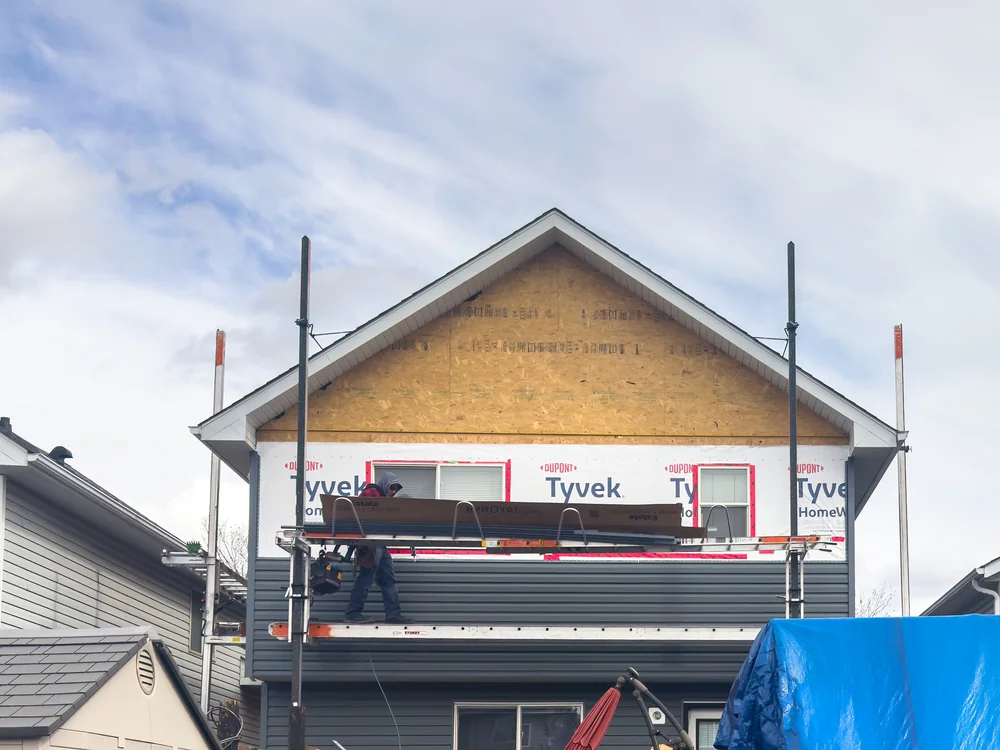
First, we inspect your exterior to check for rot, moisture damage, or structural issues that need fixing before new siding goes up. Covering over problems just hides them—it doesn’t solve anything.
Next comes house wrapping. This moisture barrier goes on before any siding, and it’s critical for preventing water intrusion behind your new exterior. We make sure it’s installed correctly with proper overlaps and sealed seams, because sloppy wrapping leads to mold and rot down the line.
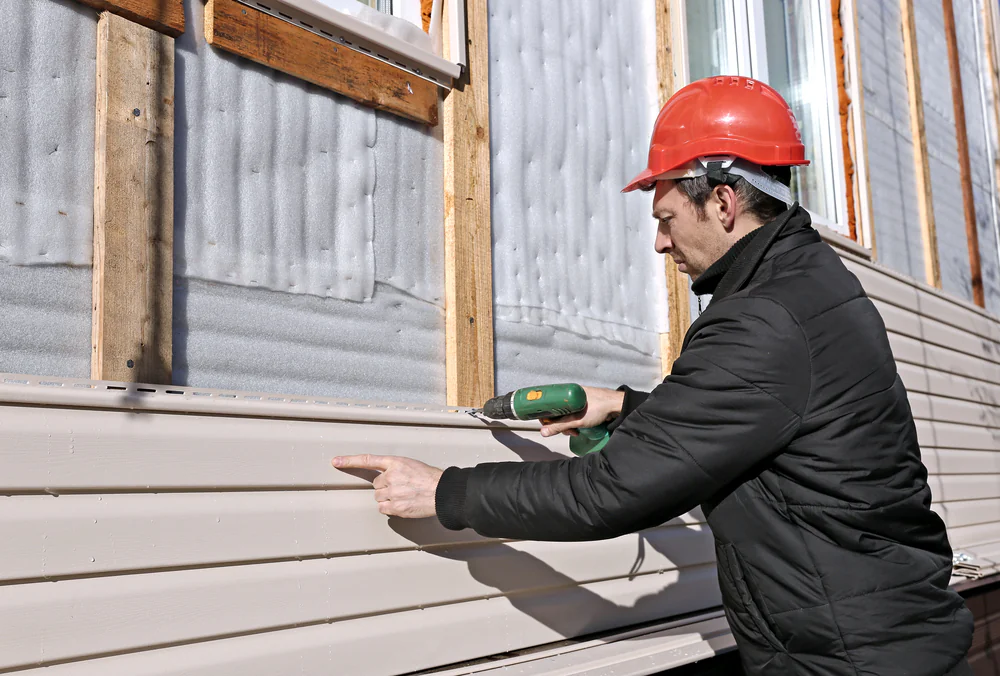
Then we install your siding—whether that’s vinyl, fiber cement, or James Hardie—with attention to expansion gaps, fastener placement, and alignment. Rushed installation causes warping, buckling, and premature failure. We take the time to do it right.
Finally, we handle trim, corners, and finishing details so everything looks clean and functions properly. You get a walkthrough at the end to make sure you’re completely satisfied before we consider the job done.
Ready to get started?
You get options that make sense for Wilton’s climate. Insulated vinyl siding works well if you want low maintenance and solid energy efficiency. Fiber cement siding—especially James Hardie—handles extreme weather better than anything else and won’t ignite if exposed to flame.
James Hardie products are engineered specifically for this region through their HardieZone system. The HZ5 line is built for freezing temps, heavy snow, ice, and the kind of seasonal swings that destroy lesser materials. It won’t warp in summer heat or crack when temps drop below zero.
With Wilton’s median home sale price hitting $561K—up 36% from last year—protecting that investment matters. Fiber cement siding can recoup up to 68% of your installation cost according to Remodeling magazine’s data, and it adds real curb appeal that buyers notice.
We also include a true lifetime warranty on materials and labor for all siding installations. If you sell your home, that warranty transfers to the new owner, which is a selling point most contractors can’t offer.
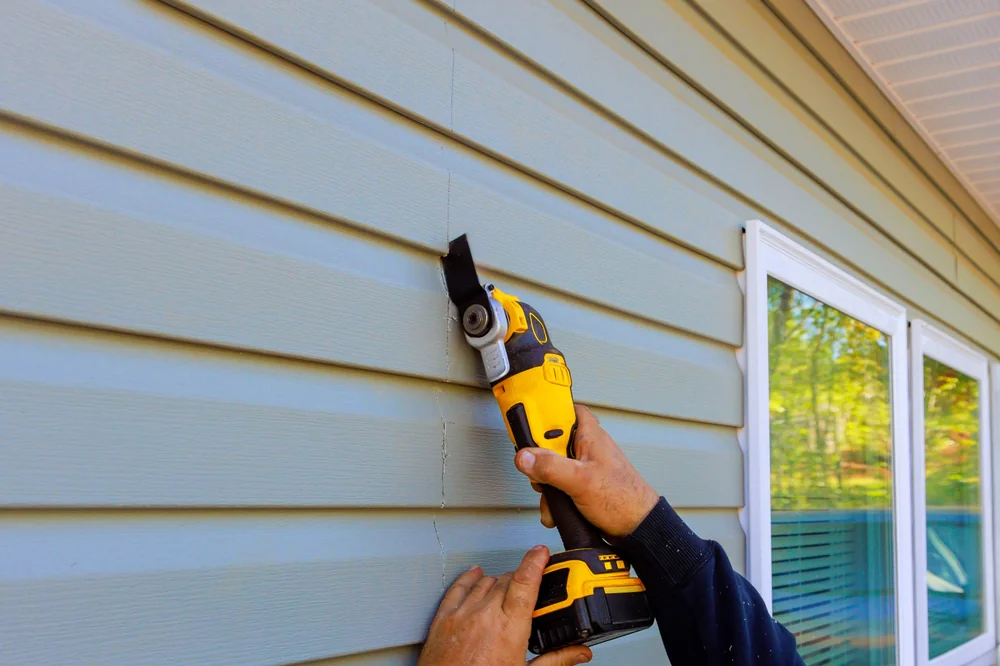
It depends on your material choice, home size, and how much prep work is needed. Vinyl siding installation in Wilton, NH typically runs less than fiber cement, but insulated vinyl with Fullback backing costs more than standard vinyl because of the added energy efficiency and impact resistance.
Fiber cement siding costs more upfront but lasts longer and requires almost zero maintenance. If your existing siding has rot or structural damage underneath, that adds to the project because we fix those issues before installing anything new—covering over problems just creates bigger headaches later.
The best way to get an accurate number is a site visit. We’ll assess your home’s condition, discuss material options, and give you a detailed estimate that breaks down exactly what you’re paying for. No surprises, no upselling—just honest pricing based on what your home actually needs.
Vinyl siding requires almost no maintenance, resists moisture well, and costs less to install. It’s a solid choice if you want durability without constant upkeep. Insulated vinyl adds a thermal layer that improves energy efficiency and helps keep indoor temps stable, which matters in Wilton’s climate where winter heating bills can get steep.
Fiber cement siding—especially James Hardie—handles extreme weather better than vinyl. It won’t melt, warp, or ignite when exposed to flame, and it resists moisture damage that causes wood to rot and vinyl to buckle. It’s engineered for climates like ours with freeze-thaw cycles, heavy snow, and brutal temperature swings.
The tradeoff is cost. Fiber cement costs more upfront, but it holds up longer and adds more resale value. If you’re planning to stay in your home long-term or you want the absolute best protection against New England weather, fiber cement is worth the investment. If you want great performance at a lower price point, insulated vinyl is a smart middle ground.
Most residential siding installations take one to two weeks depending on home size and complexity. If we’re working on a straightforward ranch with minimal trim details, it goes faster. Larger homes with multiple stories, complex angles, or extensive rot repair take longer.
Weather plays a role too. We don’t install siding in heavy rain or freezing temps because it compromises the quality of the work. House wrapping needs to go on dry, and materials need proper conditions to install correctly. Rushing through bad weather just leads to problems later.
We’ll give you a realistic timeline during the estimate and keep you updated if anything changes. The goal isn’t to finish fast—it’s to finish right. You’re better off with a project that takes an extra few days and lasts decades than one that’s done quickly and starts failing within a few years.
Yes. House wrapping creates a moisture barrier between your sheathing and your siding, which prevents water intrusion that leads to rot, mold, and structural damage. Skipping it or installing it poorly is one of the biggest mistakes contractors make, and it’s also one of the hardest to fix later.
Proper house wrapping in Wilton, NH means overlapping seams correctly, sealing around windows and doors, and making sure there are no gaps where water can get behind your siding. When it rains or snow melts, that moisture needs to drain down and out—not get trapped inside your walls.
We see homes all the time where previous contractors either skipped the wrapping entirely or did a sloppy job with it. The siding looks fine from the outside, but behind it, the sheathing is rotting and insulation is soaked. By the time you notice, the damage is extensive and expensive to repair. We do it right the first time so you don’t deal with that nightmare.
If you choose insulated vinyl siding or pair fiber cement with proper insulation, yes. Your walls make up the largest surface area of your home’s exterior, and if they’re not insulated well, you’re losing a massive amount of energy. Most homes built after the 1970s have fiberglass insulation in the wall cavities, but it’s often compromised or incomplete—and about a quarter of your wall surface is just wood studs with no insulation at all.
Insulated vinyl siding with Fullback backing adds a continuous thermal layer that reduces heat loss in winter and heat gain in summer. That means your furnace and AC don’t have to work as hard to maintain comfortable temps, which directly lowers your energy bills. You’ll also notice fewer drafts and more consistent temperatures from room to room.
The exact savings depend on your home’s current condition and how much air leakage you’re dealing with. But in Wilton, where winter heating costs are a real concern, better insulation pays for itself over time. You’re not just improving comfort—you’re reducing the amount of money you’re literally throwing away every month on wasted energy.
If you want the best weather resistance and longest lifespan, yes. James Hardie fiber cement siding is engineered specifically for harsh climates through their HardieZone system. The HZ5 product line is designed for regions like ours with freezing temps, extreme seasonal temperature swings, heavy snow, and ice—exactly what Wilton deals with every year.
It won’t rot like wood, won’t melt like vinyl, and won’t ignite when exposed to direct flame. It handles moisture without swelling or warping, which is critical in a climate where freeze-thaw cycles destroy lesser materials. And it holds up visually for decades without fading, cracking, or needing constant repainting.
The upfront cost is higher than vinyl, but you’re getting a product that can recoup up to 68% of your investment according to industry data, plus it adds serious curb appeal and buyer confidence if you ever sell. If you’re planning to stay in your home long-term or you just want the absolute best protection available, working with experienced James Hardie installers in Wilton, NH is worth every dollar.