Hear from Our Customers

You stop worrying about what’s happening behind your walls. Moisture stays out. Drafts disappear. Your heating bill drops because your home isn’t working against itself anymore.
The exterior stops looking tired. Cracked panels, faded color, warped boards—all gone. What you’re left with is a house that looks updated and feels solid when you pull into the driveway.
And if you ever decide to sell, you’re not explaining away peeling paint or rotted trim. You’re showing a home that’s been maintained right. That’s the difference between siding that protects and siding that just covers.
We work across the North Shore, and we’ve seen what happens when siding isn’t installed correctly in this climate. Peabody homes deal with nor’easters, humidity swings, and salt air that eats through cheap materials in a few seasons.
We’re an Owens Corning Preferred Contractor, which means we’ve met standards most companies don’t bother with. We don’t cut corners on house wrapping, flashing, or drainage. Those details matter more here than in most places.
You’re not getting a crew that learned last month. You’re getting installers who know how to handle fiber cement siding in freezing temps and vinyl siding installation in Peabody, MA humidity. That experience shows up in how long your siding lasts.
We start with an inspection of what you’ve got now. We’re looking for hidden rot, moisture damage, and structural issues that need fixing before new siding goes up. If we find something, you’ll know about it before we start.
Next comes material selection. If you’re in a high-wind area near the coast, we’ll recommend fiber cement. If you want low maintenance and a tight budget, vinyl works. As James Hardie installers in Peabody, MA, we know that HardieZone HZ5 products are engineered specifically for freezing temps and seasonal swings—that’s not marketing, that’s how the material is built.
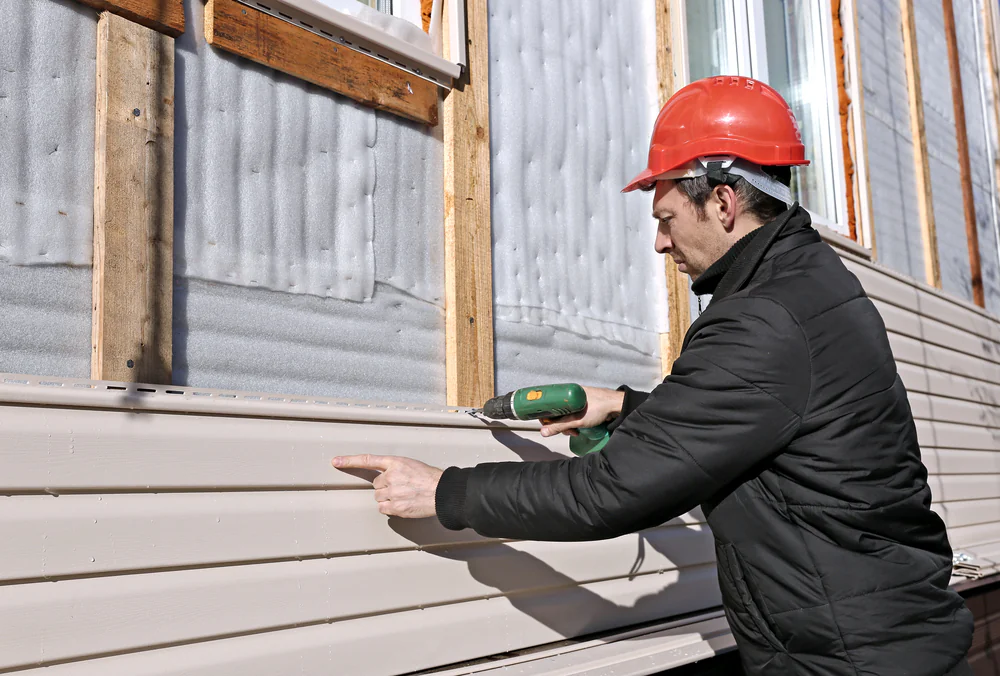
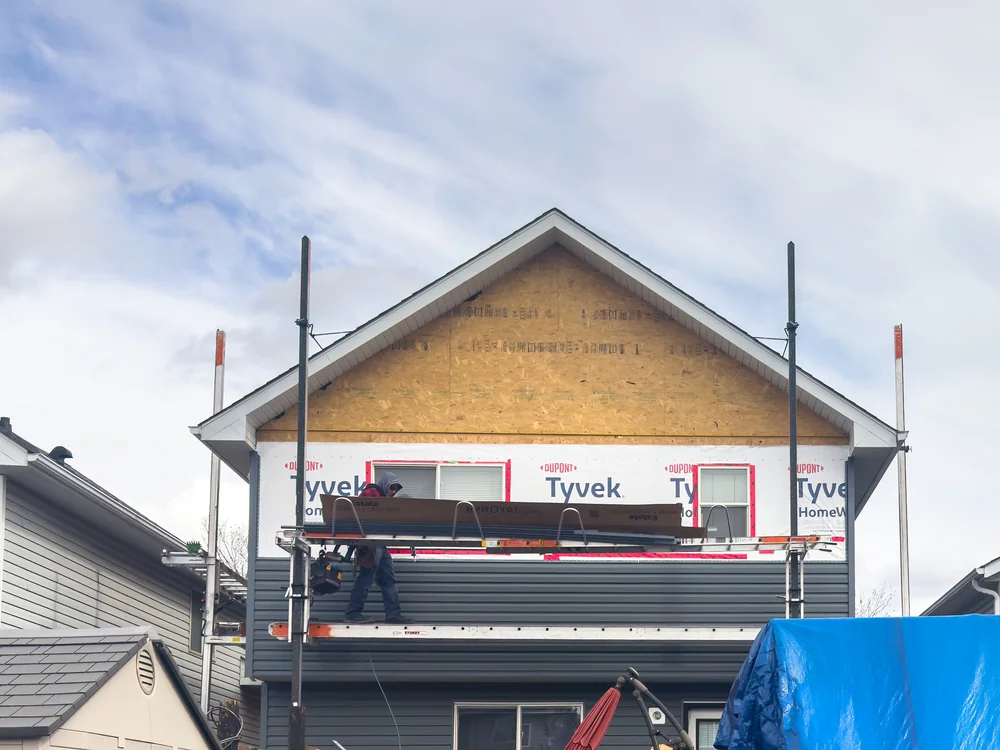
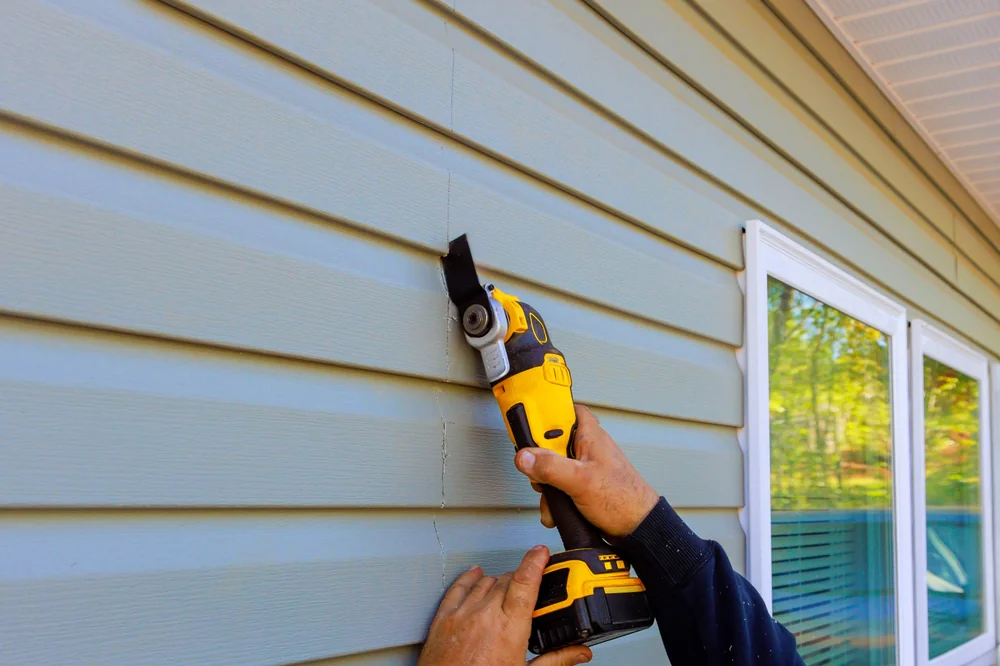
Then we handle the install. Old siding comes off. We inspect the sheathing. House wrapping in Peabody, MA gets done right with proper overlap and drainage channels. Siding goes up with correct fastening, expansion gaps, and flashing around windows and doors. The details that prevent callbacks two years later.
Ready to get started?
You get weather protection that’s designed for this region. James Hardie fiber cement won’t warp in humidity or crack when temps drop to single digits. Vinyl siding installation in Peabody, MA includes insulated options that cut heat loss and reduce the load on your furnace during January cold snaps.
You get fire resistance. Fiber cement is 90% sand and cement—it won’t melt, burn, or fuel a fire. In neighborhoods with close-set homes, that’s not a small thing.
You get pest resistance. Woodpeckers don’t peck it. Carpenter bees don’t drill it. Termites don’t eat it. One less thing to treat or repair.
And you get ROI. Fiber cement siding has been ranked the best return on investment for exterior remodeling for ten straight years. When most Peabody homeowners spend between $12,000 and $28,000 on a siding project, knowing you’ll recoup a significant portion at resale matters. The fiber cement siding cost in Peabody, MA pays itself back faster than almost any other upgrade you can make.
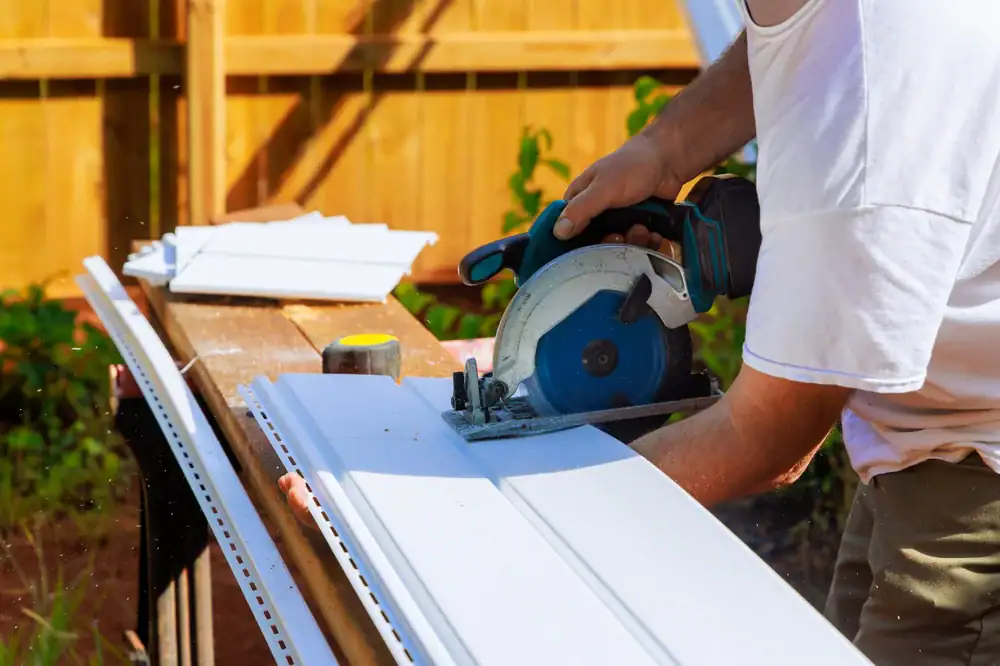
Most single-family homes in Peabody take between five and ten days, depending on size and material. Fiber cement takes longer than vinyl because it’s heavier and requires more precise cutting and fastening.
Weather delays happen. If we’re installing in late fall or early spring and temps drop below freezing, some materials can’t be installed safely. We’ll pause the job instead of rushing it and creating problems later.
If we find rot or structural damage when the old siding comes off, that adds time. We won’t cover up a problem—you’ll know what we found, what it costs to fix, and how long it adds to the schedule before we move forward.
For a typical single-family home in Peabody, you’re looking at $18,000 to $28,000 for James Hardie fiber cement with professional installation. That includes removal of old siding, house wrapping, trim, and finish work.
Vinyl siding installation in Peabody, MA runs lower—usually between $12,000 and $18,000 for the same size home. The gap comes down to material cost and labor. Fiber cement is heavier, requires specialized cutting tools, and takes longer to install correctly.
If you’re comparing quotes, make sure you’re comparing the same scope. Some contractors skip house wrapping or use cheaper fasteners. That’s where the “too good to be true” prices come from. You’ll pay for those shortcuts later in callbacks and repairs.
Yes, but how much depends on what you’re replacing and what you’re installing. If your current siding has gaps, missing pieces, or no house wrap underneath, you’re losing conditioned air. New siding with proper insulation and a quality moisture barrier stops that loss.
Insulated vinyl or fiber cement with foam backing can cut heat transfer by 20% or more. In Peabody winters, that means your furnace runs less. In summer, your AC doesn’t fight as hard against heat soaking through the walls.
The payback isn’t instant, but most homeowners see a noticeable drop in heating costs within the first year. Pair that with the new siding benefits in Peabody, MA like better moisture control and durability, and the investment makes sense beyond just the energy savings.
James Hardie fiber cement handles New England weather better than vinyl in most situations. It doesn’t warp in heat, crack in cold, or get brittle after a decade of UV exposure. Vinyl expands and contracts with temperature swings, which can cause buckling or gaps if it’s not installed with the right expansion allowances.
Fiber cement is also five times thicker than vinyl and has a life expectancy closer to brick or masonry. It resists impact from hail, wind-blown debris, and the kind of punishment that comes with coastal storms. If you’re near the water or in an area that gets hit hard by nor’easters, that durability matters.
The downside is cost and weight. Fiber cement costs more upfront and requires experienced installers. But if you’re planning to stay in your home long-term or you want the best resale value, we’ll tell you it’s the smarter play.
If water gets behind your siding and stays there, you’re looking at rot, mold, and structural damage. That’s why house wrapping in Peabody, MA isn’t optional—it’s the first line of defense.
Quality house wrap with proper drainage channels directs water down and out, away from the wall assembly. It also needs to be installed with correct overlaps and sealed around windows, doors, and penetrations. Shortcuts here lead to expensive problems that don’t show up until years later.
We use moisture barriers that pass ASTM drainage tests and provide better water holdout than standard options. If we’re tearing off old siding and find moisture damage, we’ll show you what’s happening, explain what needs to be fixed, and give you a clear cost before we cover anything back up. You shouldn’t have to guess what’s behind your walls.
It depends on the material and the temperature. Vinyl siding shouldn’t be installed below 40°F because it becomes brittle and can crack during cutting or nailing. Fiber cement has more flexibility, but adhesives and caulks don’t cure properly in freezing temps.
Most siding contractors near Peabody, MA schedule exterior work between late spring and early fall to avoid weather delays and material issues. If you need winter installation, it’s possible during a warm stretch, but we won’t start a job if conditions aren’t right.
Off-season scheduling sometimes comes with better availability and pricing since demand is lower. If you’re flexible on timing and can wait for the right weather window, winter bookings can work in your favor. Just know that the job might get paused if temps drop or precipitation moves in.