Hear from Our Customers
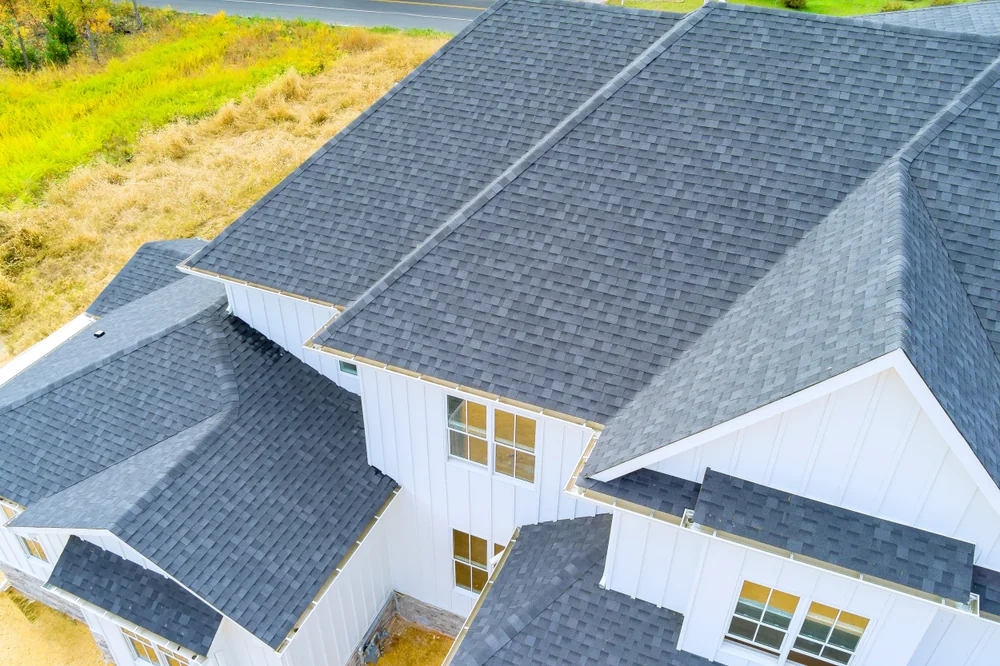
Your siding isn’t just about looks. It’s the barrier between your home’s structure and everything Peabody’s weather throws at it—nor’easters, salt air, freeze-thaw cycles that crack and warp inferior materials.
When your siding fails, water finds its way in. You’ll see it first around windows, then in your attic, eventually in your walls. Mold grows. Insulation gets compromised. Your furnace runs longer because cold air leaks through gaps you can’t even see.
Quality exterior home remodeling in Peabody, MA means installing materials engineered for this exact climate. Vinyl siding with proper insulation can improve your R-value by 19%. That translates to real money—lower heating costs in January, lower cooling costs in August, and protection that lasts decades instead of needing replacement in five years.
You’ll also stop spending weekends scraping, painting, and patching. Modern siding materials don’t rot, don’t peel, and don’t fade under New England sun. Your home looks sharp year after year without the constant upkeep that wood demands.
We operate right here in the Lynn area, serving Peabody and surrounding communities. We’re an Owens Corning Preferred Contractor, which means we’ve met strict standards for quality work and customer service—not just once, but consistently.
We know Peabody homes. The Colonials near downtown with original wood siding from the 1920s. The ranch homes in West Peabody dealing with moisture issues. The split-levels near Northshore Mall that need better insulation. Each project gets the same attention: proper installation, quality materials, and realistic timelines.
You’re not getting a crew that disappears for weeks or leaves your home exposed to weather. Most of our residential siding services in Peabody, MA wrap up in 2-3 days. You get a detailed estimate upfront, clear communication throughout, and work that passes inspection the first time.
We start with a free estimate at your home. You’ll get a detailed assessment of your current siding’s condition, measurements, and a breakdown of material options that fit your budget and your home’s needs. No pressure, no upselling—just honest information about what your home requires.
Once you approve the estimate, we schedule your installation. We order materials, confirm delivery dates, and give you a specific start date. Our crew shows up on time with everything needed to complete the job without delays or surprise trips to suppliers.
During installation, we remove your old siding, inspect the underlying structure for any damage, make necessary repairs, and install your new siding with proper moisture barriers and insulation. We protect your landscaping, clean up daily, and keep disruption minimal. Most homes are complete in 2-3 days.
After installation, we walk the property with you. You’ll see the finished work, ask any questions, and get care instructions for your specific siding material. We don’t consider the job done until you’re satisfied with every detail.
Ready to get started?
Our siding services in Peabody, MA cover both residential and commercial properties. We install vinyl, fiber cement, and wood siding depending on your building’s needs and your maintenance preferences. Each material gets installed with proper moisture barriers, insulation upgrades where needed, and attention to vulnerable areas like corners, windows, and door frames.
Peabody’s coastal location means salt air accelerates corrosion on cheaper materials. We use products engineered for marine environments—vinyl that won’t pit or fade, fiber cement that resists moisture absorption, and fasteners that won’t rust out in five years. Your siding needs to handle humidity in summer, ice in winter, and wind year-round.
We also handle repairs for storm damage, replacing sections damaged by falling branches or torn off during microbursts. Insurance work gets documented properly with photos, measurements, and detailed estimates that adjusters actually accept. You’re not fighting with your insurance company because we didn’t provide the right paperwork.
For older Peabody homes, we often find structural issues during removal—rotted sheathing, missing house wrap, inadequate flashing. We fix those problems before installing new siding. Covering up damage with new materials just delays bigger problems. You get a complete exterior that protects your investment for decades.

Fiber cement and insulated vinyl both perform well in Peabody’s climate, but your choice depends on your priorities and budget.
James Hardie fiber cement handles extreme temperature swings better than any other material. It won’t crack during freeze-thaw cycles, resists moisture absorption that leads to rot, and holds up against salt air corrosion from coastal weather. It costs more upfront—typically $10-$18 per square foot installed—but you’re looking at 30-50 years of protection with minimal maintenance. It also gives you the highest ROI if you sell, often returning 118% of your investment.
Insulated vinyl offers excellent value at $6-$12 per square foot installed. Modern vinyl with graphite-infused foam insulation improves your R-value significantly, cutting energy costs during Peabody’s cold winters and humid summers. It never needs painting, won’t rot or warp, and stands up to nor’easters without cracking. Quality vinyl from manufacturers like Owens Corning lasts 25-40 years with virtually zero maintenance.
Wood siding looks beautiful but demands constant attention in New England weather. You’ll repaint every 5-7 years, deal with rot in areas that trap moisture, and replace boards damaged by ice or insects. If you love the aesthetic and don’t mind the upkeep, cedar or pine can work—but most Peabody homeowners choose materials that don’t require that level of maintenance.
For a standard 2,000 square foot home in Peabody, MA, you’re looking at $14,000-$36,000 depending on material choice and project complexity.
Vinyl siding typically runs $14,000-$24,000 for a complete replacement on a 2,000 sq ft home. That includes removal of old siding, house wrap installation, insulation upgrades, and new vinyl with proper trim and flashing. Insulated vinyl adds $2,000-$4,000 to the project but pays back through energy savings.
Fiber cement costs more—usually $20,000-$36,000 for the same size home. The material itself costs more, installation takes longer because it’s heavier and requires special cutting tools, and you need experienced installers who know how to handle it properly. But you’re getting superior durability and weather resistance that outlasts vinyl by 10-20 years.
Several factors push costs higher. Homes with complex architecture—multiple gables, bay windows, dormers—require more labor and generate more waste. Two-story homes need scaffolding. Homes with extensive rot or structural damage need repairs before new siding goes up. If we find rotted sheathing or missing moisture barriers during removal, fixing those issues properly adds to the total but prevents much bigger problems down the road.
Most Peabody homeowners find that investing in quality materials and proper installation costs less long-term than choosing the cheapest option and dealing with premature failure, high energy bills, and constant maintenance.
Most residential siding installations in Peabody, MA take 2-3 days from start to finish, though larger or more complex homes may need 4-5 days.
A typical single-story ranch home with straightforward architecture usually wraps up in two days. Day one covers removal of old siding, inspection and repair of any underlying damage, and installation of moisture barriers. Day two completes the new siding installation, trim work, and cleanup.
Two-story homes or homes with complex features take longer. Cape Cod styles with dormers, Colonials with multiple gables, or homes with extensive trim details need extra time for proper installation around those features. We don’t rush through complex areas just to meet a timeline—corners, windows, and transitions are where water infiltration happens if the work isn’t done right.
Weather affects scheduling too. We won’t install siding during heavy rain or when temperatures drop below manufacturer specifications. Your home stays protected with house wrap if we need to pause for weather, but we don’t install materials in conditions that compromise their performance or void warranties.
You’ll have full access to your home throughout the project. We work outside, protect your landscaping with drop cloths, and clean up debris daily. Most homeowners are surprised how little disruption they experience—no one’s tracking through your house or blocking your driveway for weeks.
We can repair isolated damage in many cases, but whether that makes sense depends on your siding’s age, condition, and material type.
Storm damage from fallen branches or torn panels often qualifies for spot repairs. If your siding is relatively new, the damaged section is small, and we can match the existing material and color, replacing just the affected area saves you money. We remove the damaged panels, inspect the underlying structure for hidden damage, make any necessary repairs, and install matching siding.
Color matching gets tricky with older siding. Vinyl and wood both fade over time from UV exposure. Even if we source the exact same product line and color code, new panels look noticeably different next to 10-year-old weathered siding. Some homeowners accept the color difference. Others choose to replace entire visible sections—like a full wall—so the repair blends better.
Extensive damage or aging siding usually makes full replacement the smarter choice. If you’re repairing multiple areas, dealing with widespread rot or warping, or your siding is 20+ years old, you’ll spend significant money on repairs while still having old siding that will continue failing. At that point, investing in complete replacement gives you decades of protection instead of temporary patches on a failing system.
We’ll give you an honest assessment during the estimate. If repairs make sense, we’ll explain exactly what that involves and what results you can expect. If replacement is the better value, we’ll show you why and provide options that fit your budget.
Yes, but the savings depend on your current siding’s condition and what material you choose for replacement.
Insulated vinyl siding can improve your home’s R-value by 19% compared to standard vinyl or old wood siding. That means less heat escapes during Peabody’s cold winters and less cool air leaks out during humid summers. Homeowners typically see 10-15% reductions in heating and cooling costs after installation. For a home spending $2,500 annually on energy, that’s $250-$375 back in your pocket every year.
The biggest gains come from eliminating air infiltration. Old siding develops gaps, cracks, and loose sections that let drafts through. Even if your insulation is adequate, air leaks make your HVAC system work harder to maintain temperature. New siding with proper installation seals those gaps, creating a continuous thermal barrier around your home.
Fiber cement doesn’t add insulation value by itself, but it allows for thicker foam board insulation underneath during installation. Combined with proper house wrap and attention to sealing penetrations, you can achieve even better energy performance than insulated vinyl alone.
You’ll also gain comfort beyond just cost savings. Rooms that were always cold in winter or hot in summer become more comfortable. Your furnace and AC cycle less frequently, which extends their lifespan. And you eliminate those annoying drafts around windows and outlets that make certain rooms unpleasant regardless of thermostat settings.
The energy savings alone don’t justify siding replacement—you’d need 20+ years to break even on that factor alone. But combined with protection from weather damage, elimination of maintenance costs, improved curb appeal, and increased home value, the energy efficiency becomes one of several strong reasons to upgrade your exterior.
Yes, we work directly with homeowners on insurance claims for storm damage, providing documentation and estimates that adjusters need to process your claim.
After storm damage, we inspect your siding and document everything with photos, measurements, and detailed notes about what happened and what needs repair or replacement. We prepare an estimate that breaks down materials, labor, and any underlying damage we find—like rotted sheathing or compromised moisture barriers that need addressing before new siding goes up.
Most insurance adjusters are reasonable when they see proper documentation. We’ve worked with every major insurance company operating in Peabody and know what information they require. Our estimates use industry-standard pricing and terminology that adjusters recognize, which speeds up approval and reduces back-and-forth negotiations.
Sometimes adjusters initially approve only partial repairs when full replacement makes more sense. We’ll advocate for you by explaining why patchwork repairs on aging siding aren’t adequate—especially when matching discontinued colors or when damage revealed underlying issues that affect areas beyond the visible storm damage. We provide the technical justification adjusters need to approve appropriate scope.
We don’t handle claims directly or negotiate with your insurance company on your behalf—that’s your responsibility as the policyholder. But we give you everything you need to present a strong claim, and we’re available to answer adjuster questions or meet them on-site if needed.
One important note: insurance covers sudden storm damage, not gradual deterioration from age or lack of maintenance. If your siding failed because it’s 30 years old and worn out, that’s not a covered claim. But if a microburst tore panels off or a fallen tree damaged your exterior, your policy should cover repairs minus your deductible.