Hear from Our Customers

You stop worrying about ice dams forcing water behind your panels. Your heating bills drop because your home isn’t bleeding warmth through gaps and cracks. You’re not out there every spring recaulking seams or repainting faded boards.
Properly installed fiber cement siding in Newton, NH handles freeze-thaw cycles without buckling. It doesn’t warp when temperatures swing 60 degrees in a week. And it doesn’t need you to babysit it every season.
That’s what you get when the installation is done right the first time. Your home looks sharp, stays protected, and you get your weekends back.
We specialize in exterior work across Newton and the surrounding New Hampshire communities. We’ve seen what happens when siding isn’t installed to handle the climate here—rotted sheathing, mold in the walls, energy costs through the roof.
That’s why we focus on materials like James Hardie fiber cement and premium vinyl that are engineered for this exact weather. Newton homes built in the 1980s and 90s are hitting that point where the original siding is failing. We help homeowners make the upgrade without the runaround.
You’ll work with installers who know how to flash properly, seal correctly, and make sure your investment actually protects your home.
We start with an inspection of your existing siding and sheathing. If there’s rot or damage underneath, you’ll know before we quote the job. No surprises halfway through.
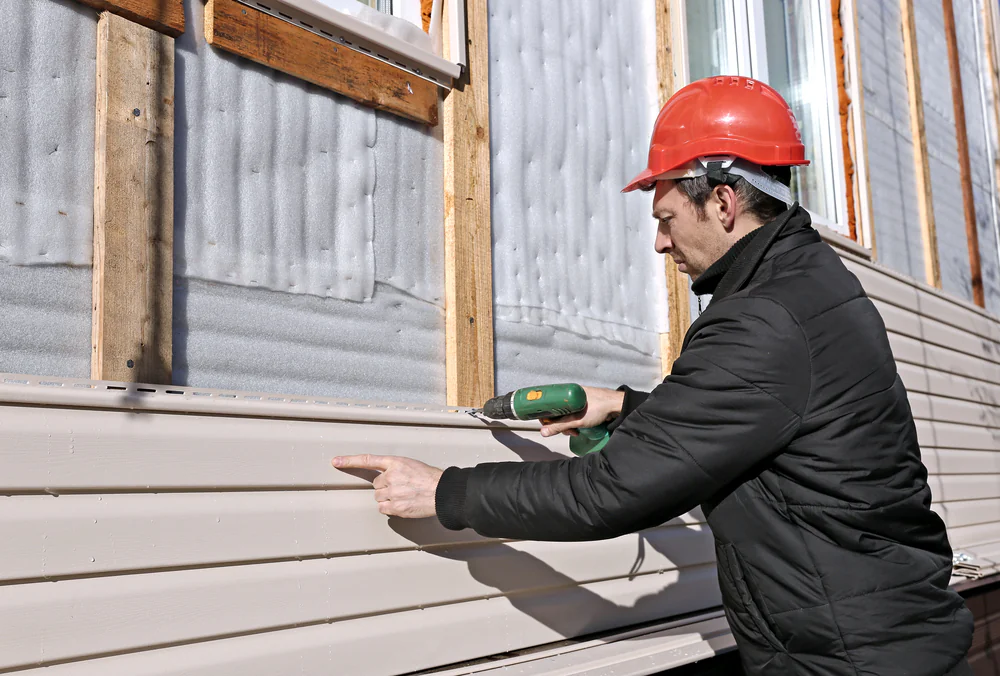
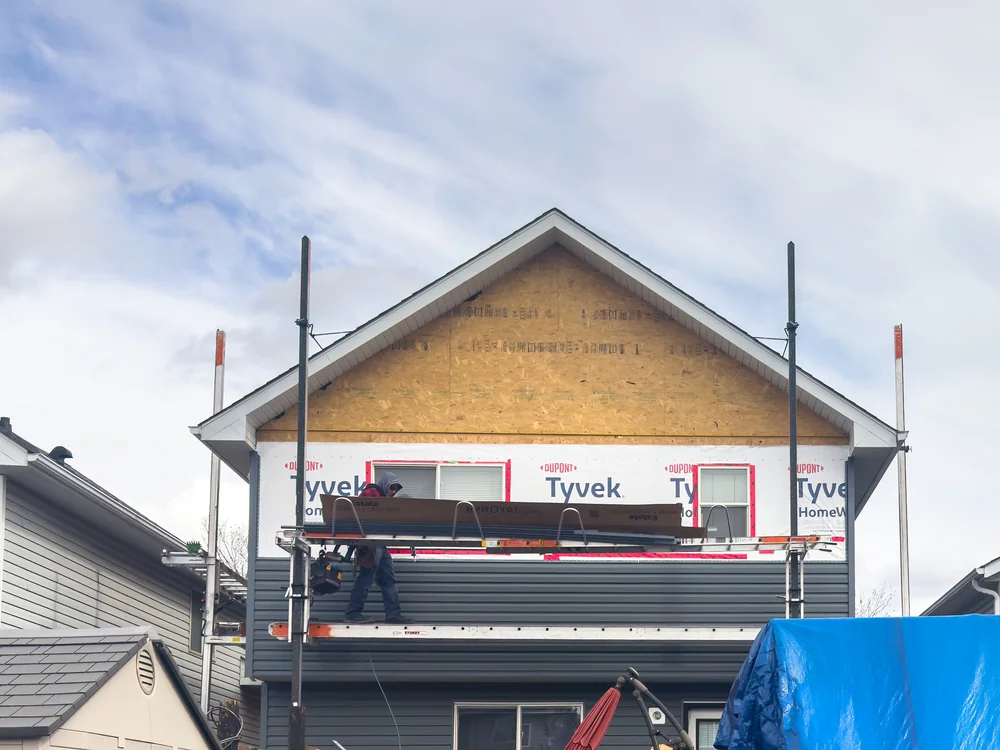
Once we strip the old siding, we install house wrapping and proper flashing around windows and doors. This is where most contractors cut corners, and it’s also where most water damage starts. We don’t skip it.
Then comes the siding itself—whether that’s fiber cement, vinyl, or another material you’ve chosen. Every panel gets leveled, every seam gets sealed, and every corner gets finished correctly. The goal is a weathertight envelope that performs for 30+ years.
You get a final walkthrough where we show you the work, answer any questions, and make sure you’re confident in what just went on your home.
Ready to get started?
You’re getting a full siding replacement, not a patch job. That means removal of old materials, inspection and repair of underlying sheathing if needed, and installation of weather-resistant barriers before any new siding goes up.
In Newton, where winter temperatures regularly drop below zero and summer humidity sits heavy, that moisture barrier matters. We use house wrapping systems that breathe while blocking water infiltration—critical for preventing mold in your walls.
Material options include James Hardie fiber cement, which holds up to freeze-thaw cycles better than anything else on the market, and insulated vinyl siding that cuts your heating costs. Both come with color baked into the material, so you’re not repainting in five years.
You’ll also get trim work, corner posts, and J-channels that match and function correctly. The new siding benefits go beyond looks—you’re adding a protective layer that your home actually needs to survive here.
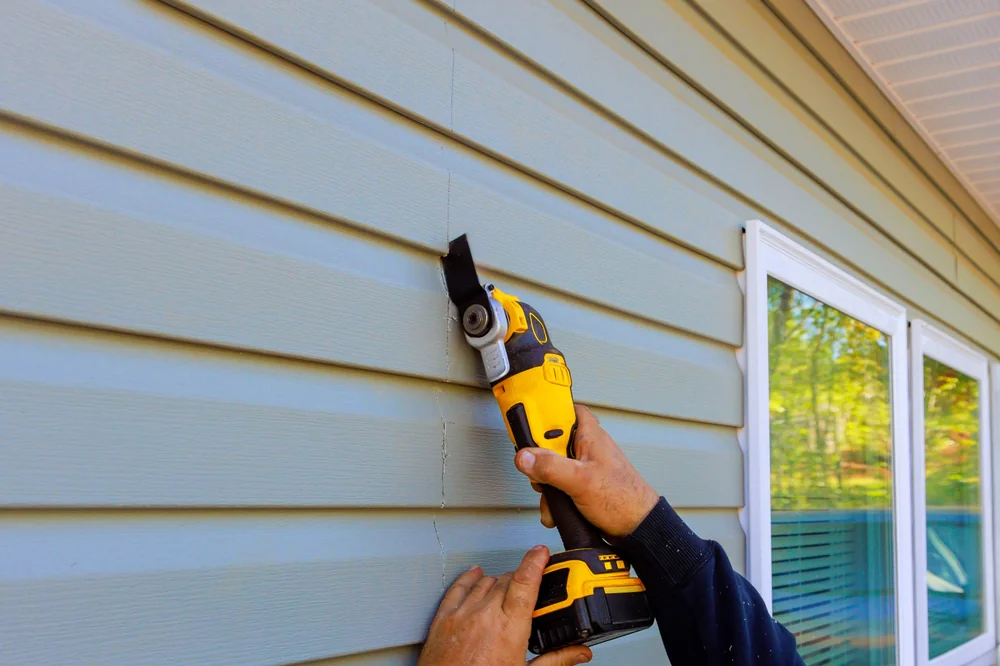
Fiber cement siding like James Hardie lasts 30 to 50 years in New Hampshire when installed correctly. It’s engineered specifically for freeze-thaw cycles, which is what kills most other materials around here.
Unlike wood, it won’t rot when moisture gets trapped behind it. Unlike vinyl, it won’t crack when temperatures drop to -10°F in January. The color is baked through the material during manufacturing, so fading isn’t an issue even with our intense summer sun and UV exposure.
The key is proper installation. If the house wrapping isn’t done right or the flashing around windows is sloppy, even the best siding will fail early. That’s why the installer matters as much as the material.
Vinyl siding installation in Newton, NH typically runs $8,000 to $15,000 for an average home. Fiber cement costs more upfront—usually $15,000 to $25,000 for the same house.
But here’s what that extra cost gets you: fiber cement is fire-resistant, doesn’t crack in cold weather, and holds up to impacts that would dent or puncture vinyl. It also increases your home’s resale value more—buyers in this area recognize quality when they see it.
If you’re planning to stay in your home long-term, fiber cement pays for itself through lower maintenance and better energy efficiency. If you need a solid upgrade on a tighter budget, insulated vinyl is still a major improvement over what’s probably on your house now.
Yes, but only if your current siding is failing or you’re upgrading to insulated options. Properly installed insulated vinyl siding can reduce heating and cooling costs by 15-20% because it creates a thermal break that standard siding doesn’t.
In Newton, where you’re heating your home six months out of the year, that adds up. Homes built in the 1980s often have minimal wall insulation and siding that’s developed gaps over time. Cold air gets in, warm air escapes, and your furnace runs constantly.
New siding installation with proper house wrapping seals those gaps and adds an insulation layer. You’ll notice the difference the first winter—rooms that were always cold stay comfortable, and your thermostat doesn’t have to work as hard.
If more than 30% of your siding is damaged, cracked, or rotting, replacement makes more sense than patching. You’re also looking at replacement if you’re seeing mold or mildew inside your walls, which means water is getting through.
Other signs: your energy bills have crept up over the past few years, paint is peeling or won’t stay on, or the siding feels soft or punky when you press on it. Those all point to failure that repair won’t fix.
In Newton, homes with original siding from the 1980s are right at that replacement point. The materials have been through 40+ freeze-thaw cycles, and they’re done. A full replacement now prevents the more expensive problem of rotted sheathing and structural damage later.
Fiber cement handles New Hampshire winters better than any other material. It’s dimensionally stable, meaning it doesn’t expand and contract with temperature swings the way vinyl does. That stability prevents cracking, warping, and the gaps that let cold air and moisture in.
James Hardie specifically engineers their fiber cement for cold climates. It’s also non-combustible, which matters if you have a wood stove or fireplace. And it’s impervious to the ice, snow, and moisture that sit against your foundation all winter.
If fiber cement is outside your budget, insulated vinyl is the next best option. Standard vinyl will work, but it gets brittle in extreme cold. Cheap vinyl cracks when you bump it with a shovel or when ice builds up against it. Go with a thicker gauge if you’re choosing vinyl.
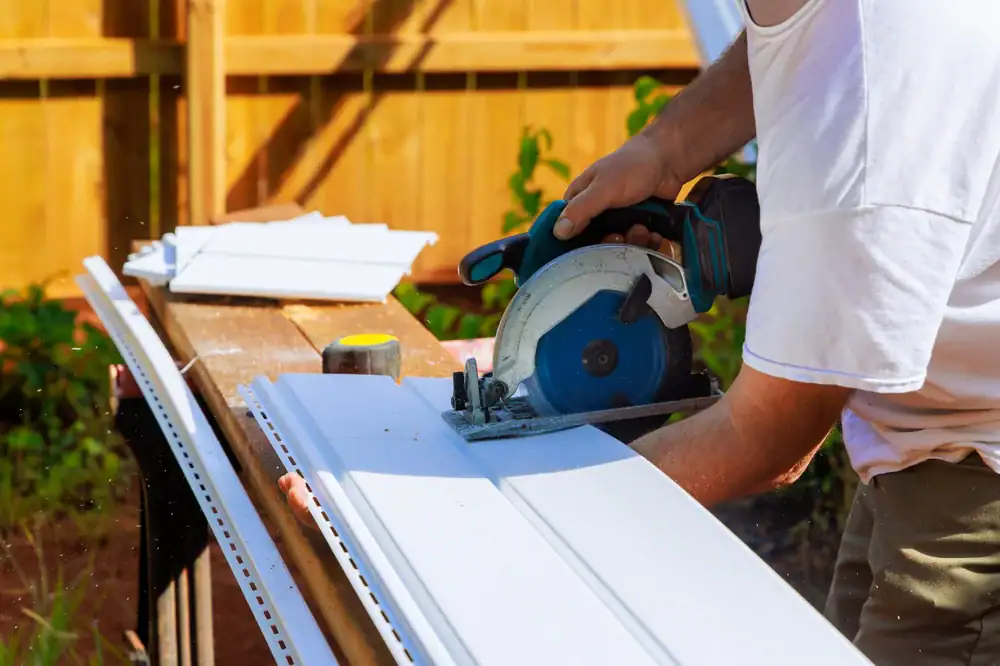
Most siding installations take one to two weeks depending on the size of your home and the material you’ve chosen. Fiber cement takes longer than vinyl because each board has to be cut and nailed individually—there’s no rushing that process.
Weather can add time, especially if we hit a stretch of rain or freezing temperatures. We won’t install siding in conditions that compromise the adhesive, caulking, or moisture barriers. That just creates problems down the road.
You’ll have access to your home the entire time, but expect noise during work hours and some disruption around windows and doors. We clean up at the end of each day so you’re not living in a construction zone after hours.