Hear from Our Customers
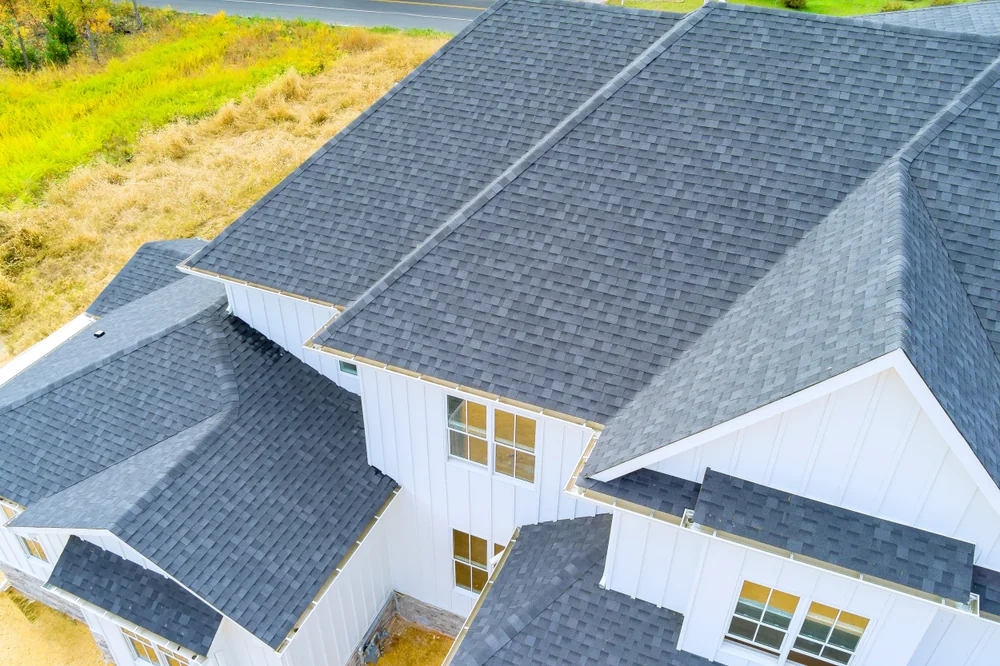
Your siding takes a beating. Freeze-thaw cycles crack it. Summer humidity warps it. Ice and snow test every seam. When it fails, you’re looking at water damage, skyrocketing energy bills, and an exterior that makes your home look tired.
Quality siding installation in Newton, NH means you stop worrying about what winter will do to your walls. Properly installed vinyl or fiber cement siding keeps moisture out, holds its color without fading, and cuts your heating costs by improving insulation. You’re not repainting every few years or patching cracks every spring.
Your home looks sharp. Your energy bills drop. And when you decide to sell, buyers see a well-maintained exterior that doesn’t need immediate work. That’s what happens when siding is done right the first time.
We work throughout Newton’s 13 villages, where Tudor, Colonial Revival, and Victorian homes need siding that matches their character while standing up to New England’s climate. We’re not a national chain sending different crews every time.
You get licensed installers who understand how Newton’s tree-lined streets and established neighborhoods require careful attention to aesthetics. We’ve worked on teardown rebuilds that need to fit in with century-old neighbors, and we’ve restored original siding details on historic properties.
When you call, you’re talking to people who’ve handled Newton’s specific challenges—from coastal salt air effects to the microclimates across different villages.
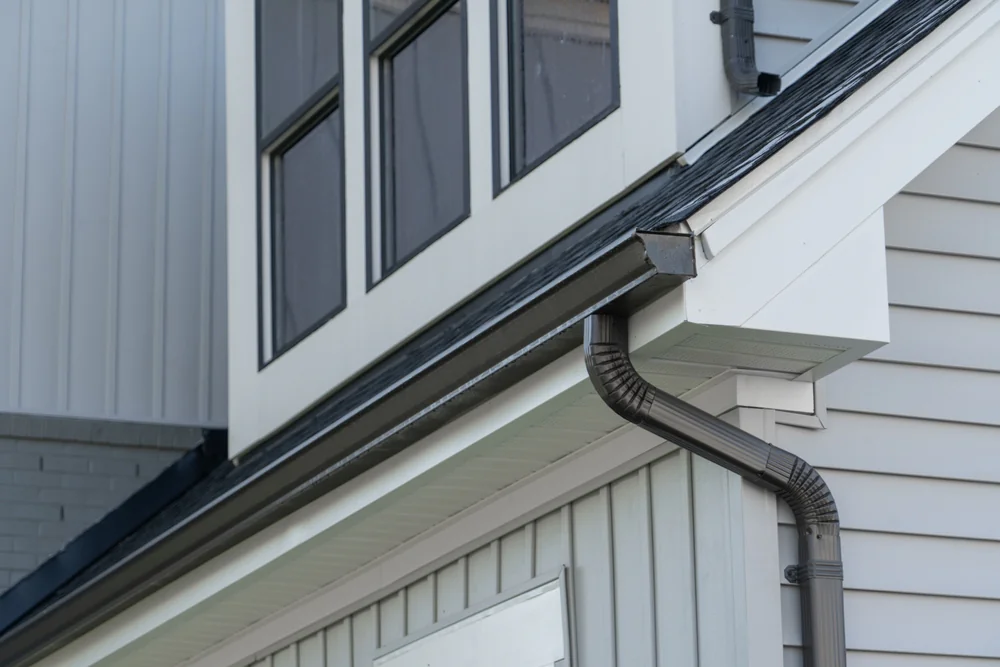
First, we come out and look at what you’re dealing with. We check for moisture damage behind existing siding, measure everything, and talk through material options that make sense for your home and budget. You get a written estimate with no pressure to sign immediately.
Once you’re ready to move forward, we schedule the work around your timeline. We remove old siding carefully, inspect and repair any sheathing or structural issues we find, then install your new siding with proper flashing and sealing at every seam and opening. Every corner, every window trim, every transition point gets attention.
We clean up daily and do a final walkthrough with you before we consider the job done. You’ll know how to maintain your new siding, what to watch for, and how to reach us if questions come up later.
Ready to get started?
You’re choosing from vinyl, fiber cement, wood, or composite materials—each with different maintenance requirements and lifespans. We walk through the real differences, not just the sales pitch. Vinyl offers the lowest maintenance and holds color well in Newton’s sun exposure. Fiber cement gives you the look of wood without the rot risk and performs well in our humidity.
We handle both residential siding services and commercial projects. That means everything from single-family homes in Newton Centre to multi-unit properties and small commercial buildings. The installation process doesn’t change—proper flashing, correct fastening, and attention to building envelope details matter regardless of building size.
Newton’s climate demands siding that handles temperature swings from below zero to summer heat. We use materials rated for New England weather and install them according to manufacturer specs that account for expansion, contraction, and moisture management. You’re not dealing with callbacks for buckling panels or water intrusion because we don’t take shortcuts during installation.

Most single-family homes in Newton take one to two weeks for complete siding replacement, depending on size and complexity. A straightforward ranch might be done in five to seven days. A larger Colonial or Tudor with multiple dormers, bay windows, and architectural details can stretch to two weeks or slightly longer.
Weather plays a role. We can’t install siding in heavy rain or when temperatures drop too low for materials to seal properly. If we hit a stretch of bad weather mid-project, we’ll secure everything and pause rather than rush through in poor conditions.
The timeline also depends on what we find when old siding comes off. If there’s rot in the sheathing or framing that needs repair, we handle it before new siding goes up. You’ll know about any additional work and costs before we proceed. We’d rather add a few days and do it right than cover up problems that’ll come back to bite you.
Vinyl costs less upfront and needs almost zero maintenance—no painting, no sealing, just occasional washing. It holds color well and handles Newton’s weather without rotting or attracting insects. The downside is it can crack in extreme cold if something hits it hard, and it doesn’t have the same substantial feel as other materials.
Fiber cement looks more like real wood and comes in textures that mimic cedar shakes or clapboard. It’s heavier, more impact-resistant, and holds paint longer than wood does. But it costs more to install, weighs more (which can matter on older homes), and needs repainting every 10-15 years depending on exposure and color choice.
For Newton homes, both work well. If you want the lowest maintenance and best cost-to-value ratio, vinyl makes sense. If you’re matching historic details or want that authentic wood appearance, fiber cement delivers. We’re not pushing one over the other—it depends on what matters more to you and how long you plan to stay in the house.
Vinyl siding installation typically runs $8,000 to $15,000 for an average-sized Newton home, depending on quality of material and how much trim work is involved. Fiber cement costs more—usually $15,000 to $25,000 for the same house because the material costs more and takes longer to install.
Those ranges assume straightforward installation on a home without major structural repairs needed. If we’re removing multiple layers of old siding, repairing rotted sheathing, or working around complex architectural details, costs go up. Same if you’re choosing premium materials or custom colors.
We give you a written estimate after seeing your actual house—not a phone quote based on square footage alone. Too many variables affect the real cost: number of windows and doors, height and accessibility, condition of what’s underneath, and whether you want upgraded trim or specialty materials. Free siding estimates let you see exactly what you’re paying for before committing to anything.
Yes, but how much depends on what you’re replacing and whether you add insulation during installation. If your current siding has gaps, cracks, or no house wrap underneath, you’re losing heated and cooled air. New siding with proper installation and a quality moisture barrier stops those leaks.
Insulated vinyl siding adds an extra R-value of 2.0 to 3.0 compared to standard vinyl’s 0.61. That’s not huge, but it’s noticeable on your heating bills during Newton’s cold months. Most homeowners see a 10-20% reduction in energy costs after siding replacement, though your actual savings depend on your home’s other insulation, window quality, and HVAC efficiency.
The bigger energy benefit comes from eliminating air infiltration. When we install new siding, we’re also adding or replacing house wrap, sealing around windows and doors, and making sure your building envelope is tight. That stops drafts and reduces the workload on your heating and cooling systems. You’ll feel the difference in comfort before you see it on your utility bills.
Vinyl and fiber cement both perform well in Newton’s climate for different reasons. Vinyl doesn’t absorb moisture, so freeze-thaw cycles don’t crack it the way they can with wood or fiber cement that wasn’t properly sealed. It expands and contracts with temperature changes, which is why proper installation with correct fastening matters—you need room for that movement.
Fiber cement handles moisture well if it’s installed correctly with proper clearance from ground contact and adequate flashing. It won’t rot like wood, doesn’t attract insects, and holds paint longer. The weight actually helps in high winds, and it won’t melt if reflected sunlight from Low-E windows hits it (which can happen with vinyl in specific situations).
Wood siding looks beautiful but demands maintenance in our climate. You’re repainting or staining every five to seven years, checking for rot, and dealing with insect damage. Cedar holds up better than pine, but it still requires attention. If you’re willing to maintain it, wood can last decades. If you want to install it and forget about it, vinyl or fiber cement makes more sense for New England conditions.
We handle both. Sometimes you don’t need to replace everything—maybe storm damage hit one section, or you’ve got rot isolated to a specific wall that takes weather harder than the rest. We’ll assess what actually needs work and give you options.
Repairs make sense when damage is localized and your existing siding is in good shape otherwise. We can match materials and colors on most vinyl and fiber cement products, though exact matches get harder as siding ages and discontinues. If your siding is 20+ years old and showing wear in multiple areas, replacement often makes more financial sense than patching problems that’ll keep appearing.
We’re honest about which approach serves you better. If repairs will get you another five to ten years before full replacement is needed, we’ll tell you that. If we’re looking at a situation where you’ll be calling us back repeatedly for new problems, we’ll recommend replacement and explain why. You make the call based on your budget and plans for the house—we just make sure you have the real information to decide.