Hear from Our Customers

You’re tired of repainting every few years. You’ve noticed the energy bills creeping up each winter. Maybe you’ve already spotted the rot starting under the old clapboards.
New siding installation in Newington, NH isn’t just about looks. It’s about ending the maintenance cycle and actually protecting what you’ve built.
Insulated vinyl siding bumps your wall’s R-value from basically nothing to between 2.0 and 3.0. That means your furnace runs less and your second floor stays comfortable in July. Fiber cement siding like James Hardie handles wind up to 130 mph and won’t ignite if your neighbor’s grill gets out of hand. It’s Class A fire-rated and built for coastal humidity.
You’ll wash it once or twice a year. That’s it. No scraping, no priming, no weekends lost to maintenance you didn’t sign up for.
And when you sell? Siding replacement recoups around 80% of the cost. Buyers see new siding and think “one less thing to worry about.” That’s worth something.
We’ve handled hundreds of siding jobs across Rockingham County. We’re an Owens Corning Preferred Contractor, which means we’ve met their standards for installation quality and customer service. That’s not marketing language—it’s a requirement they enforce.
Newington homes sit right on the water. You deal with salt air, nor’easters, and humidity that vinyl from 1987 wasn’t designed to handle. We spec materials that match the climate, not just the budget.
Most of our work comes from referrals. People see the job we did on their neighbor’s colonial and they call. That’s how it should work.
First, we come out and look at what you’ve got. We check for rot, measure everything, and talk through your options—vinyl, fiber cement, insulated panels. You’ll get a written estimate that breaks down materials, labor, and timeline.
Once you’re ready to move forward, we pull permits and order materials. Most siding jobs in Newington take one to two weeks depending on the size of your home and how much trim work is involved.
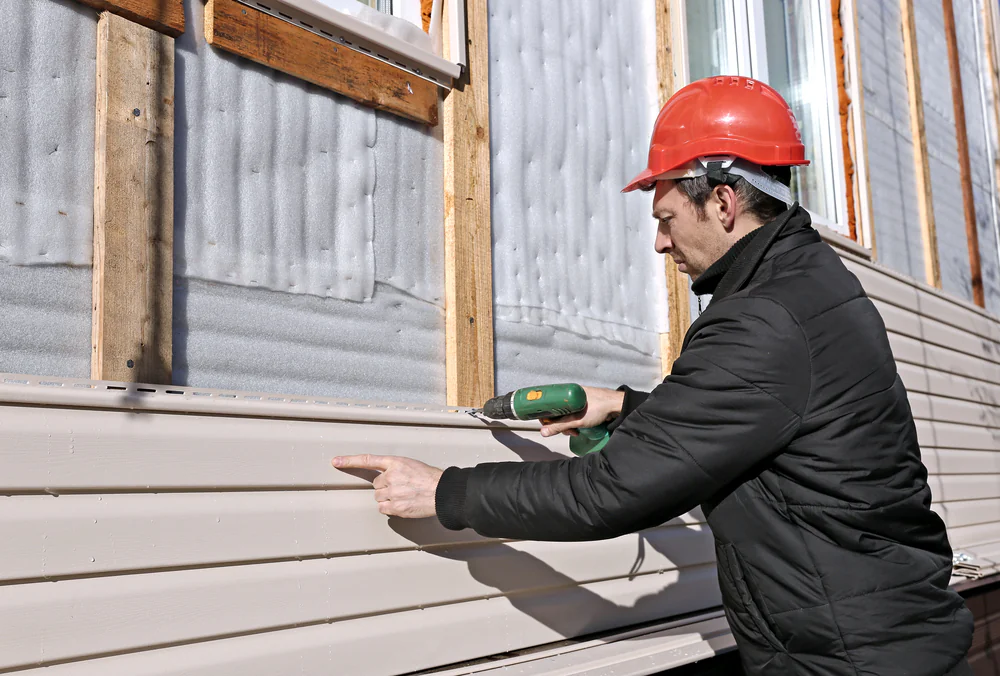
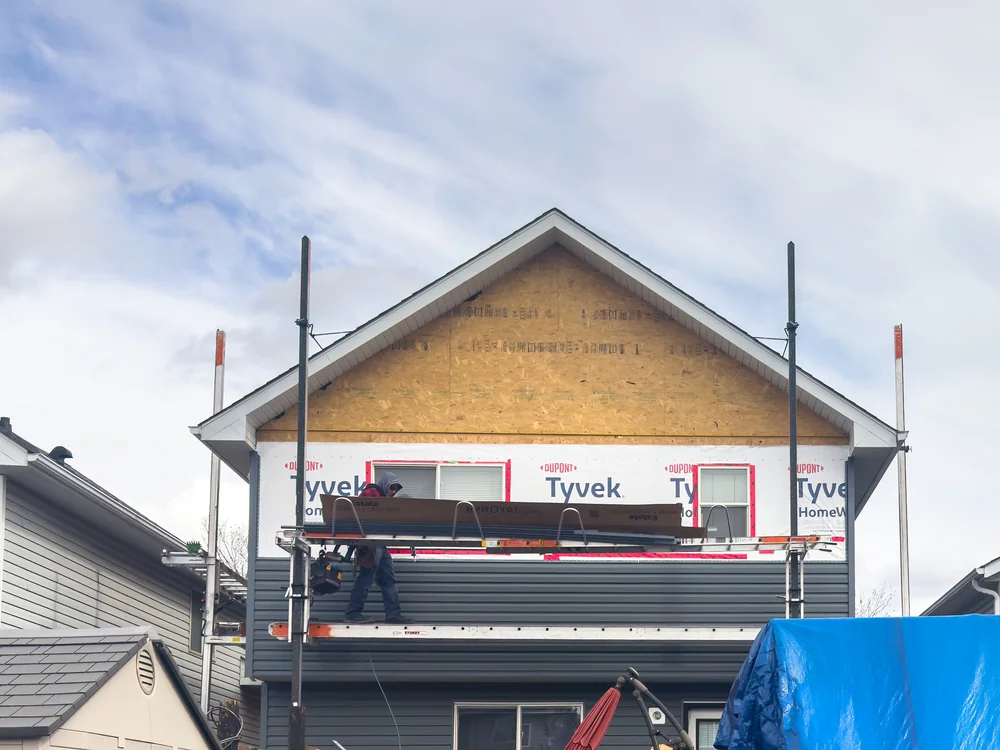
We strip off the old siding, inspect and repair the sheathing if needed, then install house wrap as a weather barrier. This step matters more than most people realize—it stops moisture from getting into your walls and gives your HVAC system a fighting chance. Then we install the new siding, starting from the bottom and working up, making sure every piece is level and properly fastened.
Trim, corners, and flashing get installed last. We clean up daily and haul everything away when we’re done. You’re left with a house that looks completely different and performs better than it has in years.
Ready to get started?
A complete siding installation in Newington, NH includes more than just the panels. You’re getting house wrap that seals out wind and moisture. You’re getting new trim around windows and doors. You’re getting properly flashed corners so water doesn’t sneak behind the siding.
If you go with James Hardie fiber cement, you’re looking at material that lasts 50-plus years when it’s installed right. It won’t warp in the sun or crack in the cold. It holds paint longer than wood and doesn’t attract insects. The cost difference between Hardie and premium vinyl is about 15%, but the resale value difference averages $2,000 in your favor.
Vinyl siding installation in Newington, NH is faster and costs less upfront. Insulated vinyl adds impact resistance and sound control on top of the energy savings. It’s a solid choice if you want low maintenance and good performance without the premium price tag.
Rockingham County has the highest median home values in New Hampshire at $600,000. Your siding should reflect that. It’s one of the first things people see, and it’s doing real work every day—blocking wind, shedding water, keeping your insulation dry.
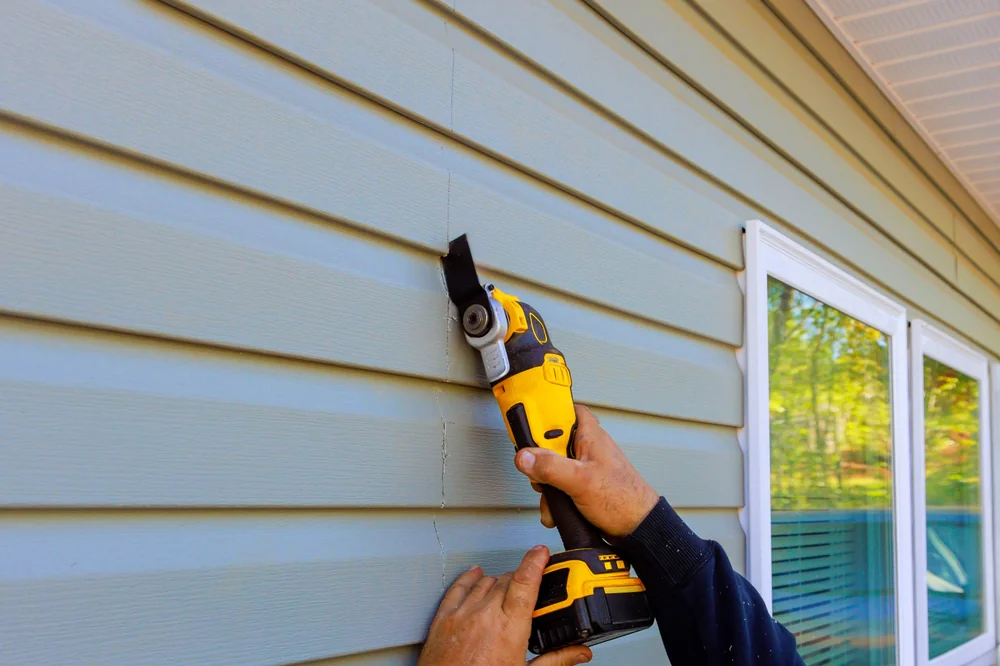
Fiber cement siding costs about 15% more than high-quality vinyl when you factor in materials and installation. For an average home in Newington, that’s a difference of a few hundred dollars, not thousands.
The bigger difference shows up over time. Fiber cement like James Hardie lasts 50-plus years with minimal maintenance. Vinyl typically lasts 20 to 40 years depending on the quality. Hardie also holds paint longer—you’re looking at repainting every 10 to 15 years instead of every 5 to 7 with wood.
When you sell, fiber cement adds an average of $2,000 more to your resale value compared to vinyl. Buyers see it as a premium material, and appraisers recognize the durability. If you’re planning to stay in your home long-term or you want the best weather resistance available, the small upfront difference pays off.
Yes. House wrap is a weather-resistive barrier that goes on before the siding. It blocks wind and moisture from getting into your wall cavities, which is where rot and mold start.
New England homes deal with driving rain, snow that melts and refreezes, and humidity that sits in your walls all summer. Siding alone isn’t enough—it’s the first line of defense, but it’s not airtight. House wrap stops water that gets past the siding from soaking your sheathing and insulation.
It also improves energy efficiency. Proper house wrap reduces air leakage, which means your heating and cooling systems don’t have to work as hard. Skipping this step to save a few hundred dollars is a mistake. You’ll pay for it later in higher energy bills and potential water damage that costs thousands to fix.
Most siding jobs take one to two weeks from start to finish. Smaller homes or simple ranch styles might be done in a week. Larger colonials with lots of trim, corners, and architectural details can take closer to two weeks.
Weather plays a role. We can’t install siding in heavy rain or when temperatures drop below freezing, so late fall and winter jobs sometimes take longer due to delays. Spring and summer are the busiest seasons, but they’re also the most predictable for scheduling.
The process includes stripping the old siding, inspecting and repairing sheathing, installing house wrap, putting up the new siding, and finishing all the trim work. We clean up at the end of each day and remove all debris when the job is complete. You’ll know the timeline upfront, and we’ll keep you updated if anything changes.
James Hardie fiber cement requires almost no maintenance. You wash it once or twice a year with a garden hose to remove dirt and pollen. Every 10 to 15 years, you’ll need to repaint or restain it to keep it looking fresh. You’ll also want to check the caulking around windows and doors periodically and touch it up if needed.
Vinyl siding is even lower maintenance. You wash it the same way, but you never have to paint it. The color goes all the way through the material, so scratches and dings are less noticeable. The tradeoff is that vinyl can fade over time, especially darker colors in direct sun.
Both materials handle New England weather well. Hardie is more impact-resistant—it won’t dent if a branch hits it or a baseball goes wide. Vinyl can crack in extreme cold if something hits it hard enough, but quality vinyl is engineered to handle temperature swings. Either way, you’re looking at decades of performance with minimal upkeep.
Yes, especially if you choose insulated vinyl siding. Standard siding has an R-value around 0.61, which does almost nothing for insulation. Insulated vinyl siding increases that to between 2.0 and 3.0, which makes a noticeable difference in how much your heating and cooling systems have to run.
Homeowners consistently report lower utility bills after upgrading to insulated siding. The foam backing reduces thermal bridging through the studs and creates a more consistent temperature inside your home. You’ll feel it most in rooms that used to be drafty or hard to heat.
Fiber cement doesn’t add insulation on its own, but when it’s installed with proper house wrap and your walls are insulated correctly, it creates a tighter building envelope. That means less air leakage and better overall efficiency. The real savings come from stopping wind and moisture from getting into your walls, which keeps your insulation dry and effective. Wet insulation doesn’t work—it just sits there doing nothing while your furnace runs overtime.
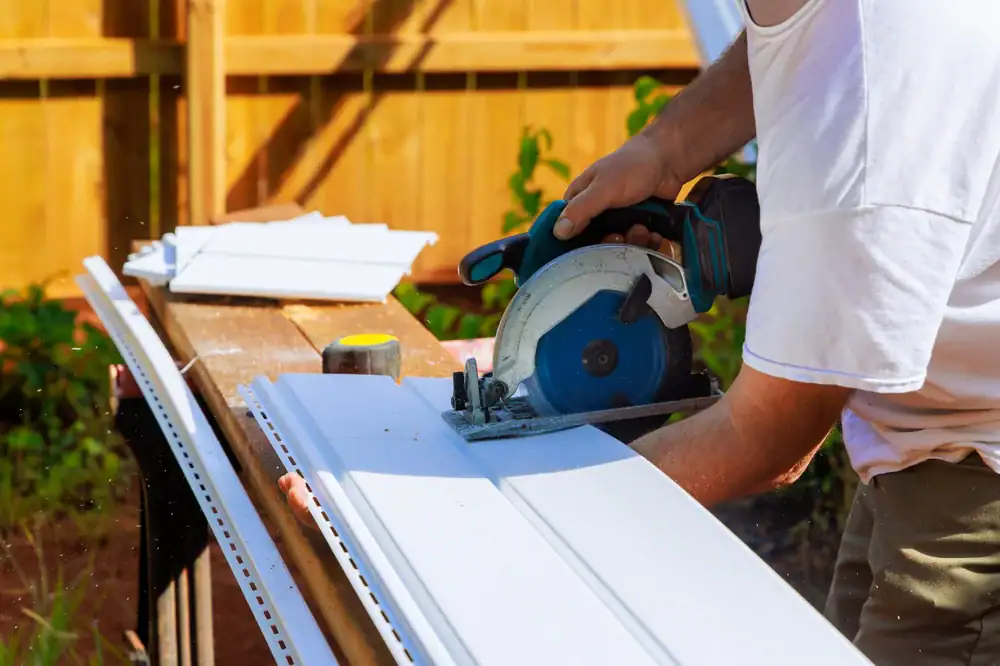
Hire a contractor. Siding installation looks straightforward, but there are dozens of ways to mess it up—and most of them lead to water damage you won’t see until it’s expensive to fix.
Proper installation requires getting the starter strip level, maintaining consistent spacing, flashing every seam and penetration, and making sure the siding can expand and contract with temperature changes. If you nail it too tight, it buckles. If you don’t overlap the pieces correctly, water gets in. If you skip the house wrap or install it wrong, you’ve just trapped moisture inside your walls.
James Hardie installation is even more technical. It requires specific tools, fasteners, and techniques that aren’t intuitive. If you install it wrong, you void the warranty. Most manufacturers require certified installers for that reason.
A professional crew finishes in a week or two. A DIY job takes months of weekends, and you’re learning as you go. The cost difference isn’t worth the risk. You’re protecting a $600,000-plus home in a market where quality matters. Do it once, do it right, and move on with your life.