Hear from Our Customers
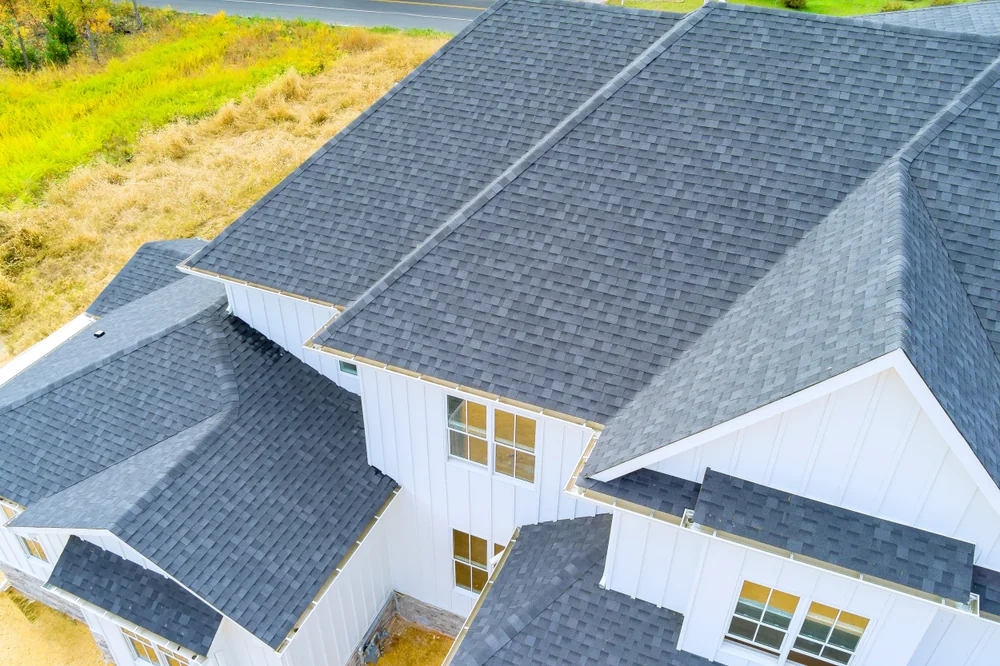
Your heating bill shouldn’t spike every winter because your siding can’t keep air where it belongs. When siding fails in Newington, NH, you’re not just looking at curb appeal issues—you’re watching your HVAC system work overtime while moisture sneaks behind your walls.
Modern siding installation fixes that. Properly installed fiber cement or insulated vinyl creates an actual thermal barrier. Your furnace runs less. Your rooms feel comfortable instead of drafty. And you’re not repainting or replacing boards every few years because the material was never meant for this climate.
The difference shows up in your utility bills within the first winter. But it also shows up in your home’s value—new siding typically adds 5-10% to resale price. That’s not marketing talk. That’s what buyers pay for homes that look maintained and won’t need immediate exterior work.
We’re not new to New England weather. We’ve spent over a decade installing siding that actually holds up in Newington, NH and throughout the seacoast region. We’re an Owens Corning Preferred Contractor, which means we meet their standards for installation quality and customer service—not just once, but consistently.
Newington homes face specific challenges. You’re close enough to the coast for salt air. You get lake-effect snow. Your freeze-thaw cycles are relentless. We account for all of it during installation because we’ve seen what happens when contractors don’t.
Our crews aren’t subcontractors we found last week. They’re trained installers who understand proper flashing, moisture barriers, and ventilation. You’ll get supervision throughout your project, not just a crew showing up and disappearing.
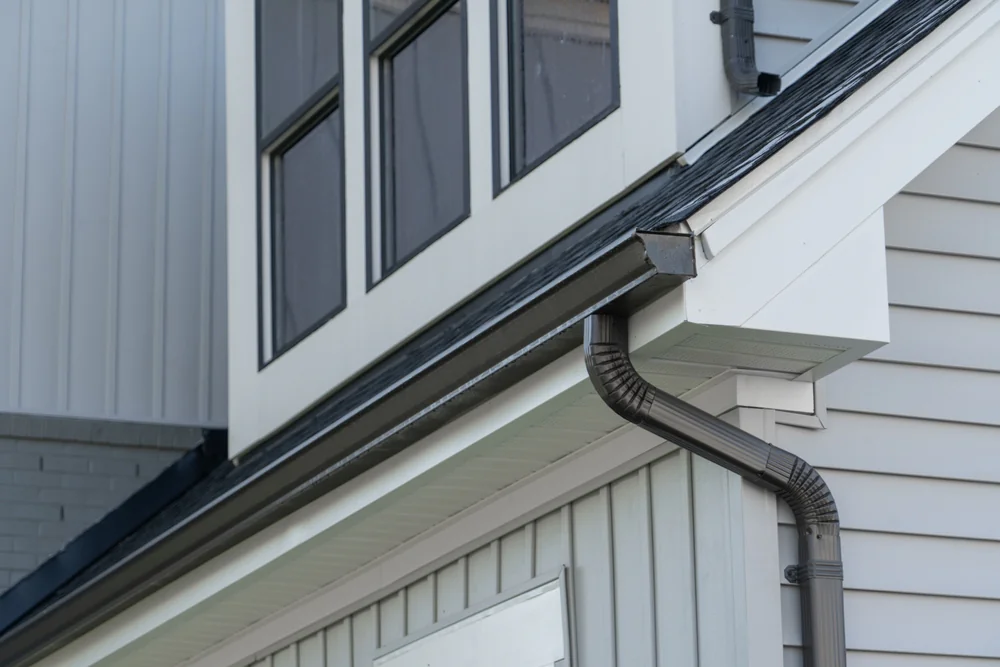
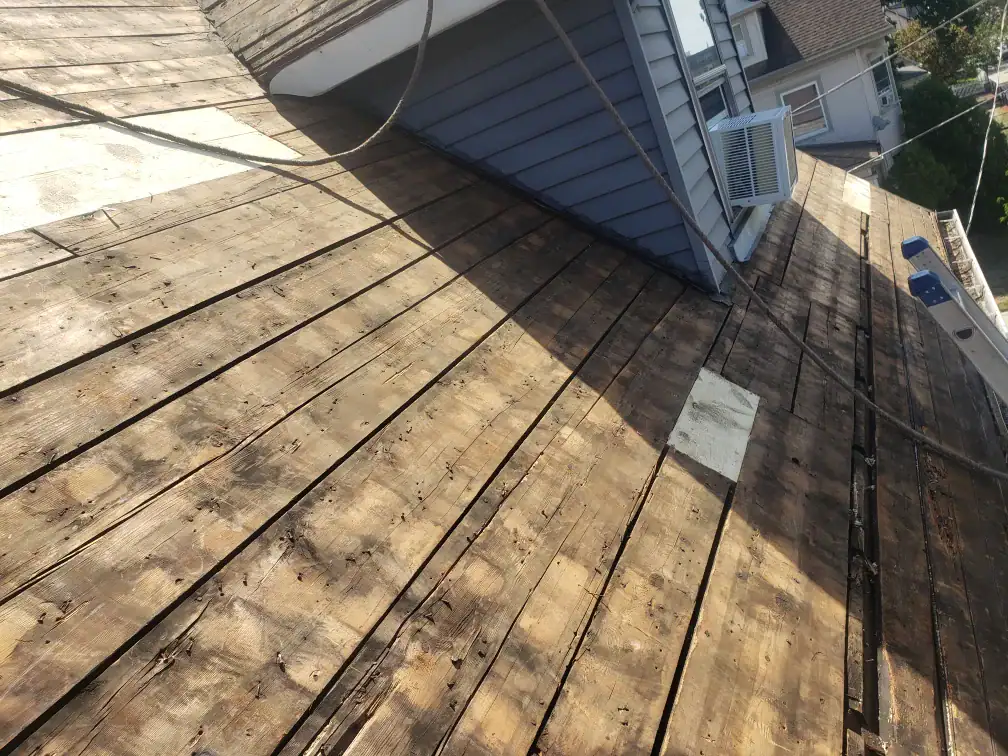
First, we inspect your current siding and underlying structure. We’re looking for rot, moisture damage, and insulation issues—problems that need fixing before new siding goes up. If we find something, you’ll know before we start, not halfway through the job.
Next, we remove old siding and address whatever we found. This might mean replacing sheathing, adding moisture barriers, or fixing trim. It’s not the exciting part, but it’s why your new siding will last 30+ years instead of needing repairs in five.
Then we install your new siding with proper overlap, flashing around windows and doors, and ventilation where your home needs it. We’re not racing to finish. We’re making sure water can’t get behind your siding and that every seam is sealed correctly.
You’ll see us clean up daily and protect your landscaping. When we’re done, you get a final walkthrough to confirm everything meets your expectations. Then we handle the warranty paperwork and you’re set.
Ready to get started?
You’re getting siding rated for New Hampshire’s climate. That means materials tested for freeze-thaw cycles, wind resistance, and impact from ice and debris. Vinyl siding here needs to be thicker than what works in Virginia. Fiber cement needs proper clearance from grade and correct fastening for expansion.
In Newington, NH, you’re also getting installation that accounts for coastal moisture. We use corrosion-resistant fasteners. We install proper drainage planes behind siding. We flash every penetration—outlets, vents, fixtures—so water can’t wick into your walls.
For commercial properties, we coordinate around your business hours and handle larger-scale projects that need staging, lifts, and sometimes multiple crews. The process is similar, but we’re managing logistics so your customers and tenants aren’t disrupted more than necessary.
Every project includes free estimates, material selection guidance, and warranty information for both labor and materials. You’ll know the cost upfront. No surprises halfway through when we “discover” something we should have caught during the estimate.

Most residential siding jobs take one to two weeks depending on your home’s size and what we find when we remove old siding. A typical single-family home runs 7-10 days from start to cleanup.
Weather affects timing here more than in other regions. We can’t install siding in freezing temperatures or during heavy rain—the materials won’t seal correctly and you’ll have problems later. If we’re scheduled and weather doesn’t cooperate, we’ll reschedule rather than rush a job that won’t last.
Commercial projects take longer because of building size and coordination requirements. A small office building might take three weeks. Larger commercial properties can run 4-6 weeks depending on scope. We’ll give you a realistic timeline during the estimate based on your specific building and schedule needs.
Fiber cement and insulated vinyl both perform well here, but for different reasons. Fiber cement handles freeze-thaw cycles without cracking, doesn’t rot, and holds paint for 15+ years. It’s heavier and costs more upfront, but it’s nearly indestructible in New Hampshire weather.
Insulated vinyl costs less, installs faster, and significantly improves your home’s energy efficiency. Quality vinyl won’t crack in cold or warp in summer heat. You’ll never paint it. The insulation backing reduces thermal bridging through studs, which is where a lot of heat loss happens.
Wood siding looks beautiful but requires maintenance in this climate. You’re repainting or restaining every 5-7 years, and you need to watch for moisture issues constantly. Some Newington homeowners choose it for historical accuracy or aesthetics, but you’re committing to upkeep. We install all three—the right choice depends on your budget, maintenance tolerance, and how long you’re planning to stay in the home.
Yes, but how much depends on what you’re replacing and what you’re installing. If your current siding has no insulation value and air leaks around seams, upgrading to insulated vinyl can cut heat loss through walls by 20-30%. That typically translates to 10-15% lower heating costs.
Fiber cement doesn’t insulate as well as insulated vinyl, but proper installation with housewrap and sealed seams still reduces air infiltration. You’ll see smaller savings—usually 5-10% on heating bills—but the durability often makes up for it over the siding’s lifetime.
The biggest energy improvements come when we’re replacing very old siding or fixing homes where the original installation was poor. If you’ve got gaps around windows, missing moisture barriers, or siding that’s pulling away from the house, new installation makes a dramatic difference. Your HVAC system won’t cycle as often, rooms feel more consistent, and you’ll notice the change within the first winter.
If damage is limited to one section—maybe storm impact or a specific area with rot—repair makes sense. We can match existing siding in most cases and fix the problem for a fraction of replacement cost.
Full replacement makes more sense when you’ve got widespread issues. Fading across the entire house, multiple areas with cracks or warping, or siding that’s 20+ years old and showing age everywhere. At that point, you’re better off replacing everything than paying for repairs every few years.
Here’s the practical test: if repair costs are approaching 30-40% of replacement cost, replacement gives you better value. You’ll get new warranty coverage, consistent appearance, and you won’t be back in the same situation in three years. During your free estimate, we’ll walk your property and give you honest feedback about whether repair makes sense or if you’re throwing money at a larger problem.
Yes. We work on commercial properties including office buildings, retail spaces, and multi-family housing. The process is similar to residential work, but we’re coordinating around business operations and handling larger square footage.
We manage logistics differently for commercial projects. We schedule work to minimize disruption—sometimes that means evening or weekend installation. We coordinate with property managers about access, parking, and tenant communication. And we handle required permits and inspections for commercial projects.
Material choices for commercial buildings often prioritize durability and maintenance costs over aesthetics. Fiber cement is popular because it’s virtually maintenance-free and handles impact well in high-traffic areas. We’ll review options based on your building type, budget, and whether you need specific fire ratings or other code requirements. The estimate process includes site assessment and a realistic timeline based on your property’s needs.
Vinyl siding installation typically runs $8,000-$15,000 for an average single-family home. Fiber cement costs more—usually $15,000-$25,000 for the same house. Those ranges include removal of old siding, any necessary repairs to sheathing, and complete installation with trim.
Your actual cost depends on home size, material choice, and what we find during removal. If there’s extensive rot or structural issues, repair costs add to the total. Complex architecture with lots of corners, peaks, and detail work also increases labor time.
We provide free siding estimates that break down material and labor costs. You’ll see exactly what you’re paying for before we start. Commercial projects vary widely based on building size and scope—we’ll need to assess your property to give you accurate numbers. What matters more than the initial price is the cost over time. Cheap installation fails in New England weather. You’ll spend more on repairs and early replacement than you saved upfront.