Hear from Our Customers

You’re dealing with rising energy costs while your current siding lets cold air seep through every winter. That’s money leaving your house—literally. Quality siding installation in Milford, NH changes that equation fast.
Energy-efficient siding helps regulate your indoor temperature year-round, which means your furnace and AC aren’t working overtime. Most homes see a 15-20% reduction in energy expenses annually after upgrading. That’s real money back in your pocket, not marketing talk.
Beyond the bills, you get actual weather protection. New Hampshire throws everything at your exterior—freezing temps, ice storms, humidity swings, and brutal sun. Fiber cement siding cost might seem higher upfront, but it’s engineered specifically for our HZ5 climate zone. It won’t warp when temperatures swing 60 degrees in a week, and it won’t crack when ice builds up along your walls.
Your home also gains value. Upgrading to quality materials can boost resale value by up to 78% of installation cost. But more importantly, you stop worrying every time a storm rolls through.
We operate with a BuildZoom score of 105, ranking in the top 8% of over 139,000 Massachusetts licensed contractors. We hold MA HIC License #195972 and maintain full insurance coverage because protecting your investment matters.
We’ve spent years installing siding across Southern New Hampshire, which means we understand what Milford homes face. Your property deals with specific weather patterns, moisture issues, and temperature extremes that require the right materials and proper installation techniques.
Our status as an Owens Corning Preferred Contractor isn’t just a badge—it means we meet strict standards for installation quality and customer service. We’re also James Hardie installers who know how to work with fiber cement properly, from house wrapping to final trim details. When we say we don’t cut corners even if it costs more, that’s not a slogan. It’s how we operate on every job.
First, we inspect your current exterior to identify any moisture damage, structural issues, or problem areas that need addressing before new siding goes up. Skipping this step causes problems later—we don’t skip it.
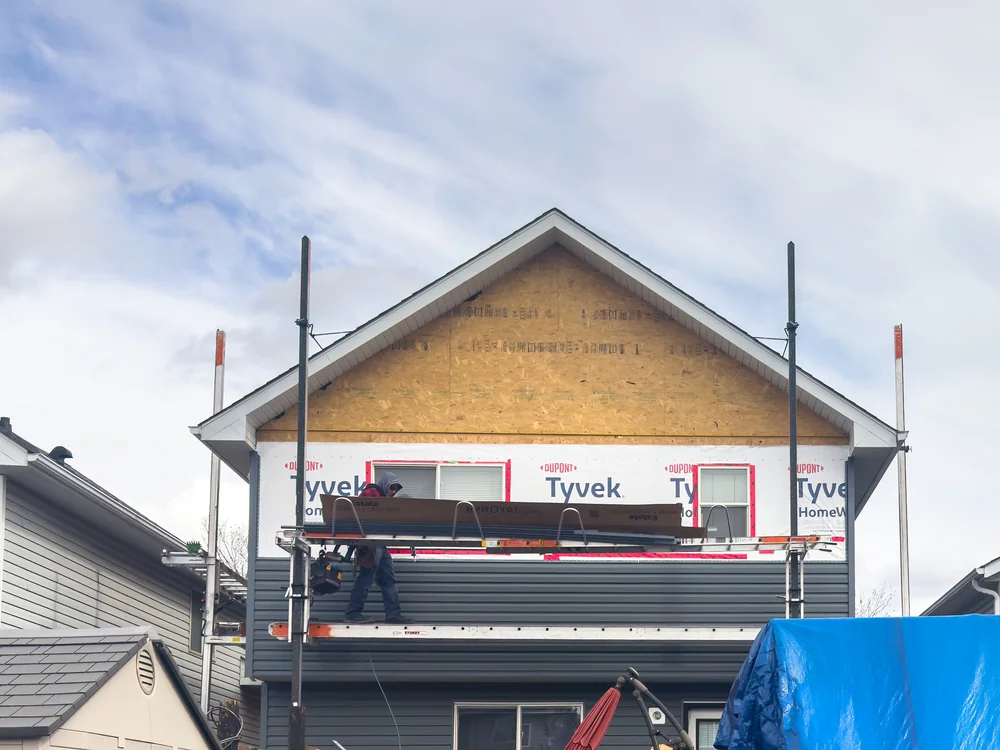
Next comes proper house wrapping in Milford, NH. This moisture barrier prevents rain and humidity from penetrating your wall assembly while minimizing air infiltration. It’s the difference between siding that protects and siding that just looks good for a few years.
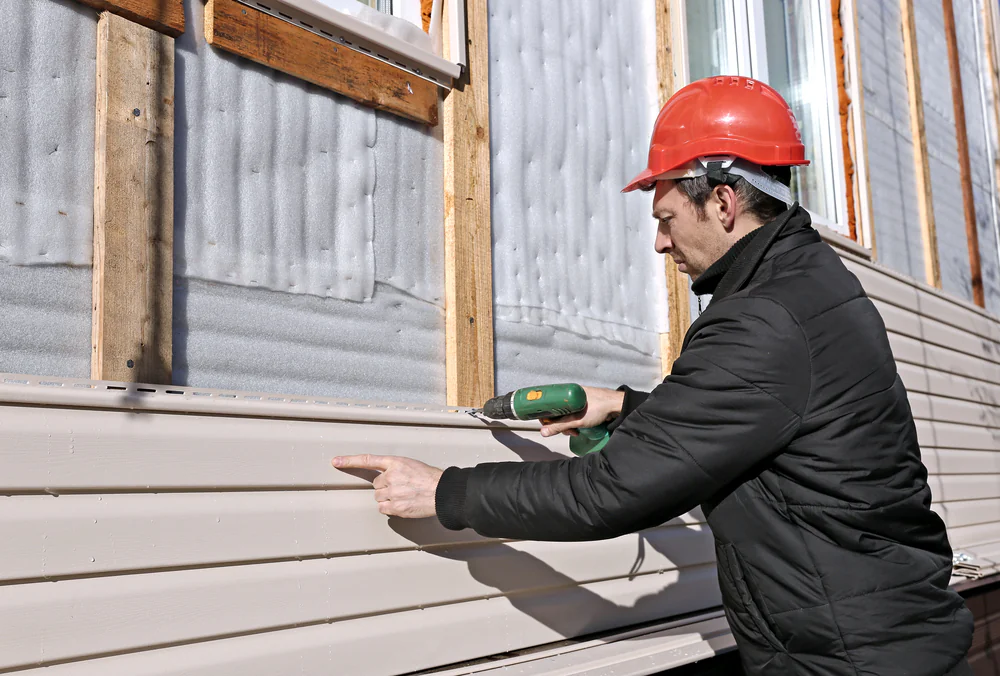
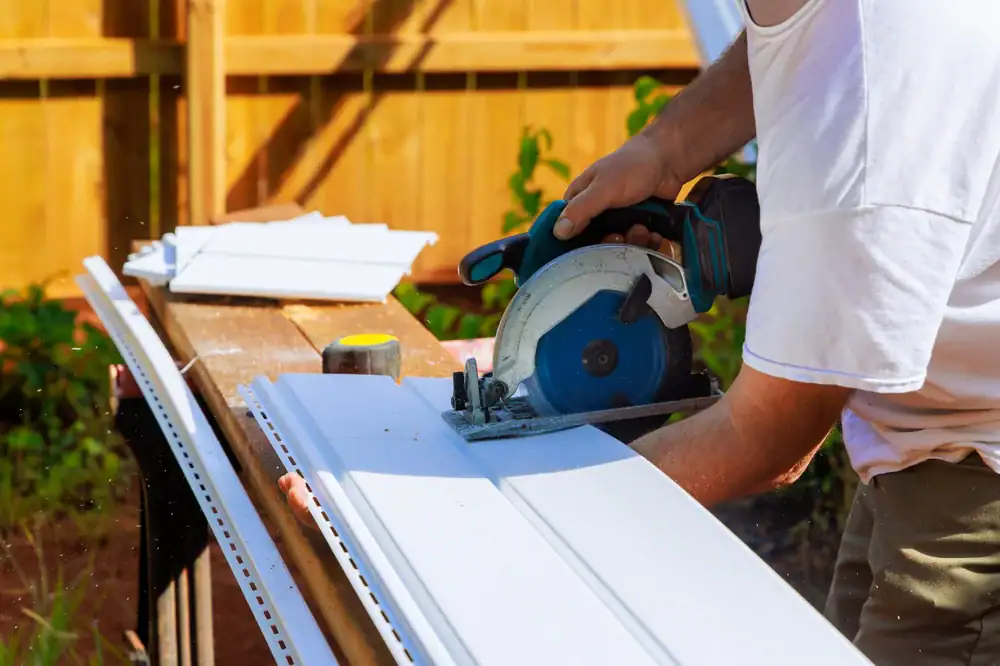
Then we install your chosen material—whether that’s vinyl siding installation in Milford, NH or fiber cement—using manufacturer-specified techniques. Proper fastening, correct spacing, and attention to expansion gaps matter in our climate. Panels need room to move when temperatures shift, or they’ll buckle and crack.
We handle all trim work, flashing around windows and doors, and final details that keep water flowing away from your home instead of behind your walls. The job isn’t done until everything’s sealed, inspected, and ready to handle whatever weather comes next.
You get a walkthrough at completion so you understand what was done and how to maintain your investment. Most fiber cement siding comes with a 30-year warranty, but only if it’s installed correctly from the start.
Ready to get started?
Full siding replacement for standard Milford, NH homes typically runs between $5,000-$15,000 depending on material choice, home size, and current condition. That’s not a small investment, so you should know exactly what it includes.
You get climate-specific materials engineered for New England. James Hardie’s HardieZone HZ5 product line is designed for regions with freezing temperatures, extreme seasonal swings, and snow and ice. This isn’t the same siding sold in Arizona—it’s formulated to expand and contract properly in our conditions.
Fiber cement siding cost in Milford, NH reflects superior durability. This material won’t ignite when exposed to direct flame, which earns it a Class-A fire rating. Some insurance providers offer discounts for that level of protection. It also resists woodpeckers, termites, and other pests that damage traditional wood siding.
The installation includes proper moisture barriers, correct fastening systems, and attention to thermal movement. Vinyl siding installation in Milford, NH costs less upfront but requires different techniques—panels need specific nailing patterns and expansion gaps or they’ll warp during temperature swings.
You’re also paying for practically maintenance-free exteriors. Unlike wood that needs repainting every few years or vinyl that cracks and needs replacement panels, quality fiber cement holds up with minimal care. That’s fewer headaches and lower long-term costs, even if the initial fiber cement siding cost seems higher.
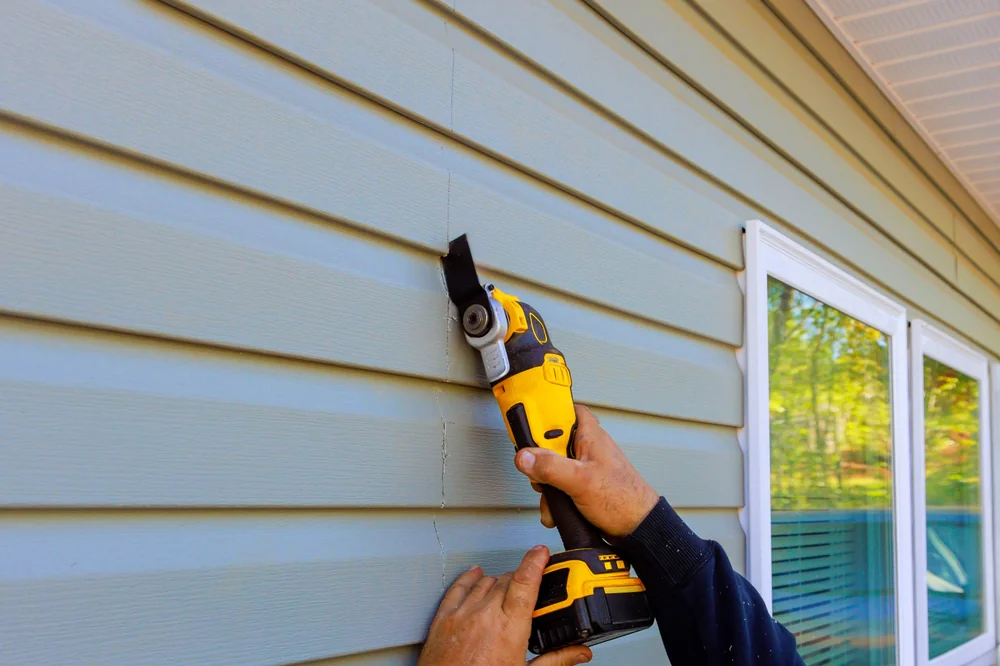
Most complete siding installations in Milford, NH take 5-10 days depending on your home’s size, current condition, and material choice. A standard single-family home usually wraps up in about a week.
That timeline includes removing old siding, addressing any moisture damage or structural issues we find, installing house wrapping, putting up new siding, and completing all trim work. Weather can extend the schedule—we don’t install in heavy rain or when temperatures drop too low for proper material handling.
Fiber cement takes slightly longer than vinyl because it requires different cutting and fastening techniques. But rushing the job to save a day creates problems that last years. Proper installation means taking the time to do flashing correctly, ensure proper spacing, and verify everything’s sealed before we leave.
Vinyl costs less upfront but has limitations in New Hampshire’s climate. It can crack in extreme cold, warp during heat waves, and fade over time from UV exposure. It’s also more susceptible to impact damage—a hard hailstorm or flying debris can crack panels that need replacement.
Fiber cement handles temperature extremes without warping or cracking. It’s engineered to withstand the freeze-thaw cycles we get in Milford, NH where temps can swing dramatically. It won’t melt, ignite, or degrade from sun exposure, and it holds paint far longer than vinyl holds its color.
The fiber cement siding cost in Milford, NH runs higher initially, but you’re looking at 30+ years of service versus 15-20 for vinyl. It also adds more resale value—buyers recognize the quality difference. If you’re planning to stay in your home long-term or want maximum durability, fiber cement makes sense. If budget is the primary concern and you’re okay with more maintenance down the road, vinyl works.
Yes, and any contractor who suggests skipping it is setting you up for moisture problems. House wrapping in Milford, NH creates a critical barrier between your wall sheathing and the siding.
It prevents rain and humidity from penetrating your wall assembly while allowing water vapor to escape from inside your home. Without it, moisture gets trapped behind your siding where it causes rot, mold, and structural damage you won’t see until it’s extensive and expensive.
House wrapping also improves energy efficiency by reducing air infiltration. Those drafts you feel in winter? Proper wrapping minimizes them, which means your heating system works less and your energy bills drop. The material cost is minimal compared to the protection it provides, and it’s required by most siding manufacturers to maintain warranty coverage. Skipping it voids your warranty and risks your investment.
Most Milford, NH homes see a 15-20% reduction in annual energy expenses after upgrading to energy-efficient siding with proper insulation and house wrapping. That typically translates to $300-$600 per year depending on your home’s size and current efficiency.
The savings come from better temperature regulation. Quality siding installation in Milford, NH includes moisture barriers that also block air infiltration, so conditioned air stays inside instead of leaking through gaps and cracks. Your furnace and AC don’t cycle on and off as frequently, which reduces wear and energy consumption.
Insulated siding options add even more value. They include a foam backing that increases your wall’s R-value, providing better thermal resistance. In New England’s climate where we heat for six months and cool for three, that consistent temperature control adds up fast. The exact savings depend on your current siding condition, home insulation levels, and energy costs, but the improvement is measurable and immediate.
Fiber cement is practically maintenance-free compared to wood or vinyl. You’ll want to rinse it with a garden hose once or twice a year to remove dirt and pollen, and check caulking around windows and doors every few years to ensure seals remain intact.
We recommend inspecting your siding annually for any damage from impacts or extreme weather. Look for cracks, chips, or areas where caulk has deteriorated. Catching small issues early prevents water infiltration and bigger problems.
Repainting isn’t necessary for 15-20 years with factory-finished fiber cement, and even then it’s optional if the color still looks good. Compare that to wood siding that needs repainting every 5-7 years or vinyl that fades and can’t be repainted at all. You’re not dealing with rot, warping, or pest damage either. The new siding benefits in Milford, NH include getting your weekends back instead of spending them on exterior maintenance.
Several signs indicate you’re past the repair stage and need full replacement. Panels that appear uneven, bowed, or warped usually mean trapped moisture or failing fasteners underneath. Dark streaks or patches signal moisture infiltration that spreads quickly if not addressed.
Check for rotting wood, especially around windows, doors, and corners where water tends to collect. If you can push a screwdriver into the siding or sheathing easily, rot has compromised the structure. Cracking, holes, or missing pieces are obvious problems, but also look for fading or color inconsistency—that indicates the material is breaking down from UV exposure.
Inside your home, water stains on walls or ceilings near exterior walls, peeling paint, or musty odors suggest moisture is getting through your siding. Rising energy bills without explanation often mean air is leaking through deteriorated exterior materials. If you’re seeing multiple issues or your siding is over 20 years old, replacement makes more sense than patching problems that will keep appearing. A proper inspection identifies exactly what you’re dealing with and whether repair or replacement is the right call.