Hear from Our Customers
You’ve seen what happens when a small leak turns into ceiling stains, ruined insulation, or worse. New Hampshire throws everything at your roof—ice dams in January, wind-driven rain in April, summer storms that come out of nowhere. Between 1980 and 2024, the state saw 21 billion-dollar weather disasters. Your roof takes the hit every single time.
A solid repair means you’re not scrambling for buckets when the forecast turns ugly. It means your attic stays dry, your energy bills don’t spike from drafts, and you’re not explaining water damage to your insurance company. You get to stop thinking about your roof and start trusting it again.
That’s what matters. Not a patch job that buys you six months. A real fix that protects your home and keeps your family comfortable, no matter what the weather does next.
We’re not new to this. We’ve been handling roof repairs and home restoration across Southern New Hampshire for over a decade, and we’ve earned our Owens Corning Preferred Contractor status by meeting strict standards on every job.
We’re licensed, fully insured, and we don’t cut corners—even when it costs us more. Milford homeowners deal with temperature swings that crack shingles, ice that backs up under eaves, and storms that rip off what’s already worn. We’ve seen it all, fixed it all, and we know exactly what holds up in this climate.
You’re not getting a sales pitch. You’re getting straight answers from people who’ve done this work long enough to know what actually matters.

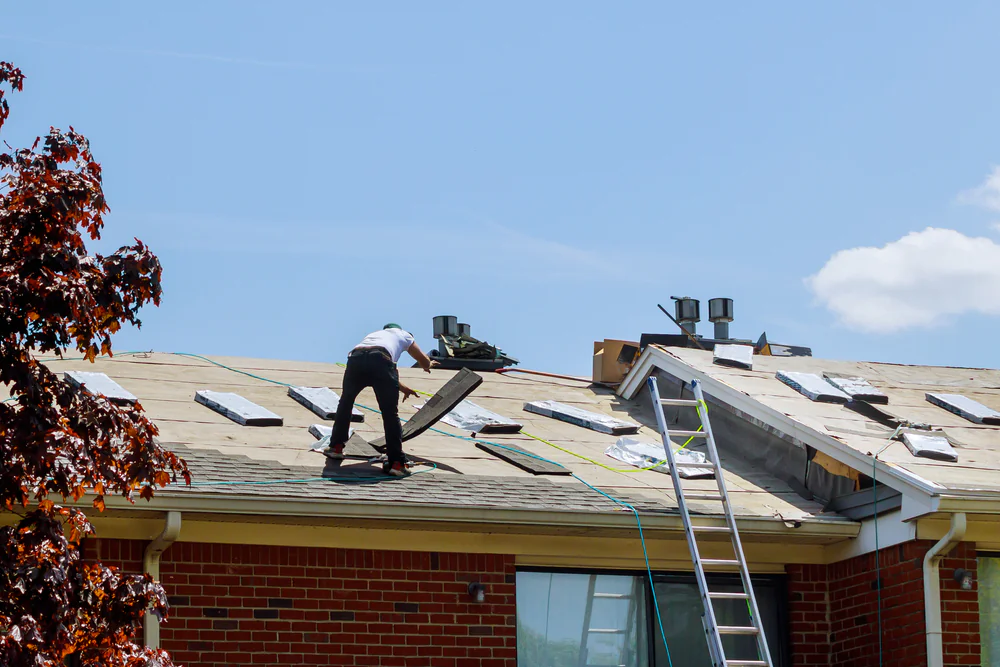
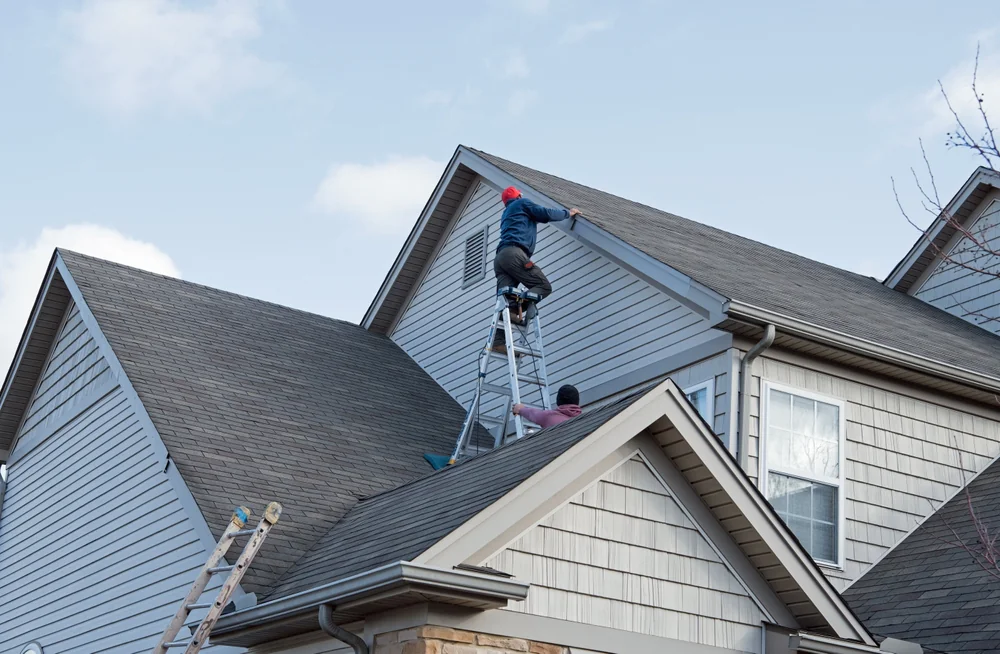
First, we come out and inspect your roof—not just the obvious damage, but the areas that might be failing quietly. Flashing around chimneys, valleys where water pools, shingles that look fine but are already compromised. You get a clear explanation of what’s wrong and what it’ll take to fix it right.
Then we walk you through your options. Sometimes a repair makes sense. Sometimes it doesn’t, and we’ll tell you that too. If insurance is involved, we help document everything so your claim goes smoothly.
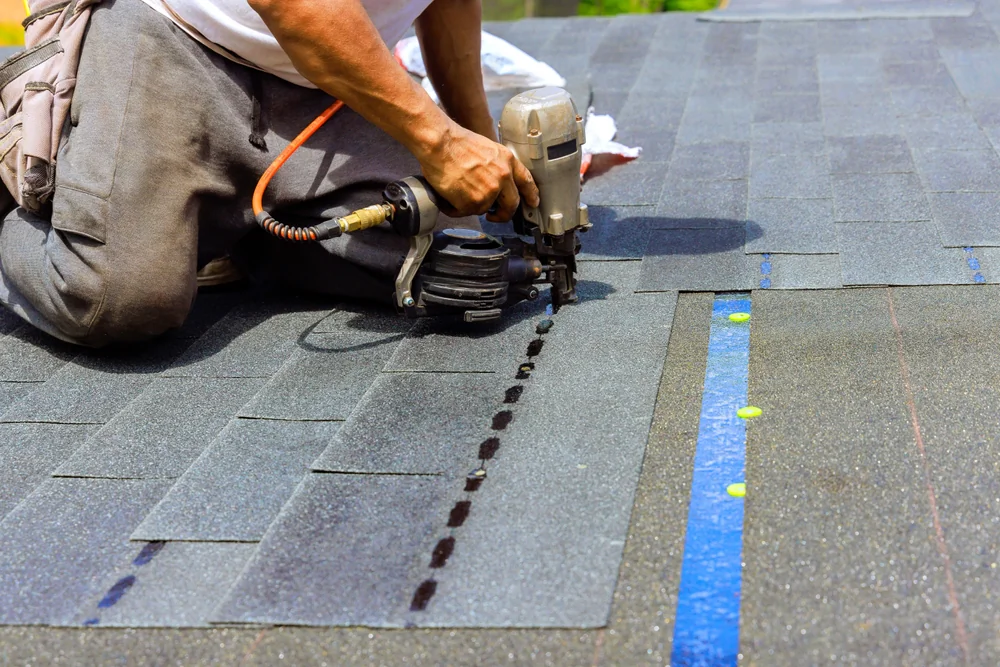
Once you’re ready to move forward, we assign a crew and set a timeline. One of our team leads stays on-site to supervise and answer questions as they come up. We use quality materials—Mule Hide products, Owens Corning systems—because they’re built for New England weather and they last.
When the work’s done, you get a roof that performs. No surprises, no shortcuts, no callbacks for the same problem six months later.
Ready to get started?
You’re not just paying for shingles and nails. You’re paying for someone who knows how to handle New Hampshire’s freeze-thaw cycles, who understands how ice dams form and how to prevent them, and who won’t leave you with a repair that fails the first time temperatures drop below freezing.
We handle everything from emergency roof leak repair after a storm to hail damage that’s not always visible from the ground. Wind can lift shingles without tearing them off completely, leaving gaps that let water in slowly over time. We catch that. We also handle flashing repairs, valley replacements, and structural issues that show up once the old materials come off.
Milford homes built 10 to 30 years ago are hitting the point where roofing systems start to wear out. Asphalt shingles expand and contract with temperature swings, and that movement creates cracks you won’t see until it’s raining in your attic. A proper repair addresses the root cause, not just the symptom. And if a full replacement makes more sense, we’ll tell you that upfront—most homeowners in Milford pay between $10,000 and $20,000 for a new roof, and sometimes that’s the smarter investment than patching a system that’s already failing.

It depends on the age of your roof, the extent of the damage, and what’s happening underneath the shingles. If your roof is under 15 years old and the damage is localized—a few missing shingles from wind, a small leak around a vent—a repair usually makes sense.
But if you’re dealing with widespread wear, multiple leaks, or a roof that’s already 20+ years old, replacement is often the better call. Asphalt shingles have a lifespan, and once they start failing in multiple spots, you’re just buying time with repairs. New Hampshire’s temperature swings accelerate that wear.
We’ll inspect the whole system and give you an honest assessment. If a repair gets you another 5 to 10 years, we’ll recommend it. If you’re going to be calling us back in two years for another leak, we’ll tell you that too. The goal is to help you make the right decision for your home and your budget, not to upsell you on work you don’t need.
It depends on what caused the damage. Insurance typically covers sudden events—storm damage, wind, hail, falling trees. It usually doesn’t cover wear and tear, age-related deterioration, or damage from lack of maintenance.
In New Hampshire, wind and hail account for 53% of storm-related claims, and the average claim costs around $15,000. If a storm just came through and you’ve got visible damage, there’s a good chance your policy will cover at least part of the repair. But your roof’s age and condition matter. Some insurers won’t cover roofs over a certain age, or they’ll only pay depreciated value.
We help with the documentation—photos, damage reports, material lists—so your claim has what it needs. We’ve worked with plenty of insurance adjusters, and we know what they’re looking for. If your roof damage is covered, we’ll make sure the repair meets both the insurance requirements and the standards that actually protect your home. If it’s not covered, we’ll still give you a fair price and a straight answer about what needs to happen.
Fast. When you’ve got water coming in, waiting a week isn’t an option. We prioritize emergency roof repair calls and typically get someone out within 24 to 48 hours, sometimes sooner depending on the situation and weather conditions.
An emergency response usually means temporary measures first—tarping the damaged area, stopping active leaks, preventing further water intrusion. Then we assess the full scope of damage and schedule the permanent repair as quickly as possible. New Hampshire weather doesn’t wait, and neither do we.
That said, if a major storm just hit and half the town is calling roofers, response times can stretch. We’re honest about timing. But we’ve built our reputation on being reliable when it matters most, and we’ve had customers tell us we fixed their problems within days when they expected to wait weeks. If you’ve got an emergency, call us. We’ll get there.
For a basic repair—replacing a section of damaged shingles, fixing a small leak, resealing flashing—you’re typically looking at $1,000 to $2,500. More extensive repairs, like replacing a valley, fixing structural damage, or addressing multiple problem areas, can run $3,000 to $6,000 or more.
A full roof replacement in Milford averages between $10,000 and $20,000, depending on the size of your home, the materials you choose, and the complexity of the roof. A 2,500-square-foot home with a standard asphalt shingle system usually falls in the $13,000 to $19,000 range.
Here’s what drives the cost: the extent of damage, the materials needed, how accessible your roof is, and whether there’s underlying structural damage that needs attention. We don’t give ballpark estimates over the phone because every roof is different. But after an inspection, you’ll get a clear, itemized quote with no hidden fees. Our main focus is quality, and we won’t cut corners to hit a lower price. You’ll know exactly what you’re paying for and why it costs what it does.
A properly done repair should last as long as the surrounding roofing system—assuming the rest of your roof is in decent shape. If you’re repairing a 10-year-old roof with quality materials and solid workmanship, that repair should hold up for another 10 to 15 years, right along with the rest of the shingles.
But New Hampshire makes roofs work harder than most places. Freeze-thaw cycles, ice dams, UV exposure in summer, wind-driven rain—it all adds up. A cheap repair with subpar materials might last two or three years before it fails again. That’s why we use Mule Hide and Owens Corning products. They’re built for this climate.
The other factor is what’s happening under the shingles. If the decking is rotted or the underlayment is compromised, a surface repair won’t hold. We check for that during the inspection. A repair is only as good as what it’s attached to, and we make sure the structure can support it. Done right, you shouldn’t have to think about that section of your roof again until it’s time to replace the whole system.
Start with licensing and insurance. Any contractor working on your roof should carry liability coverage and workers’ comp. If they don’t, you’re on the hook if someone gets hurt or something gets damaged. We’re fully insured and licensed as a Home Improvement Contractor in Massachusetts, and we operate across Southern New Hampshire.
Next, look for experience with New England weather. A roofer who doesn’t understand ice dams, thermal expansion, or how to properly ventilate an attic in this climate is going to create problems, not solve them. Ask how long they’ve been in business and whether they’re certified by manufacturers like Owens Corning. That certification means they’ve met strict standards and have access to better warranties.
Finally, pay attention to how they communicate. Do they explain what’s wrong and why, or do they just push for the most expensive option? Do they give you a detailed written estimate, or is everything verbal and vague? You want someone who treats you like an adult, answers your questions, and stands behind their work. We’ve been doing this since 2012, and our reputation is built on doing exactly that. If a contractor won’t give you straight answers or makes you feel pressured, keep looking.