Hear from Our Customers

Your heating bill drops when cold air stops sneaking through wall cavities. That’s what happens when house wrapping in Hudson, MA gets done right—before the siding ever goes up.
You stop scraping and repainting every few years. Fiber cement siding doesn’t rot when moisture gets trapped behind it, and vinyl won’t crack when temperatures swing 60 degrees in a week. Both handle Hudson’s climate without the maintenance headaches wood demands.
Your home value climbs. Fiber cement siding has ranked as the top ROI remodeling project for a decade straight—better than kitchens, bathrooms, all of it. You’re looking at protection that pays back when you sell and saves money while you live there.
We’ve spent nearly two decades installing siding across Massachusetts. We’re licensed, insured, and ranked in the top 8% of over 139,000 contractors in the state.
Hudson homeowners deal with the same weather extremes we see across the North Shore—freeze-thaw cycles that crack inferior materials, humidity that breeds mold, wind that tears off loose panels. We spec materials for this climate, not some generic national standard.
You’ll work with the same crew from estimate to cleanup. No subcontractors. No surprises. We’re an Owens Corning Preferred Contractor, which means we’ve met strict standards for quality and customer service that most companies don’t bother with.
We start with an on-site assessment of your current siding. We’re looking for rot, moisture damage, structural issues that need fixing before new siding goes up. If your sheathing is compromised, you’ll know before we quote the job.
Next comes material selection. Vinyl siding installation in Hudson, MA makes sense if you want zero maintenance and a huge color range. Fiber cement siding costs more upfront but gives you fire resistance, better ROI, and a 30-year non-prorated warranty. We’ll walk through both so you can decide what fits your budget and goals.
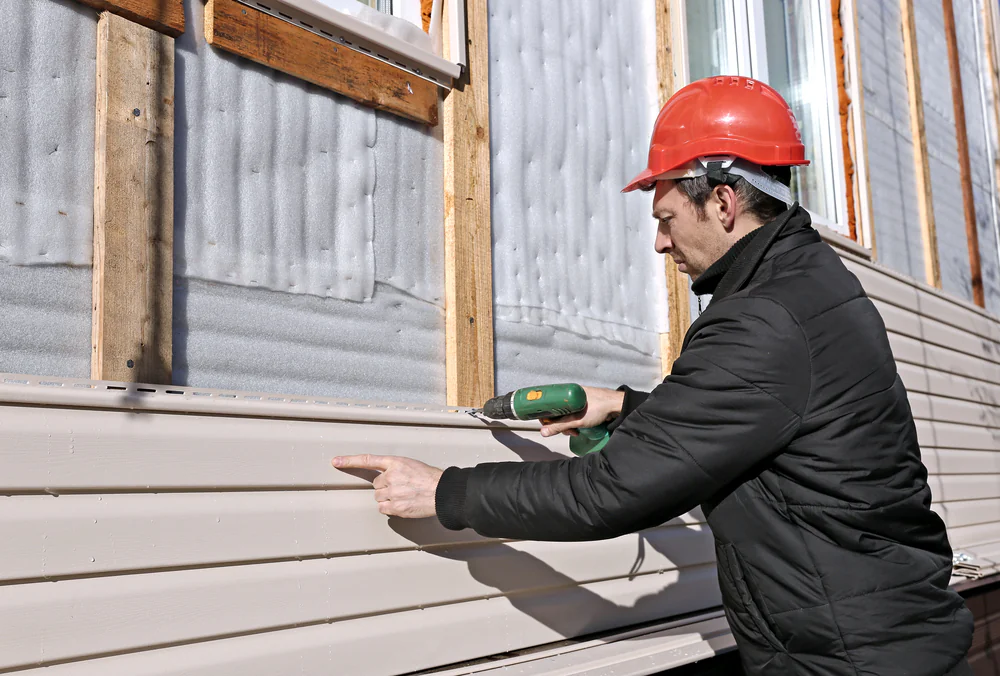
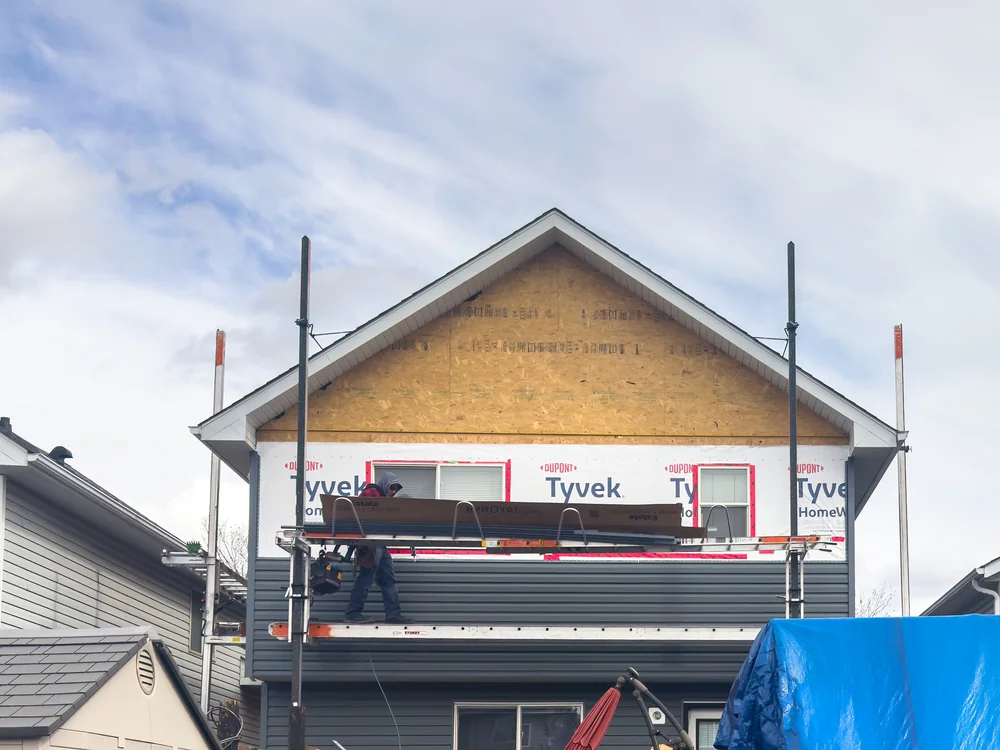
Installation starts with house wrapping—the moisture barrier that prevents water infiltration and wood rot inside your walls. Then we install siding with proper ventilation, correct nailing patterns, and attention to expansion gaps. Corners, trim, and J-channels get sealed right so wind-driven rain stays outside where it belongs.
Final walkthrough happens with you. We check every detail, clean up completely, and make sure you’re clear on warranty coverage and maintenance requirements.
Ready to get started?
You get a full tear-off of existing siding and inspection of underlying structure. Any rotted sheathing or framing gets flagged before installation begins. We don’t hide problems under new materials.
House wrapping goes up on every job—it’s the moisture barrier that protects your walls from water infiltration and keeps your insulation dry. We use proper overlap and sealing techniques, not the shortcuts that cause callbacks three years later.
Fiber cement siding cost in Hudson, MA includes HardieZone HZ5 products—materials engineered specifically for climates with freezing temperatures and extreme seasonal swings. The warranty is transferable and non-prorated, meaning you get the same coverage 30 years from now as you do on day one.
Vinyl options come with insulated backing that adds R-5 to your wall assembly. That’s an immediate energy efficiency boost that helps your HVAC system maintain consistent temperatures without working as hard. Hudson homeowners have seen this translate to noticeable utility savings, especially during winter months when heating costs spike.
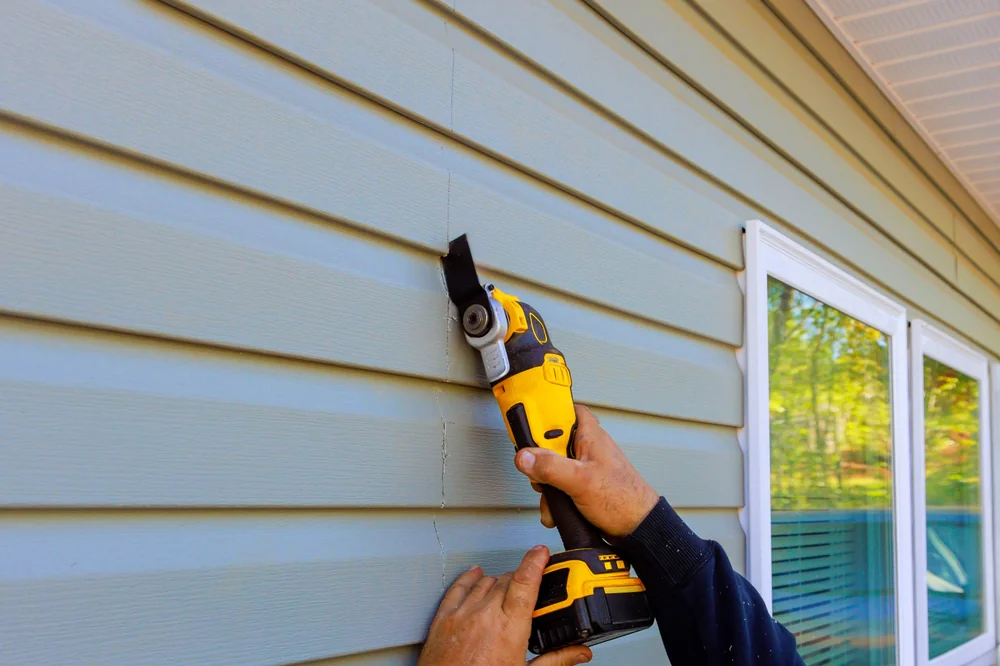
Most Hudson homeowners spend between $5,000 and $13,000 for siding installation, though projects can range from $900 to $22,000 depending on material choice, home size, and complexity. Vinyl siding installation in Hudson, MA typically costs less upfront than fiber cement but requires replacement sooner.
Fiber cement siding costs more initially but delivers better ROI and longer lifespan. A 1,500 square foot home might run $12,000 to $18,000 for James Hardie fiber cement versus $7,000 to $11,000 for quality vinyl. The difference shows up in fire resistance, durability, and resale value.
We provide itemized estimates that break down materials, labor, house wrapping, trim, and any structural repairs. No hidden fees. No pressure to decide on the spot. You’ll know exactly what you’re paying for before we start.
Vinyl siding is nearly maintenance-free, costs less, and comes in a massive color range. It won’t rot, handles insects without damage, and cleans with soap and water. The downside is it can crack in extreme cold and melts if exposed to high heat.
Fiber cement siding is 90% sand and cement, making it non-combustible and extremely durable. It won’t warp, crack, or rot like wood. It handles freeze-thaw cycles better than vinyl and holds up to wind-driven rain without flexing. James Hardie fiber cement comes with a 30-year transferable warranty that’s non-prorated.
For Hudson’s climate—brutal winters, humid summers, unpredictable spring weather—both work. Vinyl makes sense if your budget is tight and you want zero maintenance. Fiber cement makes sense if you’re planning to stay long-term or want maximum resale value and fire protection.
Most residential siding installations in Hudson, MA take 5 to 10 days depending on home size, material choice, and weather. A straightforward ranch with vinyl siding might wrap up in a week. A two-story colonial with fiber cement, custom trim, and structural repairs could take two weeks.
We don’t rush. Proper house wrapping, correct nailing patterns, and attention to flashing details take time. Cutting corners to finish faster creates callbacks and warranty issues down the road.
Weather delays happen. We won’t install siding in heavy rain or when temperatures drop below manufacturer minimums. Fiber cement and vinyl both have specific temperature requirements for proper installation, and we follow them. You’ll get a realistic timeline upfront and updates if conditions push us back.
Yes. House wrapping in Hudson, MA is essential for preventing moisture infiltration, wood rot, and mold growth inside your wall cavities. It’s the weather-resistant barrier that keeps wind-driven rain from soaking your sheathing and insulation.
Siding isn’t waterproof—it’s the first line of defense, but water gets behind it through seams, around windows, and at penetrations. House wrap stops that moisture before it reaches your framing. Without it, you’re looking at rot, mold, and structural damage that costs far more to fix than proper installation would have cost upfront.
We install house wrap on every siding job with proper overlap, sealing, and integration with window and door flashing. It’s not optional. It’s the difference between siding that protects your home and siding that just looks good until the first nor’easter.
Yes, especially if you choose insulated vinyl or add rigid foam backing during installation. Progressive foam siding installation reduces heat transfer and provides an immediate R-5 increase with just a 1-inch layer. That blocks air infiltration within wall cavities and helps your HVAC system maintain consistent indoor temperatures.
Energy prices in Massachusetts have climbed significantly in recent years, making efficiency upgrades more valuable. Hudson homeowners with older, uninsulated siding often see noticeable drops in heating costs after upgrading to insulated options.
Fiber cement siding doesn’t add insulation value by itself, but when combined with proper house wrapping and sealed installation, it eliminates drafts and air leaks that drive up utility costs. The key is installation quality—gaps around windows, loose J-channels, and poor trim work all let conditioned air escape and outside air infiltrate.
Contact us immediately for an assessment. We’ll evaluate the damage, document it with photos, and determine whether it’s a warranty issue, insurance claim, or maintenance repair. Hudson homeowners dealing with hail damage, wind damage, or storm-related issues need experienced contractors who can guide them through the insurance process.
James Hardie fiber cement comes with a 30-year limited transferable warranty covering defects and installation issues. Vinyl siding warranties vary by manufacturer but typically cover material defects for 20 to 50 years. Neither covers damage from external forces like falling trees or hail, but your homeowner’s insurance should.
We work directly with insurance companies to assess damage extent and provide detailed repair estimates. Sections that are loose, cracked, or missing get replaced to match existing materials. Proper repairs maintain your home’s weather protection and prevent secondary damage like water infiltration and rot.