Hear from Our Customers
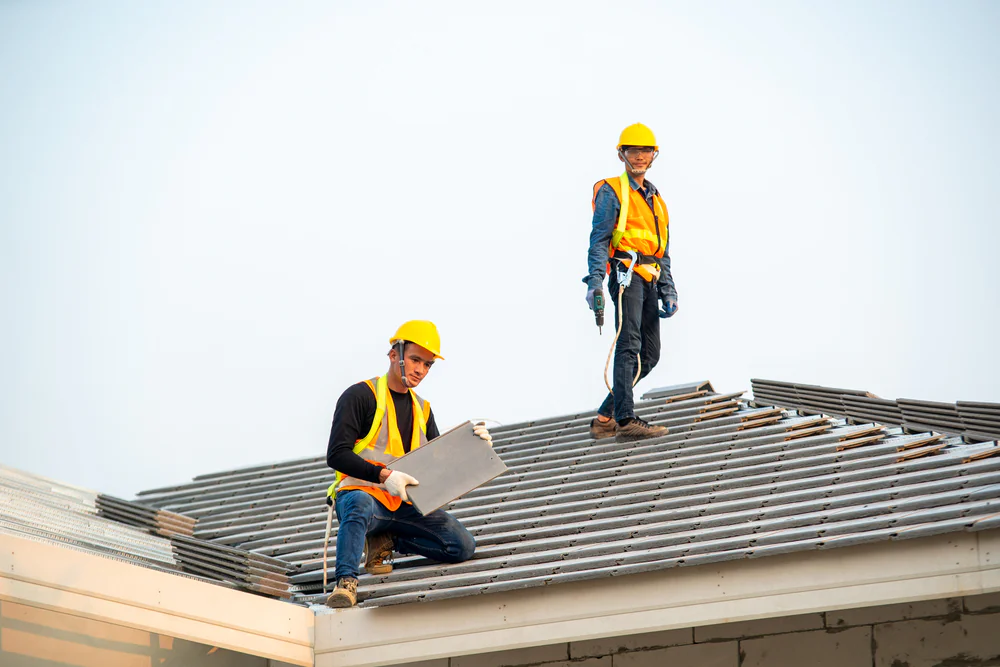
Your roof stops leaking. Your energy bills drop because the insulation actually works now. You’re not up at night during storms wondering if water’s getting in.
That’s what matters. Not the sales pitch, not the before-and-after photos—just a roof that does its job so you can stop thinking about it.
When you work with a roofing contractor who’s been doing this since 2006, you’re getting someone who’s seen every type of roof problem Hudson throws at a home. Ice dams in February. Wind damage from nor’easters. Shingles that looked fine until they weren’t. We’ve handled it, and we know how to fix it so it doesn’t come back next season.
You get materials that last—Owens Corning products installed by a certified contractor who actually meets their standards. You get a roof that handles New England weather without falling apart in five years. And you get to move on with your life.
Paradise Remodeling Inc has been handling roofing and exterior work across Massachusetts since 2006. We’re an Owens Corning Preferred Contractor, which means we meet their requirements for quality and reliability—not just once, but consistently.
Hudson homeowners deal with specific challenges. The weather here isn’t gentle on roofs. You get heavy snow loads, ice dams forming along the eaves, and summer storms that can strip shingles in an afternoon. We’ve worked on enough homes in this area to know what holds up and what doesn’t.
We’re fully insured, locally operated, and we don’t disappear after the job’s done. If you have a question three months later, you can reach us. That’s how this should work.
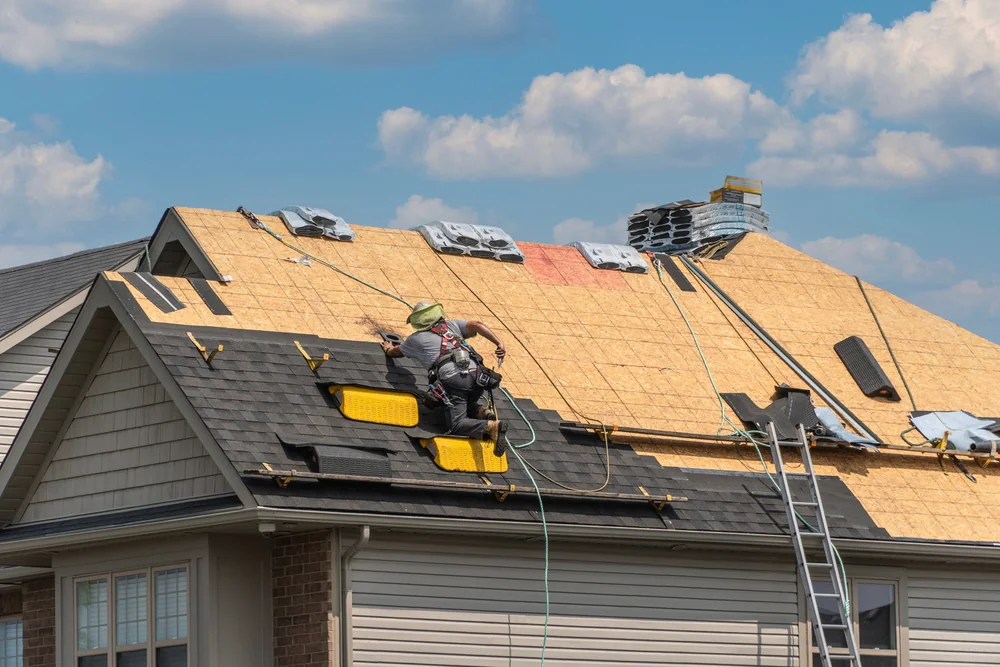
First, we come out and actually look at your roof. Not a quick glance from the driveway—we get up there, check the shingles, flashing, ventilation, and any spots where water might be getting in. You get a clear explanation of what’s wrong and what it’ll take to fix it.
Then we give you a straightforward estimate. No surprises, no upselling you on things you don’t need. If your roof needs a full replacement, we’ll tell you. If it just needs repair work, we’ll tell you that too.
Once you’re ready to move forward, we schedule the work around your life, not ours. We show up when we say we will, protect your property during the job, and clean up completely when we’re done. You’ll know what’s happening at every step because we actually communicate.
After the installation or repair, we walk you through what we did and answer any questions. You get warranty information, care instructions, and a roof that’s ready for whatever weather comes next. Then we leave you alone unless you need us again.
Ready to get started?
You get a full roof inspection before any work starts. We’re looking at shingle condition, checking for proper ventilation, examining flashing around chimneys and vents, and identifying any areas where water damage has already started. In Hudson, ice dam damage is common, so we pay close attention to your eaves and gutters.
For installations, you’re getting quality materials designed for New England weather. We use Owens Corning and Mule Hide products—brands that actually hold up. Installation includes proper underlayment, new flashing where needed, and ventilation that prevents moisture buildup in your attic. That last part matters more than most homeowners realize. Poor ventilation leads to premature shingle failure and ice dams in winter.
Repairs are handled the same way. We don’t just slap a patch on and hope it holds. We identify why the problem happened and fix the underlying issue. If storm damage took out a section of shingles, we’re also checking the decking underneath to make sure water didn’t compromise the structure.
Energy efficiency is part of the conversation too. Cool roofing options can drop your surface temperature by up to 50 degrees in summer, which means your AC isn’t working as hard. For Hudson homeowners dealing with rising utility costs, that’s worth considering.

If your roof is under 15 years old and the damage is localized—like a section of missing shingles from a storm—repair usually makes sense. You’re looking at specific problem areas, not widespread deterioration.
Full replacement becomes necessary when you’re seeing issues across the entire roof. Curling shingles, granule loss in multiple areas, frequent leaks in different spots, or sagging sections all point to a roof that’s at the end of its life. Age matters too. Most asphalt shingle roofs last 20-25 years in New England. If yours is in that range and you’re starting to see problems, replacement is the smarter move.
We’ll give you an honest assessment. If repair will buy you another 5-10 years, we’ll tell you. If you’re just delaying the inevitable and you’ll be calling us back in two years, we’ll tell you that too. You deserve to make an informed decision based on what’s actually happening with your roof, not what’s more profitable for us.
Architectural shingles are the standard for good reason. They handle freeze-thaw cycles better than basic three-tab shingles, they’re rated for high winds, and they last 25-30 years when installed correctly. Owens Corning Duration series is what we install most often—they’re impact-resistant and come with solid warranties.
Metal roofing is gaining popularity in Massachusetts, and it makes sense if you’re planning to stay in your home long-term. It sheds snow and ice better than shingles, it’s not going to blow off in a storm, and it can last 50+ years. The upfront cost is higher, but you’re never replacing it again.
For flat or low-slope sections, modified bitumen or single-ply membrane systems work well. They’re designed to handle standing water and temperature extremes. The key is proper installation—these systems fail when corners get cut during installation, not because the materials are bad.
What doesn’t hold up? Cheap shingles. Bottom-tier products might save you money now, but they’ll fail early, especially with the weather we get here. You’ll end up paying twice.
Most residential roof replacements in Hudson take 2-3 days. Day one is tear-off and inspection of the decking. If we find rot or damage, we replace those sections before moving forward. Day two is installation—underlayment, shingles, flashing, and ridge vents. Day three is detail work and cleanup.
Weather can extend that timeline. We’re not installing a roof in the rain or when ice is forming on the shingles. It’s not safe, and it compromises the installation. If we have to pause for weather, we make sure your home is protected with tarps until we can resume.
Larger homes or complex roof designs take longer. Multiple valleys, dormers, chimneys, and steep pitches all add time. We’ll give you a realistic timeline upfront based on your specific roof.
Repairs are usually same-day or next-day work, depending on the scope. A few missing shingles? We can handle that in a couple of hours. Extensive flashing repair around a chimney might take most of a day.
It depends on your policy and what caused the damage. Most homeowner’s insurance covers sudden damage from storms—wind tearing off shingles, hail impact, falling tree limbs. They don’t cover damage from lack of maintenance or normal wear and tear.
Here’s what helps your claim: document everything. Take photos of the damage as soon as it’s safe to do so. Note the date of the storm. When we come out for an inspection, we can provide documentation of storm damage versus pre-existing wear. Insurance adjusters know the difference, and so do we.
Some policies have separate wind and hail deductibles that are higher than your standard deductible. You’ll want to know what yours are before filing a claim. If the repair cost is close to your deductible, it might not be worth filing.
We’ve worked with plenty of insurance claims. We can provide detailed estimates and documentation that adjusters need. We don’t handle the claim for you—that’s between you and your insurance company—but we can make the process smoother by providing clear information about what needs to be fixed and why.
Ice dams form when heat from your attic melts snow on your roof. That water runs down to the cold eaves, refreezes, and creates a dam. More water backs up behind it, and eventually it finds its way under your shingles and into your home.
The fix isn’t just about your roof—it’s about your attic. You need proper insulation to keep heat from escaping into the attic space, and you need ventilation to keep the attic temperature close to the outside temperature. When your attic stays cold in winter, snow doesn’t melt on your roof, and ice dams don’t form.
Ridge vents combined with soffit vents create airflow that regulates attic temperature. Proper insulation on your attic floor keeps your home’s heat where it belongs. These aren’t expensive upgrades, and they solve the problem at the source.
Short-term, you can have ice dam removal done during winter, but that’s treating the symptom. If you’re dealing with ice dams every winter, the real solution is addressing your attic insulation and ventilation during a roof replacement or repair. We handle both, and we can show you exactly what needs to change to stop the cycle.
For a typical single-family home in Hudson, you’re looking at $8,000-$15,000 for asphalt shingle replacement. That range covers a standard-sized roof with moderate complexity. Larger homes, steep pitches, or multiple levels push that number higher.
What affects cost? Square footage is the obvious one. A 1,500 square foot ranch costs less than a 3,000 square foot colonial. Roof complexity matters too—lots of valleys, dormers, and angles mean more labor and more material waste. If we’re replacing damaged decking, that’s additional cost. The materials you choose make a difference as well. Premium architectural shingles cost more than standard ones, but they last longer and often come with better warranties.
Metal roofing runs $15,000-$25,000+ for the same home because material costs are higher. But you’re installing a roof that lasts 50 years, so the cost-per-year is actually competitive with shingles.
We give you a detailed written estimate before any work starts. You’ll see exactly what you’re paying for—materials, labor, disposal, everything. No hidden fees, no surprise charges when the job’s done. If we find additional damage during tear-off that needs addressing, we discuss it with you before proceeding. You’re in control of what gets done and what it costs.