Hear from Our Customers

You’re tired of watching your heating costs climb every winter. Gaps in your current siding let cold air seep in, forcing your furnace to work overtime. New siding installation in Hollis, NH with proper house wrapping cuts that energy loss by 15-20% annually.
That’s real money back in your pocket. Not just this year, but every year.
And you won’t be repainting every 5-7 years like you would with wood. Fiber cement siding goes 15+ years without a touch-up. Vinyl siding installation in Hollis, NH requires even less – just an occasional wash. You get your weekends back instead of scraping, priming, and painting.
The right materials also mean your home stands up to what New Hampshire throws at it. Heavy snow loads, ice dams, spring thaws that crack inferior products – none of that becomes your problem when you start with siding built for this climate. You’re looking at 30-50 years of protection, not 10-15 years of constant repairs.
We’ve spent seven years installing siding across Massachusetts and New Hampshire. We’re based in Methuen, just 20 minutes from Hollis, so we know exactly what your home is up against.
We’ve seen what happens when contractors cut corners to save a few bucks. Moisture gets behind the siding. Ice dams form. Energy bills stay high. That’s why our crews focus on proper installation – house wrapping, flashing, sealing – even when it costs us more time and materials.
Hollis homes carry a median value over $1 million. You didn’t invest that much to watch your exterior fail in five years. We get that, and we install accordingly.
We start with a free estimate at your property. You’ll see material samples – fiber cement, vinyl, different colors and textures – and we’ll walk your home’s exterior to spot problem areas. You get a fixed-rate quote based on your home’s size, the material you choose, and any repairs needed before installation.
Once you’re ready to move forward, we schedule the work during a weather window that allows proper installation and curing. Spring and summer are ideal in New England, but we work year-round when conditions allow.
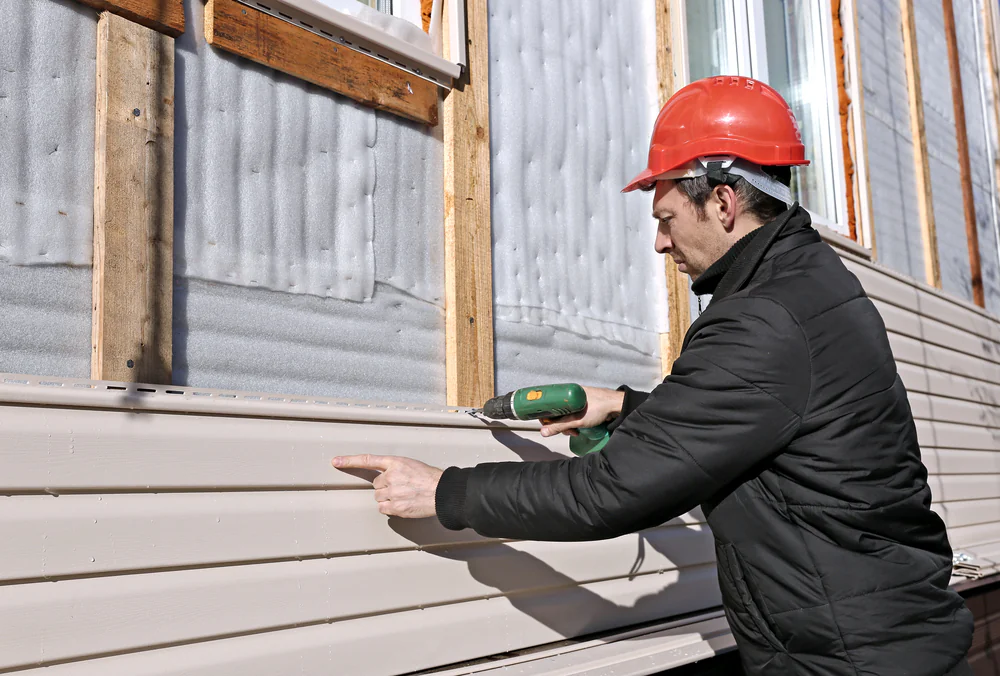
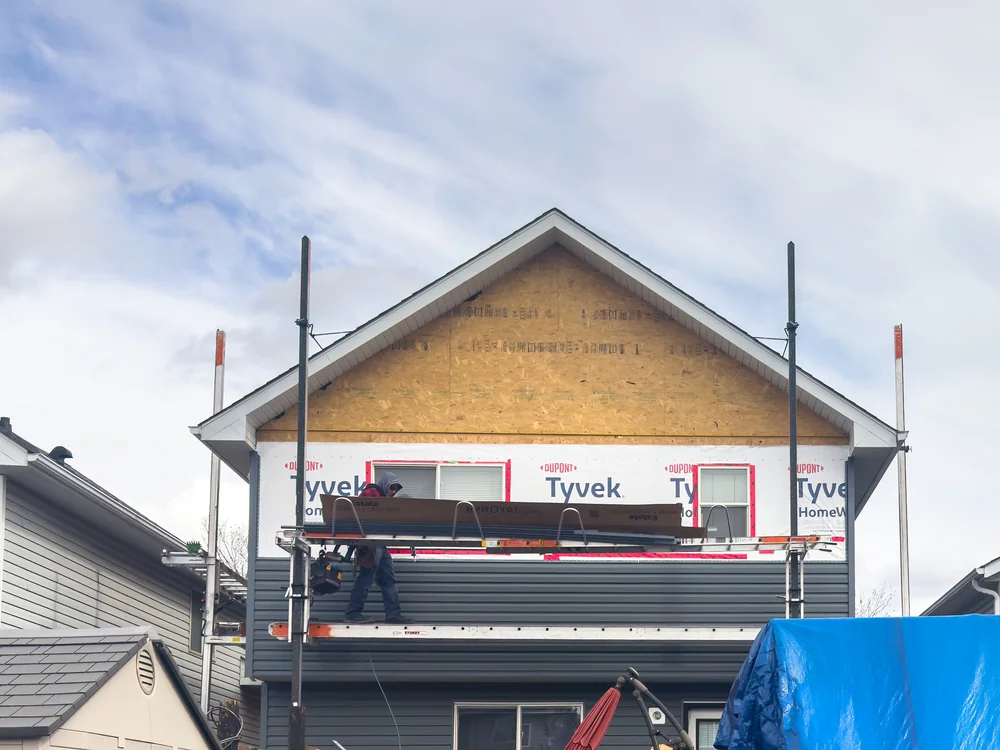
Our crews remove your existing siding, inspect and repair the underlying structure, then install house wrapping and foam board for moisture protection and insulation. After that, we install your new siding with attention to alignment, sealing, and flashing around windows and doors. Every seam matters when you’re protecting against freeze-thaw cycles.
The job typically takes several days to a couple weeks depending on your home’s size. You’ll have a crew on-site daily until completion, and we clean up thoroughly before we leave. You also get our workmanship guarantee and any manufacturer warranties that apply to your materials.
Ready to get started?
You have options, and the right choice depends on your priorities. Vinyl siding installation in Hollis, NH runs $2,000-$10,000+ for most homes and offers the lowest maintenance. It won’t rot, it resists pests, and it comes in dozens of colors. It’s a solid choice if you want durability without breaking the bank.
Fiber cement siding costs more upfront but lasts 30-50 years with minimal upkeep. We know this material performs exceptionally well against snow, ice, wind, and humidity. It’s non-combustible, resists woodpeckers and termites, and the ColorPlus finish fades 30% slower than traditional paint. If you plan to stay in your home long-term, the ROI is strong – you’ll recoup up to 80% of installation costs in resale value.
Every installation we do includes house wrapping in Hollis, NH as a moisture barrier. This breathable layer channels water away from your home’s structure while preventing air leaks. It’s not optional if you want your siding to perform correctly. Hollis will see increased precipitation and flood risks over the next 30 years due to climate change, so proper moisture management matters more than ever.
Vinyl siding installation in Hollis, NH typically costs $2,000-$6,000 for an average home, while fiber cement runs $6,000-$15,000+ depending on size and complexity. That’s a significant gap upfront.
But here’s what changes the math: vinyl lasts 20-30 years and may need replacement once during your ownership. Fiber cement lasts 30-50 years and often outlives your mortgage. Vinyl requires minimal maintenance but can crack in extreme cold. Fiber cement needs repainting every 15+ years but handles freeze-thaw cycles without damage.
If you’re planning to sell within 10 years, vinyl makes financial sense. If you’re staying put, fiber cement’s longevity and energy efficiency often justify the higher cost. Your energy savings alone – 15-20% annually – can offset several thousand dollars over the material’s lifetime.
Most homes in Hollis take 5-14 days for complete siding installation, depending on size, material choice, and weather conditions. A smaller ranch might finish in a week. A larger colonial with multiple stories and complex trim work could take two weeks.
Weather plays a bigger role than most homeowners expect. We can’t install in heavy rain, extreme cold, or high winds. New England’s unpredictable spring weather sometimes adds a few days to the timeline. We’d rather pause and do it right than rush and compromise the installation.
The process itself isn’t complicated, but it’s detailed. Removing old siding, repairing sheathing, installing house wrapping, cutting and fitting each panel, sealing around windows and doors – none of that should be rushed. You’re looking at several thousand square feet of material that needs to protect your home for decades. A few extra days during installation beats years of problems later.
It’s real, but only if the installation includes proper insulation and house wrapping in Hollis, NH. Siding alone won’t do much. The energy savings come from eliminating air leaks and adding a thermal barrier between your home’s interior and New Hampshire’s weather.
Most New England homes lose 50-70% of their energy through heating and cooling. Old siding develops cracks and gaps where cold air enters in winter and hot air penetrates in summer. Your HVAC system runs constantly trying to compensate. Proper house wrapping creates a breathable moisture barrier that stops air infiltration while channeling water away from your walls.
Add insulated siding or foam board backing, and you’re looking at 15-20% lower energy costs annually. On a typical Hollis heating bill of $2,000-$3,000 per winter, that’s $300-$600 back in your pocket every year. Over a 30-year lifespan, that’s $9,000-$18,000 in savings – enough to cover a significant portion of your installation cost.
Freeze-thaw cycles are brutal on inferior siding materials. Water seeps into small cracks or behind panels during the day when temperatures rise above freezing. Then overnight temperatures drop, that water freezes and expands, and the crack widens. Repeat this 50-100 times per winter, and you’ve got serious damage.
Wood siding splits and rots. Cheap vinyl becomes brittle and cracks. Even premium materials fail if they’re not installed correctly with proper flashing and sealing. That’s why we focus so heavily on moisture management during installation.
Fiber cement siding handles freeze-thaw cycles better than almost any material. It doesn’t absorb water like wood, and it doesn’t become brittle like vinyl in extreme cold. The material expands and contracts minimally, so properly installed panels maintain their seal year after year. You’ll see this difference most clearly around windows, doors, and corners – the spots where inferior installations fail first.
If you’re seeing cracks, warping, or rot, don’t wait. Every month you delay lets more moisture behind your current siding, potentially damaging your home’s sheathing and framing. What starts as an $8,000 siding job can become a $15,000+ project once you’re repairing structural damage.
Check around your windows and doors first. If you see gaps, feel drafts, or notice your energy bills climbing, your siding is already failing. Look at the south and west sides of your home where sun and weather hit hardest. Fading is cosmetic, but cracking and warping mean you’re on borrowed time.
The best time to replace siding in Hollis, NH is before you need to. Spring and summer offer ideal installation conditions – moderate temperatures, lower humidity, and predictable weather windows. Waiting until you have an emergency means you’re replacing siding in October or November when conditions are less favorable and contractors are booked solid. Get ahead of it, and you control the timeline and the outcome.
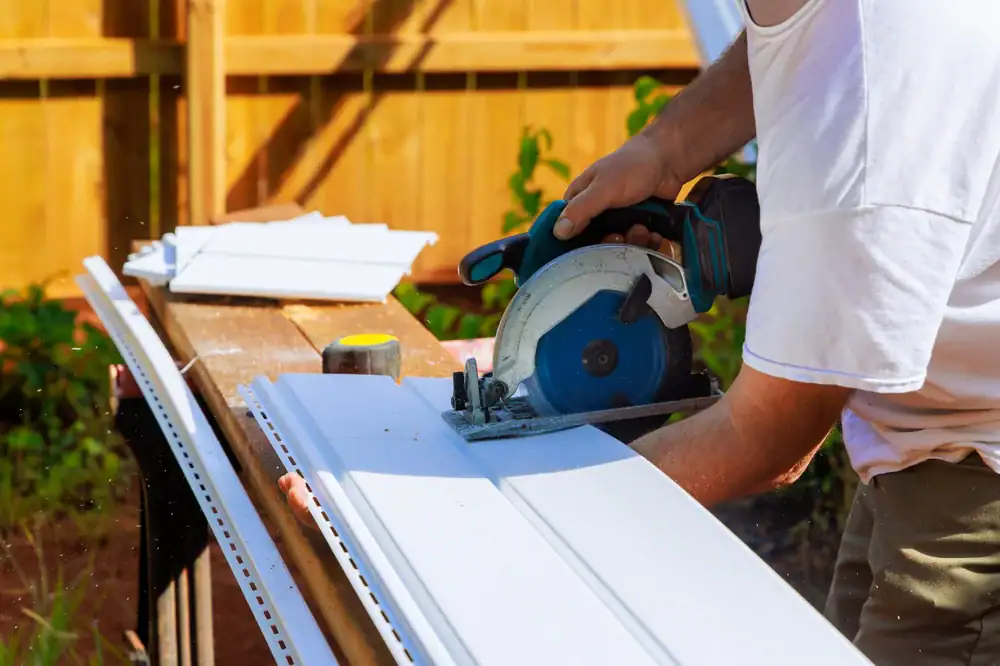
The material itself costs more to manufacture and transport. Fiber cement is heavy – much heavier than vinyl – which increases shipping costs. It also requires specialized cutting tools and more labor time during installation. What takes two days with vinyl might take four with fiber cement.
But you’re paying for performance that vinyl can’t match. Fiber cement is non-combustible, so it adds fire protection to your home. It resists termites, woodpeckers, and rot without any chemical treatments. The ColorPlus finish on James Hardie products resists fading 30% better than paint, so you’re looking at 15+ years before any touch-up work.
The fiber cement siding cost in Hollis, NH also reflects longevity. Vinyl lasts 20-30 years in New England’s climate. Fiber cement lasts 30-50 years with proper maintenance. When you divide the installation cost by years of service, the gap narrows considerably. Add in energy savings, reduced maintenance, and higher resale value – fiber cement returns up to 80% of installation costs when you sell – and the premium price makes financial sense for homeowners planning to stay put.