Hear from Our Customers

Your current siding is letting cold air in. You can feel it near the walls in winter, and your heating bill proves it every month. Gaps, warping, and cracked seams aren’t just ugly—they’re costing you 15-20% more in energy expenses every year.
New siding installation in Antrim, NH fixes that. Heavy-gauge vinyl or fiber cement panels lock tight, seal out moisture, and create a thermal barrier that keeps your home comfortable year-round. You’re not repainting every few years or replacing rotted boards. You’re done worrying about storm damage, ice buildup, or water getting behind the walls.
The right siding handles New Hampshire’s freeze-thaw cycles, summer humidity, and wind without cracking or peeling. It looks sharp, holds its value, and gives you one less thing to maintain. That’s what happens when the install is done right the first time.
We’ve been handling siding jobs across New Hampshire and Massachusetts for over a decade. We’re licensed, insured, and ranked in the top 8% of contractors in the state. That’s not luck—it’s because we don’t cut corners, even when it costs us more.
Antrim homeowners deal with heavy snow, high winds, and temperature swings that destroy cheap installs. We know what works here because we’ve seen what fails. Every job gets house wrapping in Antrim, NH for moisture protection, proper flashing around windows and trim, and materials built to last 50 years.
You won’t get a sales pitch. You’ll get straight answers about what your home needs, what it’ll cost, and how long it’ll take. We’ve earned our reputation by showing up, doing the work right, and making sure you’re satisfied when we leave.
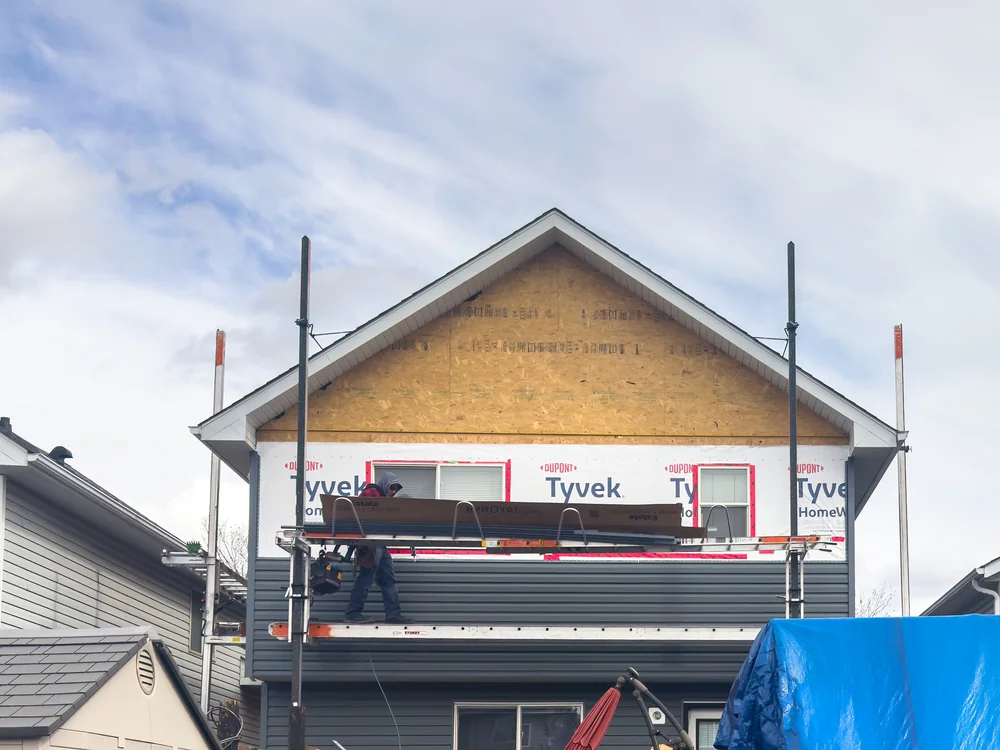
First, we inspect your current siding and sheathing to check for hidden rot or moisture damage. If there’s an issue underneath, we fix it before new panels go up. Skipping this step is how other contractors leave you with problems down the road.
Next comes house wrapping and insulation. We install a weather-resistant barrier that stops water penetration and channels moisture away from your walls. Then we add foam board or insulated backing to boost your home’s energy envelope and reduce sound transfer.
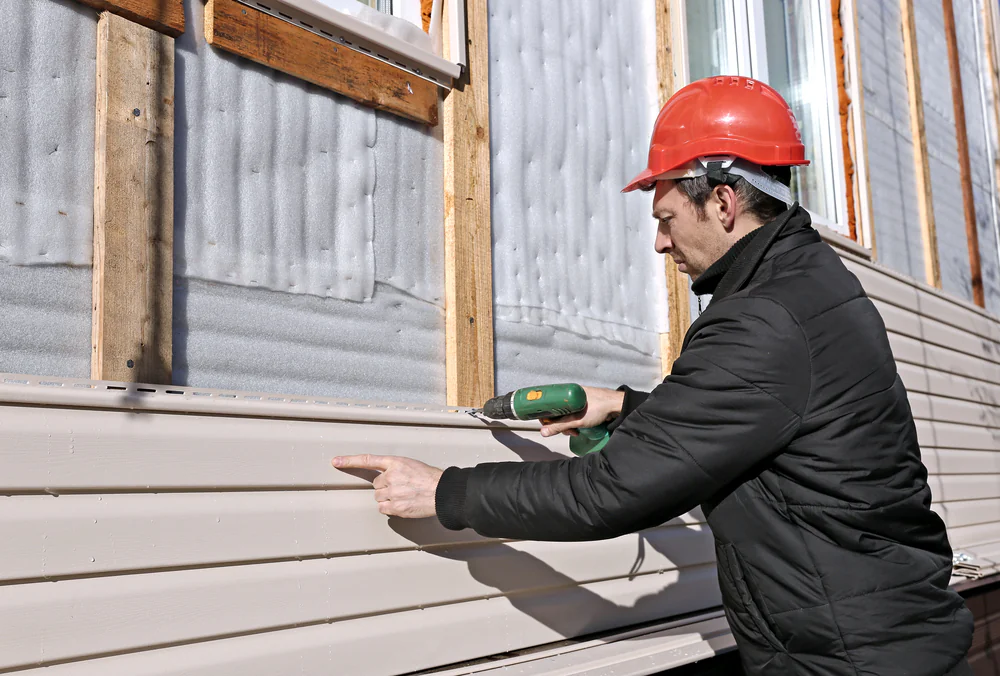
Finally, we install the siding itself—vinyl, fiber cement, or composite depending on what you chose. Panels get locked with double-hem systems for wind resistance, and every seam is sealed properly. We add trim boards, flashing, and insect screens to finish the job. Most installs take 7-10 days, and you’ll notice the difference in comfort immediately.
Ready to get started?
You’re choosing between vinyl siding installation in Antrim, NH and fiber cement, and the difference matters. Vinyl costs around $8-$10 per square foot and handles New Hampshire winters without cracking. It sheds snow, resists impact, and never needs painting. Fiber cement runs $11-$13 per square foot but gives you a 50-year lifespan and up to 80% ROI if you sell.
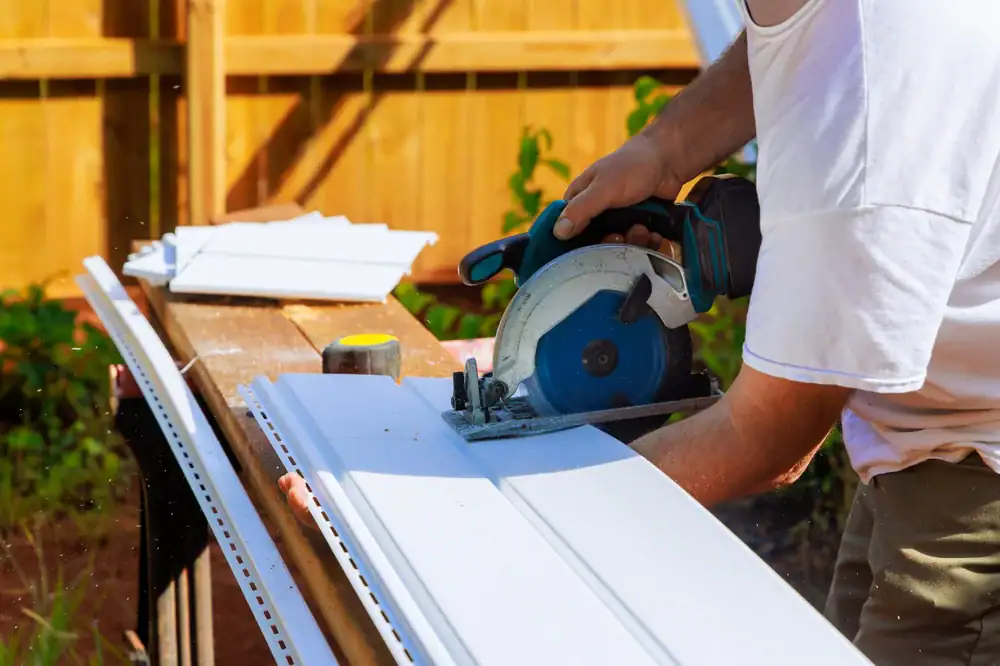
We’re certified James Hardie installers in Antrim, NH because fiber cement requires specific techniques. Improper cuts, wrong fasteners, or bad spacing lead to cracks and moisture problems. We’re trained on the exact installation methods that protect your investment and keep the warranty valid.
Both options include proper underlayment, flashing, and sealing. You’re not just getting new siding—you’re getting a complete weather barrier that stops drafts, prevents rot, and cuts your energy use. Antrim’s climate demands it. Heavy snowfall, ice dams, and humid summers will find every weak point in a bad install. We don’t leave weak points.
Fiber cement siding costs between $11-$13 per square foot installed, which comes out to roughly $19,800-$23,400 for a typical home in Antrim, NH. Vinyl siding installation runs $8-$10 per square foot, or about $14,400-$18,000 for the same size house.
The price difference buys you a longer lifespan. Fiber cement lasts 50 years without replacement, while vinyl typically needs replacing after 20-30 years depending on weather exposure. Fiber cement also brings a higher return on investment—up to 80% if you sell within the next decade.
That said, vinyl isn’t a compromise. Premium vinyl systems resist cracking in cold weather, handle New Hampshire’s freeze-thaw cycles, and require zero maintenance. If upfront cost matters more than resale value, vinyl delivers serious performance for the price.
House wrapping creates a moisture barrier between your sheathing and your siding. It stops water from getting into your walls while still letting vapor escape from inside your home. Without it, you’re asking for rot, mold, and structural damage over time.
Antrim gets heavy snow, ice buildup, and humid summers. All of that creates opportunities for moisture to work its way behind your siding, especially around seams, windows, and trim. House wrapping in Antrim, NH channels that water down and out, away from your framing and insulation.
It also improves your home’s energy efficiency. The wrap cuts down on air leakage, which means your heating and cooling systems don’t work as hard. It’s a small upfront cost that prevents expensive problems and pays for itself in lower energy bills.
Most siding installations in Antrim, NH take between 7-10 days depending on the size of your home and the material you choose. Fiber cement takes slightly longer than vinyl because it requires more precise cutting and fastening techniques.
Weather can add time. If we’re dealing with rain, high winds, or freezing temperatures, we’ll pause the install to make sure everything is sealed and secured properly. Rushing through bad conditions leads to mistakes that cost you later.
You’ll see progress every day. We remove old siding, inspect and repair sheathing, install house wrap and insulation, then put up the new panels section by section. Trim, flashing, and finishing details come last. By the time we’re done, your home is fully protected and the difference in curb appeal is immediate.
James Hardie fiber cement requires specific installation methods that most general contractors don’t know. Wrong fastener placement, improper spacing, or bad flashing techniques void your warranty and lead to cracking, moisture damage, and premature failure.
We’re certified James Hardie installers in Antrim, NH and trained on the exact specs the manufacturer requires. We know how to handle expansion and contraction in New Hampshire’s temperature swings, how to seal seams against ice and wind-driven rain, and how to flash around windows and doors so water can’t get behind the boards.
You’re paying more for fiber cement because it lasts 50 years and adds serious resale value. Hiring someone who isn’t certified is like buying a high-end product and letting an amateur install it. You lose the performance, the warranty, and the ROI.
New siding installation in Antrim, NH cuts your energy costs by 15-20% annually. Proper insulation and air sealing stop drafts, reduce heat loss in winter, and keep cool air inside during summer. Your HVAC system doesn’t have to work overtime, and you’ll feel the difference in every room.
You also eliminate maintenance. No more scraping, sanding, or repainting every few years like you do with old wood siding. Vinyl and fiber cement hold their color, resist moisture, and handle New Hampshire’s weather without warping or cracking.
Then there’s protection. Heavy-gauge panels with proper house wrapping stop water penetration, prevent rot, and stand up to high winds and snow loads. You’re not dealing with storm damage or worrying about what’s happening behind your walls. New siding gives you decades of reliability and peace of mind.
Check for visible rot, warping, or cracks. If you can see daylight through seams or feel drafts near your walls, your siding isn’t doing its job anymore. Water stains on interior walls or peeling paint inside your home are signs that moisture is getting through.
Higher energy bills are another indicator. If your heating or cooling costs have climbed without explanation, failing siding is often the cause. Gaps and cracks let conditioned air escape, forcing your system to run longer and harder.
Finally, look at the age. Wood siding typically lasts 10-15 years before it needs serious maintenance or replacement. Vinyl lasts 20-30 years, and fiber cement can go 50 years. If your siding is near the end of its lifespan and you’re seeing problems, replacement makes more sense than patching it together for another few years.