Hear from Our Customers
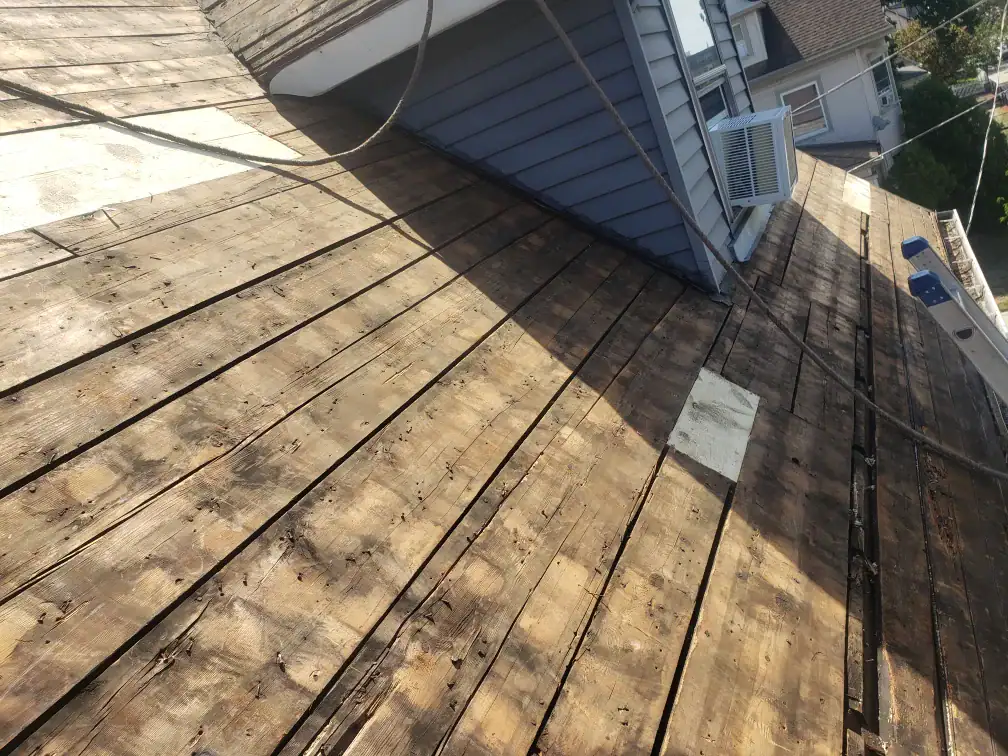
Your siding takes a beating. Snow, ice, wind, summer humidity—it all adds up. Small cracks let moisture in. Mold grows in shaded spots. Dirt builds up and makes everything look tired.
Regular maintenance stops that cycle. You catch the small stuff before it becomes expensive. A cracked panel gets replaced now instead of after water’s been running behind it all winter. Algae gets cleaned off before it stains permanently.
Your home looks better, sure. But more importantly, you’re not dealing with surprise repairs or watching your energy bills climb because gaps are letting air through. Maintenance isn’t about perfection. It’s about keeping things functional and avoiding the headaches that come when you ignore what’s happening on the outside of your house.
We’ve spent over a decade working on homes throughout Antrim and the surrounding New Hampshire area. We know what winters here do to siding. We know which materials hold up and which ones start failing after a few seasons.
We’re not the cheapest option, and we won’t pretend to be. What you get is someone who shows up, does the work right, and doesn’t cut corners to save fifteen minutes. We’re an Owens Corning Preferred Contractor, which means we meet their standards for quality and customer service.
Most of our work comes from referrals. That happens when you do what you say you’re going to do and don’t leave people dealing with problems six months later.
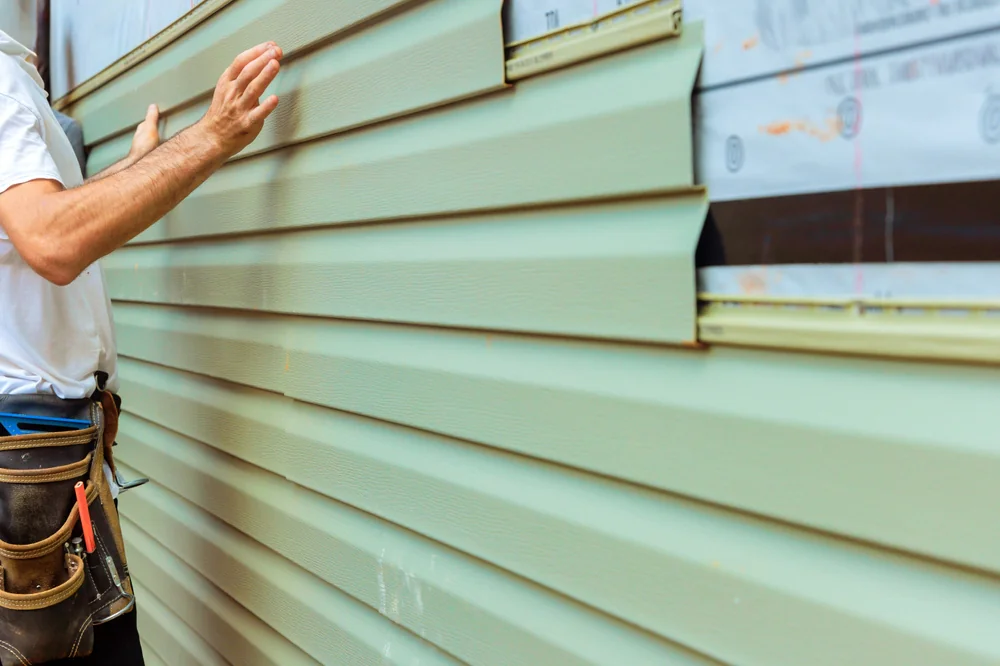
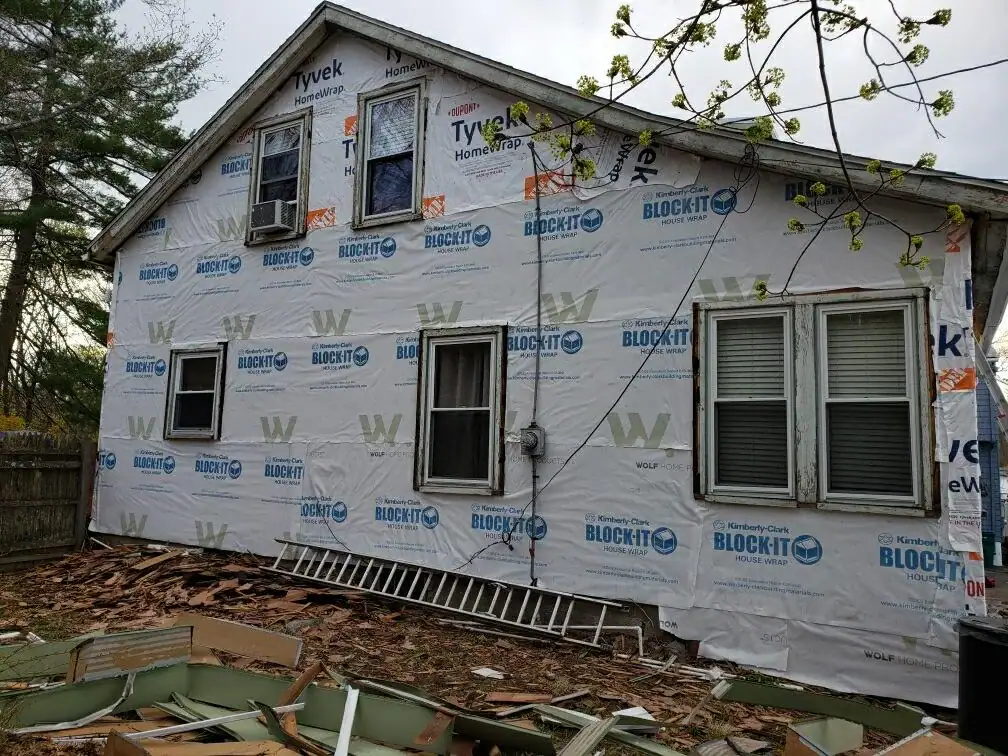
First, we walk your property and inspect everything. We’re looking for cracks, loose panels, failed caulking, warped sections, and any signs of moisture damage. We check corners, seams, trim areas—places where problems usually start.
Then we clean. We use soft washing, not high-pressure blasting that can damage your siding. Soft washing removes dirt, algae, mold, and mildew without forcing water behind your panels or stripping off protective coatings. It’s the same method manufacturers recommend.
If we found damage during inspection, we talk through what needs fixing and why. You get a clear explanation and a straightforward price. No upselling, no scare tactics. Just honest assessment of what’s wrong and what it takes to fix it.
After repairs, we document everything. You get photos, notes on what was done, and recommendations for future maintenance. That documentation helps if you ever need to file a warranty claim or if you sell the house down the road.
Ready to get started?
Every maintenance visit includes a full inspection using a detailed checklist. We examine every accessible section of your siding, looking for the specific issues that develop in Antrim’s climate. That means checking for ice damage along the foundation, wind damage on exposed walls, and moisture problems in shaded areas where snow piles up.
Cleaning covers your entire exterior. We treat mold and mildew removal seriously because organic growth doesn’t just look bad—it breaks down siding materials over time. Our soft washing process kills growth at the root and removes staining without damaging your siding’s finish.
We also handle minor repairs during the same visit when possible. Replacing a few cracked panels or re-caulking seams doesn’t require a separate appointment. You’re not paying for us to come back out for small fixes that take twenty minutes.
For homes with older siding, we pay extra attention to areas where water typically causes problems first. That’s around windows, doors, corner posts, and anywhere two different materials meet. These spots fail before the rest of your siding does, and catching them early saves you from much bigger repairs.
Once a year is the standard recommendation, and timing matters. Most homeowners schedule maintenance in late spring or early fall.
Spring maintenance makes sense after winter. That’s when you’re assessing damage from ice, snow load, and freeze-thaw cycles. You want to catch problems before summer humidity makes mold worse or before next winter compounds existing cracks.
Fall maintenance prepares your siding for cold weather. You’re sealing gaps, fixing loose panels, and making sure everything’s tight before snow starts piling up. It’s also easier to see problems in fall when plants have died back and you have clear access to your foundation.
If your home is in a heavily shaded area or you’ve had mold problems before, twice a year isn’t overkill. Shade and moisture create conditions where organic growth comes back quickly. An extra cleaning prevents permanent staining and material breakdown.
Power washing uses high pressure to blast dirt off. Soft washing uses low pressure and specialized cleaning solutions to break down and remove grime. For most siding, soft washing is the better choice.
High pressure can force water behind your siding panels, crack vinyl, strip paint, and damage caulking. It’s fast, but it causes problems you won’t see until later when you’re dealing with water damage or loose panels. Manufacturers specifically warn against high-pressure washing for vinyl and fiber cement siding.
Soft washing takes a bit longer, but it’s safer and often more effective. The cleaning solution does the work instead of pressure. It kills mold and mildew at the source, removes algae without scrubbing, and doesn’t risk damaging your siding or forcing water where it shouldn’t go.
There are situations where higher pressure makes sense—like stripping old paint or cleaning concrete. But for routine siding maintenance in Antrim, NH, soft washing protects your investment while still getting everything clean.
You can clean your own siding if you’re comfortable on a ladder, have the right equipment, and know what you’re doing. Most homeowners hire us because it’s safer, faster, and the results are better.
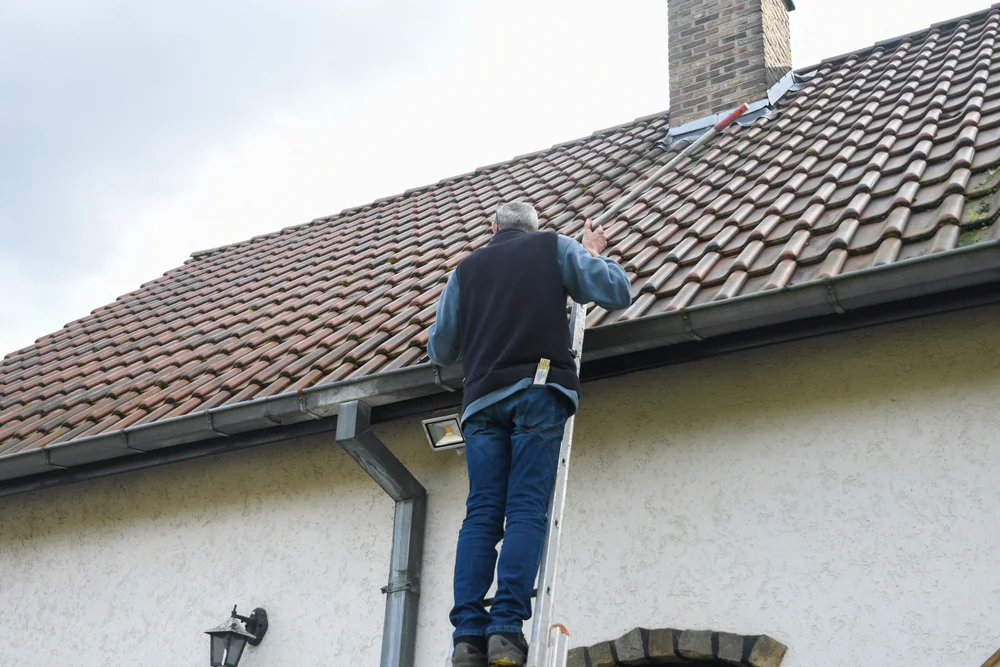
The main issue is access. Multi-story homes require extension ladders or scaffolding. You’re working at height, handling equipment, and trying to clean evenly. It’s physically demanding and risky if you’re not experienced with ladder work.
Equipment matters too. Renting a pressure washer costs money, and most rental units don’t have adjustable pressure or the right nozzles for soft washing. You can damage your siding if the pressure’s too high or the angle’s wrong. Our professional equipment is calibrated for different materials and includes commercial-grade cleaning solutions that work better than household products.
The biggest difference is in the results. We know how to remove staining without damaging finishes, how to treat mold so it doesn’t come back in three weeks, and how to spot problems while we’re cleaning. If you just want surface dirt gone and you have a single-story ranch, DIY might work. For thorough cleaning and inspection, professional service makes more sense.
Look for visible cracks, warping, loose panels, or sections that look different from the rest. Those are obvious signs. The harder part is catching problems before they’re obvious.
Check your siding after major storms or at the end of winter. Walk your property and look for panels that are pulling away from the house, caulking that’s cracked or missing, and any areas where the siding looks wavy or buckled. Run your hand along seams—if you feel gaps or movement, something’s loose.
Inside your home, water stains on walls or ceilings near exterior walls mean water’s getting in somewhere. So does peeling paint, soft spots in drywall, or a musty smell in certain rooms. These are signs that your siding isn’t doing its job anymore.
Mold and mildew on the outside aren’t always damage, but heavy growth in one area can indicate a moisture problem behind the siding. Same with algae that keeps coming back in the same spot even after cleaning.
If you’re not sure what you’re looking at, that’s what our professional inspections are for. We see the subtle signs that homeowners miss—early material breakdown, failed flashing, small separations that will become big problems. Catching this stuff early is the whole point of regular maintenance.
Moisture and shade. That’s it. Mold and mildew need water and a place where sunlight doesn’t kill them off.
In Antrim, you get plenty of both. North-facing walls stay damp longer. Areas under roof overhangs or near trees don’t get direct sun. Humidity in summer creates perfect growing conditions, and morning dew gives mold the moisture it needs.
Your siding material matters too. Vinyl and wood are more prone to organic growth than fiber cement or metal. Textured surfaces hold moisture longer than smooth ones. If you have bushes or plants close to your house, they block airflow and keep things damp.
The fix is regular cleaning with proper mold and mildew removal products. Household bleach kills surface growth but doesn’t prevent it from coming back. Our professional treatments penetrate deeper and include inhibitors that slow regrowth.
You can also reduce the problem by trimming vegetation away from your house, improving drainage so water doesn’t splash up onto siding, and making sure your gutters aren’t overflowing onto walls. But in a climate like ours, some amount of organic growth is normal. The key is removing it before it causes permanent staining or breaks down your siding material.
Yes, because most expensive repairs start as small problems that get ignored. A tiny crack becomes a water leak. A loose panel lets wind get behind your siding. Mold on the surface eventually works its way into the material itself.
Water damage is the big one. Once moisture gets behind your siding, it rots sheathing, damages insulation, and creates mold inside your walls. Fixing that means tearing off siding, replacing structural components, and dealing with potential mold remediation. You’re looking at thousands of dollars instead of a hundred-dollar panel replacement.
Regular maintenance catches these issues when they’re still minor. We replace a cracked panel before water gets in. We re-caulk seams before gaps widen. We identify areas where your siding is starting to fail and fix them before the problem spreads.
There’s also the energy cost. Gaps in your siding let conditioned air out and outside air in. Your heating and cooling systems work harder, and your bills go up. Proper maintenance keeps everything sealed and efficient.
Think of it like changing your oil. Skip it long enough and you’ll need a new engine. Take care of small maintenance regularly and your car runs for years. Your siding works the same way.