Hear from Our Customers
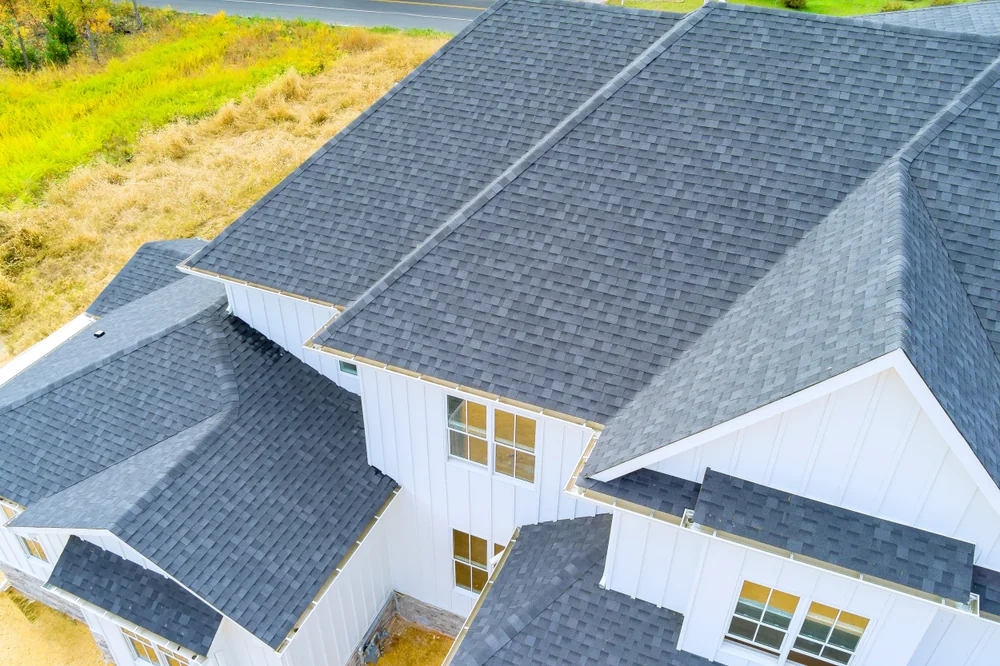
You’re dealing with cracked panels, fading color, or moisture creeping behind your siding. Maybe your energy bills keep climbing because your walls aren’t doing their job anymore. That’s not just annoying—it’s costing you money every month and putting your home at risk.
Quality siding installation changes that. You get protection from freeze-thaw cycles that crack inferior materials. You get insulation that actually keeps heat where it belongs. You stop patching the same problem areas every spring.
The right exterior home remodeling in Wilton, NH means you’re not calling for repairs two years later. It means walking past your house and feeling good about what you see. It means knowing that when the next ice storm hits, your walls can handle it.
We operate as an Owens Corning Preferred Contractor, which means we meet requirements most companies don’t bother with. Our focus stays on quality—the kind that means you’re not paying twice because the first job failed.
Wilton homeowners know what New Hampshire weather does to a house. You’ve seen siding jobs that looked fine for a year, then started buckling. We’ve been fixing those mistakes for other people long enough to know exactly what fails and why.
Our crews show up on time, install materials the right way, and leave your property cleaner than we found it. That’s not remarkable—it’s baseline. What matters is whether your siding is still protecting your home in ten years.
First, we come out and actually look at your property. Not a five-minute glance—a real assessment of what’s failing, what’s causing it, and what you actually need. You get a free siding estimate in Wilton, NH that breaks down materials, labor, and timeline without the runaround.
Once you’re ready to move forward, we schedule around your life, not ours. Our crew preps the exterior properly—removing old siding, checking for moisture damage or rot in the sheathing, and fixing what needs fixing before new materials go up. Skipping this step is how other contractors create problems you’ll discover later.
Installation follows manufacturer specs exactly. Proper fastening, correct overlap, adequate expansion gaps—details that matter when temperatures swing 60 degrees between January and July. We’re not rushing to the next job. We’re making sure water can’t get behind your siding and insulation performs like it should.
Cleanup happens daily, and final walkthrough happens with you. You see what we did, ask questions, and sign off when you’re satisfied.
Ready to get started?
You’re looking at premium-grade vinyl siding or fiber cement options—both engineered for New Hampshire’s climate extremes. Vinyl runs about $8-10 per square foot installed for a typical 1,800 square foot Wilton home, putting you around $14,400-$18,000. Fiber cement like James Hardie costs more upfront at $11-13 per square foot, but you’re buying decades of performance with almost zero maintenance.
Insulated vinyl siding adds a foam core that cuts heat transfer and drops your energy costs. That’s not marketing talk—it’s basic building science. Better insulation means your furnace runs less in winter and your AC works less in summer.
Spring and fall are your best installation windows in Wilton, NH. Materials need moderate temperatures to settle correctly. Summer heat causes expansion issues. Winter cold makes materials brittle. Timing matters more than most homeowners realize.
You also get workmanship guarantees and manufacturer warranties that actually mean something. We’re not disappearing after the final payment. If something’s wrong, we fix it.

Look for widespread problems, not isolated damage. One cracked panel from a baseball? That’s a repair. Fading across multiple walls, cracks in six different spots, or visible warping? You’re past the repair stage.
Check for moisture signs inside your home—peeling paint near windows, musty smells in walls, or unexplained mold growth. That means water is getting through your siding and into your wall cavities. At that point, patching the outside doesn’t solve the problem.
Run the math on repair costs too. If you’re spending $2,000-3,000 every few years fixing different sections, replacement makes more financial sense. You’re just delaying the inevitable while your energy bills stay high and your home stays vulnerable.
Vinyl costs less upfront and never needs painting. It handles freeze-thaw cycles well and comes in dozens of colors. The downside? It can crack in extreme cold if something impacts it, and color fades over 15-20 years, especially on south-facing walls.
Fiber cement costs about 30% more but outlasts vinyl by a decade or more. It won’t crack from cold, doesn’t fade like vinyl does, and holds paint better if you want to change colors later. The catch is it’s heavier, so installation takes longer and costs more.
For Wilton’s climate, both work if installed correctly. Your decision comes down to budget and how long you’re planning to stay in the house. Vinyl makes sense if you’re selling in 10 years. Fiber cement makes sense if this is your forever home.
Plan on one to two weeks for a standard single-family home around 1,800 square feet. That includes removing old siding, repairing any sheathing damage, installing new materials, and finishing trim work.
Weather delays happen in New Hampshire—that’s just reality. We don’t install in heavy rain or when temperatures drop below manufacturer minimums. Rushing installation in bad conditions causes problems you’ll pay for later.
Bigger homes or complex architecture with lots of corners, peaks, and detail work take longer. So do projects where we discover rot or structural issues once old siding comes off. We give you realistic timelines upfront and keep you updated if anything changes.
Insulated siding can cut heat loss by 20-30% compared to old, non-insulated materials. That translates to real savings—potentially $200-400 per year depending on your home’s size and your current heating costs.
The bigger impact comes from eliminating air leaks and moisture infiltration. Old siding with gaps lets cold air penetrate your walls, making your furnace work harder. New siding with proper installation creates a continuous thermal barrier.
Don’t expect miracles if your attic insulation is terrible or your windows are shot. Siding is one piece of your home’s energy performance. But it’s a significant piece, especially in New England where heating season runs October through April.
We fix it before new siding goes up—that’s non-negotiable. Covering rotted sheathing or framing with new siding just hides a problem that will get worse. You’ll end up with mold, structural damage, and a much bigger repair bill down the road.
Most Wilton homes built before 2000 have at least some moisture damage, especially around windows, doors, and lower walls where snow accumulates. We replace damaged sheathing, treat any mold, and make sure framing is solid before moving forward.
This adds cost and time to your project, but there’s no way around it. The good news is you’ll know exactly what you’re paying for and why. We document damage with photos and explain what needs fixing before we do the work.
Yes. We come to your property, assess what you’re dealing with, and give you a detailed estimate that breaks down materials, labor, and timeline. No pressure, no sales games—just clear information so you can make a smart decision.
The estimate includes material options with real cost differences explained. You’ll understand why fiber cement costs more than vinyl and what you get for that extra money. We also flag any concerns we spot—rot risk areas, ventilation issues, or trim that needs attention.
Free estimates don’t mean fast estimates. We take the time to do it right because a rushed assessment leads to change orders and surprise costs later. You deserve to know what you’re buying before you commit.