Hear from Our Customers
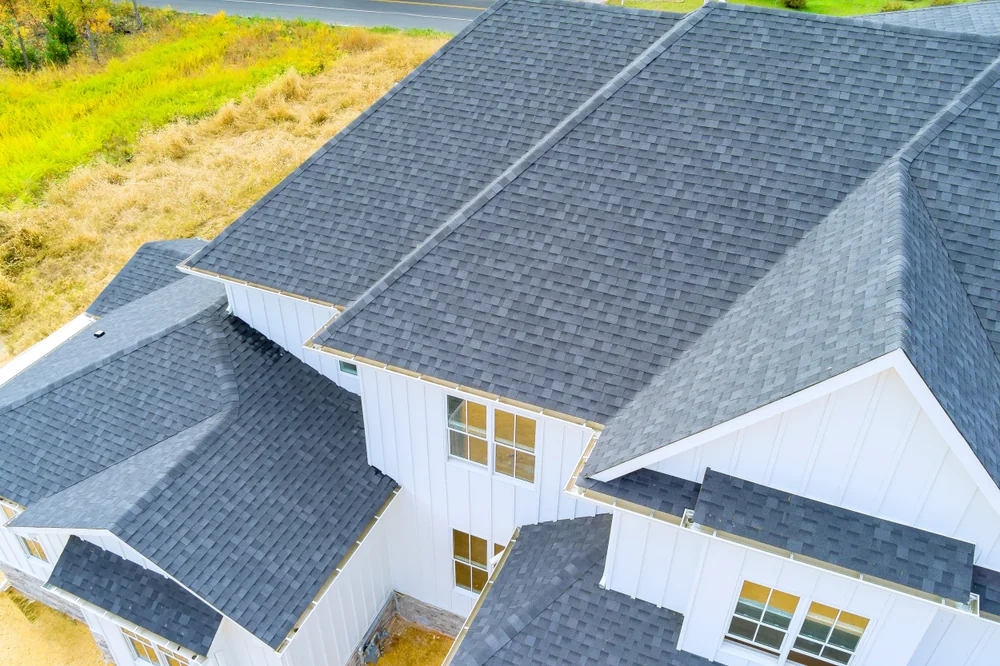
Your siding isn’t just about looks. It’s the barrier between your home’s structure and everything Hudson’s climate throws at it—ice, wind, moisture, temperature swings that crack cheaper materials within years.
When siding fails, water gets in. That means mold in your walls, higher heating bills, and repair costs that make you wish you’d done it right the first time. Good siding stops that cycle.
You’ll see lower energy bills because modern materials insulate better than what’s probably on your house now. You’ll stop worrying about rot, warping, or that faded look that screams “this house needs work.” And if you’re thinking about selling, you’re looking at recouping 80-88% of your investment—one of the best returns in home improvement.
We’re talking about protection that lasts decades, not years. Materials that handle Hudson’s weather without constant babysitting. Installation done right so you’re not calling someone back in three years to fix what should’ve been sealed properly the first time.
We work throughout Hudson and the surrounding New Hampshire area. We’ve seen what happens when siding isn’t installed correctly or when homeowners go with the cheapest option available.
Hudson homes deal with serious weather exposure. Your siding needs to handle wind that tests every seam, snow loads that stress weak points, and temperature swings that expand and contract materials daily. We use products built for this—fiber cement, quality vinyl, materials that won’t buckle under pressure.
We’re straightforward about what your home needs. No high-pressure sales tactics. No pushing you toward the most expensive option when something else makes more sense. Just honest assessment and installation done by people who’ve been doing this long enough to know the difference between cutting corners and doing it right.
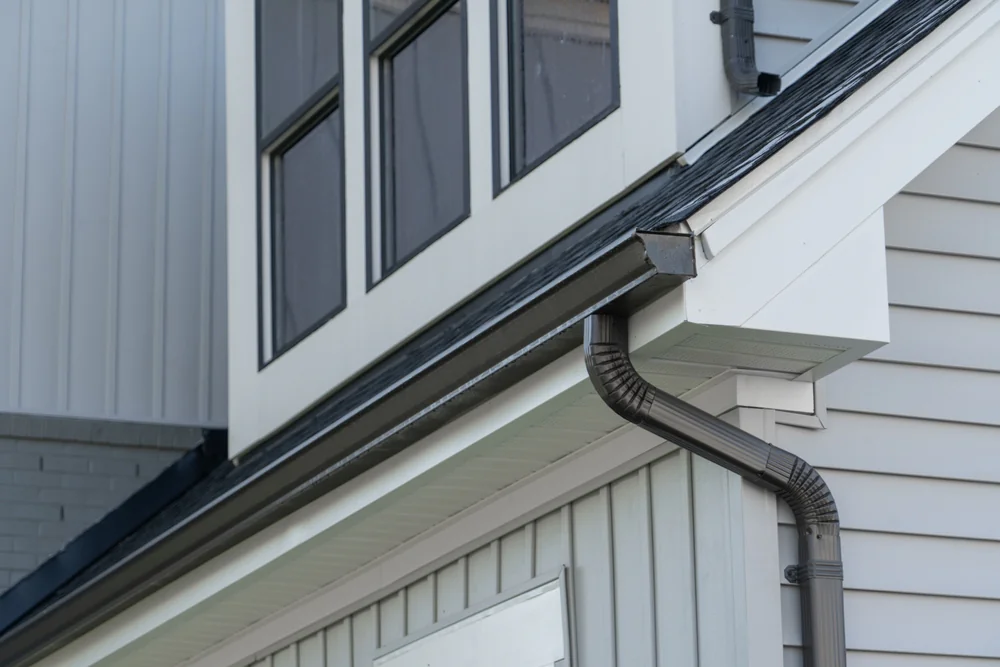
We start with a free estimate at your property. We’ll look at your current siding, check for damage you might not see from the ground, and talk about what you’re dealing with—whether that’s rot, moisture problems, or just outdated material that’s past its useful life.
You’ll get material options that actually make sense for your home and budget. We’ll explain what each one does well and where it falls short. Fiber cement lasts longer but costs more upfront. Vinyl requires almost zero maintenance but won’t give you that wood grain look. You decide what matters most.
Installation starts with removing old siding and inspecting what’s underneath. If there’s rot or moisture damage, we address it before new siding goes up. Then we install your new material with proper sealing, flashing, and attention to areas where water typically finds its way in—around windows, doors, and corners.
Every job gets inspected before we consider it done. We’re checking alignment, seal integrity, and making sure everything that should be weathertight actually is. You’re not paying for siding that looks good for six months and then starts showing problems.
Ready to get started?
You’re getting material selection based on what Hudson’s climate demands. We work with James Hardie fiber cement, quality vinyl options, and other materials proven to handle New England weather. Not every product works well here—we only install what we’d put on our own homes.
Installation includes proper moisture barriers, sealed seams, and correct flashing around every opening. This is where most problems start when contractors rush through jobs. We don’t. Every piece gets installed to manufacturer specs because that’s what keeps your warranty valid and your home protected.
You’ll get a clear timeline before work starts. Most residential siding projects in Hudson take one to two weeks depending on home size and material choice. Weather can affect scheduling—we’re not installing in conditions that compromise the work.
Hudson homeowners are dealing with homes that average over $500,000 in value. Your siding needs to match that investment. We’re talking about materials that add real resale value while cutting your energy costs now. Proper installation can reduce heating and cooling costs by 5-30%, which matters when you’re running heat six months a year.

Depends entirely on the material and whether it was installed correctly. Vinyl siding typically lasts 20-40 years in New England if it’s quality material installed properly. Fiber cement can push 50 years or more. Wood siding might give you 20-30 years but requires regular maintenance—painting, staining, checking for rot.
Hudson’s weather is tough on siding. You’ve got freeze-thaw cycles that crack inferior materials, wind that tests every fastener, and moisture that finds any gap in your weather barrier. Cheap vinyl gets brittle and cracks. Poorly installed siding of any type fails early because water gets behind it.
The installation matters as much as the material. Siding that’s not properly sealed or lacks adequate moisture barriers won’t hit those lifespan numbers regardless of quality. That’s why we focus on doing it right—correct fastening, proper overlap, sealed seams, flashing that actually directs water away from vulnerable areas.
Vinyl costs less upfront and requires almost zero maintenance. It won’t rot, doesn’t need painting, and handles moisture well. The downside is it can crack in extreme cold, fade over time, and doesn’t give you the dimensional look of wood. It’s a solid choice if you want durability without ongoing work.
Fiber cement costs more initially but lasts longer and looks better. It can mimic wood grain convincingly, won’t burn, and stands up to impact better than vinyl. It does need painting every 10-15 years, but it holds paint better than wood and won’t rot or attract pests. For Hudson homes, it’s often worth the extra investment.
Your choice comes down to budget and priorities. If you’re planning to stay in your home long-term and want the best protection and appearance, fiber cement makes sense. If you want good performance at a lower price point and don’t mind a more utilitarian look, quality vinyl does the job. Both beat what’s probably on your house now if your siding is 20+ years old.
Yes, but how much depends on what you’re replacing and what’s underneath. If your current siding is old and your home lacks proper insulation, you’ll see noticeable savings. Modern siding materials insulate better, and proper installation eliminates air leaks that force your heating and cooling systems to work harder.
Hudson homes with older siding often have gaps, cracks, and areas where the weather barrier has failed. You’re essentially heating the outdoors during winter. New siding with proper moisture barriers and insulation can cut heating and cooling costs by 5-30%. That’s real money over the 20-40 year lifespan of your siding.
The biggest gains come from addressing the full envelope—siding, proper sealing, and adequate insulation behind it. If we find gaps or insufficient insulation during removal of old siding, we’ll tell you. Fixing those issues while the walls are open makes sense and maximizes your energy savings.
Look for rot, warping, or loose pieces. If you’re seeing those in multiple areas, replacement usually makes more sense than patching. Check for moisture inside your home near exterior walls—water stains, peeling paint, or mold means water is getting through your siding.
Higher energy bills without explanation often point to failing siding. When the weather barrier breaks down, you lose insulation value. If you’re constantly adjusting your thermostat or noticing cold spots near exterior walls, your siding probably isn’t doing its job anymore.
Age matters too. If your siding is 20+ years old and showing wear, you’re approaching the end of its useful life. Repairs might buy you a few years, but you’ll likely face replacement soon anyway. We’ll give you an honest assessment during your free estimate—if repair makes sense, we’ll tell you. If you’re throwing good money after bad, we’ll tell you that too.
Residential siding services in Hudson typically run $8,000-$24,000 for an average home, depending on material choice, home size, and project complexity. Vinyl sits at the lower end. Fiber cement costs more but lasts longer. These are ballpark numbers—your actual cost depends on your specific situation.
Factors that affect price include the amount of prep work needed, whether we’re dealing with rot or structural issues under the old siding, trim work, and architectural details that require more labor. A simple ranch costs less than a two-story colonial with complex rooflines and multiple corners.
We provide free estimates that break down exactly what you’re paying for. No hidden fees or surprise charges. You’ll know the cost before we start work. And remember—you’re looking at 80-88% cost recovery on resale, plus energy savings and eliminated maintenance costs over the life of the siding. It’s an investment that pays back.
Some materials can be installed in cold weather, but there are limitations. Vinyl becomes brittle below 40°F and can crack during installation. Fiber cement can be installed in colder temperatures, but caulks and sealants don’t cure properly below certain thresholds. We won’t install in conditions that compromise the work.
The best installation window in Hudson runs from late spring through mid-fall. You get proper curing of sealants, materials that remain flexible during installation, and weather that allows us to work efficiently. That said, if you’ve got failing siding and need it addressed before winter, we’ll evaluate whether your specific project can be done safely.
We’re not going to take your money and deliver subpar work because the calendar isn’t ideal. If winter installation makes sense for your situation and material choice, we’ll do it right. If it doesn’t, we’ll be straight with you about waiting for better conditions. Your home’s protection matters more than rushing a job.