Hear from Our Customers

Here’s what changes after we install your new siding. Your heating and cooling costs drop—properly installed insulated siding cuts energy waste by up to 20%. That pays itself back in 7 to 10 years, sometimes faster depending on your current setup.
You stop worrying about rot, pests, and constant repainting. Modern vinyl siding installation in Hudson doesn’t need the endless upkeep that wood demands. A hose and some soap once or twice a year keeps it looking clean.
Your home handles New Hampshire’s weather without cracking under pressure. We’re talking about protection from wind-driven rain, temperature swings that go from below zero to summer heat, and the kind of storms that test every weak point in your exterior. Quality fiber cement siding cost runs higher upfront, but it lasts 50+ years. Vinyl gives you 20 to 40 years of solid performance at a lower price point. Both beat the alternative of dealing with damaged, inefficient siding that’s costing you money every month.
We operate out of Massachusetts and serve Hudson, NH with the same attention to detail we’ve brought to every job since we started. We’re licensed, insured, and ranked in the top 8% of over 139,000 contractors in our region according to BuildZoom.
We’re also an Owens Corning Preferred Contractor, which means we met their requirements for quality work and customer service. That’s not something they hand out freely. Hudson homeowners hire us because New Hampshire’s real estate market is hot right now—it’s ranked the #9 hottest market in 2024—and you need contractors who understand what buyers and appraisers look for when they evaluate your home’s exterior.
First, we come to your property and assess what you’re working with. We look at your current siding condition, measure everything, check for underlying issues like water damage or structural concerns, and discuss what you want. Vinyl, fiber cement, James Hardie—we’ll explain the differences in cost, durability, and maintenance so you can make an informed choice.
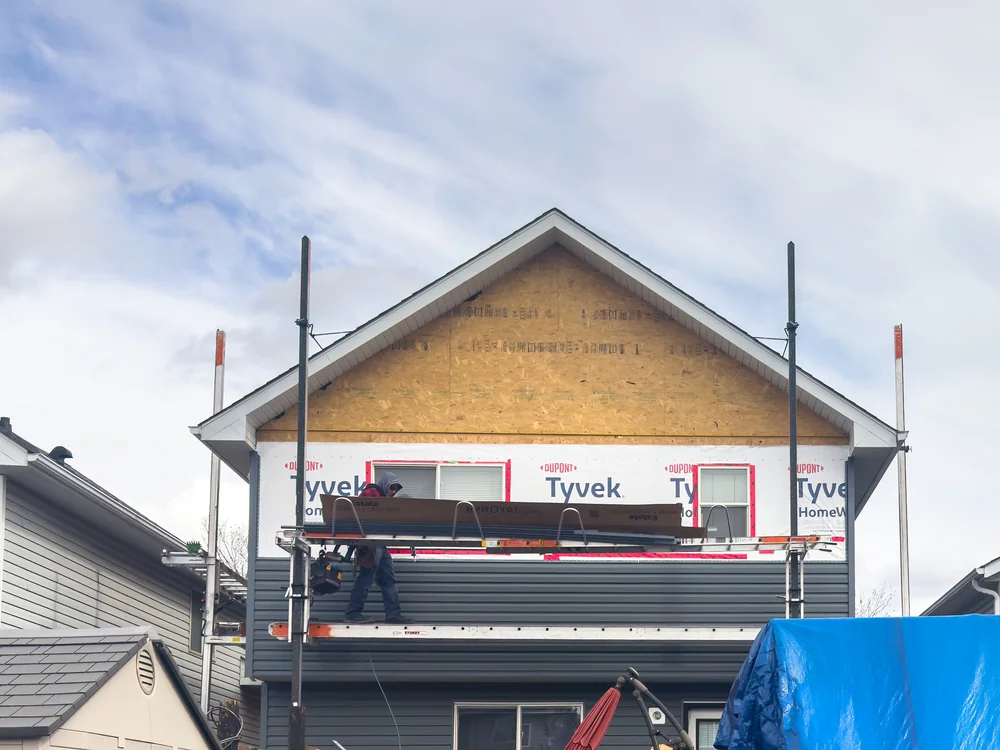
Once you approve the estimate, we schedule the work and order materials. Before any new siding goes up, we handle house wrapping in Hudson properly. That means removing old siding, inspecting and repairing sheathing if needed, and installing weather-resistant barriers that keep moisture out. This step matters more than most homeowners realize—it’s where a lot of contractors cut corners, and it’s where you end up with problems years later.
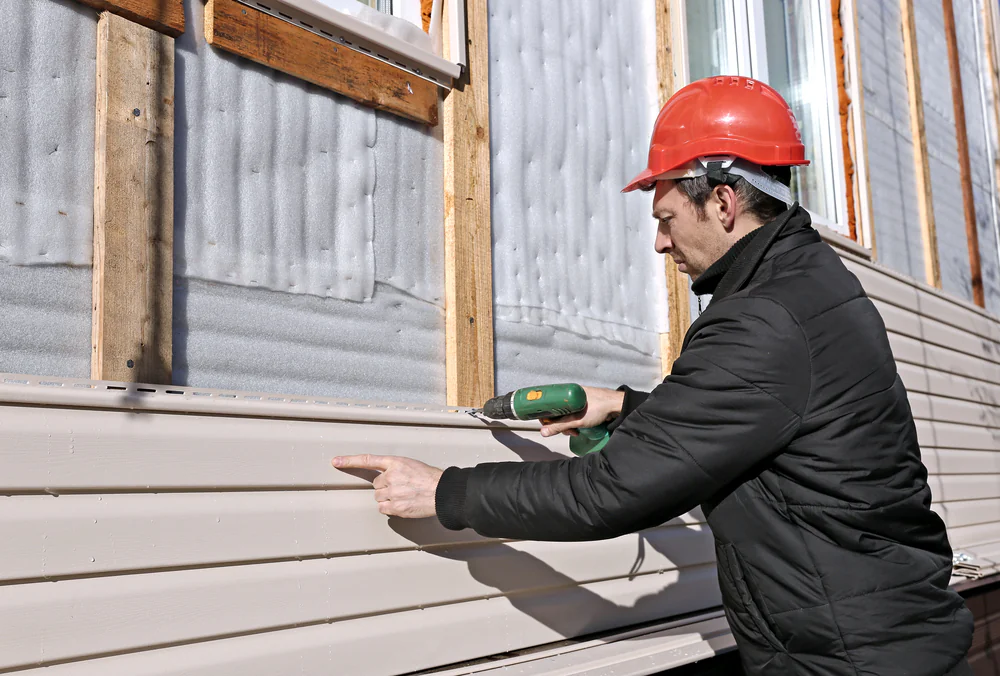
Then we install your new siding with the right fastening, spacing, and sealing techniques. We don’t rush. We make sure every piece is level, every seam is tight, and every penetration around windows and doors is properly flashed. When we’re done, we clean up completely and walk you through what we did. The whole process typically takes a week or so depending on your home’s size and the scope of work.
Ready to get started?
You get a full exterior upgrade that addresses energy efficiency, weather protection, and curb appeal all at once. In Hudson, where you’re dealing with cold winters and humid summers, that means choosing materials that won’t crack when temperatures drop or warp when heat climbs. Vinyl siding installation in Hudson typically costs $2 to $7 per square foot installed. Fiber cement siding cost runs $4 to $10 per square foot, but you’re looking at decades more lifespan.
We know that fiber cement handles fire risk better than vinyl—it’s non-combustible, which gives you an extra layer of protection and can affect your insurance rates. Vinyl gives you more color options and lower maintenance. Both improve your home’s resale value. Homeowners who install vinyl siding recoup about 80% of the project cost when they sell, according to industry data.
You also get the new siding benefits that come from modern insulation technology. Older homes in Hudson often have minimal exterior insulation. Adding insulated siding reduces thermal bridging and air infiltration, which means your HVAC system doesn’t work as hard. Some homeowners see energy cost reductions of 5% to 30% depending on what they’re replacing and how well the installation is executed.
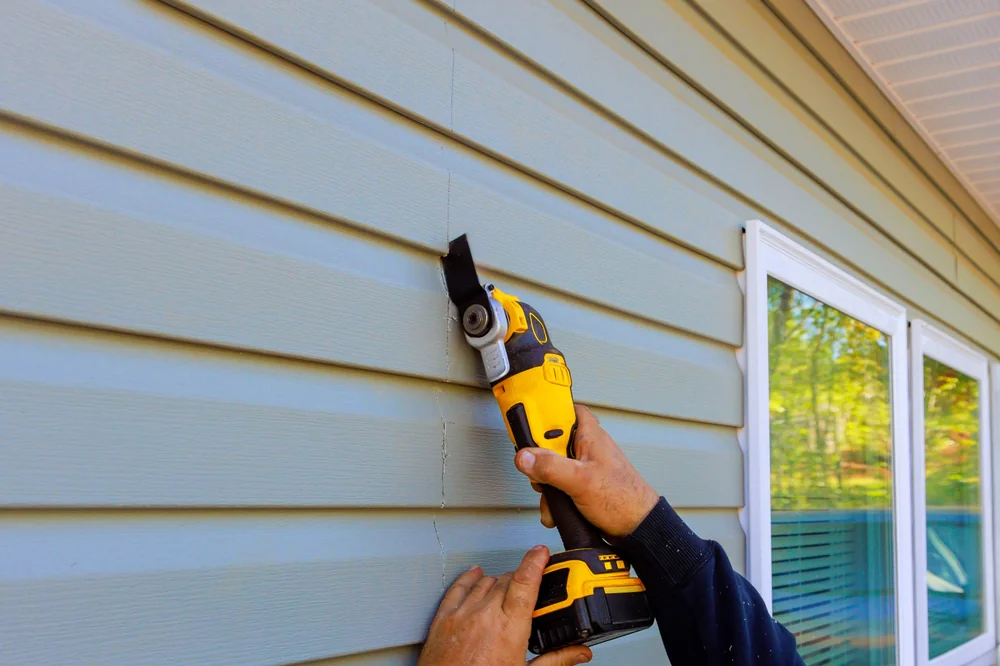
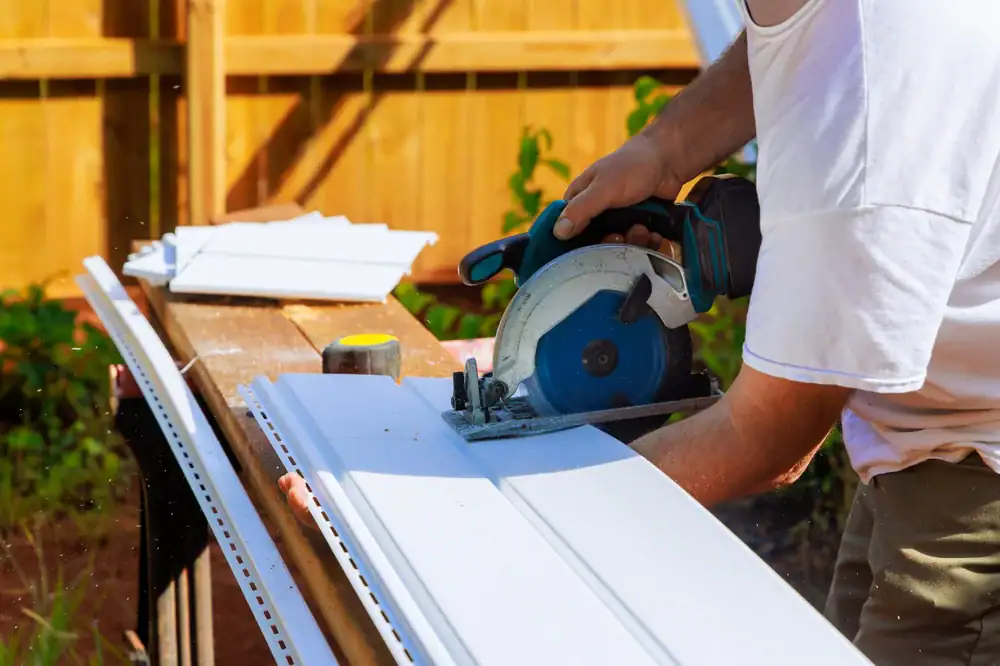
Most siding jobs in Hudson take between five and ten days depending on the size of your home, the material you choose, and whether we find any underlying repairs during tear-off. A straightforward vinyl siding installation on a ranch-style home usually wraps up in about a week. Larger two-story homes or projects involving fiber cement take longer because the material is heavier and requires more precise cutting and fastening.
Weather plays a role too. We can’t install siding in heavy rain or when temperatures drop too low for adhesives and caulks to cure properly. In New Hampshire, that means we sometimes have to pause work for a day or adjust the schedule. We’ll give you a realistic timeline upfront and keep you updated if anything changes.
The goal isn’t speed—it’s doing it right the first time so you don’t have callbacks or problems down the road.
Vinyl costs less upfront and requires almost zero maintenance. It won’t rot, it resists pests, and you never have to paint it. The downside is it can crack in extreme cold—and Hudson gets cold—and it’s more vulnerable to impact damage from hail or flying debris. It typically lasts 20 to 40 years depending on quality and installation.
Fiber cement, including James Hardie products, costs more and weighs more, which means installation takes longer. But it lasts 50+ years, it’s non-combustible, and it holds up better against impacts and temperature extremes. It can be painted, so you have more flexibility with color changes over time. Some homeowners prefer the look and feel of fiber cement because it mimics wood texture more convincingly than vinyl.
If you’re planning to stay in your home long-term and you want maximum durability, fiber cement makes sense. If you want solid performance at a lower price point and you’re okay with a shorter lifespan, vinyl is a smart choice. Both work well in Hudson’s climate when installed correctly.
It’s real, but the savings depend on what you’re replacing and how well the job is done. If you’re upgrading from old, damaged siding with no insulation behind it, you’ll see a noticeable difference. Insulated vinyl siding can reduce heating and cooling costs by up to 20% according to industry studies. That’s because it reduces thermal bridging and air leaks that force your HVAC system to work harder.
In Hudson, where winter heating costs are significant, even a 10% to 15% reduction adds up over the course of a year. The payback period is usually 7 to 10 years, sometimes less if energy prices keep climbing. Fiber cement doesn’t offer as much insulation value as insulated vinyl, but when combined with proper house wrapping and air sealing, it still improves your home’s thermal performance.
The key is installation quality. If we don’t properly seal penetrations, flash windows and doors correctly, or install a weather-resistant barrier, you won’t get the energy savings you’re expecting. That’s where experience and attention to detail matter.
Look for visible damage first—cracks, warping, holes, or pieces that are loose or missing. If you see rot, especially around windows, doors, or corners, that’s a red flag. Rot means water is getting behind your siding, and that can lead to structural damage if you don’t address it.
Check your energy bills. If they’ve been creeping up and your HVAC system is running more than it used to, failing siding could be part of the problem. Walk around your house after a heavy rain and look for water stains or moisture inside. That’s a sign your exterior barrier isn’t doing its job.
Also consider age and maintenance burden. If you’re constantly repainting, recaulking, or dealing with pest damage, it might be time to upgrade to a low-maintenance material like vinyl or fiber cement. About 39% of homeowners replace their siding because it’s damaged, not because they want a new look. If your siding is compromised, waiting usually makes the problem—and the cost—worse.
Start with licensing and insurance. In New Hampshire and Massachusetts, contractors need proper credentials to work legally. Ask to see their license number and verify it’s active. Make sure they carry liability insurance and workers’ compensation so you’re not on the hook if someone gets hurt on your property.
Check their track record. How long have they been in business? What’s their reputation with past customers? Look for reviews that mention quality of work, communication, and how they handled problems if any came up. A BuildZoom score or similar third-party rating can give you an objective measure of their standing compared to other contractors in the region.
Ask specific questions about the installation process. How do they handle house wrapping? What kind of weather barrier do they use? How do they flash windows and doors? Do they subcontract the work or use their own crews? Contractors who can’t answer these questions in detail either don’t know what they’re doing or they’re not the ones actually doing the work. You want someone who understands the technical side and can explain it in plain language.
You can install siding in winter, but there are limitations. Vinyl becomes brittle below 40 degrees, so cutting and fastening it in freezing temperatures increases the risk of cracking. Most manufacturers recommend installing vinyl when it’s at least 40 to 50 degrees outside. Fiber cement has similar temperature requirements for the caulks and sealants to cure properly.
That said, we’ve done winter installations in Hudson when we have a stretch of decent weather. It requires more planning and sometimes means working in shorter windows, but it’s possible. If you need siding replaced because of damage and you can’t wait until spring, talk to us about timing and material options.
Spring and fall are ideal because temperatures are moderate and you’re less likely to deal with weather delays. Summer works too, though extreme heat can cause vinyl to expand, so we adjust our fastening technique accordingly. The bottom line is we won’t install your siding in conditions that compromise the quality of the work, even if it means waiting a few days for better weather.