Hear from Our Customers
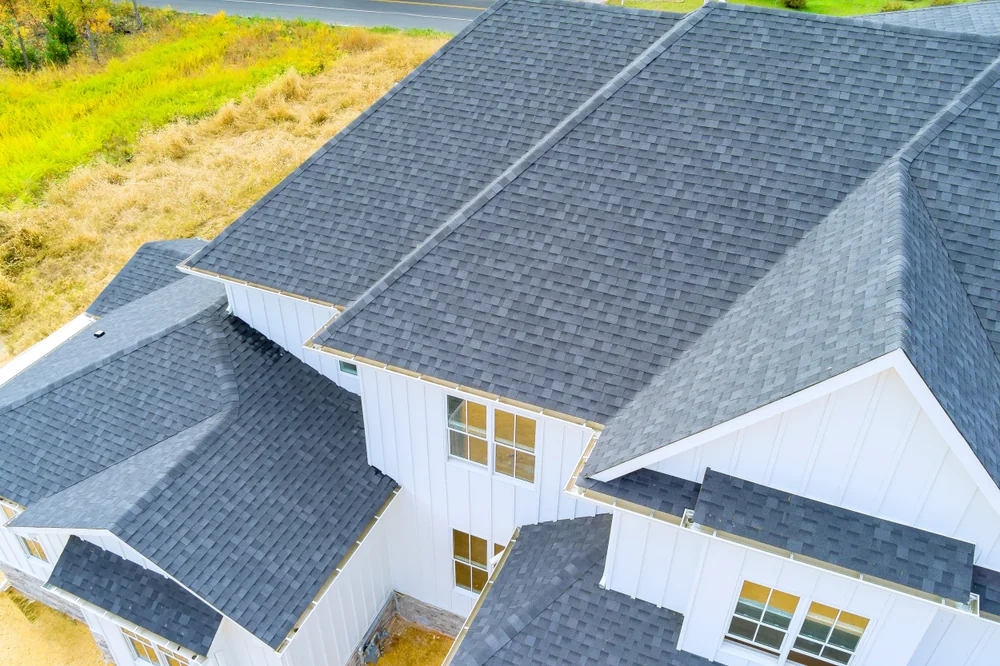
Your heating bill shouldn’t spike every December because your siding can’t do its job. When siding fails, moisture gets in, insulation stops working, and you’re basically heating the outdoors. That’s not just uncomfortable—it’s expensive.
Quality exterior home remodeling in Exeter, NH means installing siding that handles what New England throws at it. Heavy snow. Ice dams. Summer humidity. Materials that won’t crack when temperatures swing 60 degrees in a week.
You’ll notice the difference immediately. Lower energy costs. No more drafts near exterior walls. A home that actually looks maintained instead of tired. And when you eventually sell, you’re looking at recouping over 80% of your investment in increased home value.
This isn’t about curb appeal alone. It’s about protection, efficiency, and not throwing money away every winter.
We’ve been handling exterior projects in Exeter and throughout Rockingham County for years. We’re not new to this market, and we’re not learning on your dime.
We’ve seen what happens when contractors use materials that can’t handle New England weather. We’ve repaired the damage from rushed installations. That’s exactly why we only use products designed for this climate—and why our installation process doesn’t cut corners.
Exeter homeowners deal with specific challenges. Homes built in the 90s and early 2000s are hitting that 20-30 year mark where original siding starts failing. You’re not imagining it—your siding really is past its prime. We understand the local housing stock, the weather patterns, and what actually holds up here.
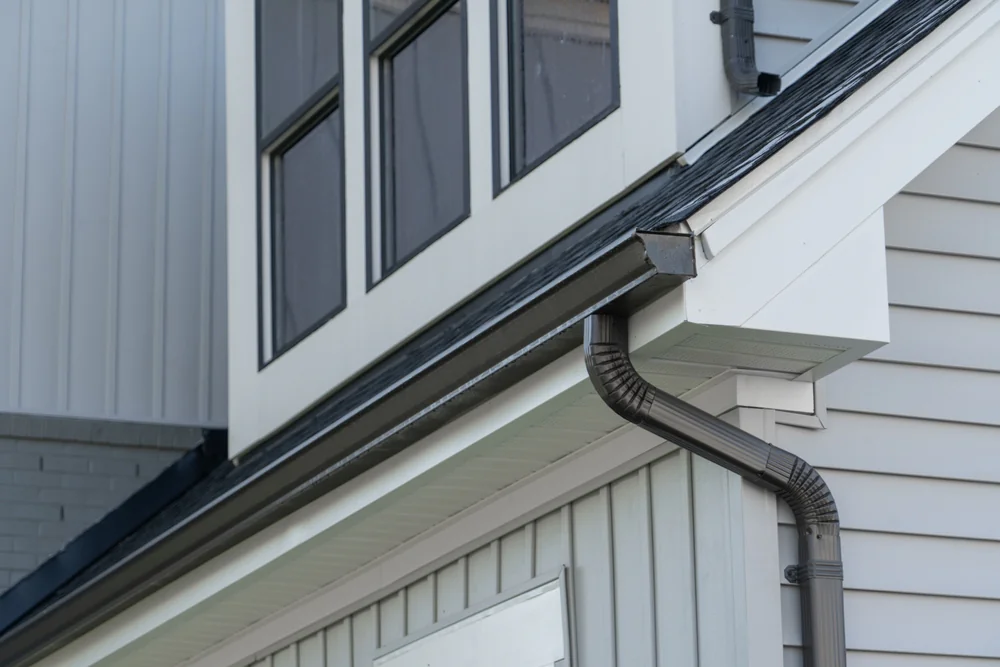
First, we come out and actually look at your home. Not a quick glance—a real assessment of what’s failing, why it’s failing, and what you need. We’ll show you where moisture is getting in, explain which materials make sense for your situation, and give you a transparent estimate with no surprises later.
Once you’re ready to move forward, we handle the prep work properly. That means removing old siding carefully, checking the sheathing underneath, and making any necessary repairs before new material goes up. Skipping this step is how other contractors end up trapping problems behind pretty new siding.
Installation is where experience matters most. Every piece needs to be aligned correctly, sealed properly, and secured to handle high winds and temperature swings. We’re not rushing to the next job. We’re making sure your siding actually performs.
After installation, we walk you through maintenance basics and make sure you’re completely satisfied. You’ll have our contact information for any questions down the road. Most quality siding lasts 40+ years with minimal maintenance—but only if it’s installed right from the start.
Ready to get started?
We offer vinyl siding installation in Exeter, NH, fiber cement options, and composite materials—each with different benefits depending on your priorities. Vinyl is low-maintenance and cost-effective. Fiber cement gives you that wood look without the wood maintenance. Composite materials offer premium durability.
Energy efficiency is a big deal here. Insulated siding can cut your heating and cooling costs by 10-15%, sometimes more. In Exeter’s climate, that adds up fast. We’ll explain which products qualify for the 30% federal tax credit on energy-efficient improvements, because that can significantly offset your upfront costs.
Color and style matter, but they’re not the whole story. Darker colors like charcoal, navy, and deep green are trending right now—they look sharp and hide dirt better than light colors. But in New Hampshire, you also need to think about UV resistance and how colors hold up through harsh winters.
We’re transparent about what different materials cost and what you’re actually paying for. Premium products cost more upfront but require less maintenance and last longer. Budget options can work fine if installed correctly. We’ll help you make the choice that fits your situation—not just push the most expensive option.

Most residential siding projects in Exeter take between one and two weeks, depending on your home’s size and the scope of work. A straightforward replacement on a 2,000 square foot home usually wraps up in about a week if weather cooperates.
That timeline includes removing old siding, inspecting and repairing the underlying structure, and installing new material properly. We’re not cutting corners to finish faster—rushed installation is how you end up with problems later.
Weather can extend the timeline. We won’t install siding in heavy rain or when temperatures drop too low, because adhesives and sealants need proper conditions to perform. It’s better to wait a day than compromise the installation quality.
Vinyl siding typically costs $8,000 to $15,000 for an average Exeter home, while fiber cement runs $15,000 to $25,000. That’s a significant gap, but you’re comparing two different products with different lifespans and maintenance requirements.
Vinyl is lightweight, easy to install, and requires almost no maintenance beyond occasional washing. It lasts 40+ years and comes in tons of colors. Fiber cement looks more like real wood, resists fire and pests better, and can last 50+ years—but it costs more upfront and needs repainting every 10-15 years.
For most homeowners, vinyl makes more sense financially. The lower cost, minimal maintenance, and solid performance in New England weather make it hard to beat. But if you want that premium wood appearance and don’t mind the higher price tag, fiber cement delivers.
Yes, but how much depends on what you’re replacing and what you’re installing. If your current siding is allowing moisture penetration, your existing insulation has probably lost most of its effectiveness. Wet insulation barely works at all.
Insulated siding can reduce heating and cooling costs by 10-15% compared to standard siding. In Exeter, where winter heating bills can hit $300-400 monthly for older homes, that’s real money. Over a 40-year lifespan, the energy savings can offset a significant portion of your installation cost.
The bigger factor is often air sealing. Properly installed siding with correct flashing and sealing stops drafts and moisture intrusion. Even standard vinyl siding will dramatically improve energy performance if your current exterior is compromised. We’ll assess your specific situation and give you realistic expectations for energy savings.
If you’re seeing cracks, warping, or rot in multiple areas, replacement usually makes more sense than patching. Widespread damage means the material has reached the end of its useful life, and repairs become a temporary fix that keeps costing you money.
Check for moisture inside your walls. Peeling paint on interior walls, water stains, or mold growth near exterior walls all indicate that your siding isn’t protecting your home anymore. At that point, the damage is happening behind the siding, and cosmetic repairs won’t solve the underlying problem.
Energy bills are another indicator. If your heating costs have climbed steadily over the past few years and your HVAC system is working fine, your building envelope is probably failing. Siding that’s 20-30 years old and showing visible wear has likely lost its ability to protect your insulation and air barrier.
Vinyl and fiber cement both perform well in New England’s freeze-thaw cycles, but for different reasons. Quality vinyl siding is engineered to expand and contract with temperature swings without cracking. It won’t rot, doesn’t attract pests, and handles moisture without degrading.
Fiber cement is extremely durable and resists impact damage better than vinyl. It won’t crack from hail or flying debris during storms. The downside is it requires more maintenance—you’ll need to repaint it periodically to maintain protection and appearance.
Wood siding looks beautiful but demands constant attention in this climate. You’re looking at annual inspections, regular painting or staining, and ongoing repairs. Most Exeter homeowners don’t want that maintenance burden. Composite materials offer a middle ground—better durability than wood with less maintenance, though they cost more than vinyl.
You can qualify for a federal tax credit of up to 30% of material costs if you install insulated siding that meets energy efficiency requirements. This applies to insulated vinyl siding and certain other products that improve your home’s thermal performance.
The credit is part of the Inflation Reduction Act’s energy efficiency incentives, and it’s available through 2032. You’ll need documentation showing the product meets efficiency standards, which we provide with qualifying installations. The credit applies to materials only, not labor costs.
Some New Hampshire utility companies also offer rebates for energy-efficient home improvements. These programs change periodically, but they can provide additional savings on top of the federal tax credit. We’ll let you know what’s currently available when we discuss your project, because combining incentives can significantly reduce your out-of-pocket costs.