Hear from Our Customers
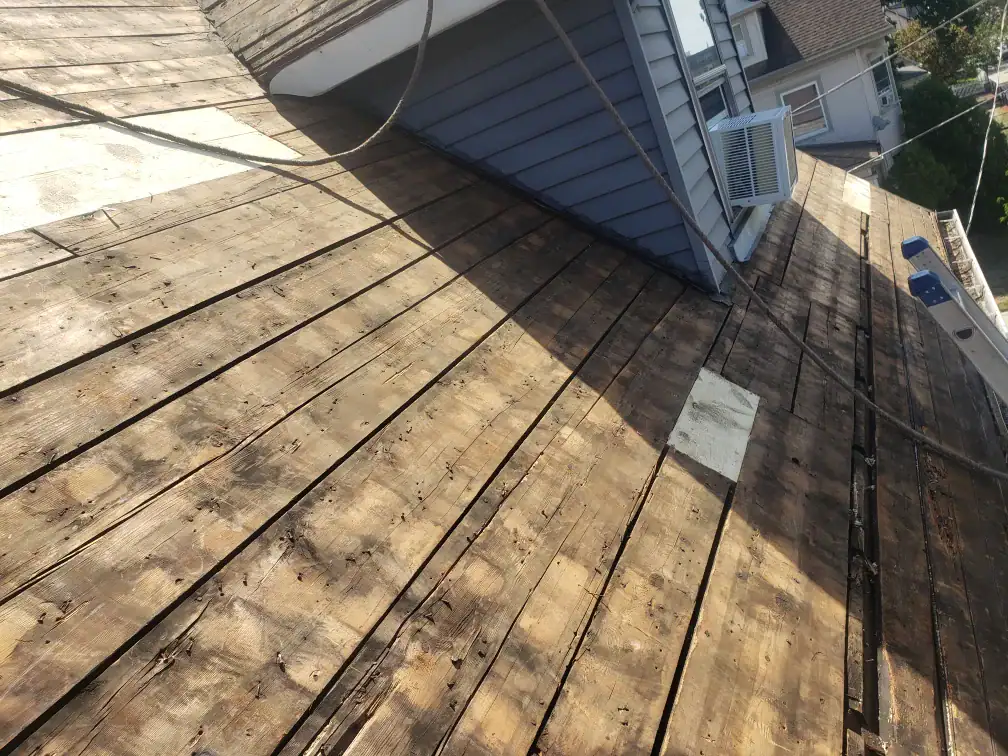
You’re looking at siding that’s starting to show its age. Maybe there’s mold creeping up near the seams, or those black streaks that won’t come off with a garden hose. You’re wondering if it’s time to replace everything, or if there’s a smarter way to handle it.
There is. Regular siding maintenance in Exeter, NH extends the life of your exterior by years, sometimes decades. It’s not about making things look pretty for the neighbors—though that’s a nice bonus. It’s about catching small problems before they turn into water damage, rot, or a full replacement bill that runs into the thousands.
When you stay ahead of New Hampshire’s freeze-thaw cycles, heavy snow dumps, and humid summers, your siding does what it was designed to do: protect your home. That means fewer surprise repairs, better energy efficiency, and a home that holds its value when it matters most.
We work with homeowners throughout Exeter, NH who want their siding to last. We’re an Owens Corning Preferred Contractor, which means we’ve met strict standards for quality and reliability—not just once, but consistently.
We’ve seen what happens when siding maintenance gets pushed to the bottom of the list. Exeter’s climate doesn’t wait. Between the 20+ billion-dollar weather events New Hampshire has faced since 1980 and the shift toward more rain and ice in winter, your exterior takes a beating.
We’re not here to upsell you on a replacement you don’t need. If maintenance can solve it, that’s what we’ll recommend. If there’s real damage that needs addressing, we’ll walk you through it without the runaround.
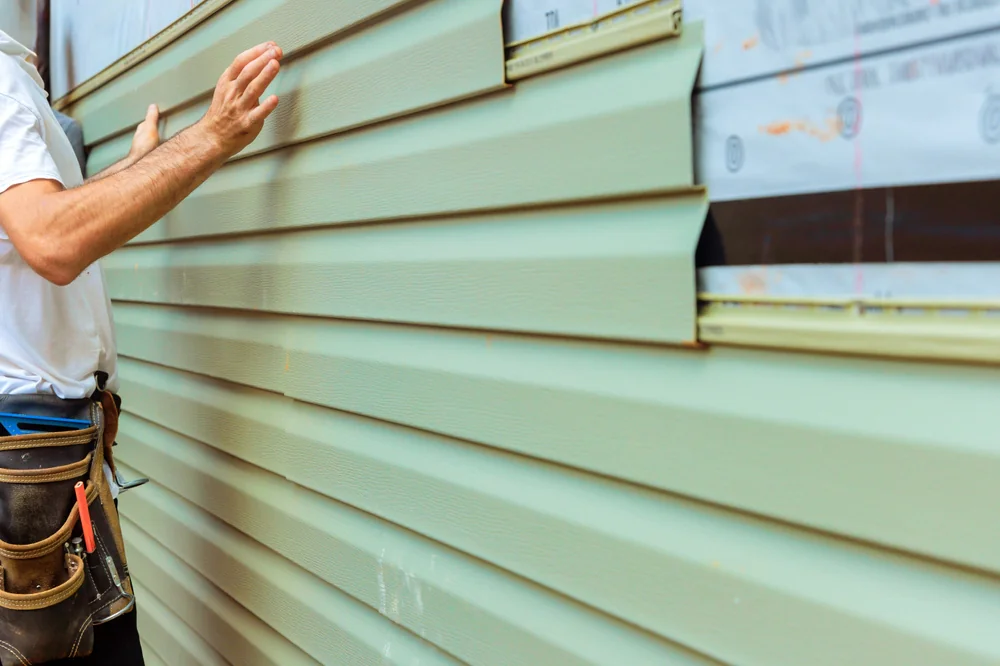
First, we inspect your siding from top to bottom. We’re looking for cracks, warping, loose panels, water intrusion points, and any signs of mold or mildew growth. This isn’t a quick walk-around—it’s a full siding inspection checklist that catches issues most homeowners miss until they become expensive problems.
Next comes cleaning. We use soft washing techniques, not high-pressure power washing that can force water behind your siding or crack vinyl. Soft washing combines low pressure with eco-friendly detergents that kill mold, mildew, and algae at the root. It’s safe for vinyl, wood, Hardie board, and other materials, and it actually works better than blasting everything with a pressure washer.
After cleaning, we address any minor repairs—resealing seams, replacing damaged sections, fixing loose panels. If we find something that needs more attention, we’ll explain what’s happening, why it matters, and what your options are. You’ll know exactly what you’re paying for and why it’s worth doing now instead of later.
Ready to get started?
You’re getting a complete exterior assessment, not just a quick spray-down. We check for mold and mildew removal needs, especially around seams and shaded areas where moisture gets trapped. In Exeter, NH, tree cover and humidity create perfect conditions for organic growth that stains your siding and eats away at protective coatings.
We handle power washing vs soft washing decisions based on your specific siding material and condition. Vinyl siding responds well to soft washing. Painted wood needs even gentler treatment. Hardie board can handle more, but there’s still a right and wrong way to clean it without causing damage.
We also look at caulking, flashing, and trim—all the spots where water sneaks in and starts problems you won’t see until it’s too late. New Hampshire’s climate has warmed 3°F since 1900, and more winter precipitation now falls as rain or ice instead of snow. That means more freeze-thaw cycles, more expansion and contraction, and more opportunities for your siding to fail if it’s not properly maintained.
Every 12 to 24 months, depending on your home’s exposure and surrounding environment. If you’ve got heavy tree cover, your siding will collect more organic debris and moisture, which means mold and mildew show up faster. Homes in full sun can go a bit longer between cleanings, but you’re still dealing with New Hampshire’s weather extremes either way.
Most homeowners in Exeter, NH benefit from annual maintenance. It’s enough to stay ahead of buildup without overdoing it. If you’re seeing green or black streaks, or if it’s been more than two years since your last cleaning, don’t wait. The longer that stuff sits, the harder it is to remove, and the more likely it is to cause permanent staining or damage.
Spring and fall are ideal times to schedule. Spring cleaning removes winter grime and checks for damage from ice and snow. Fall maintenance prepares your siding for another harsh season and clears out debris before it gets locked in by freezing temperatures.
Power washing uses high pressure to blast away dirt, which sounds great until you realize it can also blast water behind your siding, crack vinyl, strip paint, and create entry points for moisture. Soft washing uses low pressure combined with specialized cleaning solutions that break down mold, mildew, algae, and dirt at the source.
For most siding materials—especially vinyl—soft washing is the smarter choice. It’s just as effective at cleaning, but it doesn’t risk the kind of damage that leads to expensive repairs. The detergents we use are eco-friendly and designed to kill organic growth, not just rinse it away temporarily.
Power washing has its place, but not on every surface and not at full blast. When we evaluate your siding, we’re deciding what method makes sense based on material, age, and condition. You’re not paying for the most aggressive option—you’re paying for the right option that protects your investment.
Absolutely, if you stay consistent with it. Vinyl siding can last 20 to 30 years with proper care, but neglect cuts that lifespan in half. Mold and mildew don’t just stain—they break down protective coatings and create moisture problems that lead to rot and structural damage. Regular cleaning removes those threats before they compromise your siding.
Maintenance also gives you the chance to catch small issues early. A cracked panel or loose seam is a quick fix now, but if water gets in and sits all winter, you’re looking at rot, insulation damage, and a much bigger bill. We’ve seen plenty of homes where a few hundred dollars in maintenance would have saved thousands in premature replacement costs.
That said, siding doesn’t last forever. If your siding is already at the end of its lifespan or severely damaged, maintenance won’t fix that. But for most homes in Exeter, NH, regular care extends the life of your siding significantly and keeps your home protected from New England’s harsh climate year after year.
That’s mold, mildew, and algae growth, and it’s extremely common in New Hampshire. The black streaks are usually algae or mildew feeding on dirt, pollen, and moisture. Green patches are algae or moss, especially in shaded areas or spots where water drains off your roof. Both thrive in humid conditions and tree cover, which Exeter has plenty of.
If you’re seeing buildup near seams or around windows, that’s a red flag. It often means water is getting trapped or penetrating behind your siding, which creates the perfect environment for organic growth. Left unchecked, that moisture leads to bigger problems—rot, insulation damage, even structural issues.
Regular mold and mildew removal in Exeter, NH isn’t just cosmetic. It protects your siding’s integrity and prevents long-term damage. Soft washing with the right cleaning solutions kills the spores and removes the staining without damaging your siding. A garden hose won’t cut it, and scrubbing by hand is a waste of your time.
You can clean your own siding if you know what you’re doing, but most DIY attempts either don’t work or cause damage. Homeowners tend to use too much pressure, the wrong cleaning products, or improper techniques that force water behind the siding. We’ve repaired plenty of siding that was damaged by well-meaning DIY power washing.
There’s also the safety factor. Cleaning siding means working on ladders, often up to the second story or higher. One slip, and you’re dealing with a hospital bill that makes professional cleaning look like a bargain. We use commercial-grade equipment that allows us to clean safely from the ground up to four stories without putting anyone at risk.
If you’re committed to doing it yourself, use a soft wash method with a pump sprayer and a siding-safe cleaner. Never aim a pressure washer directly at seams, edges, or vents. And if you see any damage during the process—cracks, loose panels, water stains—stop and call someone who can assess it properly before you make it worse.
It depends on the size of your home, the condition of your siding, and what needs to be done beyond basic cleaning. For most homes in Exeter, NH, you’re looking at a few hundred dollars for a thorough cleaning and inspection. If there are minor repairs—resealing, replacing a few panels—that adds to the cost, but it’s still a fraction of what you’d pay for replacement.
Compare that to the cost of neglect. Full siding replacement in Rockingham County runs between $4,600 and $6,400 on average, and that’s for vinyl. If you’re replacing wood or fiber cement, it’s even more. Regular maintenance that costs a few hundred dollars every year or two is cheap insurance against a five-figure replacement bill.
We’ll give you a clear estimate before we start any work. No surprises, no upselling. If your siding just needs cleaning, that’s what you’ll pay for. If we find something that needs attention, we’ll explain what it is, why it matters, and what it’ll cost to fix. You decide what makes sense for your home and your budget.