Hear from Our Customers
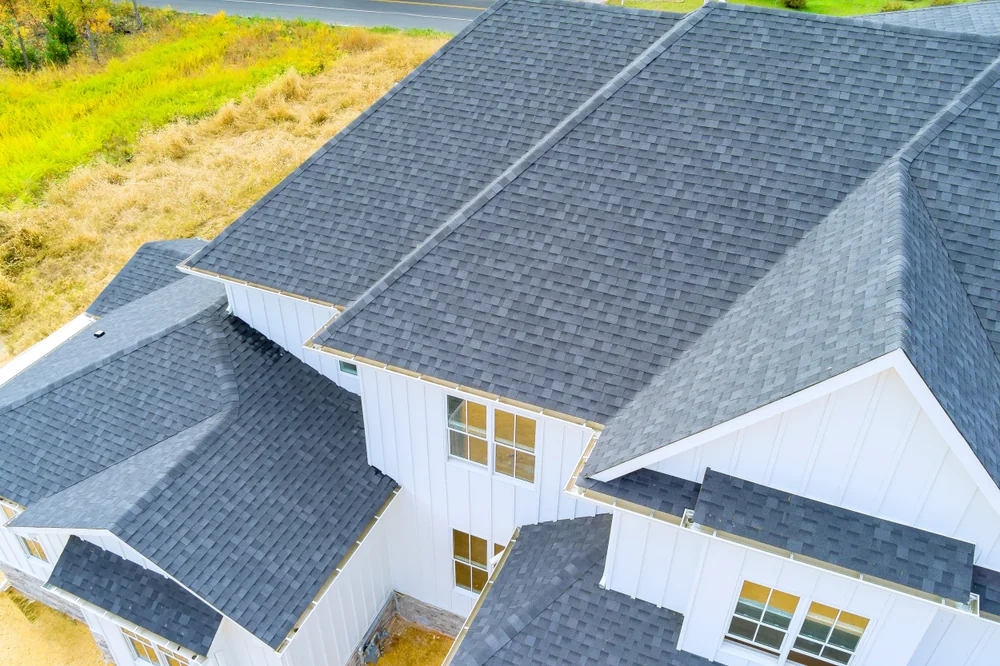
You already know your siding isn’t doing its job. Drafts near the windows. Ice dams forming on the roof edge. That one section of trim that’s soft to the touch.
New siding isn’t about looks—it’s about stopping heat loss before it costs you another $200 this month. Insulated vinyl siding can boost your wall’s R-value from 0.61 to over 2.5, which means your furnace runs less and your house stays comfortable without cranking the thermostat.
You’ll also stop dealing with constant maintenance. No more scraping, painting, or replacing rotted boards every few years. Fiber cement and quality vinyl handle moisture, temperature swings, and UV exposure without falling apart. That’s the difference between siding that works and siding that just sits there looking decent for two seasons before it starts failing.
Paradise Remodeling Inc has handled exterior projects across New Hampshire for over a decade. We’re not the biggest name you’ll find, but we’re the ones who show up on time, explain what’s actually wrong, and don’t upsell you on things your house doesn’t need.
Antrim homeowners deal with specific challenges—older homes with settling foundations, exposure to wind coming off the hills, freeze-thaw cycles that crack inferior materials. We’ve seen it all, and we know which products hold up and which ones fail in three years.
You’re not getting a sales pitch. You’re getting someone who understands how New Hampshire weather beats up a house and knows how to protect it properly.
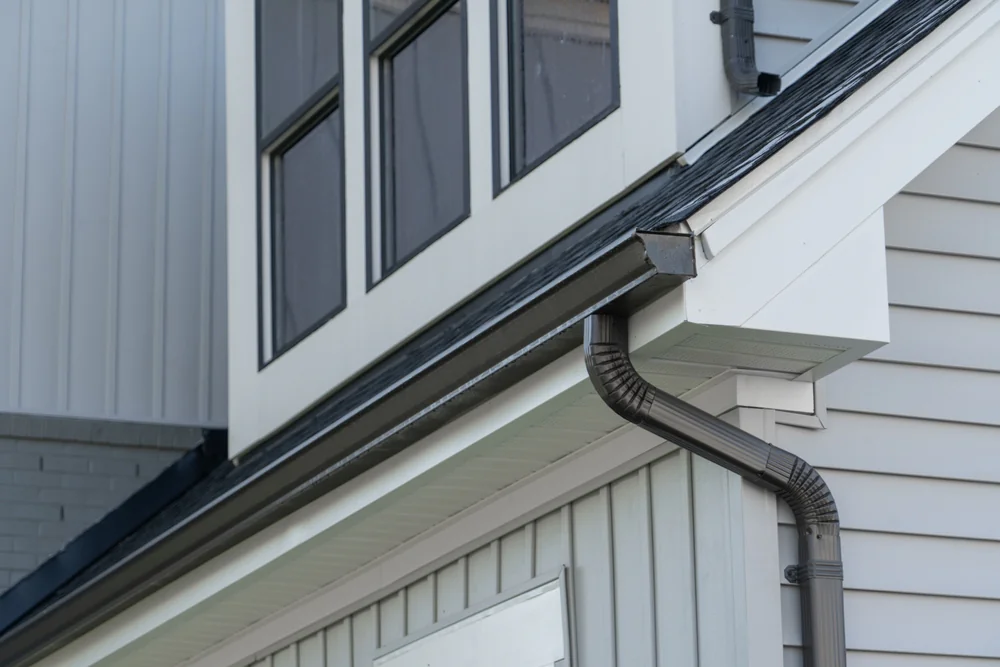
First, we come out and actually look at your house. Not a quick glance from the driveway—we check the sheathing, the flashing, the corners where water gets in. We’ll tell you if it’s a repair job or if you need full replacement.
If you’re replacing, we walk you through material options. Vinyl is low maintenance and costs less. Fiber cement lasts longer and handles impact better. Wood looks great but requires upkeep. We’ll explain what makes sense for your budget and how long you plan to stay in the house.
Installation starts with removing old siding and inspecting what’s underneath. If there’s rot or water damage, we fix it before new siding goes up. Then we install with proper overlap, sealed seams, and correct fastening so nothing blows off in a windstorm. The job takes anywhere from a few days to two weeks depending on your home’s size and complexity.
You get a walkthrough at the end. We show you what we did, answer your questions, and make sure you’re clear on maintenance—which, with the right siding, is basically just hosing it down once a year.
Ready to get started?
You’re getting a full exterior assessment, not just a siding quote. We check your trim, soffit, fascia, and any areas where water might be sneaking behind the walls. If your gutters are dumping water against the foundation, we’ll tell you that too—because new siding won’t fix a drainage problem.
Material selection includes vinyl, fiber cement, wood, and composite options. We source from manufacturers who back their products with real warranties, not the kind that void out if you breathe wrong. You’ll see samples, get accurate color matching, and understand what each material costs upfront.
Installation includes removal and disposal of old siding, repairs to underlying structure if needed, house wrap installation, and proper flashing around windows and doors. We’re handling the details that prevent callbacks two years later when water starts showing up inside your walls.
Antrim’s climate is tough—winter lows around 10°F, summer highs in the 80s, and humidity that makes wood siding rot faster than it should. We use installation techniques that account for expansion, contraction, and the moisture levels that come with being in southern New Hampshire. Your siding needs to handle temperature swings of 70+ degrees without cracking or pulling away from the house.

Full siding replacement on an average-sized home in Antrim typically runs between $8,000 and $18,000, depending on material choice and your home’s square footage. Vinyl sits on the lower end of that range. Fiber cement costs more upfront but lasts 50+ years with minimal maintenance.
Here’s what affects your price: total square footage, number of corners and angles, height of your home, and whether we’re dealing with underlying damage that needs repair before new siding goes up. A simple ranch costs less than a two-story colonial with dormers and bay windows.
We give you a free estimate that breaks down material costs, labor, and any additional work like trim replacement or sheathing repair. No surprises, no “we found something” upsells after we start. You’ll know what you’re paying before we touch your house.
Fiber cement and insulated vinyl both handle New Hampshire’s climate well, but for different reasons. Fiber cement is nearly indestructible—it won’t rot, warp, or get eaten by insects. It handles moisture better than anything else and lasts 50+ years. The downside is cost and the fact that it needs repainting every 10-15 years.
Insulated vinyl is the practical choice for most homeowners. It costs less, never needs painting, and the insulation backing helps with energy bills. Quality vinyl won’t crack in cold weather or fade in summer sun. It’s not as impact-resistant as fiber cement, but it holds up fine against normal wear and the occasional hailstorm.
Wood siding looks great but requires serious maintenance in our humid climate. You’re treating it every few years to prevent rot and repainting regularly. If you’re willing to do that work, it’s a solid option. If you want to install it and forget about it, go with vinyl or fiber cement.
Most residential siding projects in Antrim take between 5 and 10 days from start to finish. A small ranch might be done in under a week. A larger two-story home with complex architecture can push two weeks, especially if we’re repairing sheathing or replacing a lot of trim.
Weather delays happen. We’re not installing siding in heavy rain or when temperatures drop below freezing—the materials won’t seal properly and you’ll have problems later. If we hit a stretch of bad weather, the timeline extends.
You’ll have access to your house the entire time. We work outside, and while it’s loud and there’s activity around your home, you can still live there normally. We clean up at the end of each day so you’re not navigating a construction zone when you get home from work.
If you’re going from old, uninsulated siding to insulated vinyl or adding house wrap and proper sealing, yes—you’ll see a difference. Insulated vinyl siding increases your wall’s R-value from around 0.6 to between 2.0 and 3.0. That’s a significant improvement in your home’s ability to hold heat.
The bigger savings come from eliminating air leaks. Old siding has gaps where cold air gets in and warm air escapes. New installation with proper sealing stops those drafts. Homeowners typically notice their furnace running less frequently and more stable indoor temperatures without adjusting the thermostat.
Exact savings depend on your current setup and how bad your existing siding is. If you’ve got rotted wood with gaps you can see through, the improvement will be dramatic. If your current siding is just old but still sealed reasonably well, the savings will be more modest—but still noticeable over a New Hampshire winter.
We handle both, and we’ll tell you honestly which one makes sense. If you’ve got a few damaged boards or one section that took a hit from a falling branch, repair is usually the right call. We replace the damaged pieces, match the color and style, and you’re done.
Full replacement makes sense when you’re looking at widespread damage, constant maintenance issues, or siding that’s reached the end of its lifespan. If we’re repairing something every year, or if your energy bills are high because the siding isn’t sealing anymore, replacement saves you money long-term.
During your free estimate, we’ll assess the condition of your entire exterior and give you options. Sometimes a repair buys you a few more years before you need to budget for replacement. Sometimes the damage is extensive enough that patching it is just delaying the inevitable. We’ll walk you through what we’re seeing and let you make the call.
Rotting or soft spots are the clearest sign. If you can push on your siding and it feels spongy, or if you see visible rot near the bottom edges or around windows, water is getting behind it and damaging your sheathing. That needs to be addressed before it spreads.
Warping, cracking, or loose boards mean your siding isn’t protecting your house anymore. Gaps let water and air in, which leads to higher energy bills and potential water damage inside your walls. If you’re seeing multiple boards with these issues, you’re past the point of small repairs.
Peeling paint on wood siding, fading that won’t come clean, or visible mold growth are all signs the material is breaking down. Inside your home, watch for water stains on walls or ceilings near the roofline, increased drafts, or rooms that are suddenly harder to heat. Those are symptoms of failing siding even if the outside looks okay from the street.