
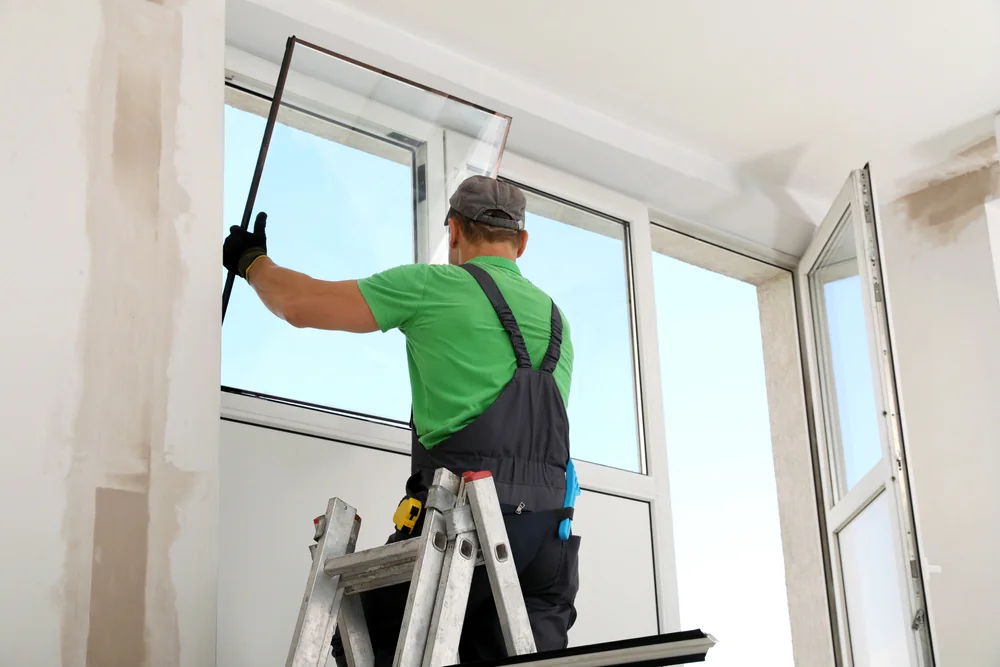
Hear from Our Customers
Your windows take a beating. Ice buildup in January. Humidity all summer. Freeze-thaw cycles that crack seals and warp frames. Most homeowners don’t notice until their heating bill jumps or condensation starts pooling on the sill.
Window maintenance in Milford, NH isn’t about making things look nice. It’s about catching problems before they cost you. A failing seal lets cold air pour in, forcing your furnace to work overtime. Loose hardware means windows won’t lock properly, creating security risks and energy loss. Neglected weatherstripping turns into a $400 heating bill increase over a single winter.
Regular seasonal window care addresses these issues head-on. You get inspections that spot frame damage, hardware that’s lubricated and functioning, seals that actually keep air where it belongs. The result is a home that holds temperature better, costs less to heat, and doesn’t surprise you with emergency repairs during the coldest week of the year. That’s what proper maintenance delivers.
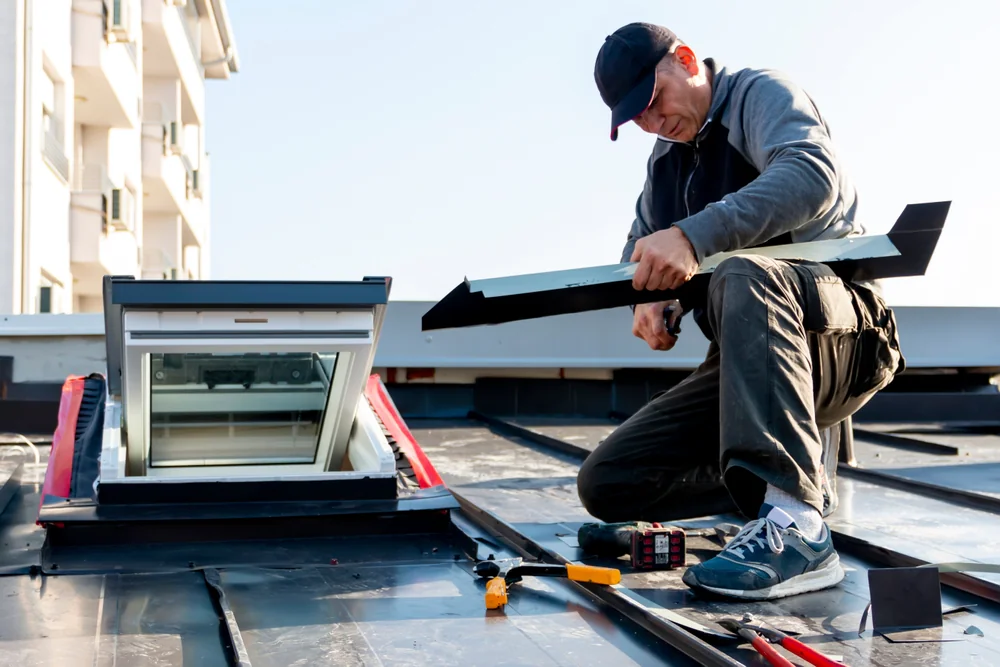
We work with homeowners throughout Milford, NH who need their windows to perform, not just exist. We’ve seen what happens when maintenance gets skipped—cracked glass from ice dams, rotted frames from moisture intrusion, hardware that won’t budge because it hasn’t been serviced in years.
Milford’s weather demands attention. With median property values around $337,900 and climbing, your home is a serious investment. Letting windows deteriorate quietly in the background costs you in energy bills, comfort, and eventual replacement expenses. We handle window frame inspection, hardware lubrication, weatherization services, and seasonal preparation so your windows last longer and work better. No upselling. No theatrical explanations. Just straightforward service from people who understand what New Hampshire winters do to homes.
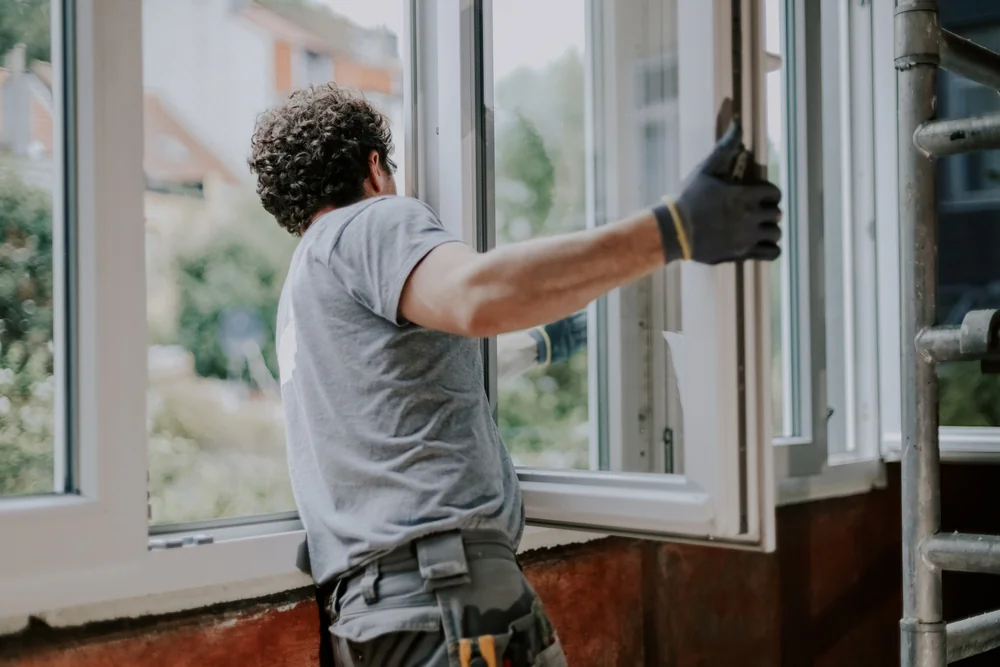
We start with a full window frame inspection in Milford, NH. That means checking every window for soft spots, mold, cracks, or warping—especially on wooden frames after rainy periods. We’re looking for the early signs of damage that turn into expensive problems if ignored.
Next comes hardware. Hinges, locks, balancers, chains, latches—all of it gets examined and tested. If something’s worn or broken, we replace it. If it just needs attention, we handle the hardware lubrication that keeps everything moving smoothly and sealing properly. Sticky or loose hardware isn’t just annoying; it’s a security issue and an energy leak.
Then we address weatherization. We check seals, add or replace weatherstripping, and make sure every window closes tight with no gaps. This is where energy savings happen. A properly sealed window can save you $166 to $436 annually depending on your current setup. We also look for ice buildup patterns and drainage issues that signal bigger insulation problems. You get a clear explanation of what we found, what we fixed, and what to watch going forward. No surprises.
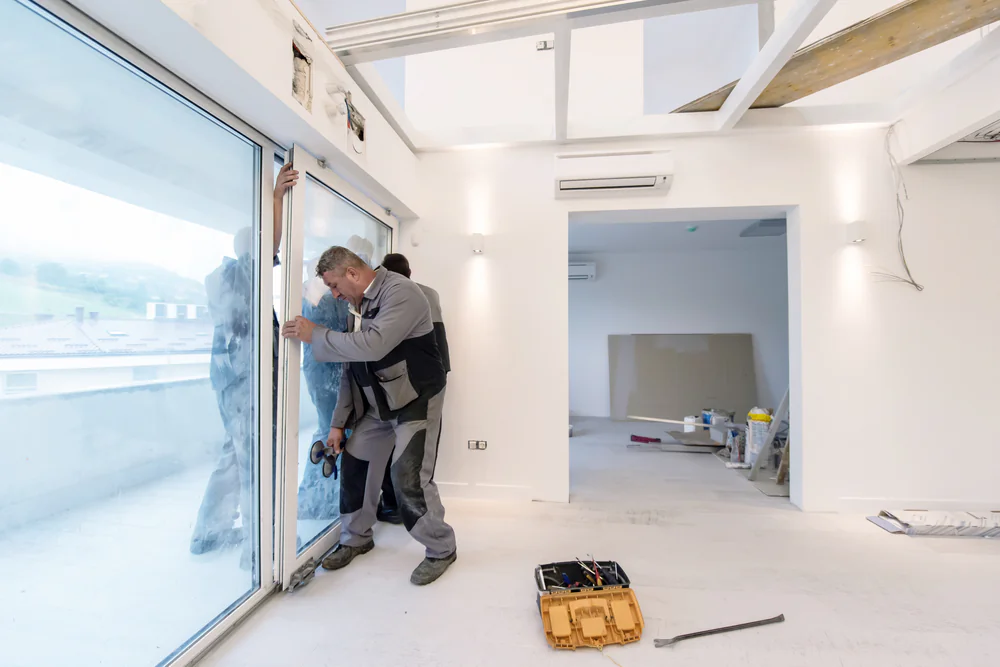
Ready to get started?
Window maintenance in Milford, NH covers the full scope of what keeps your windows functional. You get a detailed inspection of every frame, sash, and pane. We check for condensation between panes, which signals seal failure. We examine caulking and glazing for cracks or gaps that let air and moisture through.
Hardware gets serviced completely—locks tightened, hinges adjusted, balancers tested, and all moving parts lubricated. If your windows are hard to open or won’t stay up, that gets fixed. Weatherstripping is evaluated and replaced where needed, particularly around high-traffic windows that see the most wear.
We also assess your windows for winter readiness. Milford sees heavy snowfall and ice dam formation, especially when attic heat melts snow that refreezes at the eaves. Poor window insulation contributes to this cycle. We identify where heat is escaping and recommend fixes that prevent ice dams from forming and causing interior water damage. For homeowners in Milford’s owner-occupied housing market—about 60% of residences—this kind of preventive care protects property values that have increased over 8% year-over-year. You’re not just maintaining windows. You’re protecting an asset that’s worth maintaining correctly.
At minimum, once a year. Twice is better if you want to stay ahead of problems.
Most homeowners schedule in spring to assess winter damage and again in fall to prepare for cold weather. Spring inspections catch issues like cracked seals, frame damage from ice, and hardware that’s been stressed by freeze-thaw cycles. Fall maintenance focuses on weatherization—sealing drafts, replacing worn weatherstripping, and making sure everything closes tightly before heating season starts.
If you have older windows or wooden frames, twice-yearly service makes more sense. Wood expands and contracts with humidity changes, and Milford’s climate swings create conditions for mold and rot if moisture gets trapped. Catching that early saves you from frame replacement down the line. Even newer vinyl or fiberglass windows benefit from regular hardware checks and seal inspections, since those components wear out faster than the frames themselves.
Drafts are the obvious one. If you feel cold air near a closed window, the seal or weatherstripping has failed.
Condensation between panes means the insulated glass unit is compromised and losing its energy efficiency. You’ll also notice frost or ice buildup on the interior during winter, which signals serious air leakage. Difficulty opening or closing windows points to hardware issues or frame warping. If locks don’t engage properly or windows won’t stay open, that’s a security risk and an energy problem.
Higher heating bills without explanation often trace back to window issues. Even a small gap around a window frame can increase heating costs significantly over a season. Visible damage—cracked glass, peeling paint, soft spots on wooden frames, or water stains near the sill—requires immediate attention. Water intrusion leads to mold and structural damage fast. If you’re seeing any of these signs, waiting makes the problem worse and more expensive. Window maintenance in Milford, NH addresses these issues before they escalate into full replacements.
Yes, and the savings are measurable. Properly maintained windows with good seals can save you $166 to $436 annually depending on your current window efficiency and home size.
The biggest energy loss happens through air leakage, not the glass itself. Gaps around frames, failed weatherstripping, and worn seals let conditioned air escape year-round. In winter, your furnace runs longer to compensate. In summer, your AC works harder. Seasonal window care that includes weatherization services eliminates those leaks.
New Hampshire’s climate makes this especially relevant. With cold winters and humid summers, your windows are constantly expanding and contracting. That movement breaks down seals and weatherstripping faster than in milder climates. Regular maintenance keeps everything tight. Beyond direct energy savings, you’re also preventing ice dam formation, which happens when heat escapes through your roof and windows, melting snow that refreezes at the eaves. Ice dams cause serious water damage that costs thousands to repair. Proper window maintenance contributes to the overall thermal envelope of your home, reducing the conditions that create ice dams in the first place.
Maintenance extends the life of your current windows. Replacement is what happens when maintenance gets ignored too long.
Window maintenance in Milford, NH involves servicing the components that wear out—seals, weatherstripping, hardware, and minor frame repairs. It’s preventive. You’re keeping everything functional so the windows perform as designed for years longer. Replacement means the window has failed beyond repair, usually due to frame rot, broken seals that can’t be fixed, or structural damage.
Most windows can go 15 to 20 years or more with proper care. Without it, you’re looking at replacement in 10 years or less. The cost difference is significant. A professional window tune-up runs a fraction of what replacement costs, and it addresses 90% of the performance issues homeowners experience. If your frames are solid, your glass isn’t cracked, and the window opens and closes, maintenance will solve your problems. Replacement is necessary when frames are rotted, glass units are permanently fogged, or the window no longer fits the opening properly due to settling or structural issues. We’ll tell you honestly which situation you’re in. There’s no benefit to replacing windows that just need attention.
Yes. Wood, vinyl, fiberglass, aluminum, double-hung, casement, sliding, awning—we work on all of them.
Each material and style has specific maintenance needs. Wooden windows require more frequent inspection for moisture damage, rot, and paint deterioration, but they’re also highly repairable when problems are caught early. Vinyl windows need less frame maintenance but their hardware and weatherstripping wear out at the same rate as any other window. Fiberglass is durable but still needs seal checks and hardware service.
Casement windows have more complex hardware than double-hung models, with cranks and hinges that need regular lubrication. Sliding windows accumulate debris in their tracks that affects operation and creates gaps. Awning windows have exposed hinges that take weather damage. We adjust our approach based on what you have. Milford homes range from historic properties with original wood windows to newer construction with modern vinyl units. We’ve serviced them all. The fundamentals don’t change—keep seals tight, hardware functioning, and frames protected from moisture. How we get there depends on what’s installed in your home.
If the frames are solid and the glass isn’t broken, maintaining older windows almost always makes financial sense.
Older windows, especially wood models in historic Milford homes, were built with better materials than many modern replacements. Solid wood frames can be repaired, resealed, and upgraded with new weatherstripping and hardware for a fraction of replacement cost. You preserve the original character of your home while improving energy efficiency to near-modern standards.
The exception is when frames have extensive rot, the window no longer fits the opening, or you’re dealing with single-pane glass in a home you plan to keep long-term. In those cases, replacement delivers better returns. But most older windows people assume are “done” just need proper attention. A window frame inspection will tell you exactly what condition your frames are in. We measure for rot, check structural integrity, and assess whether repairs will actually solve your performance issues. If maintenance will get you another 10-plus years of solid performance, that’s the recommendation. If the windows are genuinely at end-of-life, we’ll explain why and what replacement involves. You get an honest assessment either way, because doing unnecessary work doesn’t benefit anyone long-term.