Your roof quietly protects your home every day, but knowing when it needs professional attention isn't always obvious. Learn the clear signs that it's time to call a roofer.

Let’s start with the visual red flags—the “Check Engine” lights of your home. If you walk into your yard and find a shingle lying on the grass like a lost traveler, your roof is basically waving a white flag. Even if you don’t see a hole yet, that missing piece of armor is an invitation for the next Nor’easter to move into your attic.
Missing or damaged shingles are usually the first thing homeowners notice, but “out of sight” shouldn’t mean “out of mind.” When shingles crack or go on an unannounced vacation, water seeps into the underlayment. Once the moisture reaches that point, it’s a race against time before your ceiling starts developing a “vintage” brown ring that no amount of white paint can hide.
Then there are the water stains themselves—the ultimate tattle-tale. If your ceiling looks like a topographical map of a swamp, you’ve got a problem. Water is sneaky; it doesn’t just fall straight down. It travels along rafters and insulation like it’s looking for the most expensive piece of furniture to drip onto. If you see damp spots, the “stealth leak” has already won the first round.

You don’t need to be a mountain goat or a professional stuntman to inspect your roof. In fact, we’d prefer it if you stayed firmly on the ground with a pair of binoculars and a healthy sense of self-preservation. Start by looking for shingles that are “balding”—losing those tiny granules that make them look like sandpaper. If your gutters look like a sandbox, those granules are officially retired, and your shingles are defenseless against the sun.
While you’re playing detective, look for curling or buckling. If your shingles look like they’re trying to imitate a Pringles chip, they’ve lost their mojo. This happens when the asphalt becomes brittle from years of New England’s “four seasons in one day” weather cycles. Once they lose their flexibility, they crack at the slightest breeze, which is about as effective as a screen door on a submarine.
Also, keep an eye out for any “unauthorized landscaping.” If you see moss or algae streaks, it might look like a cozy cottage aesthetic, but it’s actually a moisture-trapping nightmare. These green invaders hold water against your roof, slowly rotting the structure underneath. If your roof is starting to look like a botanical garden, it’s definitely time to call in the experts.
Sometimes the most important evidence is hidden in your attic. Grab a flashlight and go on a “safari” above your ceiling. Look for “shiners”—nails that have frost on them during the winter. This means your ventilation is failing and your roof is basically sweating from the inside out. When that frost melts, it creates a slow drip that can rot your rafters before you even realize it’s happening.
Musty smells are another dead giveaway that your roof has “leaked its secret.” That damp, earth-cellar odor is the smell of mold and mildew having a party in your insulation. Not only does this ruin your home’s energy efficiency, but it also turns your attic into a science experiment that can affect your family’s health. If you need an air freshener just to go get your holiday decorations, you have a moisture problem.
Lastly, check for peeling paint near the roofline or “bubbling” wallpaper. When water gets into the walls, it pushes the finish away from the drywall. It’s like your house is trying to shed its skin because it’s so uncomfortable. If your walls are acting weird, don’t just re-paint—investigate the source of the dampness, or you’ll just be painting over a growing disaster.
Want live answers?
Connect with a Paradise Remodeling Inc. expert for fast, friendly support.
There are “call me when you have a minute” problems, and then there are “drop everything and call me now” problems. Sagging is the big one. If your roofline looks like it’s doing a sad “U” shape instead of a proud, straight line, that is a structural 9-1-1. This usually means the wood underneath has rotted through or is under too much pressure from years of heavy snow—it’s the final warning before your roof tries to join you in the living room.
Major storm events also deserve an immediate follow-up. If a branch the size of a small car has landed on your roof, or if a hailstone just tried to go through your skylight, don’t wait for a leak to appear. Storm damage is often hidden; a shingle can look fine but be totally “bruised” and ready to fail. Catching it early can turn a potentially massive insurance claim into a simple, manageable roof repair.
Finally, if you see daylight where you shouldn’t—like through your attic ceiling—that’s a pretty clear sign that the outside is trying to get in. If you can stargaze from your attic without a window, you’ve officially crossed the line into “urgent repair” territory. Don’t wait for the next raincloud to test just how much of a hole you really have.
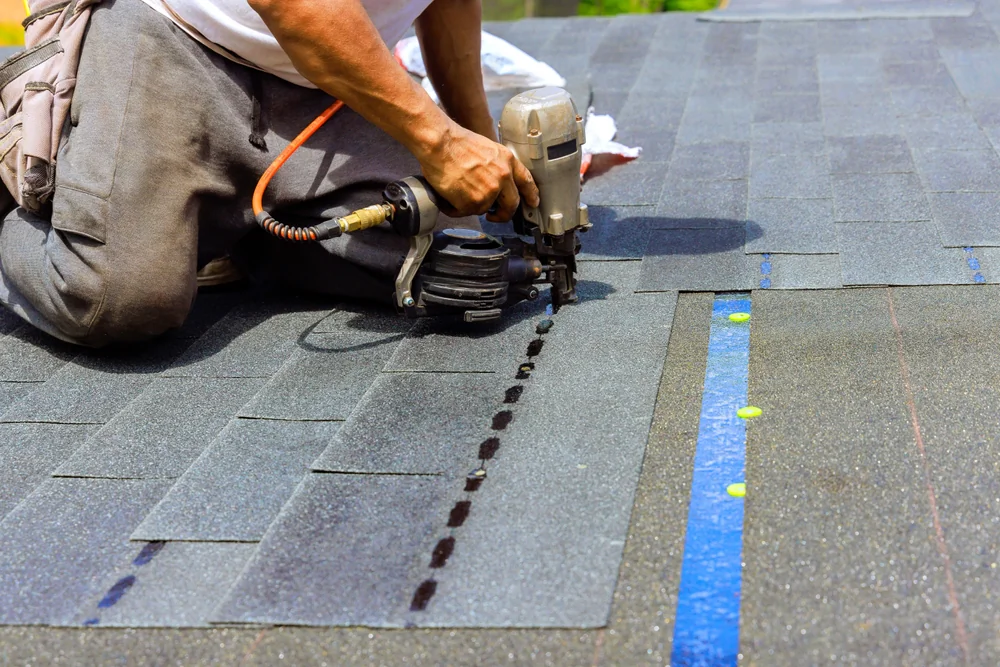
Age is more than just a number; it’s a countdown. Most asphalt shingle roofs in MA and NH are designed to last about 20 to 25 years, assuming the weather behaves (which it rarely does). If your roof is old enough to have its own driver’s license, it’s time to start thinking about its retirement. Even if it looks “okay” from the street, the internal adhesives and waterproofing materials are likely reaching their expiration date.
Think of an old roof like a vintage car—you can keep patching the leaks and fixing the belts, but eventually, you’re just throwing good money after bad. Once a roof hits its 20th birthday, the materials become brittle. A simple windstorm that a “young” roof would laugh off can send an “elderly” roof into a total collapse of its protective capabilities. It’s much cheaper to plan a replacement than to wait for a catastrophic failure.
Architectural shingles can buy you more time, often reaching the 30-year mark, but they still require a watchful eye. If you aren’t sure how old your roof is, look at your neighbor’s houses. Often, an entire neighborhood was built or re-roofed at the same time. If they’re all getting new roofs, yours is likely next in line. Don’t be the last one on the block to realize your house’s hat is worn out!
Picking a roofer shouldn’t feel like a blind date with a stranger you met at a bus stop. You want someone with a local reputation, not a “storm chaser” who follows the wind and disappears as soon as the check clears. Look for a contractor who knows Essex, Hillsborough, and Rockingham counties—someone who understands that our “wintry mixes” are a very different beast than a Florida thunderstorm.
Always check for the “Holy Trinity” of roofing: Licenses, Insurance, and Warranties. If a roofer can’t produce a Certificate of Insurance faster than a magician pulls a rabbit out of a hat, walk away. You don’t want to be liable if a crew member takes a tumble on your property. A legitimate pro will be proud to show you their credentials and will offer a workmanship warranty that proves they stand behind every nail they drive.
Lastly, trust your gut. If a bid is so low it feels like a typo, it probably is—or they’re cutting corners using “discount” shingles and a crew that’s never seen a hammer before. A professional contractor like Paradise Remodeling will give you a detailed, transparent estimate and won’t pressure you like a used-car salesman. We’re in the business of protecting homes, not just hitting quotas.
Your roof is the ultimate unsung hero of your home. It takes the brunt of every blizzard, heatwave, and downpour so you can stay cozy inside. The best way to say “thank you” is to pay attention to the signs it’s sending you. Whether it’s a “balding” shingle, a musty attic, or just the fact that it’s old enough to vote, don’t ignore the warnings.
Catching a problem while it’s a $500 fix is a lot better than waiting until it becomes a $5,000 disaster. Regular inspections and a proactive attitude will keep your home dry and your bank account happy. After all, the only things that should be “falling” in your house are the prices during a sale, not the ceiling.
If you’re in MA or NH and suspect your roof is planning a hostile takeover of your living room, reach out to Paradise Remodeling Inc. We’ve seen it all, from minor leaks to major structural “surprises,” and we’re here to give you an honest, professional assessment.
Summary:
Article details:
Share: