That water stain on your ceiling isn't going away on its own. Here's what you need to know about roof repairs, costs, and when it's time to call a professional.
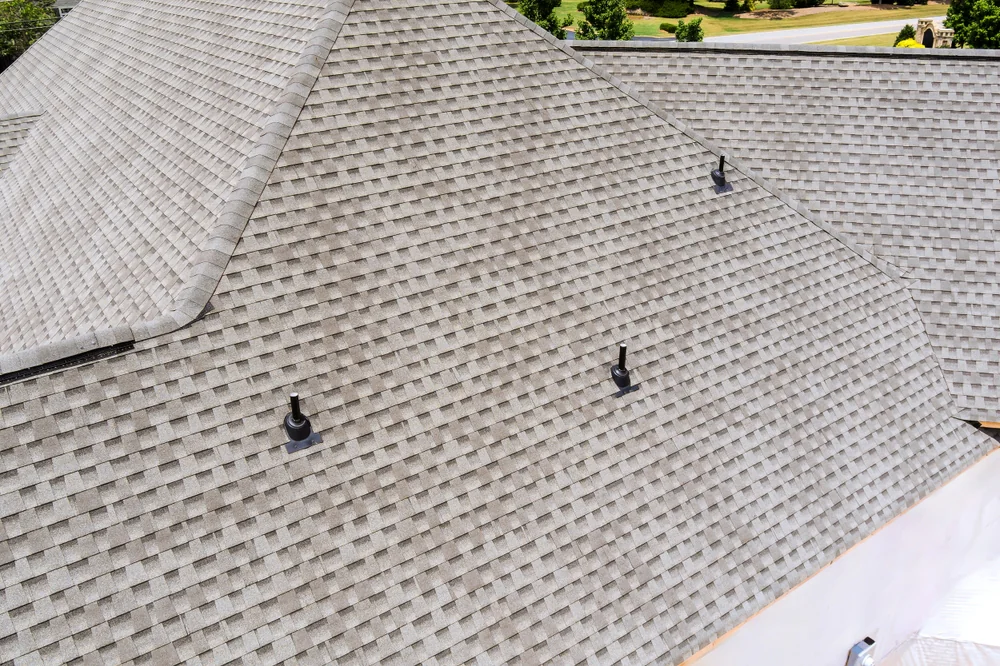
The average roof repair in New England runs between $300 and $1,500, which is basically the price difference between a nice weekend getaway and a very expensive trip to the hardware store. If you’re just replacing a few shingles that decided to fly south for the winter after a windstorm, you’re on the lower end. If water has decided to move into your roof decking and start a family, you’re looking at the higher range.
Location plays a role too, because the cost of living likes to fluctuate as much as our March weather. In Essex and Middlesex County, MA, labor rates might be a bit punchier than in Rockingham, NH, but the real price-setter is the “ignored factor.” Every month you pretend that leak isn’t there, you’re essentially adding a “procrastination tax” to your future bill.
Small repairs caught early stay small, much like a tiny puppy before it turns into a 90-pound furniture-chewing machine. Once the damage spreads, you aren’t just paying for shingles; you’re paying for the “detective work” to find where the water is hiding. If you want to keep costs down, stop treating your ceiling stain like a new piece of abstract art and call a pro.
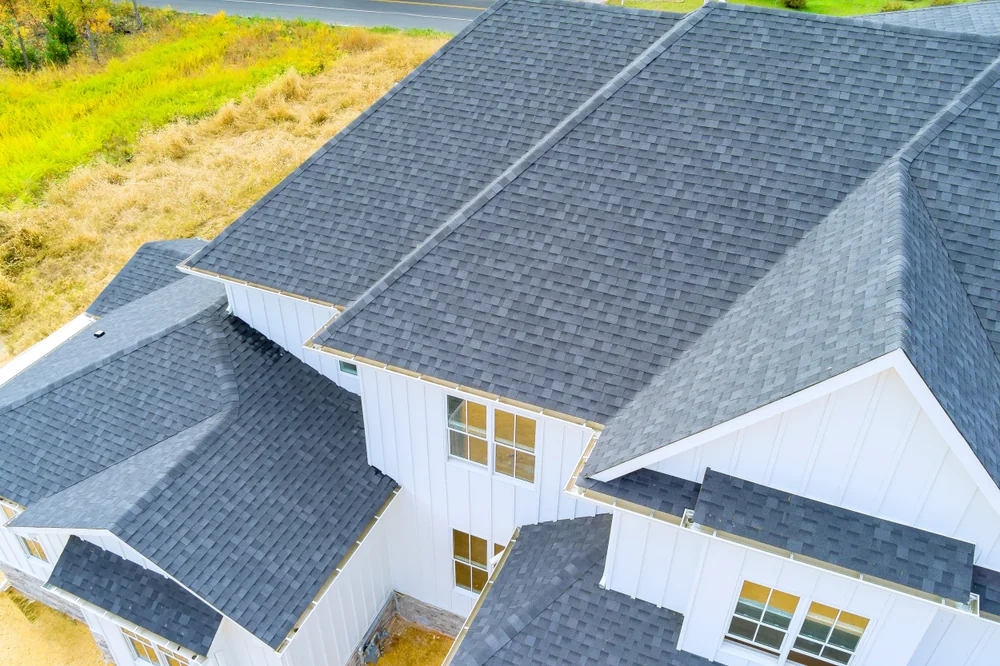
Not all roof repairs are created equal, and your final bill depends on factors that have nothing to do with a contractor’s secret desire for a new boat. First up is the type of damage—resealing a chimney is a “lunch break” job, but replacing rotted structural beams is “cancel your weekend plans” work. If your roof is essentially a sponge at this point, the price will reflect that.
Roof accessibility is the next big variable. If your house is a single-story ranch, it’s a breeze. If you live in a three-story Victorian with a pitch so steep that goats would hesitate to climb it, we have to bring out the specialized safety gear and extra harness coffee. More danger and more height equals more time, which inevitably leads to a higher estimate.
Finally, material and timing join the party. Asphalt is the budget-friendly king, while slate or metal repairs require a specialized touch (and a specialized wallet). And if you call for an emergency repair during a blizzard, remember that you’re paying for a crew to battle Mother Nature while she’s in a particularly bad mood—mild weather repairs are always the cheaper way to go.
Here is the general rule of thumb: if a tree falls on your house or a hailstorm treats your shingles like a drum set, insurance usually says “we got you.” If your roof is leaking because it’s 30 years old and has more bald spots than a 1970s rock band, insurance usually says “that’s on you.” Sudden events are covered; the slow march of time is not.
Insurance companies in MA and NH are very familiar with Nor’easters and “Ice-mageddon.” They expect claims for wind-torn shingles or ice-damaged gutters. However, they also expect you to play “defense.” If you wait three weeks to report a hole in your roof and the resulting rain ruins your grandmother’s antique piano, they might get a little stingy with the payout for the interior damage.
Documentation is your best friend—take photos like you’re an Instagram influencer, but for damaged plywood. A detailed report from a licensed roofer carries way more weight than a “trust me, it’s broken” phone call. Just keep in mind that for a $500 repair, your deductible might be $1,000, so doing the math before you call the agent can save you from a pointless premium hike.
Want live answers?
Connect with a Paradise Remodeling Inc. expert for fast, friendly support.
Some roof problems are loud—like a shingle hitting your patio with a thud—and some are quiet, like a silent movie villain. If you’re seeing brown rings on the ceiling, your roof is basically sending you a “U up?” text at 2 AM. Other signs include shingles that are curling up like they’re trying to avoid a hot sidewalk or a roofline that has a “dip” where there used to be a straight line.
Check your gutters for “shingle glitter.” If you see a pile of granules that looks like black sand, your shingles are essentially balding and losing their UV protection. They are one bad storm away from a total breakdown. Also, go into your attic with a flashlight; if you can see stars without stepping outside, you’ve got a major problem that needs an immediate fix.
Don’t ignore the “little things.” A missing shingle here or a loose piece of flashing there might seem minor, but in New England, that’s just a VIP entrance for moisture. Catching these early is the difference between a simple patch and having to explain to your family why there’s a mushroom growing in the guest bedroom.
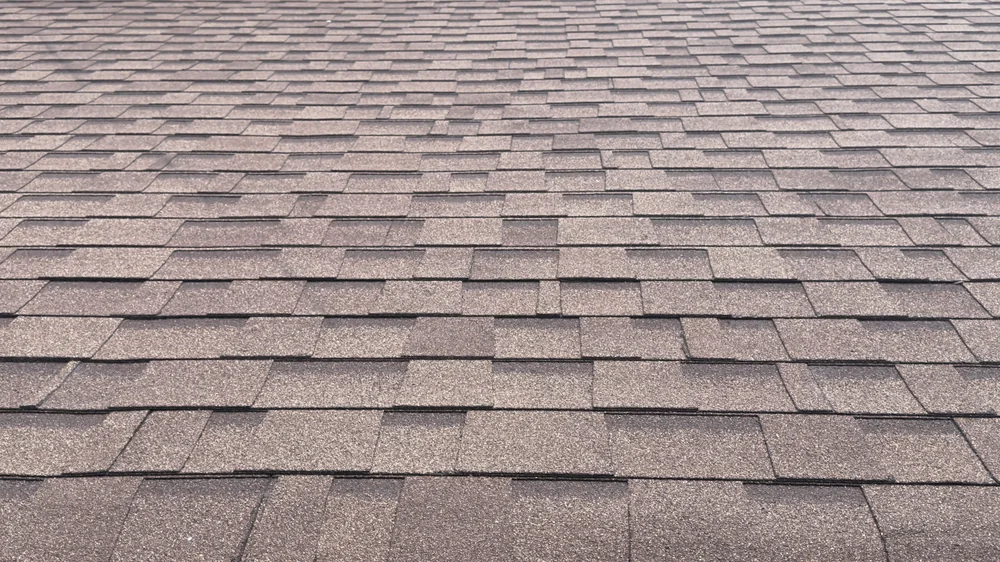
If you live in Essex, Middlesex, or anywhere near the NH border, “Ice Dam” is a four-letter word. It starts when heat leaks from your attic, melts the snow, and then that water refreezes at your gutters. It creates a frozen wall that forces water up and under your shingles. It’s basically gravity-defying sabotage for your home.
Proper ventilation is the only real cure. If your attic is as warm as your living room, you’re inviting the dams to move in. You want an attic that’s freezing, which prevents the snow from melting unevenly in the first place. Keeping gutters clear is a close second—water needs a place to go that isn’t “inside your walls.”
Whatever you do, please don’t go up there with a hammer or a blowtorch to remove ice. You will either end up on the evening news or with a hole in your roof (or both). We use specialized steam equipment to melt the ice safely. If you’re seeing icicles that look like they belong in a Superman fortress, it’s time to call in the pros before they decide to take your gutters down with them.
This is the moment of truth that keeps homeowners staring at the ceiling at night. Generally, if your roof is a teenager (under 15 years) and the damage is in one spot, a repair is the winner. If a stray branch poked a hole but the rest of the shingles are still “acting their age,” there’s no need to go for the full tear-off just yet.
However, if your roof is over 20 and you’ve had more patches than a quilt, it’s time to say goodbye. Asphalt shingles are like us—eventually, they just want to retire. Once you’ve reached 75% of the expected lifespan, every repair is just a “Band-Aid on a broken leg.” You’ll spend more money fixing leaks every spring than you would on a monthly payment for a shiny new 30-year roof.
Widespread issues like “all-over curling” or a “spongy” feel when walking up there (another thing for the pros to check!) mean the internal structure is compromised. We’ll always give you the straight talk: if a $500 fix will buy you five years, we’ll do it. But if that $500 fix is only buying you five weeks, we’re going to tell you it’s time for a replacement before your ceiling decides to join you for dinner.
Your roof is the unsung hero of your house, standing out there in the freezing rain and the 90-degree humidity so you can watch Netflix in peace. But even heroes need a check-up. Waiting until you have an indoor waterfall is the most expensive strategy you can have—small fixes are the secret to a long-lived home and a stress-free life.
If you’re seeing those warning signs—the curling, the staining, or the “shingle glitter” in the gutters—don’t wait for a sign from the universe (usually in the form of a major leak). Get an honest assessment and find out exactly where you stand. Knowledge is power, and in this case, it’s also a dry living room.
We’ve been keeping homes across Massachusetts and New Hampshire leak-free for years, and we pride ourselves on giving you the real story on your roof’s health.
Summary:
Article details:
Share: