Your roof faces New England's harshest conditions—heavy snow, ice dams, and coastal salt air. Proper maintenance isn't optional; it's the difference between a 15-year roof and a 30-year one.
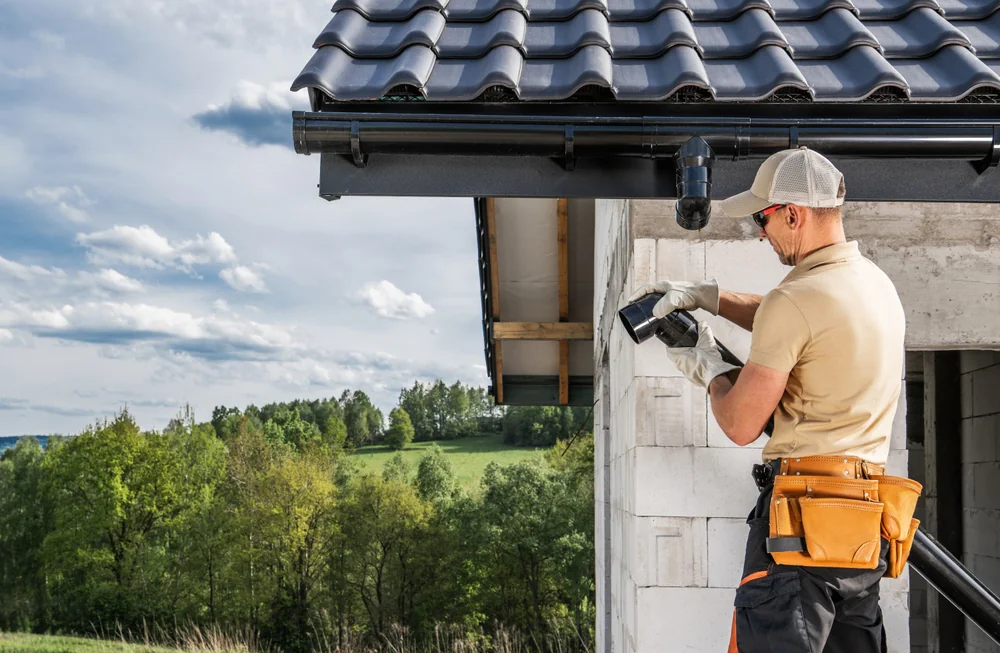
Roof maintenance looks different here than it does in other parts of the country. You’re not just dealing with sun and rain. You’re managing snow loads, ice formation, temperature swings that can hit 60 degrees in a single day, and for coastal properties, salt particles that settle into every crevice.
Maintenance means regular inspections to catch issues early. It means keeping your attic properly ventilated so heat doesn’t escape and melt snow into ice dams. It means cleaning debris that traps moisture against shingles. And it means understanding that asphalt shingles—the most common roofing material in Massachusetts and New Hampshire—need different care depending on whether you’re three miles from the ocean or thirty.
The goal isn’t to make your roof last forever. It’s to get the full lifespan you paid for when it was installed, rather than replacing it years early because small problems went unnoticed.
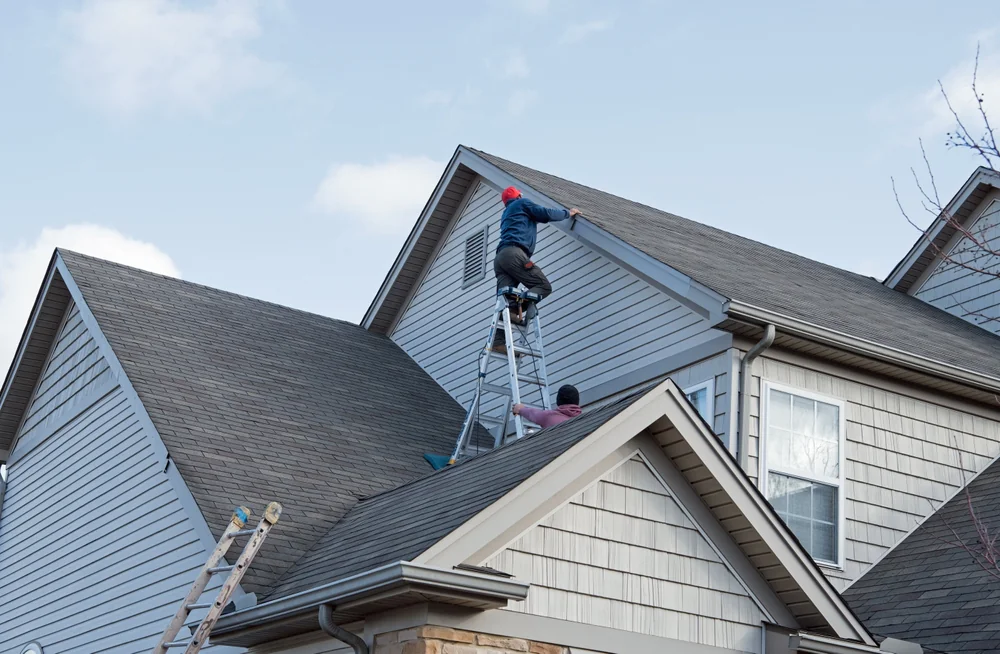
Twice a year minimum. Spring and fall. That’s the baseline for New England homes.
Spring inspections catch winter damage—lifted shingles from ice dams, damaged flashing from freeze-thaw cycles, and any structural issues from heavy snow loads. You’re looking for problems that developed during the hardest season your roof faces. Fall inspections prepare your roof for what’s coming. You’re clearing gutters, checking that attic ventilation is working properly, and making sure everything is sealed before the first snow.
But those aren’t the only times you should look. After any severe storm—high winds, hail, heavy snow followed by rapid melting—a quick visual check from the ground makes sense. You’re not climbing up there yourself. You’re looking for obvious issues like missing shingles, sagging areas, or debris that needs clearing.
For homes in coastal areas of Essex County or Rockingham County, you might want to add a third inspection. Salt air accelerates wear faster than most people realize. What looks fine in June might show corrosion by September. Metal flashing, in particular, doesn’t give you much warning before it fails.
Professional inspections go deeper than what you can see from your driveway. A good inspector checks attic ventilation, looks for moisture in insulation, examines flashing around chimneys and vents, and spots early signs of shingle deterioration that won’t be obvious for another year or two. We’re not trying to sell you a new roof. We’re documenting what’s actually happening so you can make informed decisions about repairs versus replacement.
The cost of two inspections per year is a fraction of what you’ll spend if a small leak goes unnoticed for six months and rots out your roof decking.
There’s a reason the data is so clear on this. Preventative maintenance costs about 14 cents per square foot per year. Reactive repairs—fixing things only after they’re causing visible problems—run closer to 25 cents per square foot. That’s an 11-cent difference that adds up fast on a 2,000 square foot roof.
But the real cost isn’t in the per-square-foot math. It’s in what happens when you wait. A small section of damaged flashing might cost $300 to replace during a routine maintenance visit. Wait until it’s leaking, and you’re looking at $3,000 or more because now you’re also replacing water-damaged decking, insulation, and possibly drywall inside your home.
Preventative care means you’re controlling the timeline. You can schedule repairs when it’s convenient, get multiple quotes if needed, and plan the expense into your budget. Reactive repairs happen on the roof’s schedule, usually during the worst possible weather, and often require emergency service rates.
The other piece people don’t think about is warranty compliance. Many roofing material manufacturers require regular professional maintenance to keep warranties valid. If you file a claim and can’t show documentation of routine inspections and care, you might find yourself paying out of pocket for issues that should have been covered.
Preventative maintenance also extends your roof’s overall lifespan. A well-maintained roof in New England can last 25 to 30 years. One that’s neglected might need replacement in 15 years or less. The difference isn’t the quality of the original installation. It’s whether small issues were addressed before they cascaded into bigger ones.
You’re not trying to avoid ever spending money on your roof. You’re trying to spend it strategically, on your terms, before emergency situations force your hand.
Want live answers?
Connect with a Paradise Remodeling Inc. expert for fast, friendly support.
Ice dams are the single biggest seasonal threat to roofs in New Hampshire and northern Massachusetts. They form when heat escapes through your attic, warms the roof deck, and melts snow. That meltwater runs down to the cold overhang where it refreezes, creating a dam of ice. Water backs up behind it, and because your roof isn’t designed to have standing water on it, that water finds its way under shingles and into your home.
The damage isn’t always immediate. Sometimes water sits in your attic insulation for weeks before you see ceiling stains. By then, you might have mold growth, rotted framing, and ruined insulation. The repair bill can easily hit five figures.
Preventing ice dams isn’t about attacking the ice after it forms. It’s about keeping your roof cold so snow doesn’t melt in the first place. That means proper attic insulation—at least R-38 in this climate—and ventilation that moves any heat buildup out before it warms the roof deck.
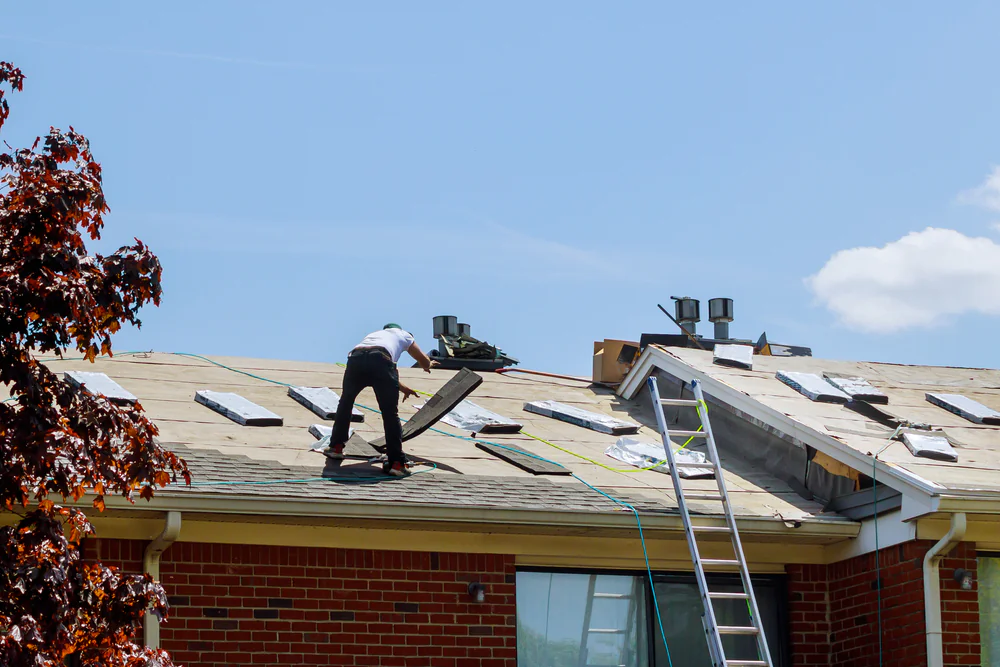
Asphalt shingles are designed to handle snow, ice, and temperature swings, but they’re not indestructible. The granules on the surface protect the asphalt underneath from UV damage and weathering. When those granules start washing away—and you’ll see them accumulating in your gutters—the shingle’s lifespan drops fast.
Winter maintenance for asphalt shingles starts in the fall. You want gutters clear so meltwater can drain properly. You want any damaged or lifted shingles replaced before snow and ice can get underneath them. And you want to make sure attic ventilation is working so you’re not creating the conditions for ice dams.
During winter, the main thing is keeping heavy snow loads off your roof if accumulation gets extreme. Most roofs in this region are built to handle typical snow loads, but after back-to-back storms, the weight can stress your structure. A roof rake used from the ground can clear the lower few feet of your roof, which is where ice dams typically form anyway.
What you don’t want to do is chip away at ice that’s already formed. That’s how you damage shingles. If you’ve got ice dams causing active leaks, call a professional who can use steam to remove the ice safely. It’s not a DIY situation.
After winter, your spring inspection should focus on shingles that may have lifted or cracked during freeze-thaw cycles. Temperature swings are hard on roofing materials. Shingles expand and contract, nails can work loose, and flashing can separate from the roof deck. Catching these issues in April means you’re not dealing with leaks in May.
The other thing to watch for is moss and algae growth. New England’s humidity creates perfect conditions for organic growth on shingles, especially on north-facing roof sections that don’t get much sun. Those black streaks you see aren’t just cosmetic. The algae feeds on the limestone filler in shingles, breaking down the material over time. Professional roof cleaning every few years keeps this under control without the risk of pressure washing damage.
Most people think roof cleaning is about curb appeal. It’s not. It’s about removing organic growth and debris that actively shortens your roof’s lifespan.
Algae, moss, and lichen don’t just sit on your shingles. They retain moisture, which accelerates deterioration. Moss in particular can lift shingle edges, creating entry points for water. In New England’s climate, where you’ve got humidity in summer and moisture from snow in winter, these organisms thrive if left unchecked.
Professional cleaning uses low-pressure methods and solutions designed for roofing materials. The goal is to kill the growth and rinse it away without stripping protective granules or damaging shingles. This isn’t something you want to tackle with a pressure washer from the hardware store. High pressure can blow off granules, break the seal between shingle layers, and force water under shingles where it doesn’t belong.
Frequency depends on your specific situation. Homes surrounded by trees or in heavily shaded areas might need cleaning every two to three years. Properties with full sun exposure might go longer. Coastal homes deal with different issues—salt deposits that need rinsing more than organic growth.
The other benefit of professional cleaning is that it gives a trained eye a chance to inspect your roof up close. We’ll spot things you can’t see from the ground—early signs of shingle deterioration, failing sealant around vents, flashing that’s starting to separate. It’s preventative maintenance and inspection rolled into one service.
Cleaning also matters for energy efficiency. Dark streaks from algae absorb heat, making your roof hotter in summer and increasing cooling costs. A clean roof reflects more sunlight, which helps keep your attic cooler and reduces the load on your air conditioning.
Your roof is going to face everything New England throws at it—ice, snow, wind, salt air if you’re near the coast, and temperature swings that stress every material. You can’t change the weather. But you can control how your roof responds to it.
Regular maintenance isn’t about spending more money. It’s about spending it strategically, on your timeline, before small issues force expensive emergency repairs. It’s about getting 25 or 30 years from a roof instead of 15. And it’s about protecting everything under that roof—your home’s structure, your belongings, your family’s comfort.
The homeowners who get the most value from their roofs are the ones who treat maintenance as routine rather than optional. Spring and fall inspections. Prompt repairs when issues are found. Professional cleaning when organic growth appears. Attention to attic ventilation and insulation. These aren’t complicated steps, but they make the difference between a roof that protects your investment and one that becomes your biggest regret.
If you’re in Essex County, Hillsborough County, Rockingham County, or Middlesex County and you’re not sure about your roof’s current condition, that’s where we can help. Understanding what your roof actually needs—maintenance, repair, or replacement—starts with an honest assessment from professionals who know New England weather and how it affects roofing systems in this region.
Summary:
Article details:
Share: