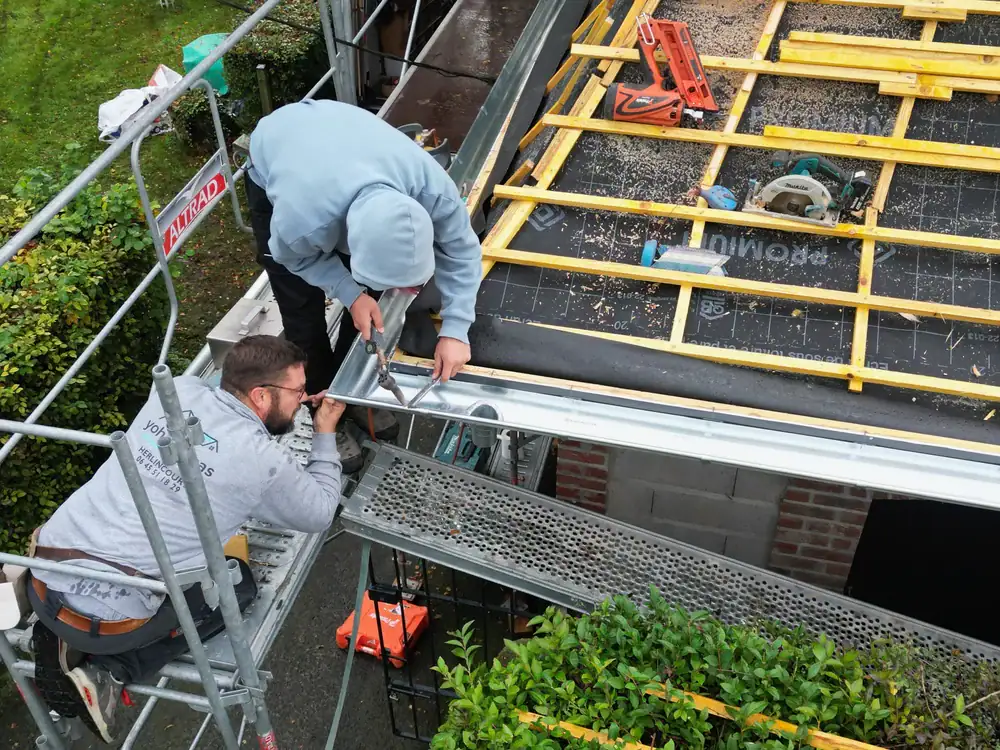
When a Nor'easter hits and your roof starts leaking, every hour counts. Get same-day emergency roof repair from Paradise Remodeling Inc across NH and MA.
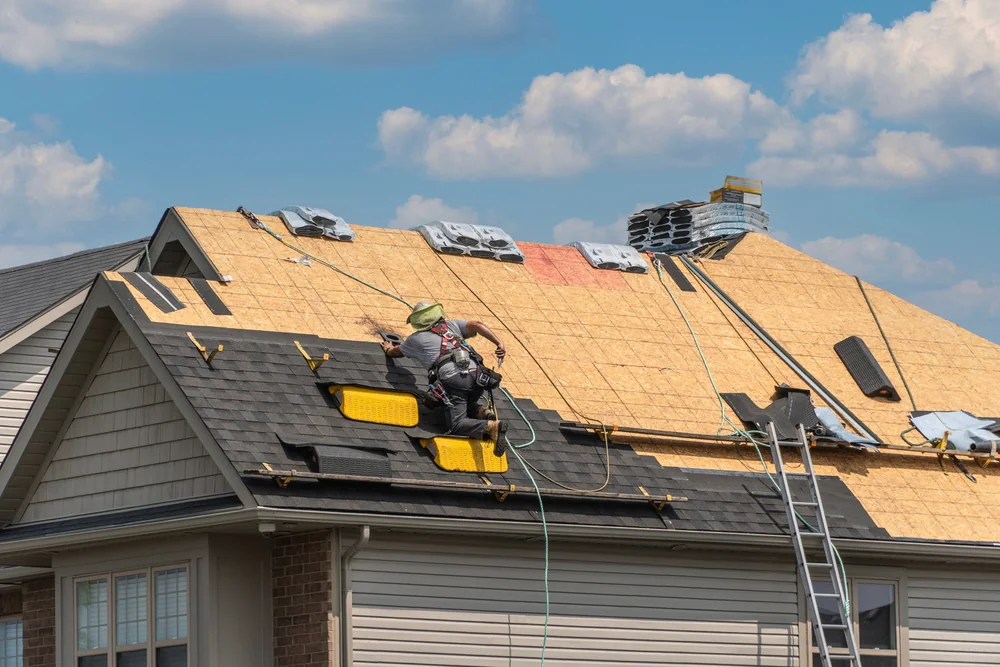
Not every roof issue needs a midnight call. But some do. A roof emergency is any situation where water is actively entering your home, structural integrity is at risk, or exposure to the elements is causing immediate damage.
Active leaks during or after a storm qualify. So does a section of shingles that’s been ripped off by wind. If you can see daylight through your attic ceiling, that’s an emergency. If water is pooling on your floor or staining your ceiling, that’s an emergency.
The difference between an urgent repair and something that can wait comes down to one thing: Is the damage getting worse right now? If yes, you call. If you’re not sure, you still call. Because what looks like a small problem from inside your house might be a much bigger issue once someone gets on the roof.
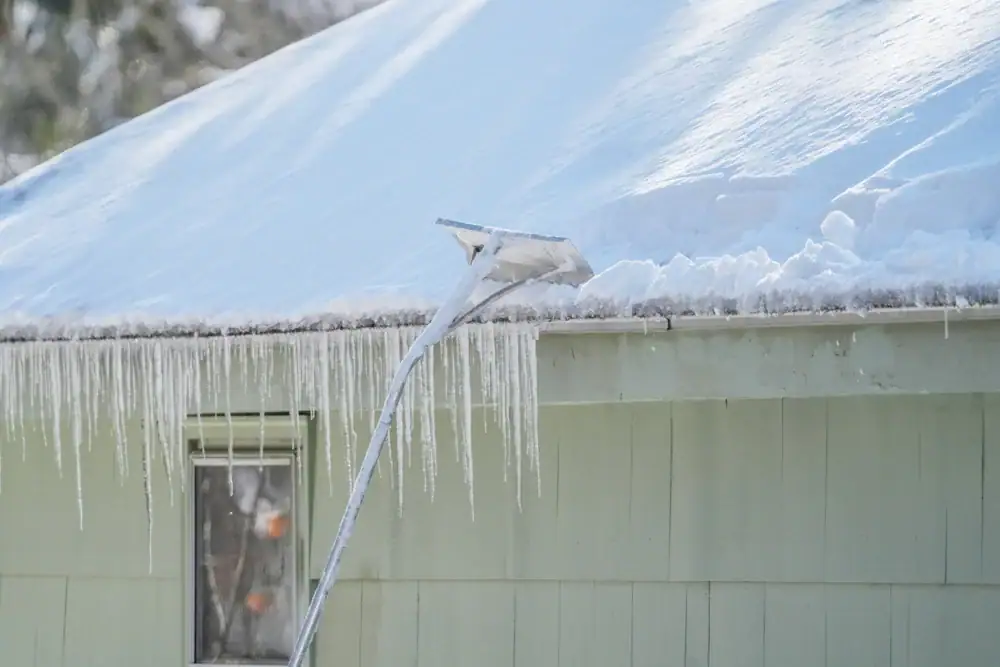
Nor’easters don’t just bring snow. They bring wind, freezing rain, ice, and rapid temperature swings that put serious stress on your roof. One day it’s 40 degrees and raining. The next morning it’s 15 degrees with ice everywhere. That freeze-thaw cycle alone can crack shingles, loosen flashing, and create gaps where water seeps in.
Wind is the other major factor. Even moderate wind speeds—around 45 to 60 mph—can lift shingles, especially if they’re older or if the sealant strips have weakened over time. Once a shingle lifts, the one next to it becomes vulnerable. Then the next one. It’s a chain reaction that can strip an entire section of your roof in one storm.
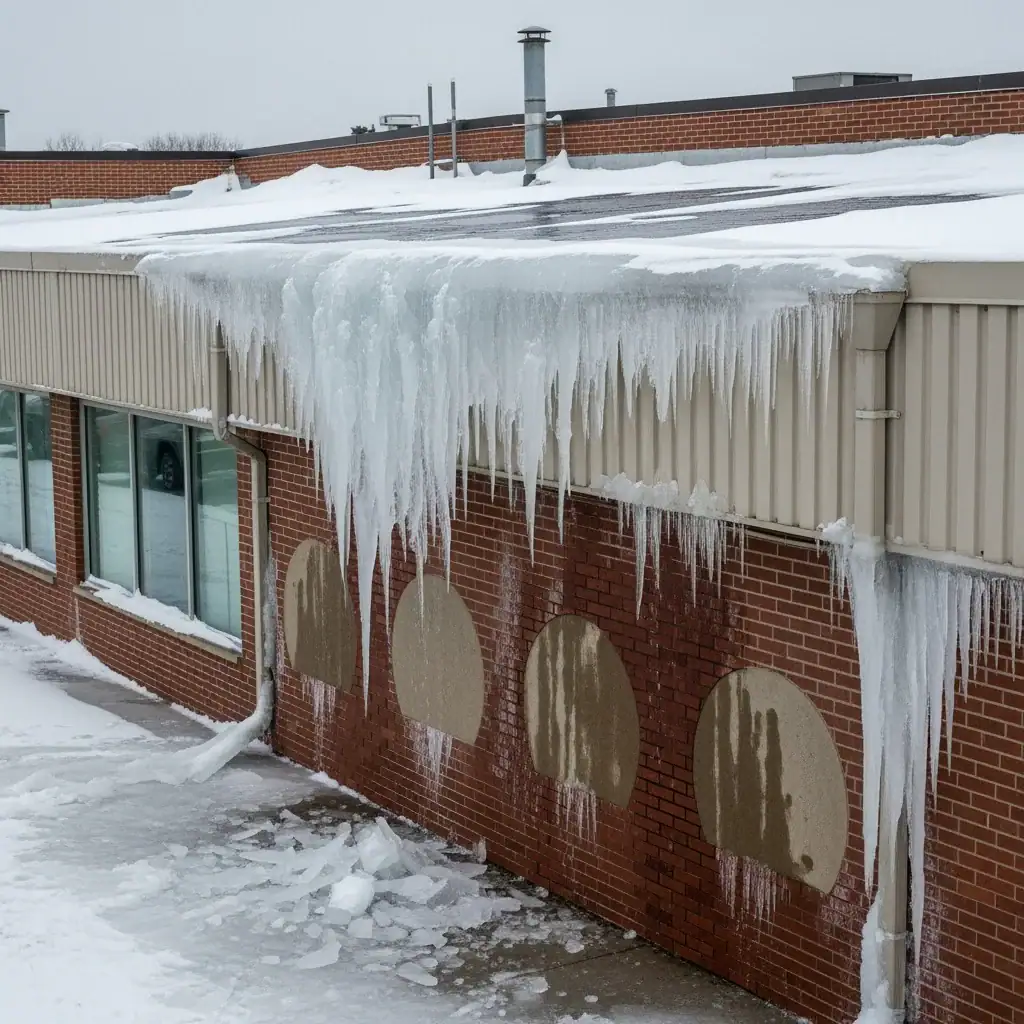
Ice dams are another common issue across New Hampshire and Massachusetts. When snow melts on your roof and refreezes at the edges, it creates a barrier that traps water. That water backs up under the shingles and leaks into your attic. You might not notice it right away, but by the time you do, the damage has already spread to insulation, wood framing, and drywall.
Then there’s debris. Branches break off trees during high winds and land on roofs, puncturing shingles or damaging flashing around chimneys and vents. Even smaller debris can clog gutters, causing water to overflow and pool against your roofline instead of draining away.
All of these issues happen fast. A roof that looked fine on Friday afternoon can be leaking by Saturday morning. That’s why emergency roof repair exists—to stop the damage before it becomes a full-blown disaster.
Some damage is obvious. Missing shingles. Water dripping from the ceiling. A tarp flapping in the wind because part of your roof is gone. But a lot of storm damage isn’t that clear. You might have a serious problem brewing and not realize it until the next rainstorm hits.
Start inside. Check your attic for damp spots, wet insulation, or water stains on the wood framing. Look at your ceilings for discoloration—brown or yellow stains mean water has been sitting there. Go into rooms on the top floor and check around windows, vents, and light fixtures. Water often travels along beams and shows up in unexpected places.
Then go outside. Walk around your house and look at the roof from the ground. Do you see shingles that are curled, lifted, or missing entirely? Are there sections where the shingles look crooked or out of alignment? Check your gutters for shingle granules—those small, sand-like particles that coat asphalt shingles. A little bit is normal. A lot means your shingles are breaking down.
Look at the flashing around chimneys, vents, and skylights. Flashing is the metal or rubber material that seals the gaps where your roof meets other structures. If it’s bent, loose, or missing, water can get in. Wind often targets these spots because they’re already vulnerable.
Don’t forget about debris. If there are branches, leaves, or other materials piled on your roof or clogging your gutters, they need to be cleared. Standing water and trapped moisture create the perfect environment for leaks and rot.
If you see any of these signs, don’t wait. Even minor damage can turn into a major expense if water gets inside. The longer you wait, the more it costs to fix. Emergency roof repair is about catching problems early and stopping them before they spread.
Want live answers?
Connect with a Paradise Remodeling Inc. expert for fast, friendly support.
When you call us for emergency roof repair, the first priority is stopping the damage. That means getting someone to your house fast—ideally the same day—to assess the situation and secure your roof against further water intrusion.
The process usually starts with a quick inspection. We’ll check the roof from the outside and the attic from the inside to identify where the damage is and how bad it is. We’ll look for active leaks, missing or damaged shingles, compromised flashing, and any structural issues that need immediate attention.
If water is actively coming in, the next step is temporary protection. That might mean installing a tarp over the damaged area, applying emergency sealant, or patching holes with temporary materials. The goal isn’t a permanent fix—it’s to keep water out until a full repair can be done safely and correctly.
Time is everything when your roof is leaking. Every hour that water sits in your attic or walls increases the damage. Insulation gets soaked and loses its effectiveness. Drywall swells and crumbles. Wood framing absorbs moisture and starts to rot. Mold can begin growing in as little as 24 to 48 hours.
That’s why same-day response matters. When we can get to your house within a few hours of your call, we can stop the damage before it spreads. We can tarp the roof, seal the leak, and prevent thousands of dollars in additional repairs to your home’s interior.
Same-day service also means you’re not left scrambling to move furniture, set up buckets, or watch water drip through your ceiling while you wait for help. You get immediate relief and a clear plan for what happens next.
Not every roofing company offers same-day emergency service. Some take calls but don’t actually send a crew until the next business day. Others only respond during certain hours. When you’re dealing with a roof emergency, you need a contractor who picks up the phone at any time—day or night, weekday or weekend—and shows up ready to work.
At Paradise Remodeling Inc, we offer that kind of response across Essex County MA, Hillsborough County NH, Rockingham County NH, and Middlesex County MA. When you call, you’re not put on a waiting list. You get a crew that understands the urgency and has the equipment to handle it.
Most homeowners insurance policies cover sudden, accidental roof damage caused by storms. That includes wind damage, hail damage, fallen trees, and leaks that result from those events. But getting your claim approved requires proper documentation and timely action.
The first step is to call your insurance company as soon as you discover the damage. Most insurers have 24-hour claims lines, and reporting the damage right away protects your coverage. If you wait too long, the insurance company might argue that you failed to prevent further damage, which could reduce or deny your claim.
Next, document everything. Take photos and videos of the damaged areas—both inside and outside your home. Capture wide shots that show the overall damage and close-ups that highlight specific issues like missing shingles, water stains, or broken flashing. Make sure your photos are timestamped so there’s a clear record of when the damage occurred.
Keep receipts for any emergency measures you take. If you buy tarps, sealant, or other materials to protect your home, save those receipts. If you hire a contractor for emergency repairs, keep the invoice. Many insurance policies reimburse you for reasonable steps taken to prevent further damage.
When the insurance adjuster comes to inspect your roof, it helps to have a contractor there too. Adjusters work for the insurance company, not for you. Their job is to assess the damage and determine how much the insurer will pay. Having a roofing contractor present ensures that all the damage gets documented and that nothing gets overlooked.
A good contractor will take their own photos, provide a detailed estimate, and explain the scope of work needed. They can also point out damage that might not be obvious to someone who isn’t a roofing professional—like compromised underlayment, weakened decking, or subtle signs of water intrusion.
If your claim gets approved, the insurance company will typically pay the actual cash value of the repairs upfront, minus your deductible. If you have replacement cost coverage, you’ll receive the remaining amount after the repairs are completed and you provide proof of payment.
Working with a contractor who has experience handling insurance claims makes the process smoother. We know what adjusters look for, how to document damage properly, and how to communicate with insurance companies to get claims approved. At Paradise Remodeling Inc, we work with homeowners throughout the claims process, providing the documentation and support needed to move things forward quickly.
Storm damage doesn’t fix itself. A small leak today becomes a bigger problem tomorrow. Missing shingles expose your roof to more water, more wind, and more damage. The longer you wait, the more it costs.
If your roof was damaged in a recent storm—or if you’re seeing signs of wear that could turn into an emergency the next time bad weather rolls through—don’t put it off. Get it inspected. Get it repaired. Get it done right.
At Paradise Remodeling Inc, we provide emergency roof repair and storm restoration services across Essex County MA, Hillsborough County NH, Rockingham County NH, and Middlesex County MA. Same-day response, quality repairs, and help with insurance claims. When your roof needs attention now, we’re ready.
Summary:
Article details:
Share: