Wondering when it's time for a new roof or whether your current roofer is the right fit? We answer the most common roofing questions homeowners face. Because "indoor waterfall" is not a trending interior design choice.
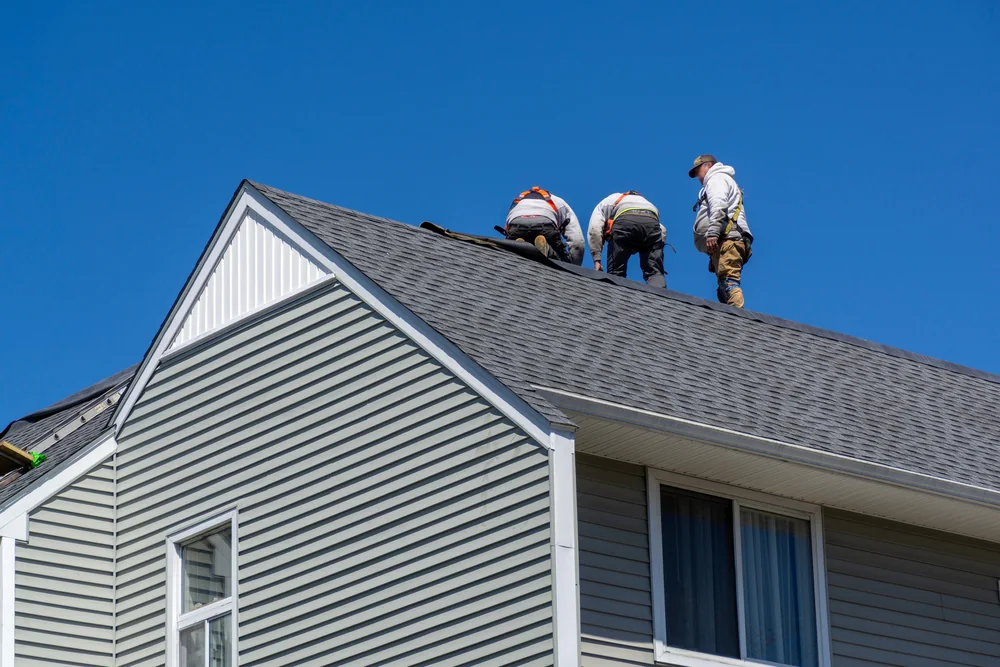
This is the question that keeps most homeowners up at night—usually right under the spot where they think they heard a “drip.” You don’t want to replace a perfectly good roof, but you also don’t want to throw money at repairs that have the lifespan of a New Year’s resolution.
The honest answer depends on three things: age, extent of damage, and what’s happening beneath those shingles. Most asphalt shingle roofs last about 20 to 25 years in our New England climate. If yours is approaching that age and you’re seeing multiple issues, replacement usually makes more sense than patching. At a certain point, your roof is more “patch” than “roof,” and that’s a red flag.
But age isn’t everything. A 15-year-old roof with widespread damage from a storm might need replacing, while a 22-year-old roof with a few isolated problem spots might just need targeted repairs. That’s where an honest inspection comes in—not a sales pitch disguised as an inspection.
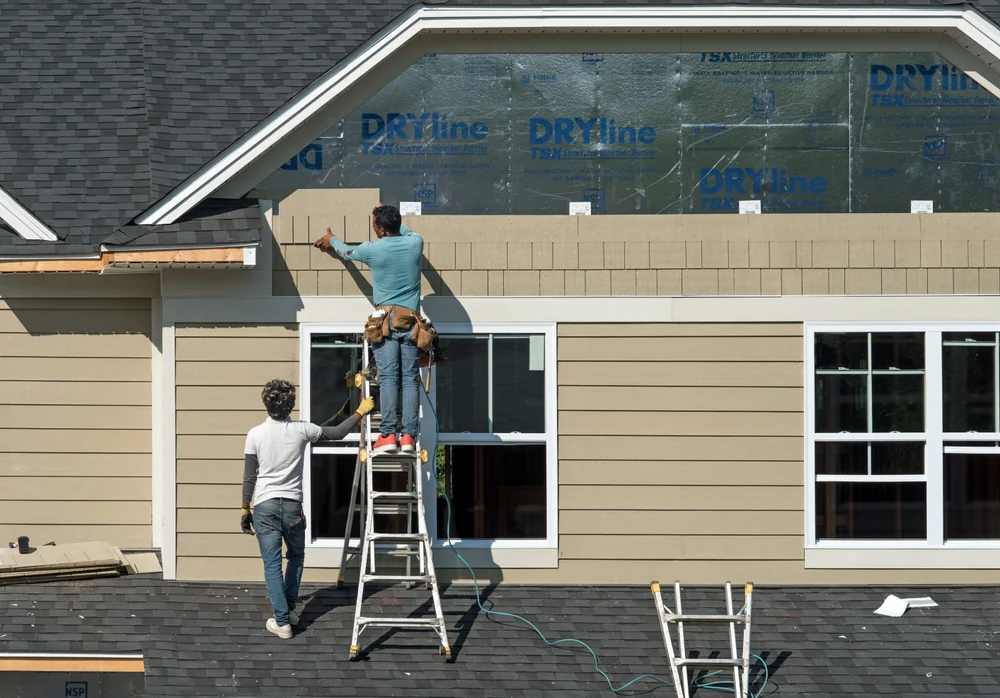
Walk outside and take a look at your roof right now. What do you see? And no, “a bird” doesn’t count as a structural assessment.
Curling shingles are one of the clearest signs your roof is past its prime. When shingle edges start turning upward, they look like they’re trying to peel themselves off in protest. You might also notice bald spots where shingles have completely lost their granules. If your roof looks like it needs a comb-over, it’s losing its protective shield.
Missing shingles are obvious. But what about the less visible signs? Check your gutters. If you’re finding a lot of granules collecting there, that’s your roof literally shedding its skin. Those granules protect against UV damage and fire. Without them, your shingles deteriorate faster than a snowman in July.
Head inside and look at your ceilings and attic. Water stains, even small ones, mean moisture is getting through. Don’t ignore dark streaks or spots of mold. And if you’re noticing your energy bills creeping up, your roof might be letting conditioned air escape. You’re basically paying to air-condition the entire neighborhood.
Here in MA and NH, we deal with ice dams and freeze-thaw cycles that accelerate wear. Moss growth isn’t just a “forest aesthetic.” It holds moisture against your roof surface, and in freezing weather, that moisture expands and damages shingles from underneath. If your roof has more greenery than your garden, we need to talk.
You’ve identified a problem. Now comes the harder question: fix it or replace the whole thing? It’s the classic “new transmission or new car” dilemma.
Start with the scope of damage. If you’ve got a few damaged shingles in one section after a storm, repair makes sense. If you’re looking at damage across multiple areas, or if your roof is already 15-plus years old, replacement often costs less in the long run than repeated “band-aid” fixes.
Think about it this way: repairs buy you time. Replacement buys you assurance. If your roof is relatively young, a quality repair can add 5 to 10 years of life. But if you’re constantly calling for fixes, those repair costs add up fast. You don’t want to be on a first-name basis with your roofer because they’re at your house every Tuesday.
Here’s what most homeowners don’t realize: the real issue often isn’t what you can see from the ground. Water damage, poor ventilation, and improper installation from years ago can all cause problems that look minor on the surface but run deep. A reputable roofing contractor will actually climb up there—not just squint at it from the driveway.
Cost plays a role, obviously. But consider the hidden costs of delaying. Water intrusion leads to rot, mold, and structural damage. A small leak today can mean thousands in interior repairs six months from now. Insurance might cover storm damage, but they won’t cover “I ignored it for three years.”
Ask yourself: how long do you plan to stay in this home? If you’re selling soon, targeted repairs might get you through. If this is your long-term home, investing in a quality replacement protects your biggest asset. And if you’re near the coast, that salt air and humidity make durability even more critical. Coastal air is great for your lungs, but it’s a bully to your shingles.
The right roofer won’t push you toward the most expensive option. We show you what’s happening and let you make an informed decision. If a contractor is pressuring you or can’t explain why they’re recommending one approach over another, that’s a red flag. You’re hiring a roofer, not a car salesman.
Want live answers?
Connect with a Paradise Remodeling Inc. expert for fast, friendly support.
Choosing a roofer shouldn’t feel like a gamble. But with so many contractors out there, how do you separate the professionals from the “two guys and a ladder” operations?
Start with the basics. Ask for their full business name and physical address. If they only have a P.O. box or can’t provide a verifiable location, walk away. You want to make sure they won’t pull a vanishing act the moment the check clears. Check their license and insurance. Every legitimate roofer should carry general liability and workers’ compensation. Without it, you’re liable if someone decides to take a shortcut off your roof.
Then dig deeper. How long have they been in business? Experience matters, especially in our climate. A roofer who understands New England weather knows how to handle ice dam prevention and proper ventilation. You don’t want a roofer who thinks a “Nor’easter” is just a fancy compass direction.
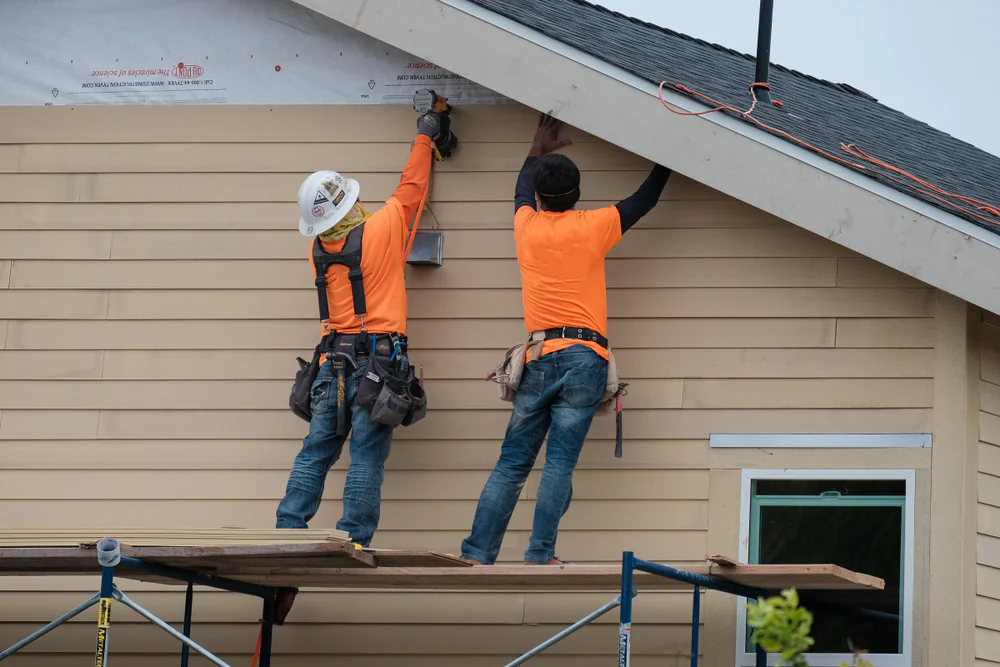
Trust isn’t built on a glossy brochure. It’s built on proof.
Ask for references from recent projects in your area. A confident contractor will happily share names. Better yet, ask if you can drive by and see their work. Look for manufacturer certifications—like Owens Corning or GAF. These require training and proven quality. If your roofer has these credentials, it means they’ve invested in doing things right, not just doing them fast.
Pay attention to communication. Do they return calls quickly? Do they explain things in plain language, or do they hide behind jargon? If they start talking about “thermodynamic shingle integration” to justify a price hike, be skeptical. The way a contractor treats you during the estimate tells you exactly how they’ll treat you during the project.
Read online reviews, but read them critically. Every company gets a cranky review occasionally. What matters is the pattern. Consistent praise for professionalism? Good. Consistent complaints about disappearing after taking deposits? Run faster than a homeowner during a ceiling leak.
Ask about their warranty. Most shingle manufacturers offer warranties on materials, but what about workmanship? A reputable roofer stands behind their installation. If they’re hesitant to discuss warranties, that’s concerning. You want everything in writing. A verbal warranty is worth the paper it’s printed on.
Here’s a question many forget: who’s actually doing the work? Some companies use subcontractors. You need to know those subs are also licensed and insured. You also want to know if the same crew will be there from start to finish, or if you’ll see a rotating cast of characters like a daytime soap opera.
Ask how they’ll protect your property. Roofing is messy. How will they handle debris? Will they use tarps to protect your prize-winning hydrangeas? What about cleanup? A professional crew uses magnetic tools to pick up nails—not your tires. Ask about their process for removing old materials and disposing of them properly.
Timelines matter too. Most residential roofs can be replaced in one to three days. If someone says it’ll take two weeks for a standard roof, ask why—are they building a cathedral up there? Weather delays happen, but you should have a realistic plan and clear communication.
Finally, trust your gut. If something feels off, if the price seems too good to be true, or if you feel pressured to sign immediately, step back. A trustworthy roofer respects your need to think and won’t treat your roof like a high-pressure sales floor.
Knowing what’s coming makes the whole process less stressful. It’s like a dental appointment—noisy, but better when you know the steps.
Before any work begins, your contractor should walk you through the entire plan. We explain materials, the timeline, and property protection. Expect us to pull the necessary permits. That’s not red tape; it’s your protection. Permits ensure the work meets building codes. If a contractor asks you to pull the permit, they’re usually hiding something—like a lack of a license.
On day one, the crew arrives early. We set up tarps and a dumpster. You’ll hear noise. Roofing is loud. If you have a dog that hates thunder, today is going to be a long day for them. The crew will start by removing old shingles, which is the messiest part. A good crew contains this mess and doesn’t let your yard become a shingle graveyard.
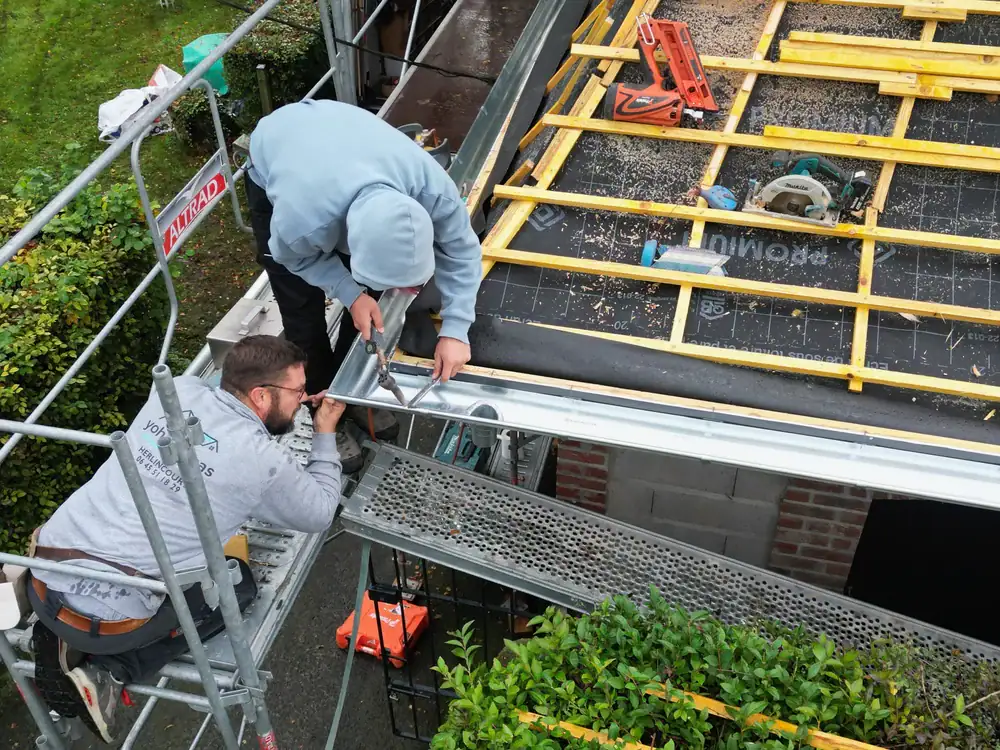
Once the old roof is off, we inspect the decking. This is when you might hear about additional costs. If we find rotted wood, it needs fixing. A reputable contractor explains this and shows you the problem. We don’t just add charges for “ghost rot” without proof.
Installation follows manufacturer specs. That means proper underlayment, flashing, and ventilation. These details matter more than shingles alone. Cutting corners here voids warranties and leads to leaks. It’s like building a house on sand—eventually, it’s going to be a problem.
Cleanup happens continuously. The crew should be picking up debris throughout the day. At completion, we do a final sweep with magnets to catch stray nails. We haul away all old materials and leave your property clean. The only thing we should leave behind is a great-looking roof.
Before we leave, walk the property with us. Check that you’re satisfied. Ask any remaining questions. Get copies of all warranties and keep them somewhere safe. You should also receive documentation of the materials used and the final permit sign-off.
Most importantly, you should have a clear point of contact after the project. If you notice an issue months later, you need to know who to call. Companies that disappear after the final check is cashed are the reason we have to write these guides.
Throughout this process, communication makes all the difference. You shouldn’t have to chase down your contractor. We’re proactive about updates and any issues. We treat your roof like it’s our own—mostly because we don’t want to come back and fix it for free later.
Your roof isn’t just shingles and nails. It’s what stands between your family and whatever weather New England decides to throw at you. Making the right decision about roof repairs, replacement, or choosing a contractor doesn’t have to be a headache.
Watch for the warning signs: curling shingles, granule loss, water stains, and age. Know when repairs make sense and when replacement is the smarter investment. Ask the right questions before hiring anyone, and trust contractors who communicate clearly, carry proper credentials, and stand behind their work with real warranties. Because “trust me” isn’t a warranty.
If you’re in Essex County, Hillsborough County, Rockingham County, or Middlesex County and need straight answers about your roof, we’ve been serving homeowners for over 13 years. Sometimes the best decision is simply talking to someone who’ll tell you the truth about what your roof needs.
Summary:
Article details:
Share: