Hear from Our Customers
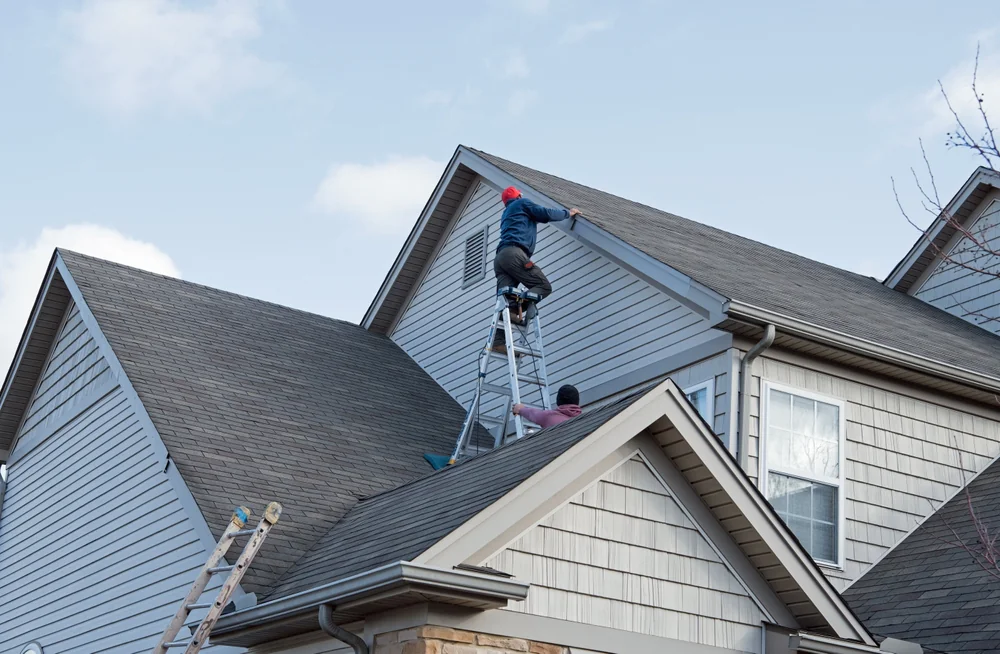
That water stain on your ceiling isn’t going away on its own. Neither is the missing shingle you noticed last week. What starts as a small leak turns into rotted decking, ruined insulation, and mold growing in your walls.
You’re looking at this thinking about cost. That’s smart. But here’s what actually costs more: waiting. A $600 repair today becomes a $5,000 problem by spring if water keeps getting in through winter.
When we repair your roof, you’re not just patching a hole. You’re protecting everything under it. Your belongings, your family’s comfort, and the equity you’ve built in your home. The repair gets done correctly using materials that last, and you stop worrying every time it rains.
We’ve been handling roof repairs across Groton and the surrounding Massachusetts area for over a decade. We’re an Owens Corning Preferred Contractor, which means we meet strict standards that most roofing companies don’t qualify for.
Our BuildZoom score puts us in the top 8% of all licensed contractors in Massachusetts. That’s not marketing talk—it’s a ranking based on licensing, insurance, and actual work history. You can verify it yourself.
Groton winters are brutal on roofs. Heavy snow, ice dams, freeze-thaw cycles—we’ve seen what they do to homes here. We know which repairs hold up and which ones fail by March. That experience matters when your roof is leaking and you need it fixed right.

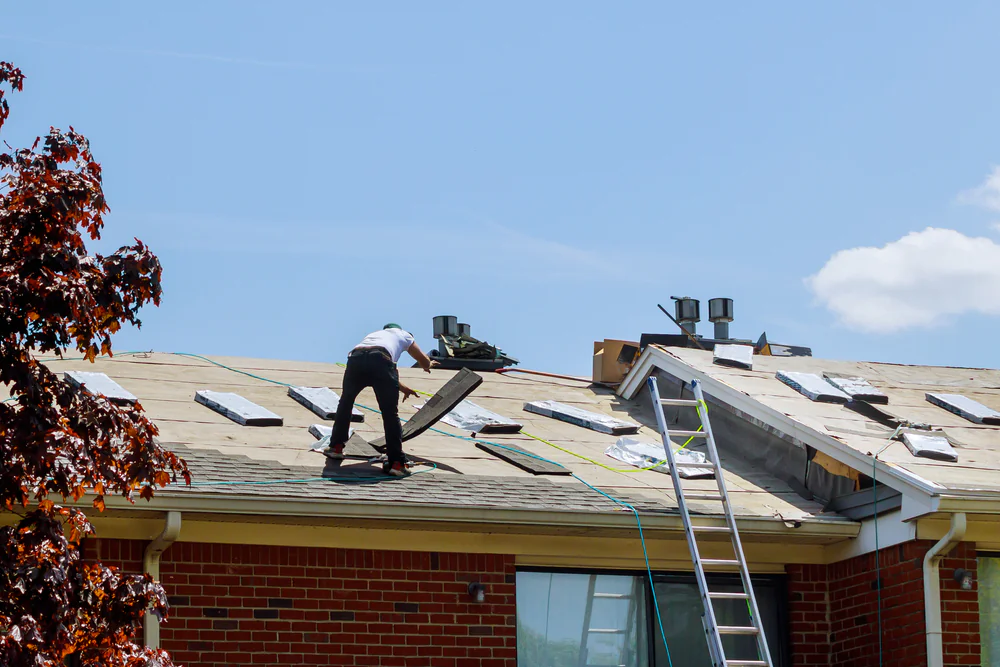
First, we come out and inspect your roof. Not just the obvious damage—we check the surrounding area, the flashing, the underlayment, and anything else that could be compromised. You get a clear explanation of what’s wrong and what it’ll take to fix it.
Then we give you an honest estimate. No hidden fees, no upselling you on work you don’t need. If it’s a simple repair, we tell you. If there’s a bigger issue developing, we tell you that too.
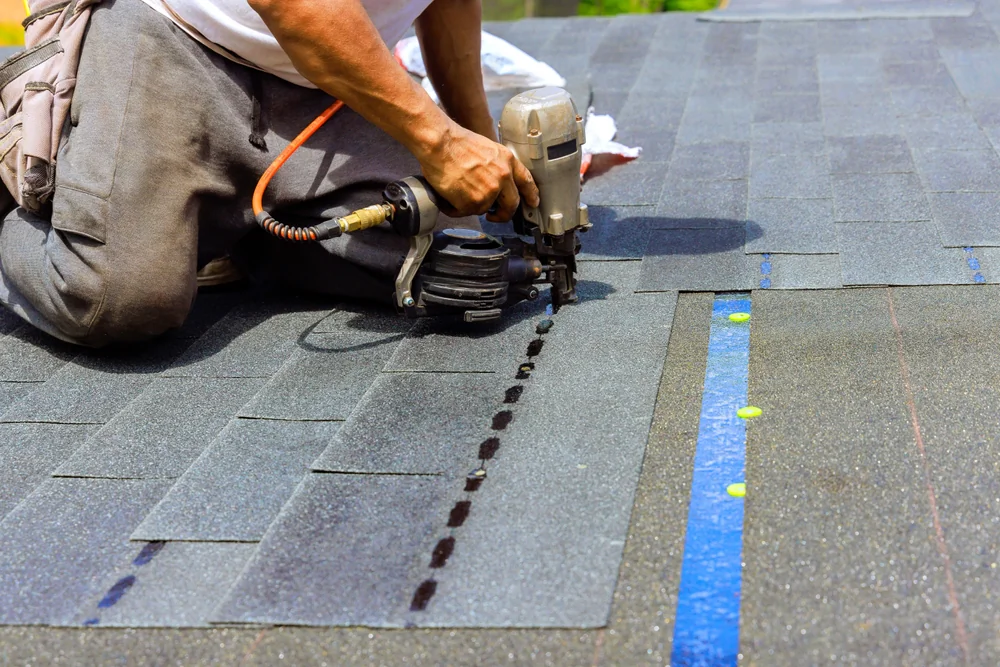
Once you approve the work, we schedule it fast. For emergencies, we can often get a crew out the next day. We bring the right materials, do the repair correctly, and clean up when we’re done. You’re not left with a tarp and a promise—you get a finished repair that stops the leak and lasts.
Ready to get started?
We handle the full range of roof repairs that Groton homeowners deal with. Storm damage from high winds and fallen branches. Ice dam damage that’s let water into your attic. Missing or damaged shingles that expose your roof deck. Flashing failures around chimneys and vents.
Massachusetts weather is hard on roofs. You get heavy snow that sits for weeks, then melts and refreezes at the edges. That’s how ice dams form, and they’re one of the most common—and expensive—problems we see in Groton. When water backs up under your shingles, it doesn’t just drip. It saturates insulation, drips into walls, and causes damage you can’t even see yet.
We also repair older roofing systems that are showing their age. Slate repairs, flat roof sections, and rubber roofing on additions or porches. If your home has a complex roof with multiple materials, we have the experience to work with all of it. We use quality products like Mule Hide roofing materials that are built to handle New England weather, not the cheap stuff that fails in two years.

Most roof repairs in Groton run between $400 and $1,800, depending on what’s damaged and how accessible it is. A few missing shingles might cost $400 to $600. Ice dam damage that’s affected your decking and insulation can run $2,000 to $5,000 or more.
Here’s what affects the price: the type of roofing material, how much needs replacing, whether there’s structural damage underneath, and how steep or high your roof is. If we need to replace damaged decking or flashing, that adds to the cost.
We give you a clear estimate before starting any work. No surprises, no “we found more problems” upsells unless there’s genuinely hidden damage we couldn’t see from the ground. Most homeowners in Groton spend around $1,100 for typical repairs, but your situation might be simpler or more complex.
If you’ve got active damage or a leak, no. Waiting makes it worse and more expensive. Water doesn’t stop coming in just because it’s cold outside—it finds every gap and soaks into materials that are expensive to replace.
Winter roof repairs are trickier, but they’re absolutely doable when you work with a contractor who knows how to handle cold-weather roofing. We use materials rated for low temperatures and take the safety precautions needed to work on icy or snow-covered roofs.
If your roof isn’t actively leaking but you’ve noticed some wear, spring is fine for non-urgent maintenance. But if you’re seeing water stains, missing shingles after a storm, or ice dams forming, get it fixed now. The longer water has access to your roof deck and attic, the more damage it does. By spring, you might be looking at a much bigger repair—or even a full replacement.
It depends on what caused the damage. Wind and hail damage are typically covered under Massachusetts homeowners insurance policies. Storm damage from fallen trees or branches usually qualifies too. Ice dam damage can be covered, but it depends on your specific policy and whether the insurance company considers it a maintenance issue.
What’s usually not covered: wear and tear, aging materials, or damage from deferred maintenance. If your roof was already in rough shape and finally failed, insurance probably won’t pay for it.
We can work with your insurance company if you’re filing a claim. We’ll document the damage, provide estimates, and explain what happened in terms adjusters understand. But get the roof inspected soon after storm damage happens—most policies have time limits for filing claims, and waiting too long can disqualify you from coverage.
If the damage is localized to one area—a few missing shingles, a damaged section from a fallen branch, flashing that’s come loose—repair makes sense. If your roof is relatively new and the rest of it is in good shape, there’s no reason to replace the whole thing.
Replacement makes more sense when your roof is near the end of its lifespan and you’re seeing problems in multiple areas. Widespread curling or cracked shingles, granule loss across large sections, or multiple leaks in different spots usually mean the whole system is failing.
Here’s the honest answer: we’ll tell you which one you actually need. If a repair buys you another five to ten years, we’ll recommend that. If you’re going to be calling us back every year for new leaks, we’ll tell you replacement is the smarter move. We’re not here to sell you the most expensive option—we’re here to give you the solution that actually makes sense for your situation.
Yes. If your roof is actively leaking or you’ve got storm damage that’s exposed your home to the weather, we can usually get someone out the next day. We’ve had crews show up the morning after a homeowner called and complete emergency repairs within hours.
Emergency repairs focus on stopping the immediate damage. We secure the area, stop the leak, and make sure your home is protected. If there’s more extensive work needed, we’ll schedule that separately—but you won’t be left with water pouring into your house while you wait.
Don’t try to fix it yourself or climb onto a damaged roof, especially in winter. It’s dangerous, and temporary fixes often make things worse. Call us, explain what’s happening, and we’ll walk you through what to do until we can get there. If you need to contain water inside your home, we’ll tell you how. But leave the roof work to people who have the equipment and experience to do it safely.
For emergency repairs, the best time is right now—whenever the damage happens. For planned maintenance or non-urgent repairs, late spring and fall are ideal. The weather is more predictable, materials set properly, and contractors have better availability.
Summer is peak season, which means higher prices and longer wait times. Winter repairs are possible but more complicated due to cold temperatures and snow. If you can schedule non-urgent work for shoulder seasons, you’ll often get better pricing and faster turnaround.
That said, don’t delay needed repairs just to wait for perfect weather. A small leak in January becomes a big problem by June. If something needs fixing, get it done. We work year-round and know how to handle repairs in less-than-ideal conditions. The key is addressing problems before they escalate—that saves you money no matter what season it is.