Hear from Our Customers

Your heating bills drop because modern siding materials actually insulate. That’s the reality when you upgrade from old, drafty wood or cracked vinyl to fiber cement or insulated options built for Massachusetts winters.
You stop worrying about moisture creeping behind your walls. Proper house wrapping in Groton, MA creates a weatherproof barrier that keeps rain, snow, and ice from reaching your sheathing. That means no more mold, no more rot, and no more expensive structural repairs down the line.
Your home looks better, and that matters when every house on your street reflects the character of this town. Fresh siding brings back curb appeal without the constant maintenance wood demands. Whether you’re staying put or thinking about selling someday, the return on investment consistently ranks among the highest of any exterior upgrade you can make.
We’ve spent nearly two decades installing siding across Middlesex County, and we’ve seen what works in Groton’s climate. The temperature swings, the nor’easters, the humidity in July—your exterior takes a beating, and we know which materials and installation methods hold up.
We’re licensed, insured, and we’re Owens Corning Preferred Contractors. That’s not just a badge—it means we meet strict standards for quality and service. You’re not hiring someone who ghosts you after the deposit or cuts corners to finish fast.
Groton homeowners deal with a mix of colonial revivals, cape cods, and mid-century builds. Each one has different needs, and we’ve worked on enough of them to know the difference between a quick fix and a lasting solution.
First, we come out to look at your home. We’re checking for damage behind your current siding, measuring square footage, and talking through material options that fit your budget and your goals. You’ll get a clear estimate with no surprises later.
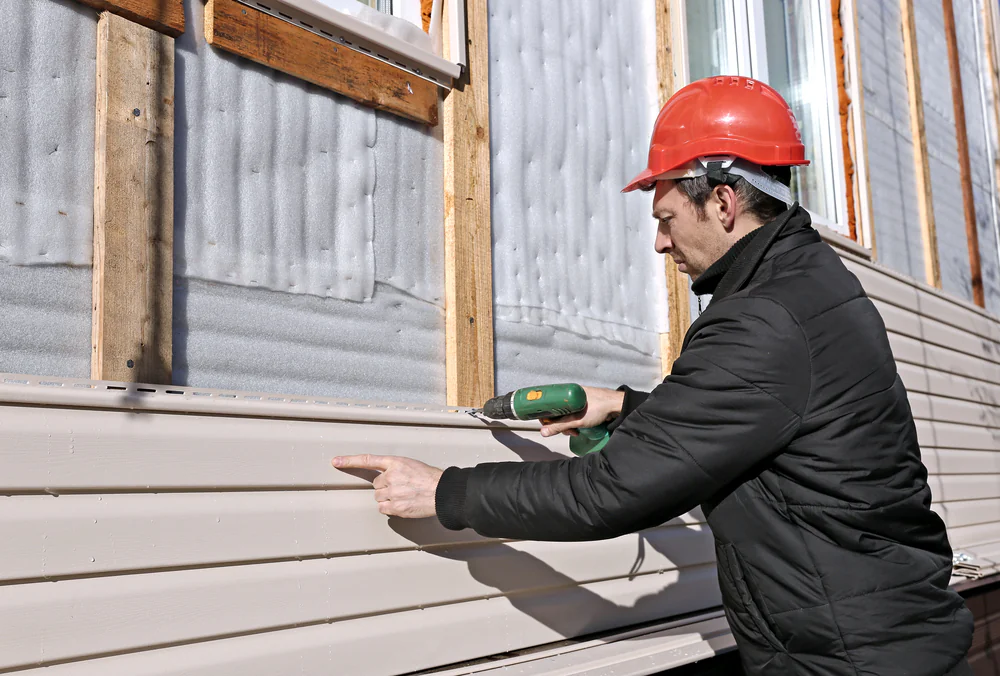
Once you’re ready to move forward, we schedule the work around your timeline. Installation starts with removing your old siding and inspecting the sheathing underneath. If there’s rot or water damage, we address it before anything new goes up—because covering up problems just creates bigger ones.
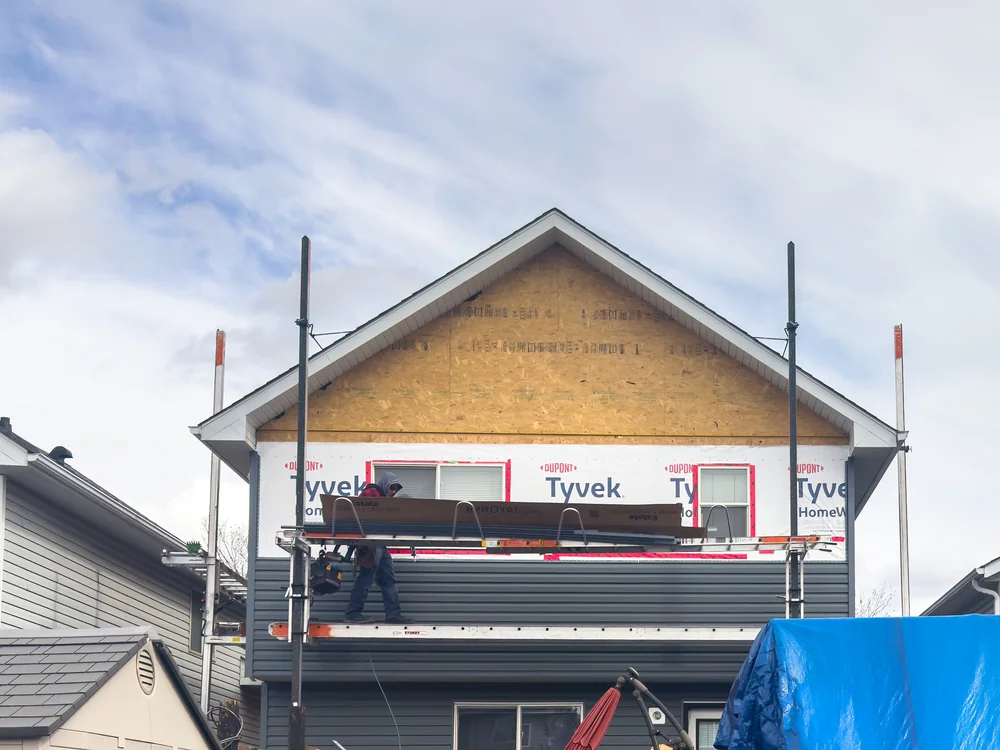
Then comes house wrapping. This step matters more than most people realize, especially in New England. We apply a water-resistant barrier that prevents wind-driven rain from penetrating your walls while still allowing moisture to escape. After that, we install your new siding—whether it’s vinyl, fiber cement, or James Hardie—following manufacturer specs to protect your warranty.
The job wraps up with a final walkthrough. We clean up completely, haul away the old materials, and make sure you’re satisfied with how everything looks and functions.
Ready to get started?
Fiber cement siding costs more upfront than vinyl, but the math changes when you factor in longevity. Vinyl needs replacement every 20 years. Fiber cement lasts as long as brick—often 50 years or more—and it doesn’t crack in cold weather or melt when a grill gets too close.
In Groton, most siding projects run between $12,000 and $28,000 depending on your home’s size and the material you choose. That includes labor, materials, house wrapping, and proper trim work. James Hardie installers in Groton typically charge more because the material requires specialized tools and training, but you’re getting fire resistance, pest resistance, and a finish that doesn’t fade.
Labor accounts for about half your total cost, and that’s where quality matters. Poor installation voids warranties and leads to moisture problems that cost more to fix than you saved by hiring cheap. You want crews who know how to flash windows correctly, manage water drainage, and secure boards so they don’t warp or buckle when temperatures swing 100 degrees between January and July.
Spring and fall are ideal for installation in Massachusetts. Summer works too, but contractors book up fast and prices reflect demand. Winter installations are possible but trickier—adhesives and caulks don’t perform as well in freezing temps.
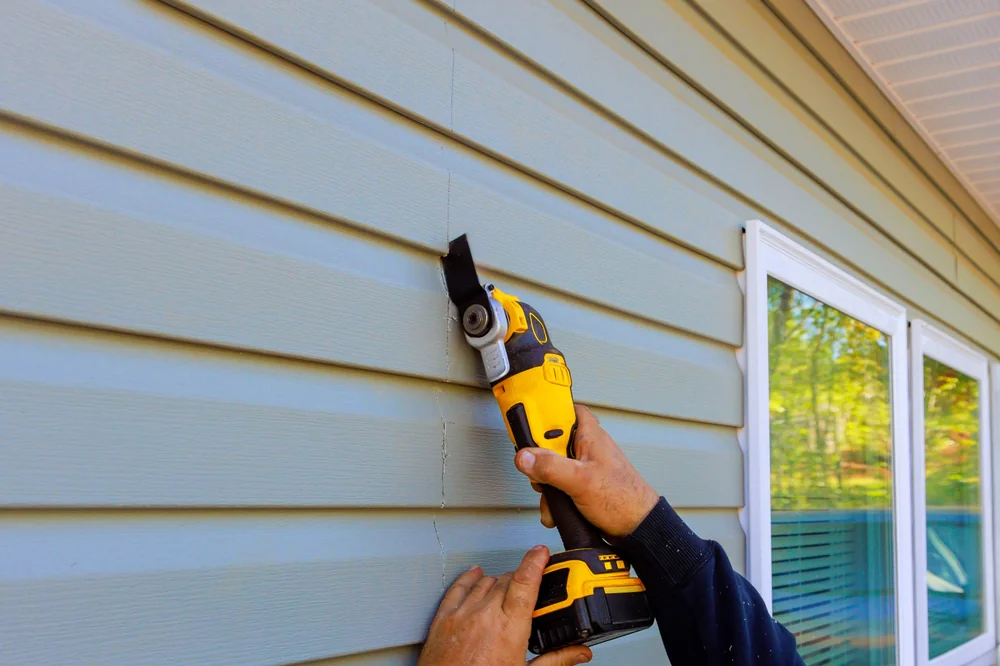
Most residential siding projects take one to two weeks from start to finish, depending on the size of your home and the material you’re installing. A typical cape cod or colonial in Groton usually wraps up in about seven to ten days if weather cooperates.
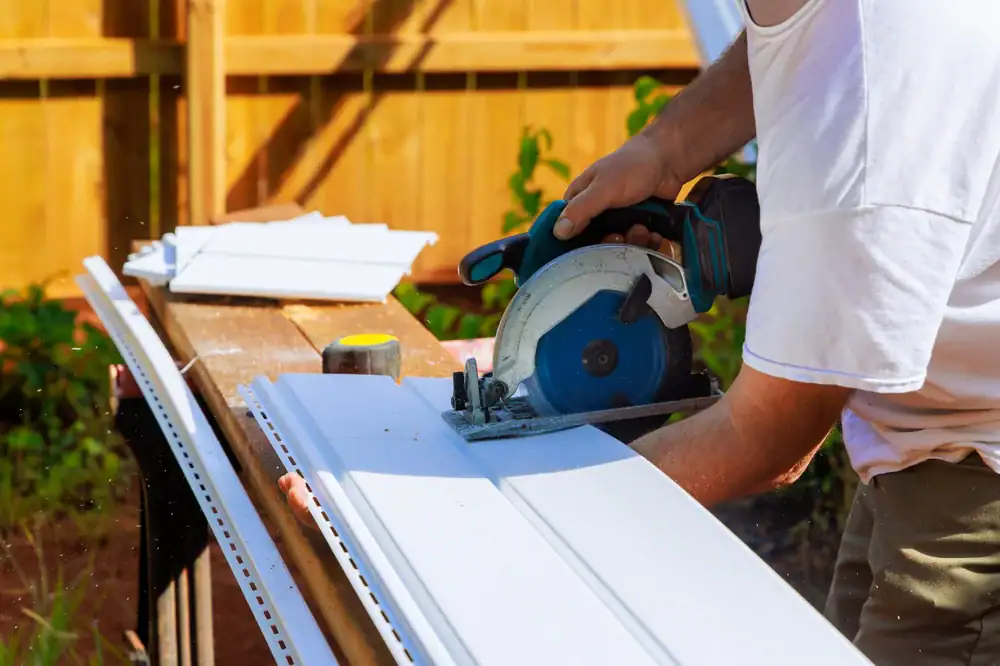
Fiber cement takes longer than vinyl because it’s heavier and requires more precise cutting. If we find rot or structural issues when we remove your old siding, that adds time—but it’s time well spent. Covering up damage just means bigger problems later.
We don’t rush jobs to move on to the next one. You’re paying for installation that protects your home for decades, and that means doing it right the first time.
Fiber cement handles New England’s climate better than anything else. It doesn’t crack in freezing temperatures, doesn’t warp when humidity spikes in summer, and it resists fire and pests better than wood or vinyl. James Hardie’s HZ5 product line is specifically engineered for cold climates with moisture resistance and paint adhesion designed for temperature swings.
Vinyl works if budget is tight, but it becomes brittle over time and can crack during ice storms or when branches fall. Wood looks great but demands constant maintenance—sealing, painting, checking for rot. In Groton, where you’re dealing with nor’easters and freeze-thaw cycles, fiber cement gives you the best balance of durability and low maintenance.
Insulated vinyl is a middle option. It costs more than standard vinyl but adds R-value to your walls and holds up better against impacts. Still, it won’t last as long as fiber cement.
Yes. House wrapping is your primary defense against water infiltration, and skipping it is one of the biggest mistakes homeowners make when they try to cut costs. Wind-driven rain will find its way behind your siding—that’s just physics—and without a proper barrier, moisture reaches your sheathing and leads to mold and rot.
In Groton, where you get heavy precipitation year-round and ice dams in winter, house wrapping isn’t optional. It keeps your wall cavities dry while allowing vapor to escape, which prevents condensation from building up inside your walls. That’s critical in a climate with extreme temperature differences between indoors and outdoors.
Quality house wrapping also improves energy efficiency by reducing air leakage. You’ll notice the difference in your heating bills, especially if your old siding didn’t have a proper weather barrier underneath.
Vinyl siding installation in Groton typically runs between $6 and $12 per square foot installed, which translates to about $12,000 to $20,000 for an average-sized home. That includes materials, labor, house wrapping, trim, and removal of your old siding.
Premium vinyl with insulation backing costs more—closer to $10 to $15 per square foot—but it adds R-value and holds up better against impacts. Standard vinyl is the most affordable option, but you get what you pay for in terms of durability and energy efficiency.
Labor rates in Massachusetts run higher than the national average, and that’s especially true in Middlesex County. But you’re paying for licensed, insured contractors who know local building codes and won’t disappear after the deposit clears. Cheap quotes usually mean corners get cut, and that costs you more when you have to fix moisture damage or redo poor installation.
Cracks, holes, or warping are obvious red flags. Even small gaps let moisture in, and once water gets behind your siding, it causes mold and rot that spread fast. If you see panels buckling or pulling away from the house, that’s a sign the material has reached the end of its lifespan or wasn’t installed correctly.
Peeling paint or fading color means your siding isn’t protecting itself anymore, let alone your home. Wood siding that needs repainting every few years is telling you it’s time to upgrade to something that doesn’t demand constant maintenance. Higher energy bills are another indicator—if your heating or cooling costs have crept up, your siding probably isn’t insulating like it should.
Interior damage is the worst sign. If you notice peeling wallpaper, bubbling paint, or mold inside your home, moisture is getting through your exterior. That’s not something you can ignore. It means your siding has failed, and the longer you wait, the more expensive the fix becomes.
Vinyl is DIY-friendly if you have experience with exterior work and the right tools. But fiber cement is a different story. James Hardie boards are heavy—you need two people just to lift and position them safely—and cutting them creates silica dust that requires specialized equipment and safety gear.
More importantly, mistakes void your warranty. If you don’t flash windows correctly, leave proper gaps for expansion, or secure boards according to manufacturer specs, you’re on your own when problems show up. And they will show up, because improper installation leads to moisture infiltration, warping, and premature failure.
In Groton’s climate, where your siding takes a beating from temperature swings and precipitation, professional installation isn’t just about convenience—it’s about making sure the job protects your home for decades. The money you save doing it yourself disappears fast when you have to fix water damage or replace failed siding years earlier than you should.