Hear from Our Customers
You’ve got enough on your plate without wondering if your roof will hold up during the next Nor’easter. When salt spray, high winds, and freeze-thaw cycles are constantly testing your home, small problems turn into expensive disasters fast.
A proper roof repair means you’re not patching the same spot every spring. It means your attic stays dry when the rain comes sideways off the Atlantic. It means you can actually trust that the work was done right, with materials built for coastal conditions.
That’s what matters when you’re protecting a home worth nearly $800K in one of the most competitive housing markets in Massachusetts. You need repairs that last, contractors who show up when they say they will, and work that doesn’t cut corners just to save a few bucks.
Paradise Remodeling Inc has spent over 18 years fixing roofs across Essex County. We’re an Owens Corning Preferred Contractor, which means we’ve met strict requirements that most roofing companies don’t qualify for.
We’re not storm chasers who show up after bad weather and vanish with your deposit. We’re licensed, insured, and ranked in the top 8% of Massachusetts contractors on BuildZoom. Our customers in Newburyport use us repeatedly because the work holds up and we actually answer the phone.
You’ll find us working on homes from Salem to Amesbury, but we know Newburyport’s challenges specifically. The coastal wind, the salt air, the ice dams that form after heavy snow—these aren’t just talking points for us. They’re conditions we account for in every repair.

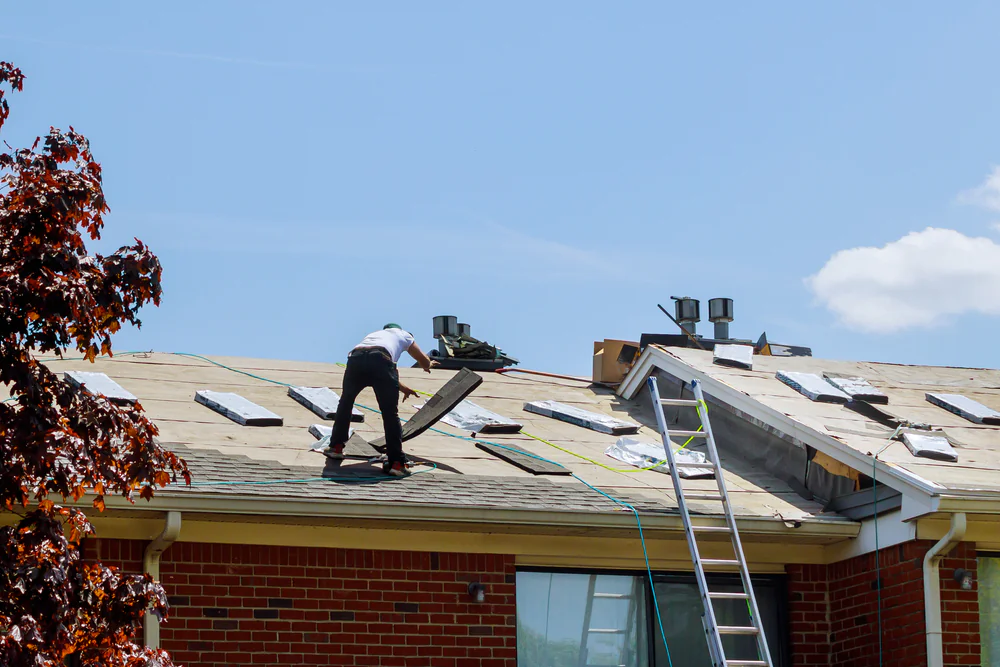
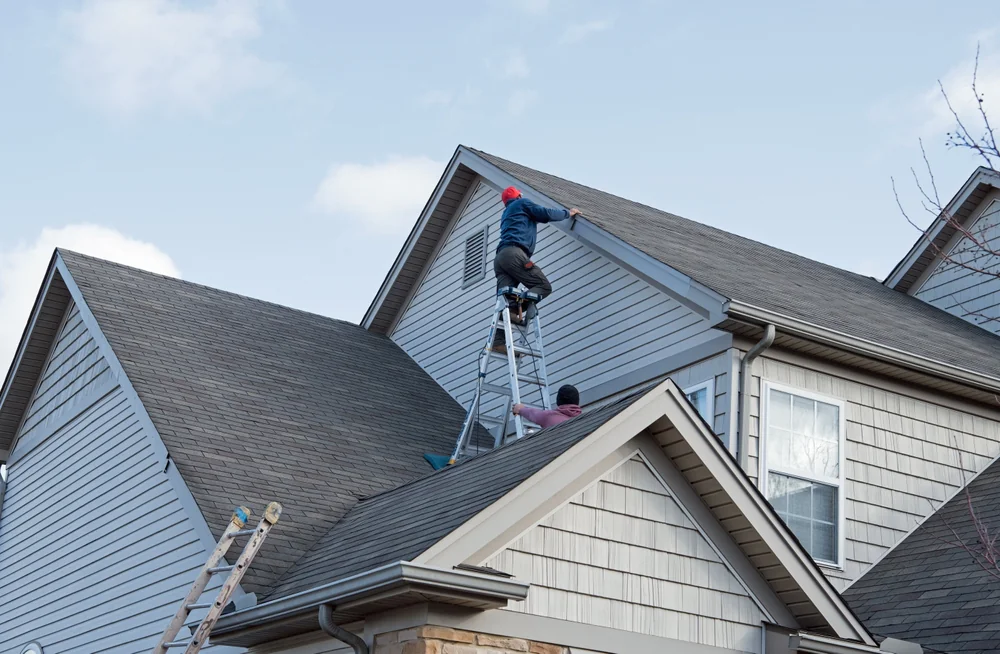
First, we come out and actually look at your roof. Not a quick glance from the ground—a real inspection where we check flashing, fasteners, shingles, and any areas where water might be getting in. Coastal homes take a beating, so we’re looking for wind damage, salt corrosion, and wear patterns you won’t catch from your driveway.
Then we give you a straightforward assessment. If it’s a simple fix, we’ll tell you. If you’re looking at bigger issues, we’ll explain what’s happening and why it matters. No scare tactics, no upselling—just honest information so you can make the right call for your home and budget.
Once you approve the work, we schedule it fast. We use quality materials from partners like Mule-Hide and Owens Corning because they hold up in New England weather. We complete the repair correctly, clean up completely, and make sure you’re satisfied before we consider the job done. You get a repair that protects your home, not just a patch that buys you six months.
Ready to get started?
Storm damage is the big one here. With 89% of Newburyport properties at major risk of severe wind events and gusts that can hit 111 mph, you’re dealing with lifted shingles, damaged flashing, and debris impact on a regular basis. We repair all of it—and we do it with materials designed to handle the next storm, not just cover up the last one.
Leak repair is another common call, especially after winter. Ice dams, freeze-thaw cycles, and heavy spring rain expose weak spots fast. We track down the actual source of the leak, not just the water stain on your ceiling, and fix it properly so it doesn’t come back next season.
Emergency roof repairs get priority. When water’s coming into your home or you’ve got exposed areas after a storm, waiting isn’t an option. We respond quickly, assess the damage, and get your home protected. You can pay with cash, check, card, PayPal, or Square—whatever’s easiest when you’re dealing with an urgent situation.
We also handle routine maintenance and smaller fixes before they become emergencies. Replacing worn flashing, resealing penetrations, fixing a few damaged shingles—these jobs don’t make for dramatic before-and-after photos, but they save you thousands down the road.

If the damage is localized to one area—a few missing shingles after a storm, a leak around a chimney, damaged flashing on one section—repair usually makes sense. You’re fixing the problem without replacing materials that are still doing their job.
Full replacement becomes the smarter move when you’re looking at widespread wear, multiple leak points, or a roof that’s near the end of its lifespan anyway. In Newburyport’s coastal climate, roofs age faster than inland areas because of salt spray and constant wind exposure. If your roof is 20+ years old and you’re starting to see problems in multiple spots, replacement often costs less in the long run than repeated repairs.
We’ll give you an honest assessment either way. If repair makes sense, that’s what we’ll recommend. If you’re throwing good money after bad by patching an old roof, we’ll tell you that too. The goal is to help you make the right financial decision for your home, not to sell you the biggest job possible.
Ice dams are huge here. When snow melts and refreezes at your roof edge, it creates a dam that forces water under your shingles. That water seeps into your home, damaging ceilings, walls, and insulation. Proper attic ventilation and insulation help prevent ice dams, but once they’ve caused damage, you need actual repairs to the affected areas.
Wind-driven rain is another common culprit in coastal areas. When rain comes sideways during a storm, it can work its way under shingles or through tiny gaps in flashing that would never leak during normal rainfall. We see this a lot around chimneys, skylights, and roof valleys where two planes meet.
Flashing failure happens faster near the ocean. Salt air corrodes metal flashing and fasteners, creating entry points for water. The flashing around your chimney, vents, and roof edges takes the most abuse and often needs attention before the shingles themselves show wear. A thorough inspection catches these issues before they turn into interior water damage.
Most repairs take anywhere from a few hours to a full day, depending on what we’re fixing. Replacing a section of damaged shingles or resealing flashing around a vent might only take a few hours. Repairing storm damage across multiple areas or addressing a complex leak source can take a full day or occasionally longer.
Weather plays a role in scheduling. We can’t do quality roof work in heavy rain or on icy surfaces, so sometimes we’ll tarp or temporarily protect an area and come back when conditions allow us to complete the repair properly. That’s not us dragging our feet—it’s making sure the repair actually holds up.
Emergency repairs get handled as fast as safely possible. If you’ve got active water intrusion or exposed areas after storm damage, we prioritize getting your home protected. That might mean a temporary fix to stop immediate damage, followed by a permanent repair once we can do it right. Either way, you’re not left waiting while water pours into your house.
If you’ve got storm damage—wind-lifted shingles, hail impact, fallen tree limbs—it’s usually worth filing a claim. Your homeowners insurance is designed to cover sudden, weather-related damage. Document everything with photos before any temporary repairs, and keep records of the storm date and conditions.
For wear-and-tear issues or damage that’s developed slowly over time, insurance typically won’t cover it. A roof that’s leaking because it’s old or because flashing has corroded over years isn’t considered a covered event. That’s considered maintenance, which falls on you as the homeowner.
We can work with your insurance company if you’re filing a claim. We’ll provide documentation, meet with adjusters, and give you a detailed estimate that breaks down what needs repair. Some contractors inflate estimates or try to include non-storm damage in insurance claims—we don’t do that. We document actual damage and let the insurance process work the way it’s supposed to. If you’re paying out of pocket, we give you the same honest assessment and fair pricing.
Architectural shingles from quality manufacturers like Owens Corning and Mule-Hide perform well here. They’re designed to handle high winds, resist algae growth in humid conditions, and stand up to the freeze-thaw cycles we get every winter. They cost more than basic three-tab shingles, but they last significantly longer in harsh coastal conditions.
Metal roofing is another solid option for Newburyport homes, especially if you’re doing a full replacement. It sheds snow and ice effectively, handles high winds extremely well, and doesn’t deteriorate from salt spray the way organic materials can. The upfront cost is higher, but the lifespan often exceeds 50 years with minimal maintenance.
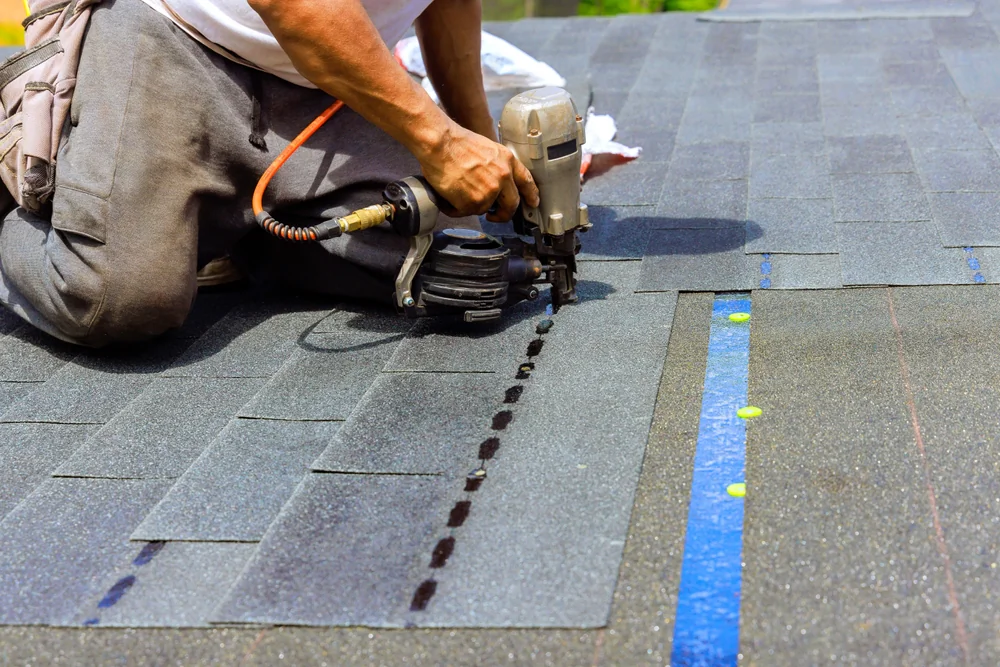
Whatever material you choose, proper installation matters more than the product name on the wrapper. The best shingles in the world won’t perform if they’re installed incorrectly or if the flashing details are sloppy. We use manufacturer-specified installation methods and quality fasteners that won’t corrode in salt air. That attention to detail is what makes repairs last and keeps you from calling us back every spring to fix the same problems.
Annual inspections catch small problems before they become expensive emergencies. Spring is ideal timing in Newburyport because you can assess any winter damage and make repairs before summer storms arrive. A professional inspection looks at areas you can’t easily see from the ground—flashing conditions, shingle adhesion, fastener integrity, and early signs of wear.
Keep your gutters clean and flowing freely. When gutters clog, water backs up under your roof edge and can cause rot in fascia boards and roof decking. In winter, clogged gutters contribute to ice dam formation. Clean gutters at least twice a year, more if you’ve got trees overhanging your roof.
Trim back tree branches that hang over your roof. Branches scraping across shingles during windy conditions wear away the protective granules. Falling limbs during storms cause obvious damage. Even leaves and pine needles that accumulate in roof valleys hold moisture against your shingles and accelerate deterioration. A little preventive trimming saves you from bigger problems later.
Other Services we provide in Newburyport