
Hear from Our Customers
Here’s what happens when you stay ahead of it: your siding lasts longer, your energy bills stay lower, and you’re not scrambling to fix rot or mold when it’s already spread. Cleaning vinyl siding in Newburyport, MA isn’t just about looks—it’s about catching the small stuff before it costs you thousands.
Coastal homes deal with constant salt corrosion, moisture trapped under eaves, and mildew creeping into seams. You can’t see most of it until it’s already eating through your siding or flashing. A proper siding inspection checklist in Newburyport, MA covers what actually matters: checking for cracks, testing seals, clearing debris, and removing mold before it spreads.
When your siding is clean and sealed, your home holds heat better in winter and stays cooler in summer. That’s real money back in your pocket. And when you eventually sell, buyers notice whether your exterior has been maintained or neglected—it shows up in appraisals and inspection reports.
We’ve been serving the North Shore for years, and we’re not going anywhere. You’ll see us at Abraham’s Bagels or walking the waterfront. That matters because we stand by our work every single day—not just until the invoice clears.
We’re licensed, insured, and familiar with Newburyport’s building codes and Historic District guidelines. We know what copper flashing looks like after five winters near the ocean. We know how fast mold spreads when your siding stays wet under the eaves. And we know how to fix it before it becomes your problem.
You’re not hiring a crew that disappears after the job. You’re hiring locals who understand what coastal weather does to your home.
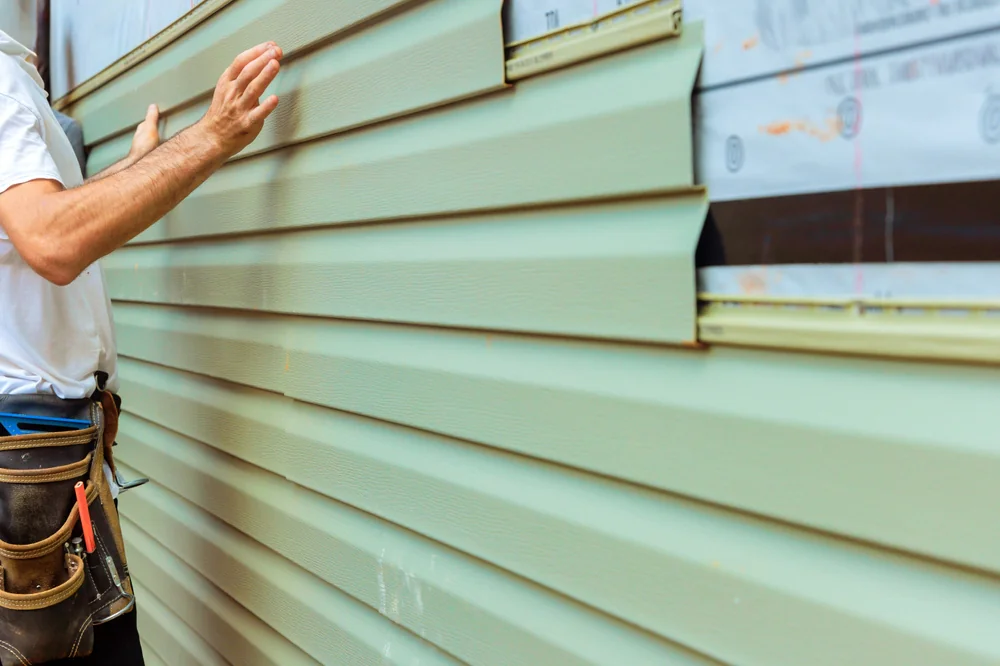
First, we inspect your siding using a checklist that covers the areas most homeowners miss—seams, corners, flashing, and anywhere water can sit. We’re looking for cracks, warping, loose panels, and early signs of mold or mildew. If we find something, we’ll tell you what it is and what it means for your home.
Next comes cleaning. Most people assume power washing is the answer, but that’s not always true. For vinyl siding in Newburyport, MA, we use the right PSI range—1,300 to 1,600 max—to avoid cracking or forcing water behind the panels. In some cases, soft washing works better, especially for mold and mildew removal in Newburyport, MA, where you need cleaning agents that kill the spores, not just rinse them off.
After cleaning, we check your caulking and seals. Coastal salt air breaks those down faster than you think. We’ll reseal where needed, clear your gutters if they’re contributing to moisture buildup, and make sure water flows away from your siding instead of sitting against it. The whole process is designed to extend the life of your siding and keep your home protected year-round.
Ready to get started?
You’re getting a full inspection, not a quick walk-around. We check every panel, every seam, every piece of trim. We look for damage you can’t see from the ground—loose fasteners, hidden cracks, moisture trapped behind the siding. This is the part most companies skip, and it’s the part that saves you money.
We handle mold and mildew removal in Newburyport, MA the right way—killing the spores, not just washing them off so they grow back in three months. Mold spreads fast in coastal climates, especially in shaded areas where moisture doesn’t dry. If it’s already eating into your siding, we’ll tell you. If it’s early and treatable, we’ll take care of it before it becomes structural.
We also clean debris from around your foundation and under eaves, reseal joints and caulking, and make sure your gutters aren’t dumping water onto your siding. In Newburyport, MA, where salt air corrodes metal and wind-driven rain finds every weak spot, these details matter. You’re not just getting a wash—you’re getting a system that keeps your siding working the way it’s supposed to.
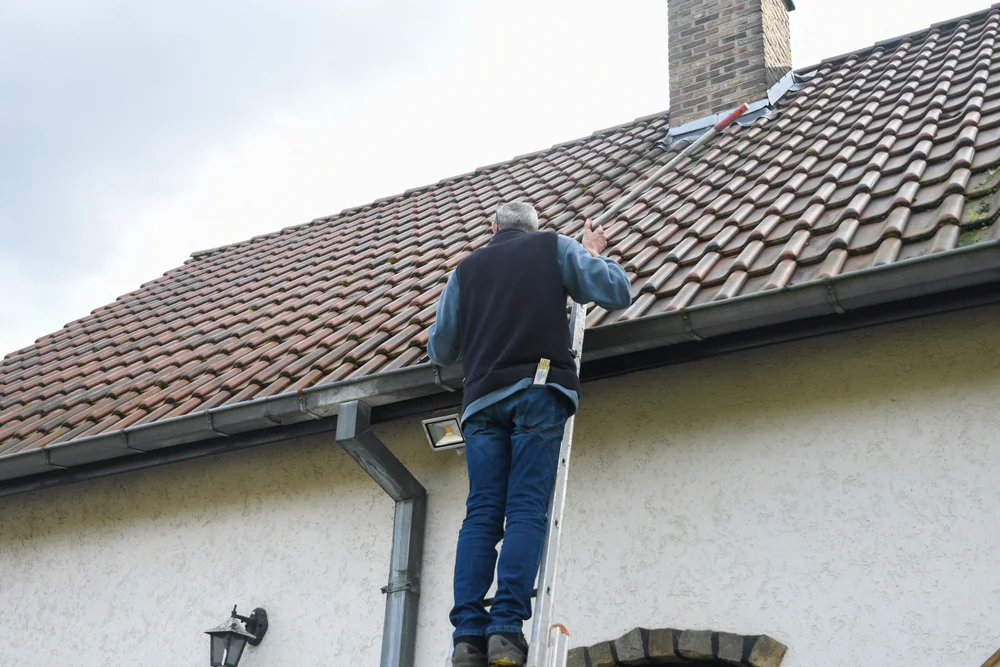
At least once a year, ideally in spring or fall. That timing lets you catch damage from winter storms before summer humidity makes it worse, or prep your siding before another freeze-thaw cycle starts cracking seals and panels.
Coastal homes near Newburyport deal with more wear than inland properties. Salt air corrodes fasteners and flashing faster. Moisture sits longer in shaded areas. If your home faces the ocean or gets hit directly by Nor’easters, you might want to inspect twice a year—once after winter, once after hurricane season.
Annual maintenance isn’t just about cleaning. It’s about catching small problems—a loose panel, a cracked seal, early mold growth—before they turn into expensive repairs. Most homeowners don’t notice these issues until water is already inside the wall.
Power washing uses high pressure to blast dirt and grime off your siding. Soft washing uses lower pressure and cleaning solutions to break down mold, mildew, and algae. For vinyl siding in Newburyport, MA, soft washing is usually the smarter choice.
Here’s why: vinyl can crack or warp under too much pressure, especially if it’s older or already damaged by coastal weather. The safe range is 1,300 to 1,600 PSI. Go higher, and you risk forcing water behind the panels or damaging seams. Soft washing avoids that risk while actually killing mold spores instead of just rinsing them off.
If your siding just has dirt and salt buildup, power washing at the right PSI works fine. But if you’ve got mold, mildew, or algae—common in shaded, moisture-rich areas near the coast—soft washing treats the problem at the source. We’ll assess your siding and use whichever method makes sense for your home.
If you see black, green, or dark streaks on your siding, that’s mold, mildew, or algae. It’s serious if it’s spreading, if it’s been there for months, or if it’s showing up in the same spots even after you’ve cleaned it. That means moisture is trapped behind your siding, and the fungus is feeding on the material itself.
Mold doesn’t just look bad—it eats away at siding panels over time, especially wood or fiber cement. Even on vinyl, it’s a sign that water isn’t draining properly, which can lead to rot in your sheathing or framing. In Newburyport’s coastal climate, mold spreads faster because of constant humidity and shade from trees or neighboring homes.
The fix isn’t just scrubbing it off. You need to kill the spores with the right cleaning solution, then figure out why moisture is sitting there in the first place. That might mean resealing joints, fixing a gutter, or trimming back vegetation. If the mold keeps coming back, it’s time to call someone who can find the source.
You can clean it yourself if you’ve got the right equipment and you’re comfortable working on a ladder. But if your siding is high, if you’ve got mold or mildew, or if you’re not sure about the right pressure settings, hiring someone is the safer bet.
Most DIY jobs go wrong in one of two ways: using too much pressure and cracking the siding, or not using enough and leaving mold behind. Vinyl siding in Newburyport, MA needs to be cleaned at 1,300 to 1,600 PSI max. Go higher and you risk forcing water into your walls. Go lower and you’re just wasting time.
If you’ve got mold, you’ll also need the right cleaning solution—not just soap and water. Mold and mildew removal in Newburyport, MA requires killing the spores, which means using a fungicide or bleach-based cleaner at the right concentration. Miss a spot, and it grows back in weeks. If that sounds like more trouble than it’s worth, we’ll handle it and make sure it’s done right the first time.
Start with cracks, warping, or loose panels—especially around windows, doors, and corners where water tends to collect. Check your caulking and seals. If they’re cracked or peeling, water is getting behind your siding. Look for mold, mildew, or algae in shaded areas or anywhere that stays damp.
Pay attention to your flashing, especially if it’s metal. Coastal salt air in Newburyport corrodes fasteners and flashing faster than you’d expect. If it’s rusted or pulling away from the wall, that’s a leak waiting to happen. Also check under your eaves—those areas don’t get rained on, so dirt and mold build up without you noticing.
A good siding inspection checklist in Newburyport, MA also includes checking your gutters. If they’re clogged or overflowing, water is running down your siding instead of away from your house. That leads to rot, mold, and structural damage over time. If you’re not sure what to look for, we’ll walk your property and show you exactly what needs attention.
When your siding is cracked, warped, or poorly sealed, air leaks in and out. That means your heating and cooling systems work harder to keep your home comfortable, and you pay more every month. Proper siding maintenance in Newburyport, MA seals those gaps and keeps your insulation doing its job.
Coastal homes lose energy faster because of wind exposure and temperature swings. If your siding isn’t tight, cold air gets in during winter and hot, humid air gets in during summer. Resealing joints, replacing damaged panels, and making sure your siding sits flush against your sheathing can cut your energy loss by up to 30%, depending on your home’s age and condition.
It’s not just about comfort—it’s about cost. A home that holds its temperature better uses less oil, gas, or electricity. Over time, that adds up. And when you go to sell, energy-efficient homes appraise higher and move faster. Buyers notice when a home has been maintained, and they’ll pay more for it.
Other Services we provide in Newburyport