Hear from Our Customers
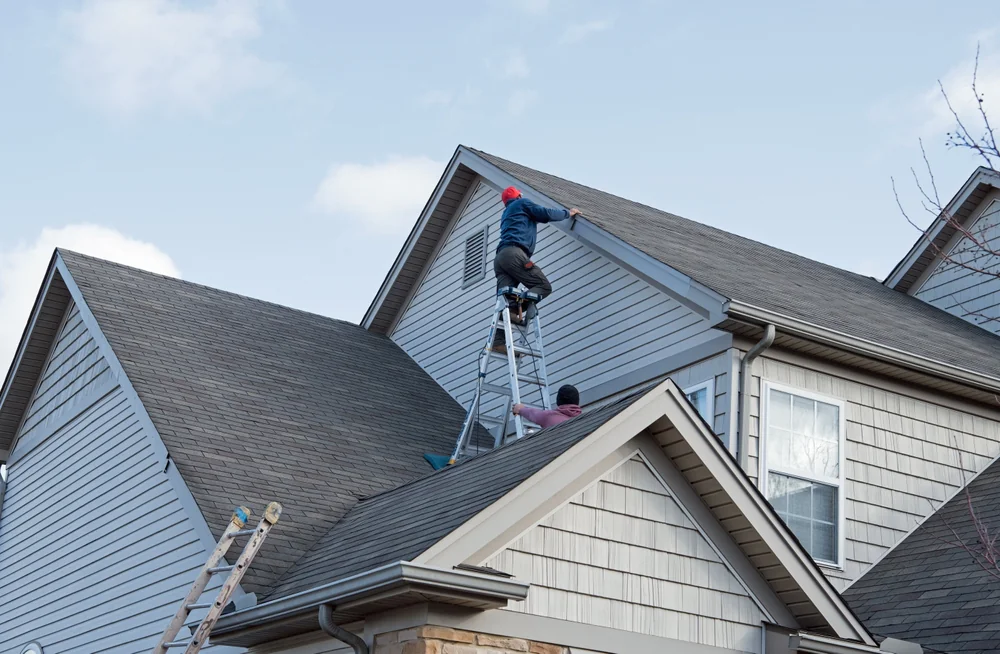
You shouldn’t have to wonder if that ceiling stain is getting worse or if the next storm will turn a small leak into a major problem. Roof damage doesn’t announce itself until it’s already costing you—water in the attic, ruined insulation, or shingles scattered across your yard after high winds.
A solid roof repair means you’re not scrambling for buckets when it rains. It means your home stays dry, your heating bills don’t spike because cold air is pouring through gaps, and you’re not dealing with mold or structural rot down the line.
New Hampshire weather doesn’t take days off. Heavy snow loads in winter, ice damming along the eaves, summer thunderstorms with hail—your roof takes all of it. When repairs are done right, you get back to living without that nagging feeling that something’s wrong up there.
Paradise Remodeling Inc has spent over 13 years working on homes across New Hampshire, including right here in Klondike Corner. We’re an Owens Corning Preferred Contractor, which means we’ve met strict standards for quality and service—and we can offer you manufacturer-backed warranties most companies can’t.
We know what New Hampshire weather does to roofs. The freeze-thaw cycles that crack shingles, the wind events that rip them off entirely, the ice buildup that forces water under your roofline. We’ve seen it all, and we know how to fix it so it doesn’t come back next season.
You’re not getting a crew that disappears after the job or a company that’s hard to reach when you have questions. We’re local, we’re responsive, and we stand behind our work long after we pack up the truck.

First, we come out and inspect your roof—not just the obvious damage, but everything around it. We’re looking for what caused the problem, what else might be compromised, and what needs attention now versus later. You get a clear explanation of what we found, photos if needed, and an honest assessment.
Once you approve the scope, we schedule the work around your life, not ours. Our crews show up on time, protect your property, and get the repair done efficiently. Whether it’s replacing damaged shingles, sealing a leak, fixing flashing around your chimney, or handling storm damage, we use quality materials that hold up in this climate.
After the work’s done, we walk you through what we did and make sure you’re satisfied. No surprise charges, no shortcuts. If you’re dealing with insurance for storm damage, we’ll help you document everything and work with your adjuster to keep the process moving.
Ready to get started?
Every roof repair starts with a full inspection, because fixing the visible damage without addressing the cause just means you’ll be calling someone again in six months. We check your shingles, underlayment, flashing, ventilation, and structural decking to catch problems before they spread.
Klondike Corner sits in an area where 100% of properties face moderate wind risk over the next 30 years, and wildfire risk is climbing too. That means your roof needs to handle more than just rain. We use materials designed for New Hampshire’s extremes—Owens Corning and Mule Hide products built for durability and weather resistance.
If you’re dealing with emergency roof repair after a storm, we prioritize getting your home protected fast. Temporary tarping, water damage mitigation, then permanent fixes that restore your roof’s integrity. We also handle the full scope of exterior work—siding, gutters, windows, carpentry—so if storm damage went beyond your roof, we’re already there to take care of it.

If the damage is localized—a few missing shingles, a leak in one area, or storm damage to a section of your roof—repair usually makes sense. You’re looking at a faster fix, lower cost, and your roof keeps doing its job for years to come.
Replacement becomes the smarter move when you’re dealing with widespread wear, multiple leaks, or a roof that’s near the end of its lifespan anyway. Asphalt shingles in New Hampshire typically last 20 to 25 years, but our freeze-thaw cycles and temperature swings can shorten that. If your roof is over 15 years old and you’re seeing granule loss, curling, or frequent repairs, you’re probably throwing money at a losing battle.
We’ll tell you honestly which route makes sense. If a repair buys you another five to ten solid years, that’s what we’ll recommend. If you’re six months away from needing a new roof anyway, we’re not going to patch it and pretend that solves the problem.
New Hampshire weather is the main culprit. Heavy snow loads stress your roof structure and cause ice dams along the eaves, which force water back under your shingles. When that water freezes and thaws repeatedly, it works its way into places it shouldn’t be—your attic, your walls, your insulation.
Wind is the other big issue here. Klondike Corner has moderate wind risk, with severe wind events hitting the area regularly. High winds lift shingles, tear off flashing, and expose your roof deck to water infiltration. Once a few shingles are gone, the damage spreads fast during the next storm.
Hail, falling branches, and even just age all play a role too. Asphalt shingles expand and contract with temperature swings, and over time that creates cracks. Add in UV exposure during summer and you’ve got a roof that’s constantly under attack. Regular inspections catch this stuff early, before a small crack turns into a ceiling stain.
Most repairs take anywhere from a few hours to a full day, depending on what’s damaged and how accessible it is. If we’re replacing a section of shingles or sealing a leak, that’s usually a same-day fix. More involved work—like replacing flashing, repairing roof decking, or addressing multiple problem areas—might take two days.
Weather plays a role too. We’re not doing roof work in active rain or on ice-covered surfaces, because that’s unsafe and the materials won’t seal properly. If we have to pause for weather, we’ll tarp and protect your home until conditions improve.
Emergency repairs happen faster. If you’ve got water coming in or a tarp blowing off, we prioritize getting your home secure. That might mean a temporary fix first, then scheduling the permanent repair once we have materials and weather cooperates. Either way, you’re not left waiting with a damaged roof and no plan.
It depends on what caused the damage. If a storm, falling tree, or sudden event damaged your roof, your homeowners insurance typically covers it—minus your deductible. Wind damage, hail, ice damming that happens suddenly, and fire damage usually fall under covered perils.
What insurance won’t cover is damage from lack of maintenance or normal wear and tear. If your roof is 20 years old and shingles are failing because they’re just old, that’s on you. Same goes for leaks that developed slowly over time because flashing wasn’t maintained or small issues weren’t addressed.
We help with the insurance process. That means documenting damage with photos, providing detailed estimates, and working with your adjuster to make sure nothing gets missed. A lot of homeowners don’t realize how much damage actually occurred until someone who knows roofs points it out. We make sure your claim reflects the full scope of what needs fixing.
Yes, but it’s more complicated. Asphalt shingles need to be above a certain temperature to seal properly—usually around 40 to 45 degrees. In the middle of a New Hampshire winter, that’s not always happening. We can still do emergency repairs, temporary fixes, and interior work to stop leaks, but permanent shingle installation sometimes has to wait for warmer weather.
That said, we’re not going to leave you with a tarp flapping in the wind for three months. If your roof is damaged in January, we’ll get it weathertight and protected, then schedule the final repair as soon as temperatures cooperate. Some materials and methods work better in cold weather, and we’ll use those when it makes sense.
The best approach is catching problems before winter hits. If you know your roof has issues going into the cold months, get it fixed in fall. Once snow and ice arrive, access gets harder, conditions get dangerous, and repairs get more expensive. A fall inspection saves you a lot of headaches when the first blizzard rolls through.
First, contain the water. Put a bucket under the leak, move anything valuable out of the way, and if water is pooling on your ceiling, carefully puncture the lowest point so it drains into your bucket instead of spreading and causing more damage. Don’t go climbing on your roof in the rain to find the source—that’s a good way to get hurt.
Next, call a roofing contractor. Leaks don’t fix themselves, and the longer water sits in your attic or walls, the worse the damage gets. Mold starts growing within 24 to 48 hours, insulation gets ruined, and wood framing can rot. What starts as a small leak turns into a major restoration project if you wait.
Take photos of the damage for your insurance company, especially if this happened during a storm. Document the water stains, the buckets, anything that shows the extent of the problem. If you’re filing a claim, that documentation matters. We’ll come out, find the source, and get it fixed before the next rain turns your living room into a swimming pool.
Other Services we provide in Klondike Corner