Hear from Our Customers
You stop repainting every five years. You stop worrying about what’s growing on the north side of your house. And you stop wondering if that dark streak is just dirt or the beginning of something expensive.
When you keep up with siding maintenance in Klondike Corner, NH, you’re not just cleaning—you’re preventing the kind of damage that starts small and ends with a $20,000 replacement bill. Mold and mildew removal isn’t cosmetic. It’s structural. Those organisms feed on your siding, and if it’s wood, they’re working their way toward rot.
Professional cleaning vinyl siding means using the right pressure, the right solutions, and the right technique so you don’t blast water behind your siding or strip your paint trying to DIY it. It means your home looks better, lasts longer, and holds its value when you’re ready to sell.
We’ve spent over a decade working on homes across New Hampshire and Massachusetts. We know what freeze-thaw cycles do to your siding. We know how quickly mold takes over in shaded areas near the woods, which is half of Klondike Corner, NH.
You’re not getting a national franchise or a crew that just started last summer. You’re getting licensed, insured professionals who’ve seen what happens when maintenance gets skipped—and who know how to fix it before it becomes a crisis.
We work with premium materials, we show up when we say we will, and we don’t upsell you on things you don’t need. That’s why customers stick with us for years.
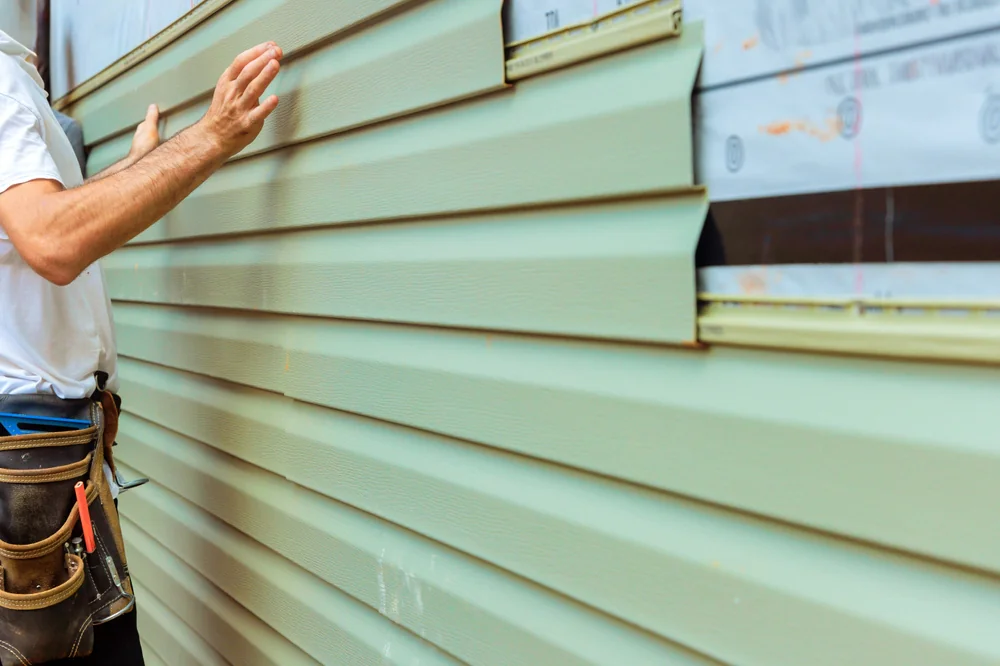
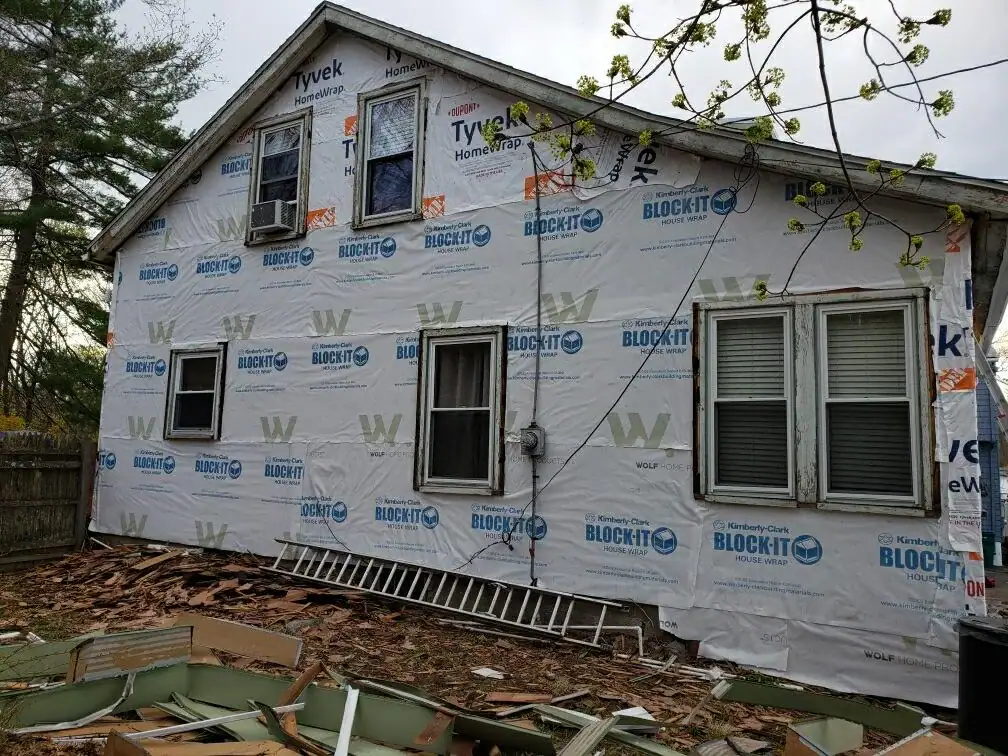
First, we inspect your siding—top to bottom, every side of the house. We’re looking for cracks, warping, loose panels, mold growth, and any signs that moisture is getting where it shouldn’t. This is your siding inspection checklist in action, and it’s how we catch problems early.
Next comes the cleaning. If you’ve got vinyl, fiber cement, or wood siding, we use soft washing—not high-pressure blasting. Soft washing uses low-pressure water (under 100 PSI) combined with cleaning agents that kill mold, mildew, and algae at the root. It’s the difference between scrubbing your siding clean and damaging it in the process.
After cleaning, we handle any minor repairs we found during the inspection—resealing joints, replacing damaged sections, or addressing areas where water could sneak in. Then we apply a protective treatment that keeps mold and mildew from coming back as fast. You’re not just getting a clean house. You’re getting a system that keeps working after we leave.
Ready to get started?
Here’s what most people don’t realize: power washing your siding can do more harm than good. High pressure forces water behind your siding, damages paint, cracks seals, and turns a cleaning job into a repair job. Soft washing solves the problem without creating new ones.
In Klondike Corner, NH, your siding faces heavy snow, freezing rain, and humid summers. That’s the perfect recipe for mold and mildew, especially on north-facing walls that don’t get much sun. Soft washing doesn’t just remove what you see on the surface—it kills the organisms feeding on your siding so they don’t grow back in two months.
We also handle the stuff you can’t safely reach. Cleaning vinyl siding on a two-story home isn’t a ladder-and-garden-hose situation. It requires the right equipment, the right cleaning solutions, and the experience to know what works on different siding materials. Wood siding needs a gentler approach than vinyl. Fiber cement can handle more, but it still shouldn’t be blasted with 3,000 PSI.
This is what keeps your siding looking good and performing well for decades instead of needing replacement in ten years.
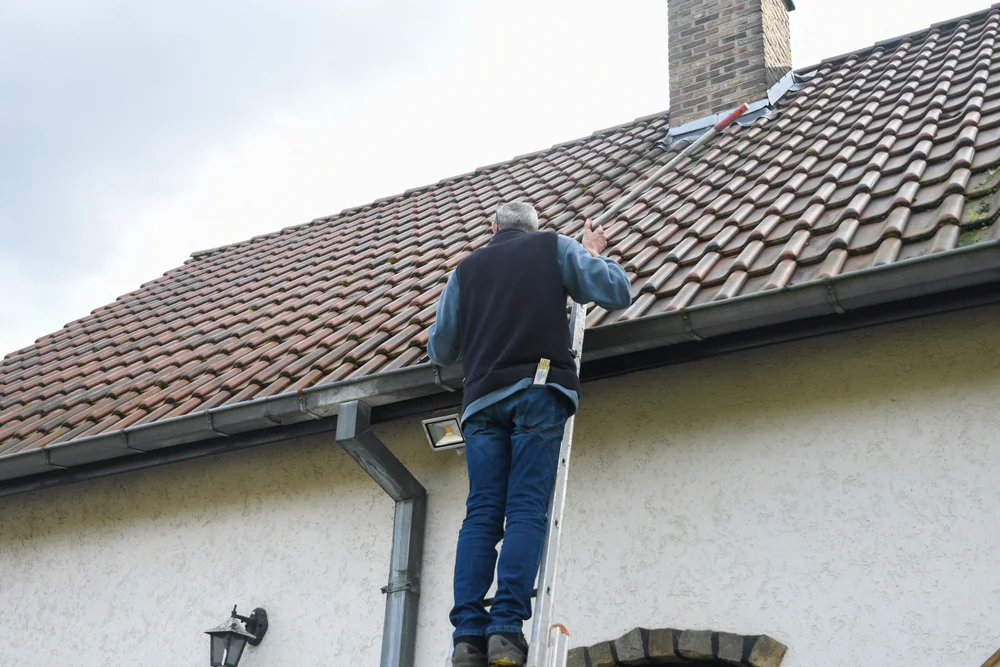
Twice a year is the standard—once in spring and once in fall. Spring maintenance clears out whatever winter left behind: salt residue, mold that started growing in the wet months, and any damage from ice or snow. Fall maintenance prepares your siding for the cold by sealing up vulnerabilities before moisture freezes and expands.
If your home is surrounded by trees or sits in a shaded area, you might need cleaning more often. Mold and mildew grow faster when your siding doesn’t get direct sunlight to dry it out. That’s especially common in Klondike Corner, NH, where wooded properties are the norm.
You should also schedule an inspection after any major storm—high winds, heavy snow, or ice storms can loosen panels or create gaps where water gets in. Catching that early saves you from expensive repairs later.
Power washing uses high pressure—usually 1,300 to 3,000 PSI—to blast dirt and grime off surfaces. Soft washing uses low pressure (under 100 PSI, which is barely more than a garden hose) combined with specialized cleaning solutions that do the heavy lifting. The chemicals kill mold, mildew, and algae, so you’re not just moving the problem around.
For siding, soft washing is the safer choice. High pressure can force water behind your siding, crack seals, strip paint, and even damage the material itself. Vinyl siding, in particular, wasn’t designed to handle that kind of force. Soft washing gets the same results without the risk.
It also lasts longer. Because soft washing kills the organisms at the root, your siding stays cleaner three to four times longer than it would after a standard power wash. You’re not just paying for a clean house—you’re paying for a solution that actually sticks.
You can clean vinyl siding yourself if you’ve got the right tools, the right cleaning solution, and a solid understanding of what not to do. But most DIY jobs either use too much pressure (which damages the siding) or not enough cleaning power (which leaves mold and mildew behind). And if your home is more than one story, you’re adding safety risks to the mix.
Professional cleaning vinyl siding in Klondike Corner, NH means using commercial-grade soft washing equipment and solutions that aren’t available at the hardware store. It also means knowing how to clean without forcing water up behind the siding, which is one of the most common mistakes homeowners make. Once water gets trapped back there, you’re dealing with rot, not just dirt.
If your siding has mold, mildew, or algae growing on it, a professional cleaning is worth it. Those organisms don’t wash off with soap and water—they need to be killed, or they’ll come right back.
Look for cracks, warping, loose panels, or sections that feel soft when you press on them. Those are signs that moisture has gotten behind your siding and started causing damage. You should also check for mold or mildew that won’t wash off, discoloration that looks like water staining, and any gaps between panels or around windows and doors.
A siding inspection checklist in Klondike Corner, NH should include checking all four sides of your home, not just the ones you see from the driveway. North-facing walls and shaded areas are where problems show up first because they stay damp longer. If you’ve got wood siding, pay extra attention to areas near the ground, around gutters, and anywhere water tends to collect.
If you’re not sure what you’re looking at, schedule a professional inspection. We’ll walk the entire house, document what we find, and tell you what needs attention now versus what you can keep an eye on. Most damage starts small—catching it early is the difference between a $200 repair and a $5,000 problem.
Moisture, shade, and organic material. Mold and mildew are living organisms that need water and something to feed on. In Klondike Corner, NH, you’ve got humid summers, wet springs, and plenty of tree cover—perfect conditions for growth. North-facing walls that don’t get direct sun stay damp longer, which is why that’s usually where you’ll see the worst buildup.
If your home is near woods or surrounded by vegetation, you’re also dealing with pollen, leaves, and other organic debris that lands on your siding and gives mold something to eat. Vinyl siding is especially prone to this because it doesn’t breathe the way wood does, so moisture sits on the surface instead of evaporating.
Mold and mildew removal in Klondike Corner, NH isn’t just about scrubbing it off. You need to kill it at the source with the right cleaning agents, or it’ll grow back in a few months. That’s why professional soft washing works better than DIY methods—it treats the problem, not just the symptom.
Yes. Clean, well-maintained siding helps your home regulate temperature better because it’s not compromised by cracks, gaps, or moisture damage. When your siding is doing its job, your heating and cooling systems don’t have to work as hard. That shows up in your energy bills, especially during New Hampshire winters.
As for home value, real estate agents will tell you that curb appeal matters. A house with dirty, stained, or damaged siding signals neglect to buyers, even if everything else is in great shape. Clean siding can influence your home’s valuation by up to 10%, and it’s one of the first things buyers notice during showings.
Siding maintenance in Klondike Corner, NH is one of the most cost-effective ways to protect your investment. You’re spending a few hundred dollars now to avoid spending $15,000 to $20,000 on replacement later. And when it’s time to sell, you’re not scrambling to make your home look presentable—it already does.
Other Services we provide in Klondike Corner