Hear from Our Customers
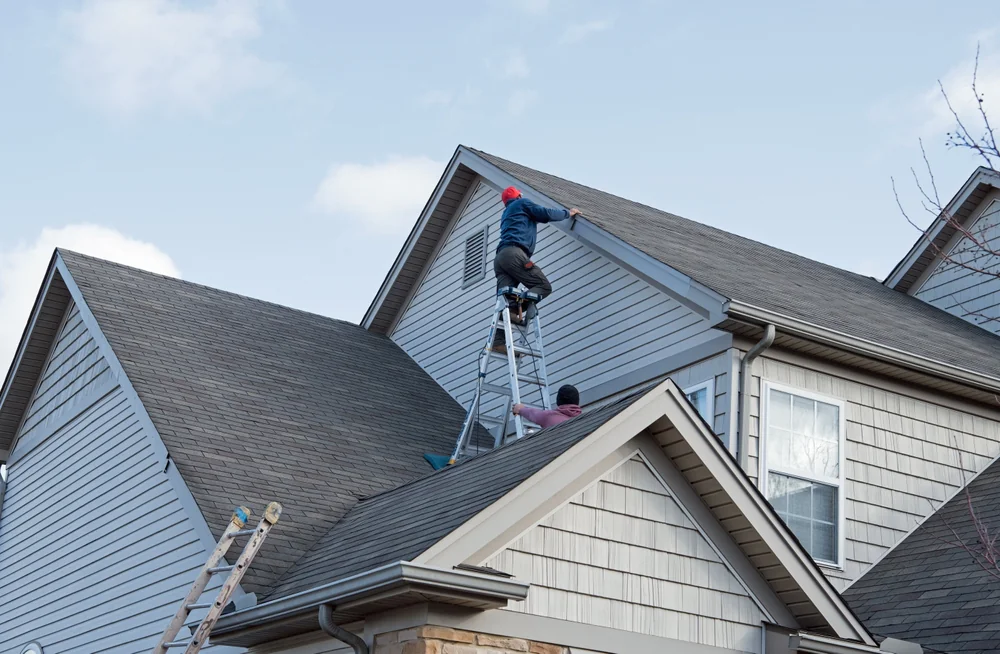
A damaged roof doesn’t wait for a convenient time to fail. Water finds its way through the smallest opening, and what starts as a drip in your attic can turn into damaged insulation, ruined ceilings, and mold growing where you can’t see it.
You’ve invested in your home. East Kingston properties have a median value well above state averages, and you didn’t work this hard to watch storm damage eat away at that investment. When you catch roof damage early, you’re looking at a few hundred to maybe a couple thousand in repairs. Wait too long, and you’re facing complete replacement costs that average $15,000 or more.
The difference between a quick fix and a financial headache often comes down to timing. New Hampshire throws everything at your roof—ice dams in winter, wind-driven rain in spring, hail in summer. Each season brings its own threat, and your roof either holds up or it doesn’t. When it doesn’t, you need someone who can assess the real damage, not oversell you on work you don’t need, and get it fixed before the next storm rolls through.
We’ve spent over a decade working on roofs across New England. We’re an Owens Corning Preferred Contractor, which means we’ve met their standards for quality work and customer service—not just once, but consistently enough to maintain that status.
East Kingston homeowners deal with specific challenges. Your homes were mostly built in the late ’80s and ’90s, which means many roofs are approaching or past their expected lifespan. The rural setting means more trees, more debris, and more exposure to wind coming across open fields. We’ve seen what happens to roofs here when a nor’easter stalls offshore or when a summer microburst tears through.
We’re not the cheapest option you’ll find, and that’s intentional. You’re not looking for the lowest bid—you’re looking for someone who’ll show up when they say they will, do the work right, and be around if something needs attention down the road.

First, we schedule an inspection at a time that works for you. We’re not going to pressure you into an immediate appointment or show up unannounced. When we get there, we’ll get on your roof and check the obvious damage plus the spots most homeowners don’t think to look—around chimneys, in valleys, under shingles that look fine from the ground.
We’ll take photos of what we find and walk you through them. You’ll see exactly what’s damaged, what’s wearing out, and what can wait. If it’s storm damage, we’ll document everything you need for an insurance claim. If it’s wear and tear, we’ll tell you what needs fixing now versus what you can plan for later.
Once you approve the work, we order materials and get you on the schedule. Most repairs take a day or two, depending on the extent of damage. We protect your landscaping, clean up when we’re done, and make sure you understand what we fixed and why. If we find additional damage once we start pulling up shingles, we’ll stop and talk to you before doing extra work.
Ready to get started?
Storm damage is the big one in East Kingston. Wind lifts shingles, hail punches holes, and heavy snow loads stress your roof structure. We handle all of it—replacing damaged shingles, resealing flashing, reinforcing weak spots, and addressing the hidden damage that shows up once we start the repair.
Ice dams are another major issue here. When your attic insulation isn’t right or your ventilation is inadequate, heat escapes and melts snow on your roof. That water runs down, refreezes at the eaves, and creates a dam that forces water back up under your shingles. We fix the immediate damage and address the ventilation issues that caused it, so you’re not dealing with the same problem every winter.
Leaks around chimneys, skylights, and roof valleys are common in homes built when yours was. The flashing deteriorates, sealants fail, and water finds a way in. We replace flashing properly, reseal penetrations, and make sure water flows off your roof the way it’s supposed to. New Hampshire gets about 45 inches of precipitation annually—your roof needs to shed every drop of it without letting any inside.

Most roof repairs in East Kingston run between $400 and $1,800, with the average landing around $1,100. That covers common issues like replacing damaged shingles, fixing flashing, or sealing a leak. Emergency repairs after a storm might cost more if you need temporary tarping or if damage is extensive.
The real cost depends on what’s actually wrong. A few missing shingles after a windstorm is a straightforward fix. Water damage that’s been happening for months and has rotted your decking—that’s a different conversation. We’ll give you an honest assessment of what needs fixing and what it’ll cost before we start any work.
If you’re filing an insurance claim for storm damage, your out-of-pocket cost might just be your deductible. We’ll document everything properly and work with your insurance company to make sure the claim covers what it should. The average storm-related claim in New Hampshire runs about $15,000, but that’s usually for significant damage requiring partial or full replacement.
For genuine emergencies—active leaks, storm damage, or situations where your home is exposed to the elements—we prioritize getting someone out as quickly as possible, often same-day or next-day depending on weather and our current schedule.
Here’s the reality: if a storm just ripped through East Kingston, we’re probably getting dozens of calls. We triage based on severity. A roof with a tarp blown off and rain coming in gets priority over a small leak that’s been there for a week. We’ll be straight with you about timing and, if we can’t get there immediately, we’ll walk you through temporary measures to minimize damage until we arrive.
The best approach is to call as soon as you notice a problem. Don’t wait for the leak to get worse or for the next storm to hit. Early intervention almost always means simpler, cheaper repairs. We keep emergency repair materials on hand specifically for situations where homeowners need immediate help, and we’re set up to respond faster than most contractors in the area.
If your roof is under 15 years old and the damage is localized—a section hit by a fallen branch, a few squares damaged by wind—repair almost always makes sense. You’re extending the life of a roof that still has years left in it, and you’re spending a fraction of what replacement would cost.
Once your roof hits 20-25 years old, or if you’re dealing with widespread damage across multiple areas, replacement starts making more financial sense. At that point, you’re likely to face recurring repair costs as different sections fail, and you’re just delaying the inevitable. Most asphalt shingle roofs in East Kingston were installed in the ’90s or early 2000s, which puts many of them right in that decision zone.
We won’t push you toward replacement if repair is the smarter move. We’ll show you what condition your roof is actually in, give you realistic expectations for how much longer it’ll last, and let you make an informed decision. Sometimes the right answer is to repair now and budget for replacement in two or three years. Sometimes it’s to replace now and be done with it. It depends on your specific situation, and we’ll give you enough information to decide what makes sense for your home and your budget.
Wind is the biggest culprit. East Kingston sits in an area where storms coming off the Atlantic can generate sustained winds over 40 mph, with gusts considerably higher. That’s enough to lift shingles, especially on older roofs where the adhesive has weakened. Once shingles lift, they either tear off completely or create openings for water to get underneath.
Ice dams are the winter problem everyone here knows about. Snow accumulates on your roof, heat from your attic melts the bottom layer, water runs down to your cold eaves and refreezes. The ice builds up, traps more water behind it, and forces that water up under your shingles. You end up with water stains on your ceilings, damaged insulation, and sometimes mold in your attic. It’s not the snow’s fault—it’s inadequate insulation and ventilation.
Hail does more damage than most people realize. New Hampshire sees severe thunderstorms every summer, and hail from those storms can bruise or crack shingles, damage flashing, and compromise your roof’s ability to shed water. The damage isn’t always obvious from the ground, which is why insurance companies send adjusters up on the roof after major storms. Over the last decade, FEMA has declared 15 major disasters in New Hampshire—your roof has been through a lot.
Yes, and it’s often the difference between getting your roof properly repaired and settling for a lowball estimate. When we inspect storm damage, we document everything with photos, measurements, and detailed notes about what’s damaged and what caused it. That documentation is what your insurance adjuster needs to process your claim fairly.
We’ll meet with your adjuster if needed and walk them through the damage. Sometimes adjusters miss things or underestimate the extent of repairs needed. We’re not there to inflate costs—we’re there to make sure nothing gets overlooked. Hidden damage under shingles, compromised decking, damaged flashing—these things aren’t always visible in a quick inspection, but they’re real costs that need to be covered.
The insurance claim process can be frustrating. Companies are slow, paperwork gets lost, and you’re stuck in the middle trying to coordinate everything. We’ve done this enough times that we know what insurance companies need, how to communicate with adjusters, and how to keep your claim moving forward. Our job is to handle the roofing work, but we’re not going to leave you struggling with the insurance side of things when we can help make it easier.
If you can see daylight through your roof, if water is actively dripping into your home, or if a storm just damaged your roof and more weather is coming—those are emergencies. You need immediate attention to prevent further damage to your home’s interior, insulation, and structure.
Other situations feel urgent but give you a little time. A small leak that only shows up during heavy rain, a few missing shingles you noticed while raking leaves, or water stains on your ceiling that aren’t getting worse—these need attention soon, but you have time to schedule a proper inspection and get the work done right rather than rushing into an emergency call.
Here’s a good rule: if you’re asking yourself whether it’s an emergency, call and describe what you’re seeing. We’ll tell you honestly whether you need someone out immediately or whether it can wait a few days for a scheduled appointment. Don’t let a real emergency turn into major damage because you weren’t sure whether to call. And don’t panic over minor issues that can be addressed during normal business hours. We’ll help you figure out which category you’re in and respond accordingly.
Other Services we provide in East Kingston