Hear from Our Customers

You stop worrying about moisture creeping behind your walls every time it rains. Your heating bills drop because drafts aren’t pulling warm air out through gaps in old, warped panels. And you’re done repainting every few years or replacing rotted boards.
The right siding installation in East Kingston, NH means your exterior holds up against winter storms without cracking, swelling, or letting water through. It means your home looks sharp without constant maintenance. And it means you’re not calling someone back in three years to fix what should’ve been done correctly from the start.
When fiber cement siding or vinyl siding installation is done with the right materials and proper technique, your home stays protected, your energy costs stay manageable, and your weekends stay free.
We hold Elite Preferred status with James Hardie, which means meeting strict installation standards set by the leading fiber cement manufacturer. That’s not marketing language—it’s a credential that requires proven work quality and ongoing training.
East Kingston homes face specific challenges: high humidity in summer, brutal freeze-thaw cycles in winter, and the kind of weather that exposes poor installation fast. Homes here are investments, and most residents plan to stay long-term. That’s why proper house wrapping, correct flashing, and climate-appropriate materials matter more than speed or price.
We’ve been serving New Hampshire homeowners with siding installation and exterior remodeling for years, backed by both manufacturer warranties and proper licensing. You’re not getting a crew that learned on YouTube—you’re getting installers who’ve seen what fails in this climate and know how to prevent it.
First, you get an honest assessment of what’s actually wrong and what your home needs. Not every project requires full replacement—sometimes targeted repairs make more sense. But if your siding is letting moisture through or you’re seeing rot underneath, you’ll know exactly why replacement is the better call.
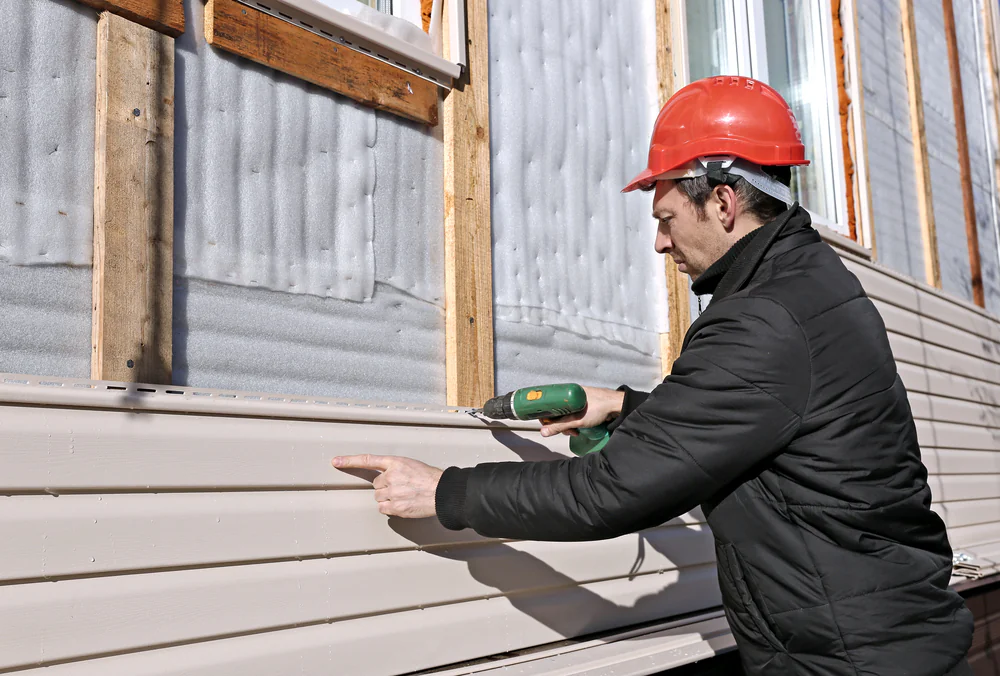
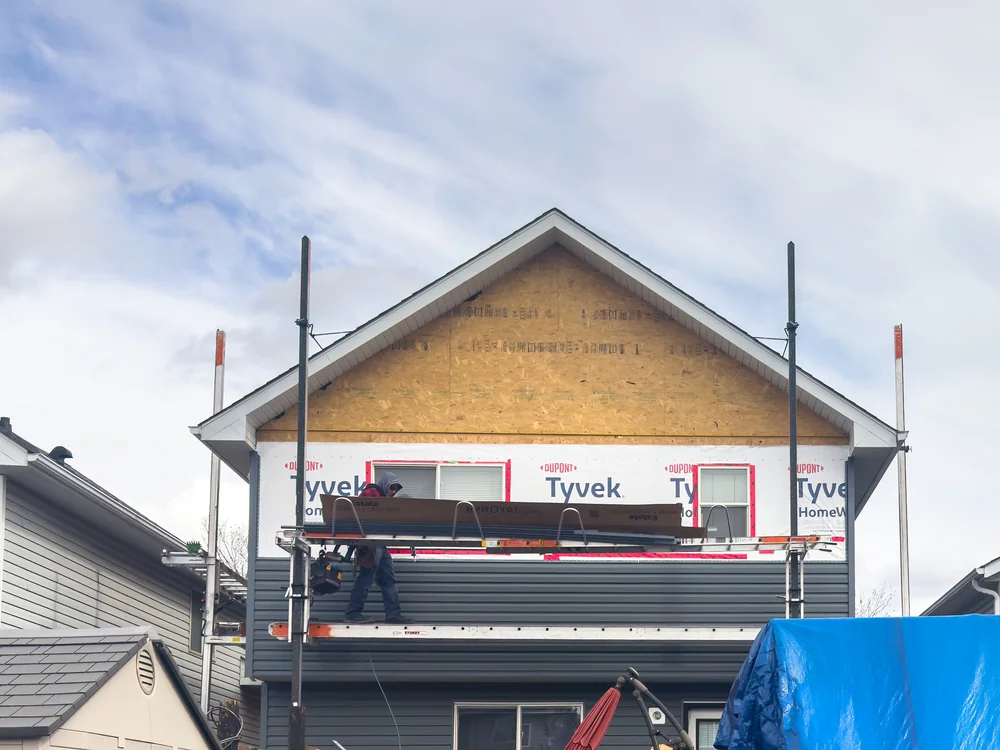
Once you decide to move forward, the old siding comes off carefully to check for hidden damage to sheathing or framing. Any rot or structural issues get fixed before new material goes up. Then proper house wrapping and moisture barriers go on—this step is where cheap contractors cut corners, and it’s where long-term problems start.
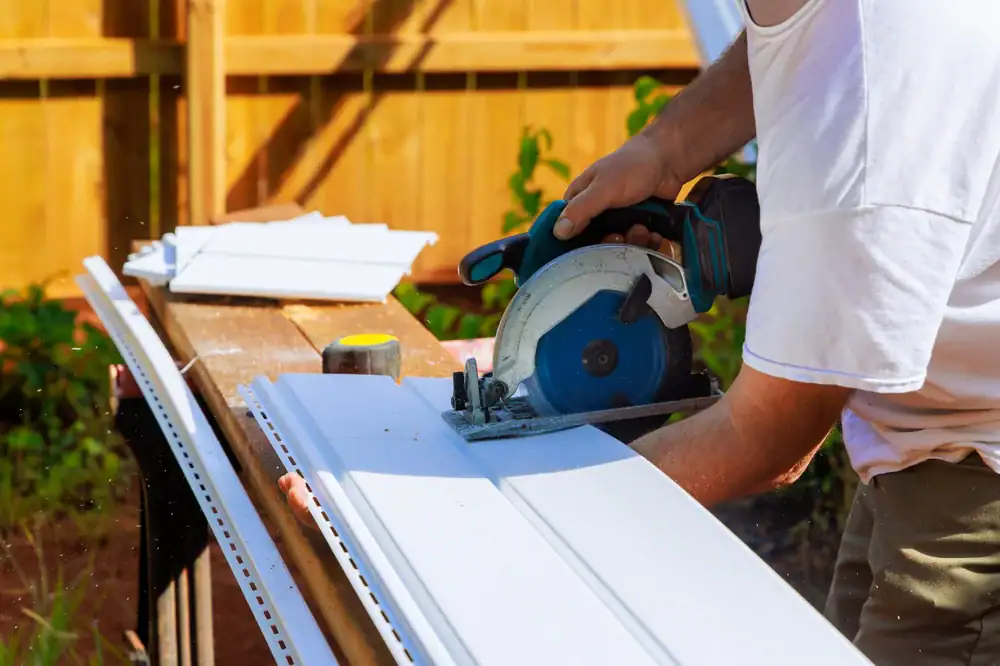
New siding installation in East Kingston, NH gets done with attention to expansion gaps, proper fastening, and correct flashing around windows and doors. Fiber cement siding requires specific techniques that differ from vinyl siding installation. Each material expands and contracts differently in New Hampshire’s temperature swings, and installation has to account for that.
You’ll see progress daily, and the site stays clean. When it’s finished, you get a walkthrough to confirm everything meets your expectations and warranty documentation for both materials and labor.
Ready to get started?
You get a full exterior inspection before any work starts, so you know what you’re dealing with. That includes checking for moisture damage, rot, or structural issues that need addressing before new siding goes up.
The installation itself includes proper moisture barriers and house wrapping—critical in East Kingston, NH, where humidity and precipitation can cause serious problems if water gets behind your siding. You also get correct flashing around all penetrations, which is where most water intrusion happens on poorly installed jobs.
Material options include James Hardie fiber cement siding, engineered specifically for New England’s climate with HZ5 technology that resists freeze-thaw damage. Vinyl siding installation is also available if you prefer a lower-cost option that still outperforms wood. Both come with manufacturer warranties, and you’ll get documentation on proper maintenance to keep those warranties valid.
The fiber cement siding cost runs higher than vinyl, but it lasts decades longer and holds up better against hail, wind, and impact. For East Kingston homes—where property values are high and homeowners stay long-term—that durability pays off. You’re not just covering your house; you’re protecting an investment in a community where the median home value reflects quality construction and upkeep.
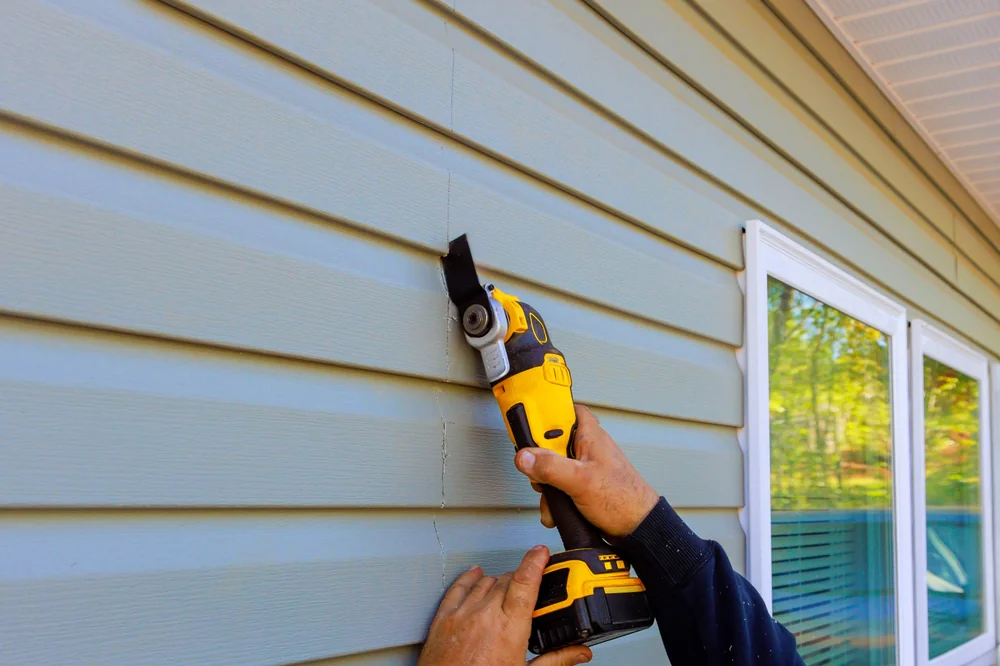
Most single-family homes in East Kingston, NH take one to two weeks for complete siding installation, depending on size and complexity. A straightforward ranch might be done in five to seven days. A larger colonial with multiple dormers, bay windows, or detailed trim work can push closer to two weeks.
Weather affects the timeline. Rain doesn’t stop prep work or teardown, but it does pause installation of certain materials. Fiber cement siding needs dry conditions for proper adhesion of caulking and flashing. Vinyl siding installation is more forgiving but still requires decent weather for quality results.
The actual installation time matters less than doing it right. Rushing through house wrapping or skipping proper flashing to hit a deadline creates problems you’ll pay for later. A crew that takes an extra day to ensure moisture barriers are correct is doing you a favor, not dragging their feet.
Fiber cement siding handles New Hampshire’s freeze-thaw cycles better than vinyl. It doesn’t expand and contract as much with temperature swings, which means fewer gaps for moisture and less warping over time. James Hardie’s HZ5 products are specifically engineered for climates like East Kingston, NH, with additives that resist moisture intrusion and prevent cracking.
Vinyl siding installation costs less upfront and requires zero painting, which appeals to homeowners who want low maintenance. It performs well if installed correctly with proper expansion gaps. But it can crack in extreme cold and fade faster than fiber cement, especially on south-facing walls that get full sun.
The fiber cement siding cost runs roughly 50-70% more than vinyl, but it lasts 50 years compared to 20-30 for vinyl. It’s also non-combustible, which can lower your insurance premiums. For East Kingston homes where owners plan to stay long-term and property values justify the investment, fiber cement usually makes more sense. If budget is tight or you’re planning to sell within ten years, quality vinyl siding installation is a solid choice.
Look for soft spots when you press on the siding. If it gives more than it should or feels spongy, there’s likely rot underneath. Peeling paint or bubbling on wood siding means moisture is pushing through from behind. Stains or discoloration around windows, doors, or seams indicate water is getting past the siding.
Inside your home, check for water stains on walls or ceilings near exterior walls, especially after heavy rain. Musty smells in certain rooms can signal hidden moisture problems. Higher heating bills without explanation sometimes mean air is leaking through gaps created by warped or damaged siding.
East Kingston, NH has seen significant precipitation increases over the past few decades, and homes built before modern moisture barrier standards are especially vulnerable. Even small cracks in old siding let water seep behind, where it sits against sheathing and framing. That’s where rot starts—and why a pre-installation inspection matters. You need to know what you’re dealing with before new siding goes up, or you’re just covering up a problem that’ll get worse.
House wrapping creates a water-resistant barrier between your sheathing and your siding. Even properly installed siding lets some water through—wind-driven rain finds its way past seams, and condensation forms behind the siding when temperature differences are extreme. Without proper house wrapping, that moisture hits your sheathing directly and causes rot.
In East Kingston, NH, where winter humidity and freeze-thaw cycles are constant, moisture management isn’t optional. Water that gets into your wall cavity and freezes can crack sheathing, warp framing, and create mold problems you won’t see until significant damage is done. Quality house wrapping stops that moisture before it becomes a structural issue.
Cheap contractors skip this step or use substandard materials because it adds cost and time. But it’s the difference between siding installation that lasts decades and a job that fails within five years. The house wrapping also improves energy efficiency by reducing air infiltration, which matters when you’re heating a home through New Hampshire winters. It’s not the visible part of the job, but it’s one of the most important.
Vinyl siding installation typically runs $8,000 to $15,000 for an average-sized home in East Kingston, NH, depending on the quality of materials and complexity of the job. Fiber cement siding cost is higher—expect $15,000 to $25,000 for the same home. Those ranges assume proper installation with house wrapping, flashing, and any necessary repairs to underlying structure.
If someone quotes significantly less, ask what they’re cutting. Skipping moisture barriers, using thinner materials, or rushing installation saves money upfront but costs more when you’re fixing problems three years later. East Kingston’s median home values and income levels reflect a community that understands quality costs more initially but pays off long-term.
The new siding benefits go beyond appearance. Proper installation reduces energy costs, eliminates maintenance like painting or replacing rotted boards, and protects your home’s structure from moisture damage. For homes in East Kingston, NH, where owners typically stay long-term and property values justify the investment, paying for quality installation makes financial sense. You’re not just buying siding—you’re protecting an asset worth several hundred thousand dollars.
Yes, most siding installation projects in East Kingston, NH require a building permit, especially if you’re doing full replacement. The town wants to ensure work meets code requirements for moisture barriers, fire resistance, and structural attachment. Permits aren’t expensive, but they do add time to the project timeline.
A licensed contractor handles permit applications as part of the job. That’s one reason to hire properly licensed James Hardie installers or certified siding contractors rather than a handyman. Permitted work gets inspected, which protects you by ensuring installation meets code. It also matters for resale—unpermitted work can create problems when you sell, and buyers’ inspectors will flag it.
Some homeowners try to skip permits to save money or time, but that’s a mistake. If the town finds out, they can require you to remove the siding for inspection or fine you. More importantly, your insurance might not cover damage related to unpermitted work. For a community like East Kingston, where homes are significant investments and owners care about doing things right, getting proper permits is just part of responsible homeownership.
Other Services we provide in East Kingston