Hear from Our Customers
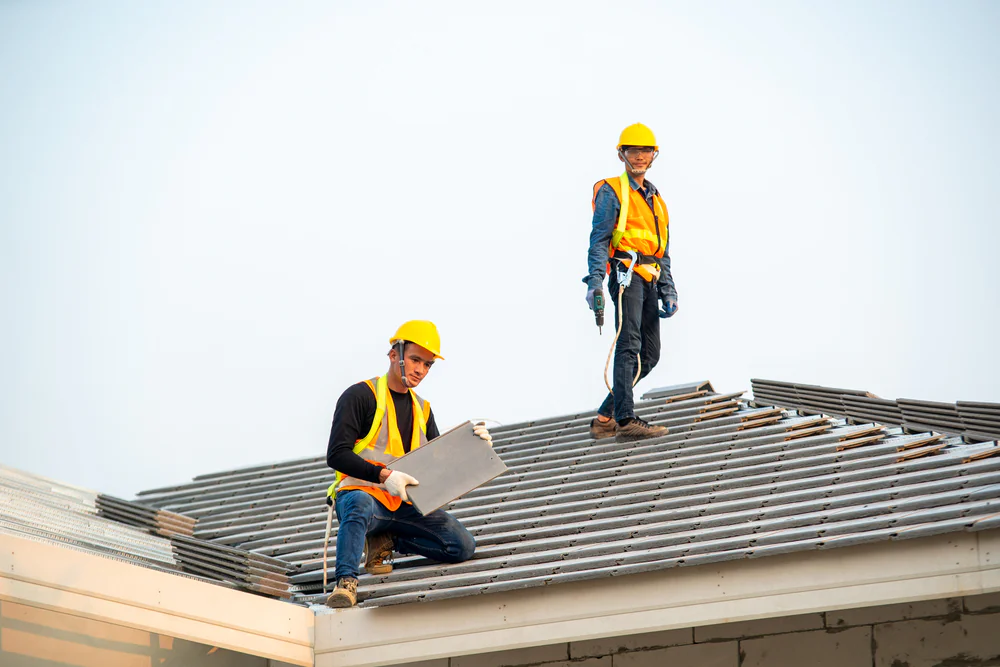
You stop worrying about leaks every time it rains. You’re not calling three different contractors to get one straight answer. Your energy bills drop because your attic isn’t bleeding heat through worn shingles.
A solid roof means you’re not scrambling for emergency repairs during the next nor’easter. It means your insurance adjuster isn’t finding problems you didn’t know existed. And it means you can actually sell your home when the time comes without a buyer’s inspector killing the deal.
Temple’s weather doesn’t take days off. Snow, ice, wind, and summer heat all take their toll. When your roof is installed correctly with materials built for New Hampshire conditions, you’re covered. Not just protected—actually covered, with warranties that matter and work that lasts beyond the first season.
Paradise Remodeling Inc has been handling roofing projects across New Hampshire for over a decade. We’re an Owens Corning Preferred Contractor, which means we’ve met their standards for quality and customer service. That’s not marketing—it’s a certification they pull if we don’t maintain it.
Temple homeowners deal with unique challenges. Colonial homes need careful attention to preserve their character while meeting modern code. Newer builds from the 2000s are hitting that 20-year mark where roofs need replacement. We’ve worked on both, and we know the difference between a quick patch and a real fix.
We’re not the biggest operation in New Hampshire, and we’re fine with that. You’ll talk to people who actually show up to your job site. Our crews keep things clean, stay on schedule, and communicate when something changes. If that sounds basic, it’s because most contractors still can’t manage it.
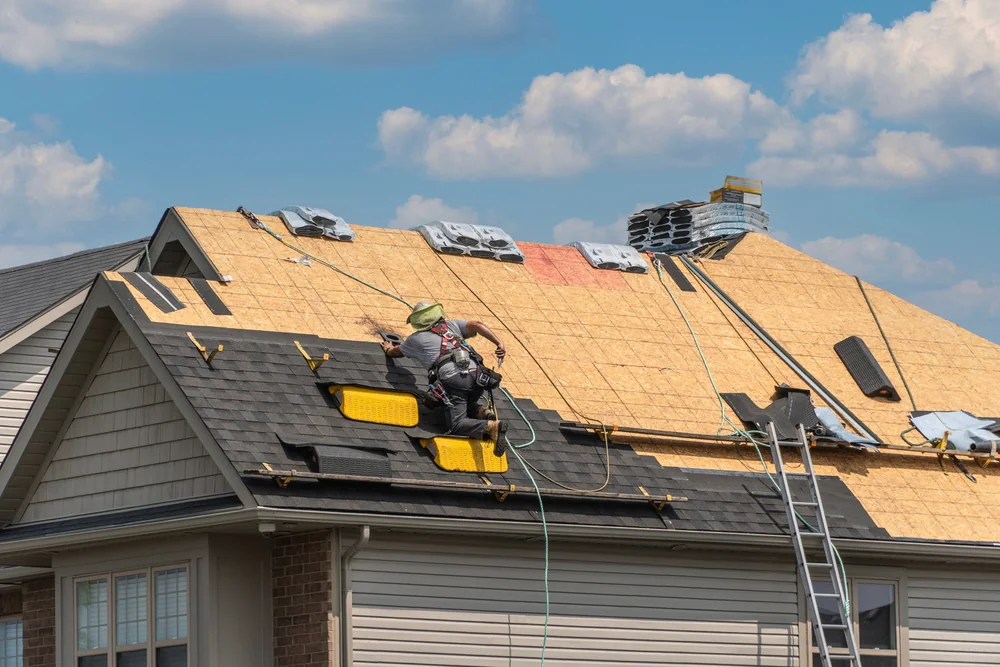
You call or submit a request. We schedule an inspection within a few days, not weeks. Someone comes out, gets on your roof, and checks for damage, wear, and any structural issues that need addressing before we touch a shingle.
You get a written estimate that breaks down materials, labor, and timeline. No ballpark figures. No “we’ll know more once we start” nonsense. If we find something unexpected during the job, we stop and talk to you before adding costs.
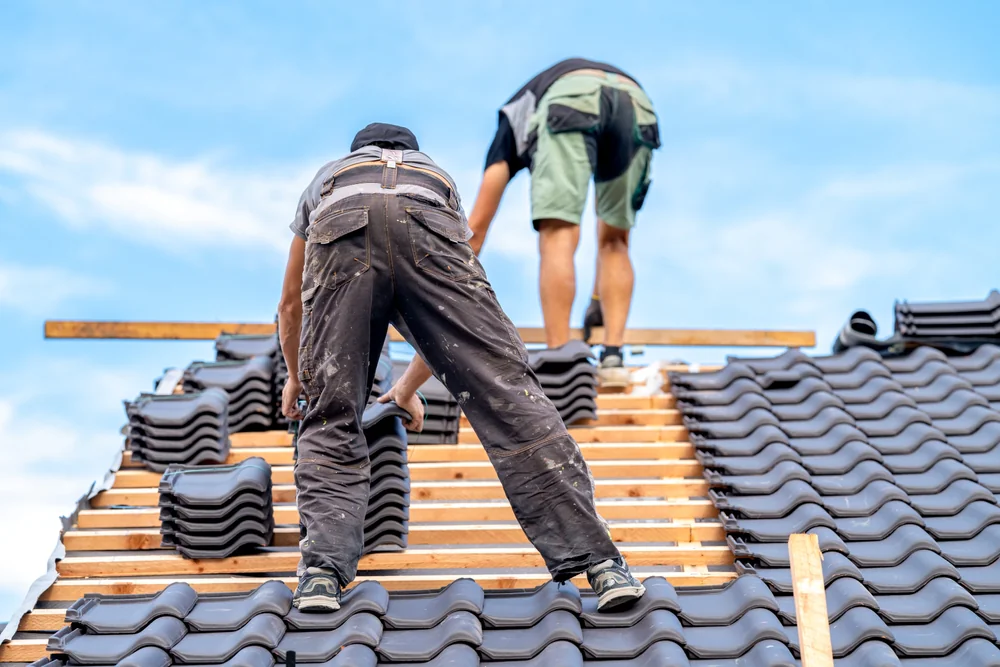
Once you approve, we order materials and lock in a start date. Our crew shows up when we say they will, tears off the old roof, inspects the decking, makes any necessary repairs, and installs your new system. We handle permits, inspections, and cleanup. Most residential roofs in Temple take two to four days depending on size and complexity.
After we’re done, we walk the property with you. You see the work, ask questions, and sign off when you’re satisfied. Then we file warranty paperwork with the manufacturer so you’re covered if anything goes wrong.
Ready to get started?
Every roofing project starts with a full inspection. We’re looking at shingles, flashing, ventilation, gutters, and decking. Temple’s freeze-thaw cycles cause specific types of damage, especially around chimneys and valleys where ice builds up. We catch that early.
Material selection matters more than most contractors admit. We use Owens Corning and Mule Hide products because they’re rated for high winds, heavy snow loads, and temperature swings. That’s not upselling—it’s matching materials to New Hampshire weather. Asphalt shingles are standard, but metal roofing is gaining ground here because it sheds snow and lasts 50+ years.
You also get proper ventilation and insulation recommendations. A roof that’s not vented correctly will fail early, no matter how good the shingles are. We make sure your attic breathes. And if your home is one of Temple’s historic colonials, we work within preservation guidelines while upgrading performance. That means matching aesthetics without sacrificing function.
Storm damage is common here. If you’re filing an insurance claim, we document everything and work with your adjuster. We’ve done this enough times to know what they need to see.
Most residential roof replacements in Temple run between $8,000 and $18,000 depending on size, pitch, and materials. A standard 2,000-square-foot ranch with asphalt shingles sits around $10,000 to $12,000. Steeper roofs or homes with multiple valleys cost more because they take longer and require more safety equipment.
Metal roofing costs more upfront—usually $15,000 to $25,000 for the same house—but it lasts two to three times longer than asphalt. If you’re planning to stay in your home long-term, the math works out. If you’re selling in five years, asphalt makes more sense.
Material costs have climbed over the past few years. Shingle prices are up about 10% from 2023, and supply chain issues still pop up. We lock in pricing when you sign, so you’re not hit with increases mid-project. And if your roof has storm damage, insurance may cover most or all of the replacement cost depending on your policy and deductible.
Asphalt shingles typically last 18 to 22 years in New Hampshire. That’s shorter than the 25 to 30 years manufacturers advertise because those estimates assume moderate climates. Temple’s winters—heavy snow, ice dams, freeze-thaw cycles—accelerate wear.
Metal roofs last 40 to 60 years here, sometimes longer. They handle snow load better and don’t deteriorate from temperature swings. The upfront cost is higher, but you’re likely replacing an asphalt roof twice in the same timeframe.
Roof lifespan also depends on installation quality and maintenance. A poorly ventilated roof will fail early no matter what material you use. Ice dams cause shingle damage and leaks if your attic isn’t insulated correctly. And if you skip inspections, small problems turn into expensive ones. We recommend checking your roof every three to five years, or after any major storm.
First, contain the water. Put a bucket under the leak and move anything that could get damaged. If water is pooling in your ceiling, poke a small hole in the lowest point so it drains into the bucket instead of spreading. That sounds counterintuitive, but it prevents bigger ceiling damage.
Next, check your attic if you can safely access it. Look for wet insulation, water stains on the decking, or daylight coming through the roof. That helps us pinpoint the source faster when we arrive. Leaks don’t always drip straight down—water can travel along rafters before it shows up inside.
Call a roofing contractor as soon as possible. Leaks get worse fast, especially if more rain or snow is coming. We can usually get someone out within 24 to 48 hours for emergency repairs. If the damage is severe and we can’t make it immediately, tarp the area from the outside if it’s safe to do so. Don’t climb on your roof in bad weather—that’s how people get hurt.
Yes. Temple requires a building permit for roof replacements and most major repairs. The permit process ensures work meets state building codes and local requirements, especially for homes in historic districts.
We handle permit applications for you. It’s part of the service. We submit plans, pay the fees, and coordinate inspections. You don’t need to visit Town Hall or deal with paperwork. The permit typically costs $100 to $300 depending on project scope.
Inspections happen after the old roof is removed and again when the new one is finished. The inspector checks decking condition, flashing installation, and ventilation. If something doesn’t pass, we fix it before moving forward. Skipping permits might save money short-term, but it causes problems when you sell. Buyers’ inspectors look for permit records, and unpermitted work can kill a sale or force you to redo everything at your expense.
It depends on the damage and your roof’s age. If you’re missing a few shingles after a storm and the rest of the roof is in decent shape, a repair makes sense. Same with isolated leaks around flashing or a damaged valley. Repairs typically cost $500 to $2,000 and buy you a few more years.
But if your roof is over 18 years old and showing widespread wear—curling shingles, granule loss, multiple leaks—replacement is the better move. Patching an old roof is like putting new tires on a car with a blown engine. You’re spending money without solving the real problem.
We’ll tell you honestly which option makes sense after we inspect. If a repair gets you through another five years and you’re planning to sell, that’s worth considering. If you’re staying long-term and the roof is near the end of its life, replacement saves you from repeated repair calls and water damage. We’re not here to upsell you—we’re here to give you the information you need to make the right call for your situation.
Missing or damaged shingles are the most obvious sign. After high winds or hail, walk around your property and look for shingles in your yard or hanging off the roof edge. Check gutters for granules—those small, sand-like particles that coat asphalt shingles. Heavy granule loss means your shingles are deteriorating.
Dents on metal flashing, vents, or gutters indicate hail damage. Hail can bruise shingles without breaking them, which leads to leaks down the road. You won’t always see this from the ground, so a professional inspection is smart after any severe weather.
Inside, look for water stains on ceilings or walls, especially in the attic. New stains after a storm mean water is getting through. Don’t wait—storm damage gets worse with every rain. If you’re filing an insurance claim, document everything with photos and call your insurance company right away. We can meet with your adjuster and provide a damage assessment that supports your claim.