Hear from Our Customers

You stop worrying about paint peeling off in sheets every spring. The wood rot behind your trim stops spreading. Your energy bills drop because your walls actually keep conditioned air inside where it belongs.
Fiber cement siding installation in Temple, NH means you’re done repainting every five years. You’re done with moisture creeping behind your siding and showing up as mold on your interior walls. The material doesn’t warp when temperatures swing forty degrees in a day, and it doesn’t crack when ice builds up along your roofline.
James Hardie siding lasts up to 30 years in climates like ours—not because it’s expensive, but because it’s engineered for freeze-thaw cycles that destroy wood and make vinyl brittle. That’s three decades without scraping, priming, or watching your exterior fall apart. Your home looks sharp, stays dry, and holds its value.
Paradise Remodeling Inc has been handling exterior remodeling across southern New Hampshire and the North Shore of Massachusetts for years. We’re an Owens Corning Preferred Contractor, which means we meet strict standards for installation quality and customer service—not just once, but consistently.
Temple homes deal with heavy snow loads, ice dams, and humidity that most siding materials can’t handle long-term. We’ve seen what fails here: wood that rots at the seams, vinyl that cracks in January, and paint jobs that bubble by June. That’s why we focus on fiber cement and vinyl siding installation in Temple, NH using materials built for this climate.
You’re not getting a crew that disappears after the deposit clears. You’re getting licensed contractors who pull permits, follow manufacturer specs, and show up when we say we will.
We start with an on-site assessment of your current siding. We’re looking for rot, moisture damage, and whether your sheathing and house wrapping need attention before new siding goes up. If your underlayment is compromised, we tell you—because covering up problems just means they get worse.
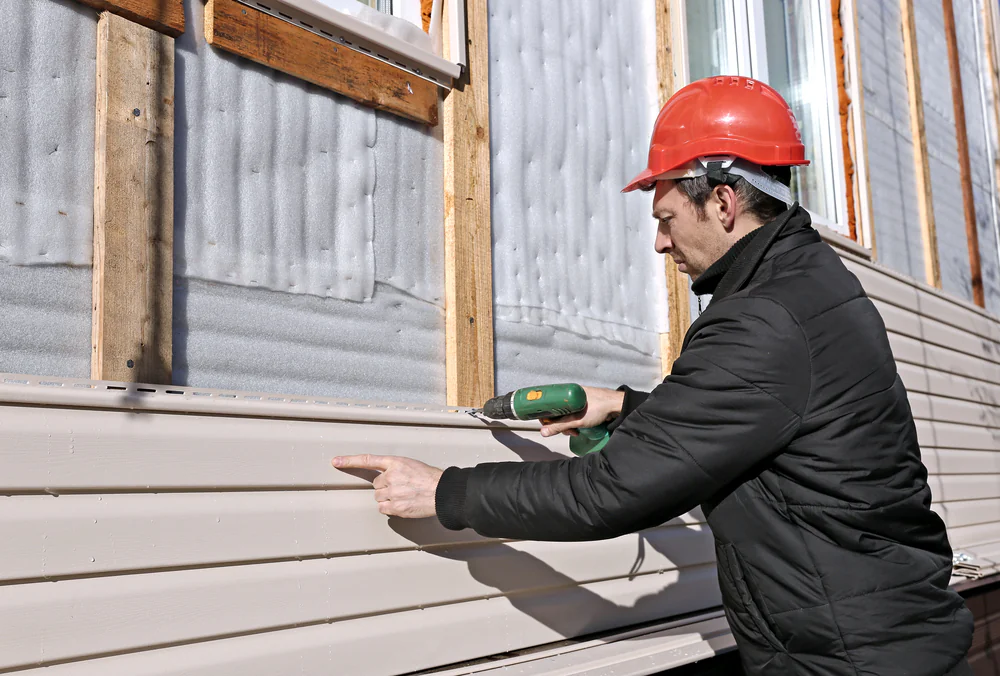
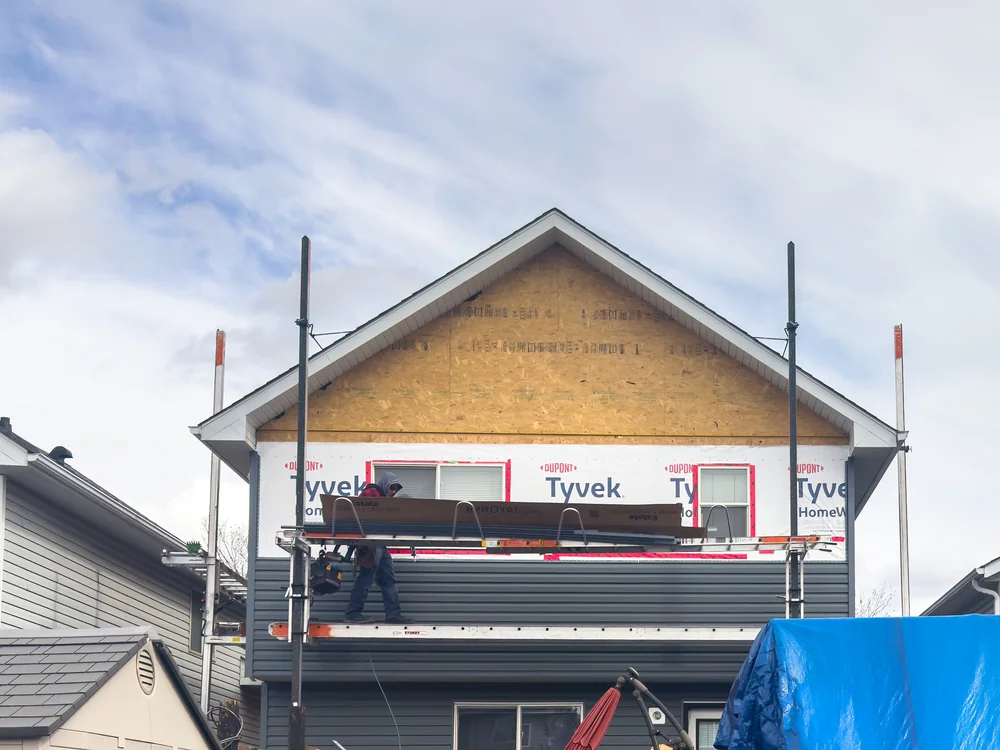
Once you approve the estimate, we schedule the work and order materials. Most siding jobs in Temple, NH take one to two weeks depending on your home’s size and the extent of prep work needed. We remove old siding carefully, inspect and repair sheathing where necessary, and install proper house wrapping and flashing before any new siding goes on.
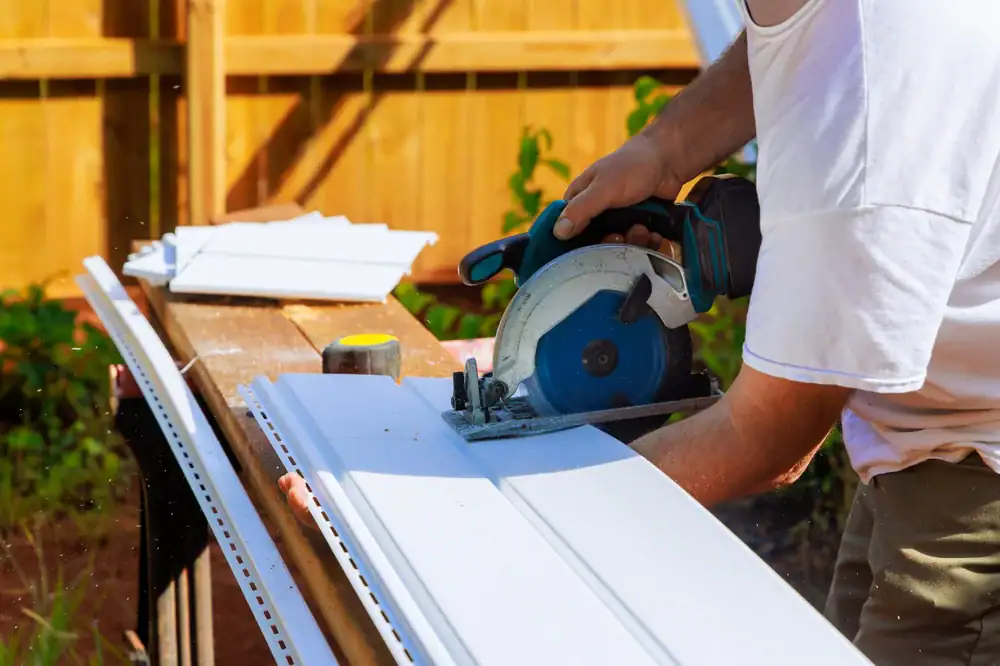
Installation follows manufacturer guidelines exactly—proper fastening, correct spacing, and appropriate J-channel and trim work. We’re not rushing to finish. We’re making sure water can’t get behind your siding and that every seam is sealed correctly. After installation, we walk the property with you, clean up completely, and make sure you understand your warranty coverage.
Ready to get started?
You get a full material assessment and recommendation based on your home’s exposure, your maintenance preferences, and your budget. We install vinyl siding, fiber cement siding, and James Hardie products—each has different performance characteristics in Temple’s climate. Vinyl works well if you want low maintenance and good durability. Fiber cement costs more upfront but lasts longer and resists fire, pests, and moisture better than any other option.
Every installation includes proper house wrapping with a weather-resistant barrier. This layer stops air and moisture infiltration better than siding alone, which directly impacts your heating and cooling costs. We also handle all trim work, corner posts, and J-channels so your siding looks finished and performs correctly.
New Hampshire winters are brutal on exterior materials. Fiber cement siding in Temple, NH handles freeze-thaw cycles without cracking because it’s engineered for HardieZone 5—the climate designation that covers our area. That means the product is specifically formulated for freezing temperatures and extreme seasonal swings. You’re not getting a one-size-fits-all material. You’re getting siding designed to survive here.
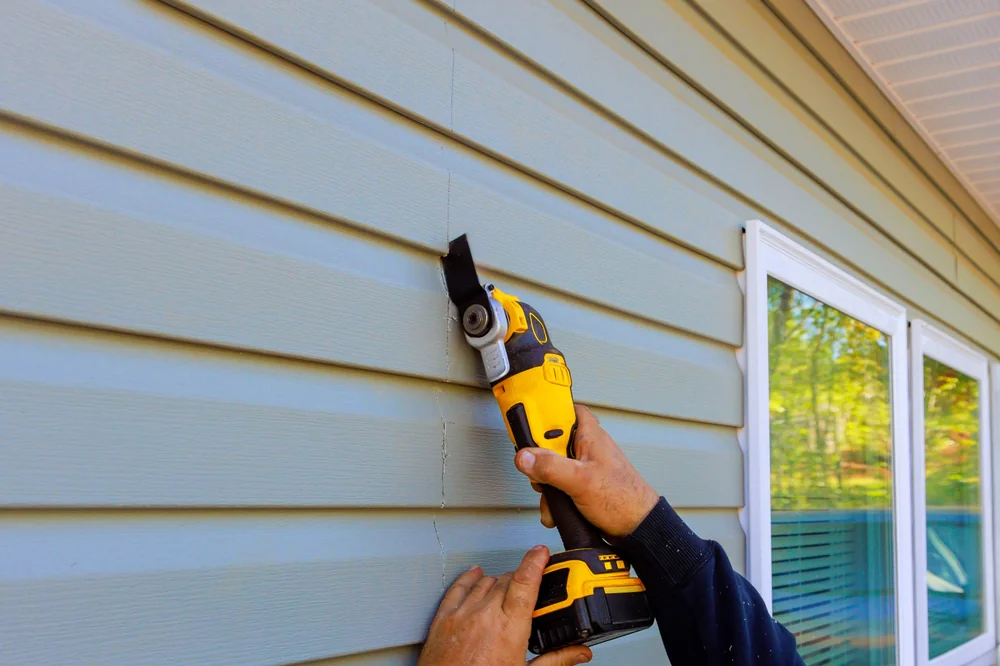
Most full siding replacements in Temple, NH run between $11,000 and $40,000 depending on your home’s size, the material you choose, and how much prep work is needed. Vinyl siding installation sits on the lower end of that range. Fiber cement costs more—usually $15 to $19 per square foot installed—but it lasts decades longer and requires far less maintenance.
If your sheathing has rot or your house wrapping is damaged, that adds to the cost because we have to fix those issues before new siding goes on. Covering up problems doesn’t make them go away. It makes them worse and more expensive later.
We give you a detailed estimate that breaks down materials, labor, and any prep work. No surprises, no vague line items. You know exactly what you’re paying for before we start.
Fiber cement siding handles New Hampshire winters better than any other material. It doesn’t crack in sub-zero temperatures like vinyl can. It doesn’t rot or warp like wood. It resists moisture, won’t burn, and pests leave it alone.
James Hardie fiber cement is specifically engineered for our climate zone. The HardieZone 5 product line accounts for freezing temps, heavy snow, ice buildup, and the constant freeze-thaw cycles that destroy other siding materials. That’s why it lasts up to 30 years here without needing replacement.
Vinyl siding works too, especially newer formulations designed for cold climates. It’s less expensive upfront and requires almost no maintenance. But it can become brittle in extreme cold and doesn’t insulate as well as fiber cement. If you want the longest-lasting, most durable option for Temple’s weather, fiber cement wins.
Most residential siding installations in Temple, NH take one to two weeks. Smaller homes with minimal prep work can be done faster. Larger homes or projects that require sheathing repair and extensive house wrapping work take longer.
Weather affects the timeline. We don’t install siding in heavy rain or when temperatures drop too low for materials to seal properly. We also don’t rush the job to hit an arbitrary deadline. Proper installation matters more than speed.
You’ll know the estimated timeline before we start. If something comes up during the project—hidden rot, damaged framing, anything that needs attention—we tell you immediately and explain how it affects the schedule and cost.
If your current house wrapping is damaged, deteriorated, or wasn’t installed correctly, yes—you need to replace it. House wrapping is your home’s primary defense against air and moisture infiltration. Siding is the second layer of protection, not the first.
We inspect your existing underlayment when we remove old siding. If it’s intact and still performing, we leave it. If it’s torn, improperly lapped, or showing signs of moisture damage, we replace it before new siding goes on. Skipping this step to save money just means you’ll deal with mold, rot, and energy loss later.
Quality house wrapping like HardieWrap resists air penetration better than standard felt paper. It keeps your walls dry and your insulation effective. That translates directly to lower energy bills and a more comfortable home year-round.
Fiber cement siding itself doesn’t insulate your home—no siding material does. But when installed correctly with proper house wrapping and sealed seams, it creates a much tighter building envelope than wood or poorly installed vinyl. That means less air leakage, which reduces how hard your HVAC system has to work.
The energy savings come from stopping drafts and moisture infiltration. When cold air isn’t sneaking in around your siding seams and through gaps in your underlayment, your furnace runs less. When hot, humid air isn’t getting into your wall cavities in summer, your AC works more efficiently.
Homeowners typically see a noticeable difference in comfort first—fewer cold spots, more consistent temperatures—and then in their utility bills. The exact savings depend on how bad your old siding was and how well we seal everything during installation.
If you’re repainting every few years and the paint still peels, your siding is failing. If you see rot around seams, windows, or trim, moisture is getting behind your siding and spreading. If your energy bills have climbed and you feel drafts near exterior walls, your siding isn’t sealing your home anymore.
Small areas of damage can sometimes be repaired, especially with vinyl siding where you can replace individual panels. But if the damage is widespread, if your siding is over 20 years old, or if you’re dealing with recurring moisture problems, replacement makes more sense than patching.
We’ll assess your siding honestly during a free estimate. If repairs will actually solve the problem, we’ll tell you. If you’re throwing money at a failing system, we’ll tell you that too. You make the call based on real information, not a sales pitch.