Hear from Our Customers

Your roof handles heavy snow in January, spring downpours in April, summer heat waves in July, and everything in between. That cycle wears down shingles, flashing, and underlayment faster than most homeowners realize.
When your roof works the way it should, you’re not dealing with ceiling stains during rainstorms. You’re not calling emergency contractors at 9 PM because water’s dripping into your kitchen. You’re not watching your energy bills climb because heat’s escaping through gaps in your attic.
A solid roof means you can ignore the weather forecast instead of dreading it. It means your insurance premiums stay manageable because you’re not filing claims every other year. It means the next buyer sees a well-maintained home, not a project they’ll need to budget for.
That’s what proper roofing work gets you—fewer headaches, lower costs over time, and actual protection when the next nor’easter rolls through Nashua.
We’ve been handling roofs in Nashua since 2012. That’s over a decade of ice dams, wind damage, hail claims, and emergency leak calls across neighborhoods from Crown Hill to Mine Falls.
We’re an Owens Corning Preferred Contractor, which means we’ve met their standards for installation quality and customer service. Our crew has worked on everything from small leak repairs to full tear-offs on older colonials.
When you call after a storm, you’re getting the same team that’s been here for years—not a fly-by-night operation that disappears after cashing your check. We’re local, we’re responsive even after the job’s done, and we know exactly what Nashua weather does to roofing systems because we’ve been fixing it since before the housing recovery.
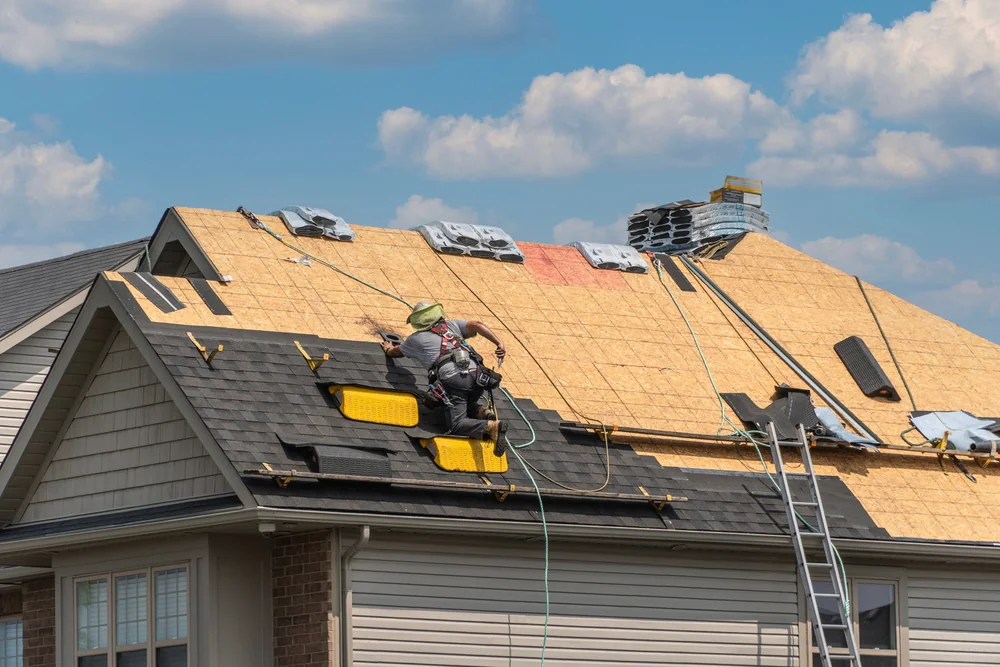
You reach out, and we schedule an on-site inspection. We’re looking at shingle condition, flashing around chimneys and vents, signs of water intrusion in your attic, and whether your decking needs attention. This isn’t a five-minute glance from the driveway—we’re checking what actually matters.
You get a written estimate that breaks down materials, labor, timeline, and what’s included. No surprise charges later. If you’re dealing with insurance, we document everything they’ll need to see.
Once you’re ready to move forward, we assign a crew and lock in dates. We handle tear-off, inspect and repair decking if needed, install new underlayment and shingles, replace flashing, and clean up daily. Most residential jobs in Nashua wrap up in a few days, weather depending.
After we’re done, you get a walkthrough to confirm everything’s right. And if you have questions three months later or notice something off, we pick up the phone. That’s how it should work.

Ready to get started?
Roofing work in Nashua isn’t just about slapping on new shingles. You need proper ventilation to prevent ice dams when snow piles up in winter. You need flashing that won’t fail around skylights and chimneys during spring rains. You need gutters that actually move water away from your foundation.
We handle roof replacement, repairs, siding, carpentry, skylight installation, gutter work, and chimney services. That matters because roof problems rarely exist in isolation—if your gutters are clogged, water backs up under shingles. If your attic ventilation is wrong, you’re looking at premature shingle failure and higher cooling costs.
Nashua sees an average of 45 inches of snow annually and significant temperature swings that cause expansion and contraction in roofing materials. That’s why we use quality materials rated for New England conditions, not the cheapest option that’ll need replacing in ten years.
You’re also dealing with a local market where wind and hail damage account for 39% of home insurance claims. Proper installation and material choice directly affect whether you’re filing claims or just living your life. We’ve seen what works here and what doesn’t—and we install accordingly.

If your roof is over 20 years old and you’re seeing multiple issues—curling shingles, granule loss in gutters, daylight through attic boards—replacement usually makes more sense than patching. Repairs work when damage is localized: a few missing shingles after a windstorm, flashing that’s come loose around a chimney, or a small leak you’ve caught early.
Here’s the math that matters: if repair costs are approaching 30% of replacement cost, or if you’re fixing different sections every couple years, you’re throwing money at a losing battle. A full replacement gives you decades of protection and typically comes with manufacturer warranties that repairs don’t.
We’ll tell you honestly what you’re looking at during the inspection. If repairs will buy you five solid years and you’re planning to sell anyway, that might be the right call. If your roof is failing in multiple spots and you’re staying put, replacement saves you more headaches and money long-term.
Document everything with photos before you touch anything—missing shingles, dents in flashing, debris impact points, interior water damage. Your insurance adjuster will want to see exactly what the storm did. Then call a local roofing contractor for an inspection, not the guy knocking on doors the next morning asking for cash deposits.
If you’ve got an active leak, contain the interior damage with buckets and tarps, but don’t let anyone pressure you into emergency repairs before your insurance company has seen it. Most policies require prompt notification, so call your insurer within a day or two even if the damage seems minor.
Get a professional inspection that covers your entire roof system, not just the obvious damage. Hail can compromise shingle integrity without creating visible holes, and wind can loosen flashing in ways you won’t spot from the ground. A thorough inspection catches everything your claim should cover.
Storm chasers disappear after they’ve cashed checks. We’re still here when you need follow-up work or have questions six months later. That difference matters more than you’d think.
Most residential roof replacements in Nashua take two to four days depending on size, complexity, and weather. A straightforward ranch with good access might be done in two days. A larger colonial with multiple valleys, skylights, and chimney flashing takes longer.
Weather delays are real here—we’re not installing shingles in heavy rain or on ice-covered decking in January. We’ll give you a realistic timeline upfront and keep you updated if conditions push things back. Rushing a roof job to hit an arbitrary deadline is how you end up with problems later.
The actual work breaks down like this: day one is usually tear-off and decking inspection, with new underlayment going down if weather holds. Day two and three cover shingle installation, flashing, and detail work. Final day is cleanup, inspection, and walkthrough with you.
We clean up daily because nobody wants nails in their driveway or shingle debris in their garden. You’ll have full access to your home throughout the process, though it’ll be loud when we’re working directly overhead.
Architectural shingles rated for high wind and impact resistance are your best bet for Nashua’s climate. They handle freeze-thaw cycles better than basic three-tab shingles and typically carry 30-year to lifetime warranties. Owens Corning Duration or Oakridge series both perform well here.
Metal roofing has surged in popularity recently because it sheds snow, lasts 40-plus years, and handles temperature swings without degrading. It costs more upfront but makes sense if you’re planning to stay in your home long-term or want to eliminate re-roofing from your future budget.
Whatever material you choose, proper installation matters more than the shingle brand. The best shingles in the world will fail early if your underlayment is cheap, your ventilation is wrong, or your flashing isn’t sealed correctly. We’re Owens Corning Preferred Contractors, which means we install to manufacturer specs that actually protect your warranty.
Avoid the cheapest options unless you’re selling within a year. You’ll pay for it in higher energy bills, earlier replacement, and insurance headaches when storm damage happens. Quality materials cost more now and save you more later—that’s just how it works.
Insurance covers roof damage from covered perils—wind, hail, falling trees, fire. It doesn’t cover wear and tear, age-related failure, or damage from lack of maintenance. If a storm tears off shingles or hail dents your roof, you’ve likely got coverage. If your 25-year-old roof is just worn out, you’re paying out of pocket.
New Hampshire homeowners saw a 65% jump in roof-related insurance claims in areas with severe weather recently. Insurance companies are paying attention, which means they’re scrutinizing claims more carefully and sometimes depreciating older roofs. If your roof is over 15 years old, expect your payout to factor in depreciation unless you have replacement cost coverage.
File claims promptly after storm damage—most policies require notification within a reasonable timeframe. Get a professional inspection that documents everything, because adjusters sometimes miss damage or underestimate scope. We’ve worked with insurance companies enough to know what they need to see.
One claim can raise your annual premium by $273 on average in New Hampshire. Two claims can add $550. That’s worth considering if you’re looking at minor damage that’s close to your deductible amount. Sometimes paying out of pocket makes more financial sense than filing a claim that’ll cost you more over the next few years.
Ice dams form when heat escapes through your attic, melts snow on your roof, and that water refreezes at the eaves where it’s colder. The ice builds up, traps water behind it, and eventually that water works its way under shingles and into your home. It’s a ventilation and insulation problem, not a roofing material problem.
Proper attic ventilation—intake vents at soffits and exhaust vents at the ridge—keeps your roof deck cold so snow doesn’t melt unevenly. Adequate insulation on your attic floor prevents heat from escaping in the first place. If you’re getting consistent ice dams every winter, your attic system needs attention before your next roof replacement.
Short-term fixes include roof raking after heavy snow to reduce the load and using calcium chloride ice melt in problem areas. Don’t chip away at ice dams with tools—you’ll damage shingles and flashing. Don’t ignore them either, because the water damage gets expensive fast.
When we replace roofs in Nashua, we assess ventilation as part of the job. Adding ridge vents or improving soffit intake often solves ice dam problems that homeowners have battled for years. It’s not always about the shingles—sometimes it’s about the system underneath working the way it should.