Hear from Our Customers
You’ve probably been up in your attic with a flashlight, checking for water stains after the last big snow. Or maybe you’ve already dealt with the nightmare of ice dams backing water into your walls.
Here’s what changes when your roof actually works: no more buckets in the hallway during rainstorms. No more wondering if that dark spot on the ceiling is getting bigger. No more calling three different contractors who never call back.
A solid roof repair in Nashua, NH means you stop thinking about your roof. The shingles stay put during windstorms. Water goes where it’s supposed to go. Your attic stays dry, your insulation does its job, and your heating bill doesn’t spike because cold air is sneaking in through gaps you can’t even see.
We’ve spent over six years working on homes throughout Nashua. We’re an Owens Corning Preferred Contractor, which means we meet their standards for quality and reliability—not just once, but consistently.
Feliciano and his crew have handled everything from emergency storm damage to full roof replacements across southern New Hampshire. We know what Nashua winters do to roofs because we’ve repaired the damage season after season.
The homes here deal with heavy snow loads, ice dam formation, and temperature swings that crack sealants and lift shingles. We’ve seen it all, and more importantly, we know how to fix it so it actually lasts.

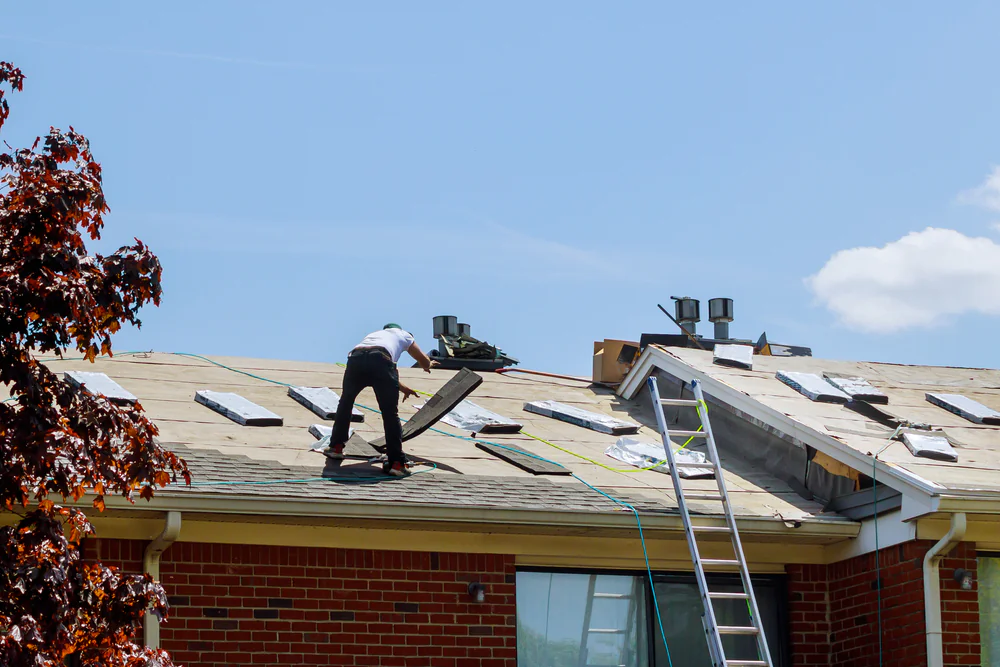
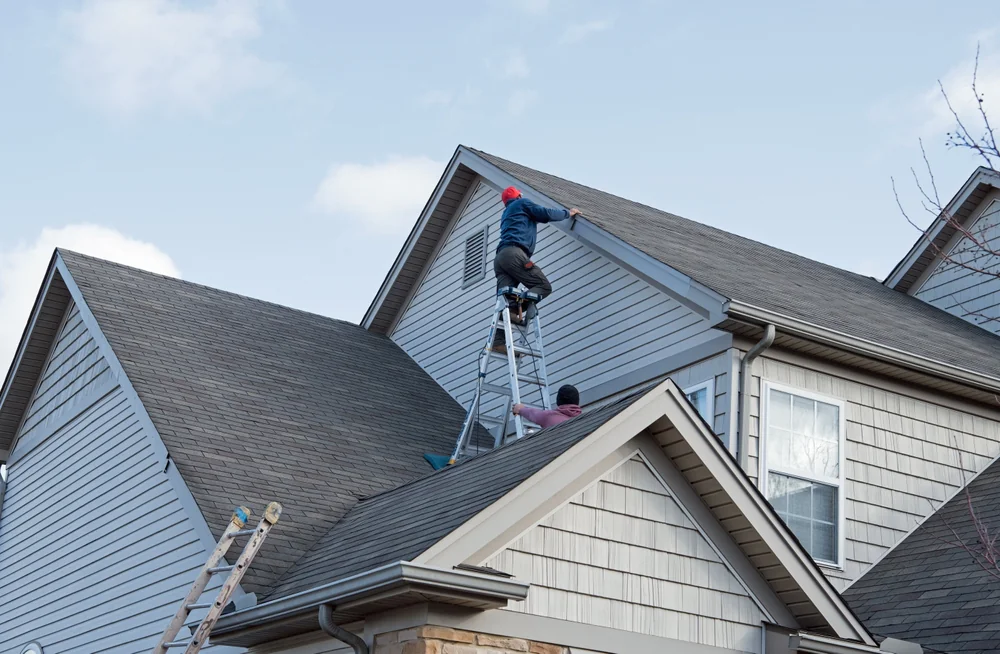
First, we come out and actually look at your roof. Not just from the ground—we get up there and inspect the damage, check the flashing, look at the underlayment, and figure out what’s causing the problem.
Then we tell you what needs fixing and what it’ll cost. No vague estimates or surprise charges later. If it’s a few missing shingles, we’ll say that. If the decking underneath is rotted and needs replacing, we’ll tell you that too.
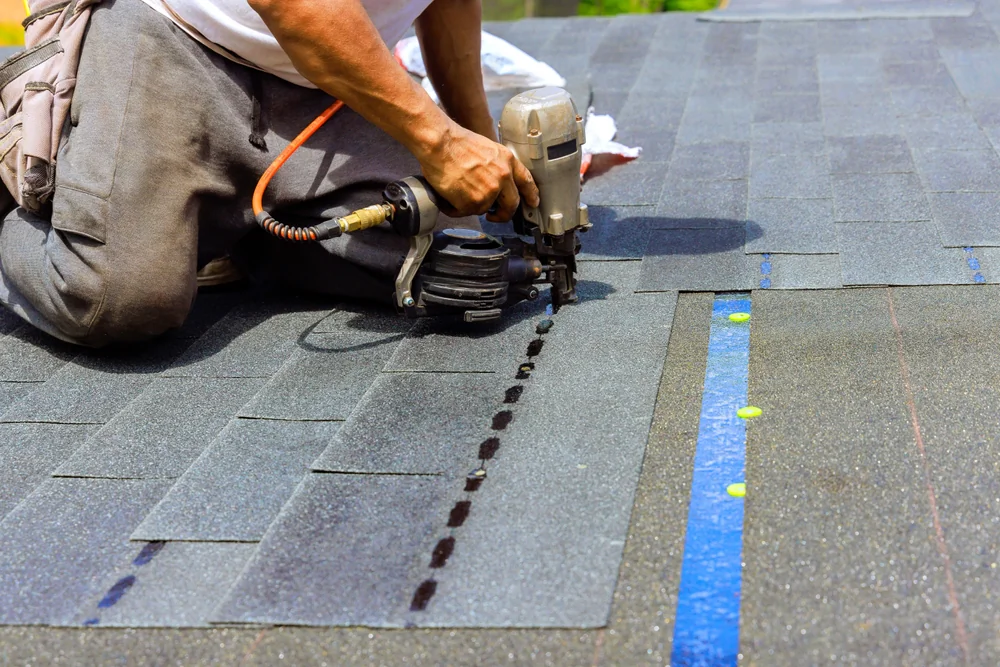
Once you’re ready to move forward, we schedule the work around your life and the weather. Most repairs take a day or two. We handle the tear-off, replacement, cleanup, and final inspection. You get documentation for your records and insurance if needed.
If it’s an emergency—like active leaking during a storm—we prioritize getting someone out within 24 to 48 hours depending on conditions. Sometimes a temporary fix is the smart move until we can do the full repair safely.
Ready to get started?
Every roofing repair in Nashua, NH starts with identifying why the problem happened in the first place. A leak isn’t just about replacing shingles—it’s about checking if your ventilation is causing condensation, if your flashing is installed correctly, or if ice dams are the real culprit.
New Hampshire building codes require roofs to handle specific snow loads. We make sure repairs meet those requirements so your roof doesn’t fail when you get two feet of snow overnight. That includes proper underlayment, ice and water shield in vulnerable areas, and shingles rated for our climate.
If ice dams have been an issue, we look at your attic insulation and ventilation. Sometimes the fix isn’t just on the roof—it’s stopping warm air from escaping into your attic and melting snow unevenly. We’ll tell you if that’s contributing to the problem.
For storm damage, we document everything for insurance claims. Photos, measurements, material lists—whatever your insurance company needs to process the claim quickly. The average roof repair here runs between $300 and $2,000 depending on extent, and we make sure you’re not paying out of pocket for damage that’s covered.

Most roof repairs in Nashua, NH fall between $300 and $2,000. Small fixes like replacing a few missing shingles or resealing flashing sit on the lower end. Larger repairs—like replacing damaged decking, fixing extensive ice dam damage, or addressing structural issues—push costs higher.
The average repair in 2025 runs around $750. But here’s what actually determines your cost: the extent of damage, what materials we’re matching, how accessible your roof is, and whether the problem is just surface-level or goes deeper into the underlayment and decking.
If a storm caused the damage, your homeowner’s insurance may cover most or all of the repair. We document everything needed for claims and work directly with adjusters when it makes the process easier for you. Just know that around 35% of homeowners delay repairs because of high deductibles—but waiting usually makes the damage worse and more expensive to fix later.
Ice dams form when heat escapes through your attic, melts snow on your roof, and that water refreezes at the eaves where it’s colder. The ice builds up, traps water behind it, and forces that water under your shingles and into your home.
Prevention comes down to three things: proper attic insulation to keep heat inside your house, adequate ventilation to keep your attic cold, and sometimes installing heating cables along the eaves for extra protection during heavy snow. Your roof also needs ice and water shield installed under the shingles in vulnerable areas—that’s code in New Hampshire for good reason.
If you’re already dealing with ice dams every winter, the problem likely isn’t your roof—it’s your attic. We can assess your insulation and ventilation during a repair and tell you what needs upgrading. It’s not always a quick fix, but it stops the cycle of damage, emergency calls, and repeat repairs every February.
For active leaks and storm damage, we typically respond within 24 to 48 hours depending on weather conditions and demand. During major winter storms or after severe weather events, everyone needs help at once—we prioritize homes with active water intrusion first.
An emergency repair usually means stopping the immediate damage with a temporary fix, then scheduling the permanent repair once conditions are safe. Sometimes that’s tarping a section of roof, sometimes it’s a quick patch that holds until we can do the full job right.
If you’re dealing with a leak, the most important thing is minimizing interior damage while you wait. Put buckets under active drips, move furniture and belongings, and if it’s safe, get into your attic to see where water is coming in. That information helps us respond faster and more effectively when we arrive.
It depends on what caused the damage. Storm damage, hail, fallen trees, and sudden accidents are typically covered. Gradual wear and tear, poor maintenance, and age-related deterioration usually aren’t.
Insurance companies want documentation: photos of the damage, estimates for repairs, proof that the damage happened during a covered event. We provide all of that. We’ve worked with enough claims in Nashua to know what adjusters need and how to present the information so your claim moves quickly.
Here’s the reality: about 35% of homeowners say high deductibles make them postpone repairs. But if storm damage goes unfixed, it gets worse—and then insurance may deny the claim because you didn’t mitigate further damage. If you’re not sure whether to file a claim, we can assess the damage and give you an honest opinion on whether it’s worth it based on your deductible and the repair cost.
Most roof repairs in Nashua, NH take one to two days depending on the scope. Replacing a section of damaged shingles might only take a few hours. Fixing underlying decking, replacing flashing, or addressing multiple problem areas takes longer.
Weather plays a role too. We can’t install shingles in freezing temperatures or during rain—the sealant won’t bond properly and you’ll end up with more problems. If we have to pause work because of weather, we make sure everything is secured and watertight until we can finish.
You’ll know the timeline upfront. We don’t start a job without telling you how long it’ll take and what might extend that timeline. If we find additional damage once we open things up—which happens sometimes—we stop, show you what we found, explain what it means, and get your approval before continuing. No surprises.
Repair means fixing specific damaged areas while leaving the rest of your roof intact. Replacement means tearing off the entire roof and installing a new one from scratch.
If the damage is localized—storm damage to one section, a few leaks, isolated wear—repair makes sense. It’s faster, costs less, and extends your roof’s life. But if your roof is near the end of its lifespan (most asphalt shingle roofs last 20-25 years in New Hampshire), if you’re dealing with widespread issues, or if repairs would cost more than half of a replacement, replacement is usually the smarter move.
We’ll tell you honestly which makes sense for your situation. Sometimes homeowners want to repair because replacement feels overwhelming or expensive. We get it. But if we’re going to be back next year fixing another section, and the year after that fixing something else, you’re better off replacing now. We’re not going to sell you a new roof if a repair will actually solve the problem—but we’re also not going to patch something that’s fundamentally failing.