Hear from Our Customers
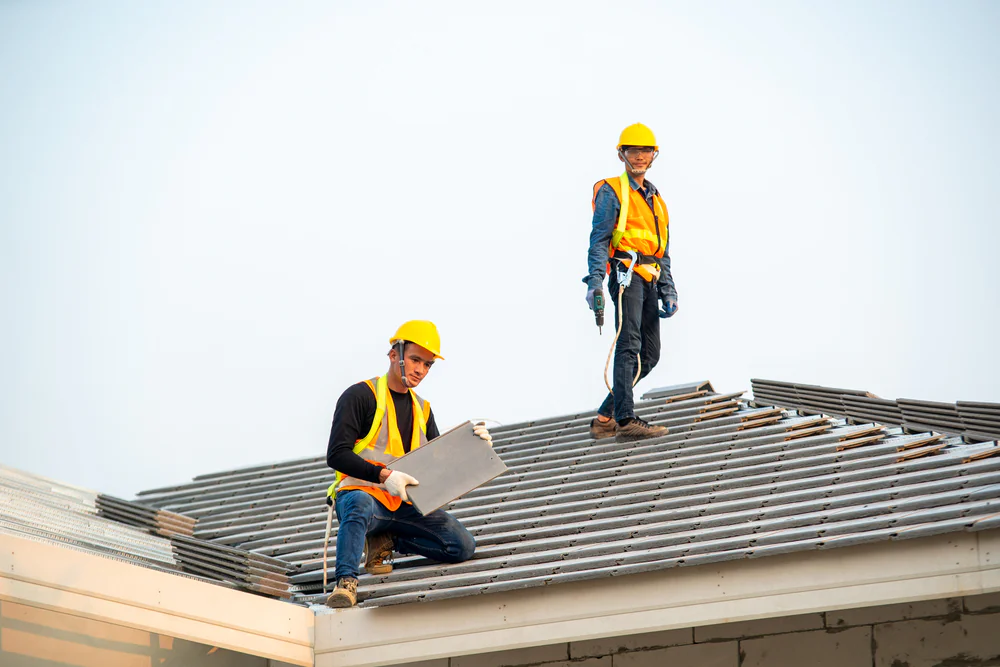
You get a roof that holds up when the snow piles up and the temperature drops. No more worrying about ice dams forming at the edges and water sneaking into your walls. No more calling around for emergency repairs every time a storm rolls through.
Your heating bills stay reasonable because your attic isn’t bleeding warmth through poor ventilation. Your insurance company stops sending you letters about your roof’s condition. You sleep through the next blizzard without wondering if you’ll wake up to water stains on the ceiling.
That’s what a properly installed roof does. It works quietly in the background so you can focus on everything else. And when it’s done right the first time with materials built for this climate, you’re not dealing with the same problems again in three years.
Paradise Remodeling Inc is an Owens Corning Preferred Contractor, which means we’ve met their requirements for quality work and reliable service. We’ve been handling roofing projects in Greenville and the surrounding area for over 12 years.
We know what New Hampshire weather does to roofs. The median home here was built in 1938, which means most properties are dealing with aging roof systems that weren’t designed with modern materials or installation standards. We see the same issues repeatedly: inadequate ventilation leading to ice dams, outdated shingles that can’t handle the freeze-thaw cycles, and storm damage that gets worse when it’s not addressed quickly.
We use Mule Hide roofing products because they’re built to last in climates like ours. Our team shows up on time, does the work right, and cleans up when we’re done. That’s it.
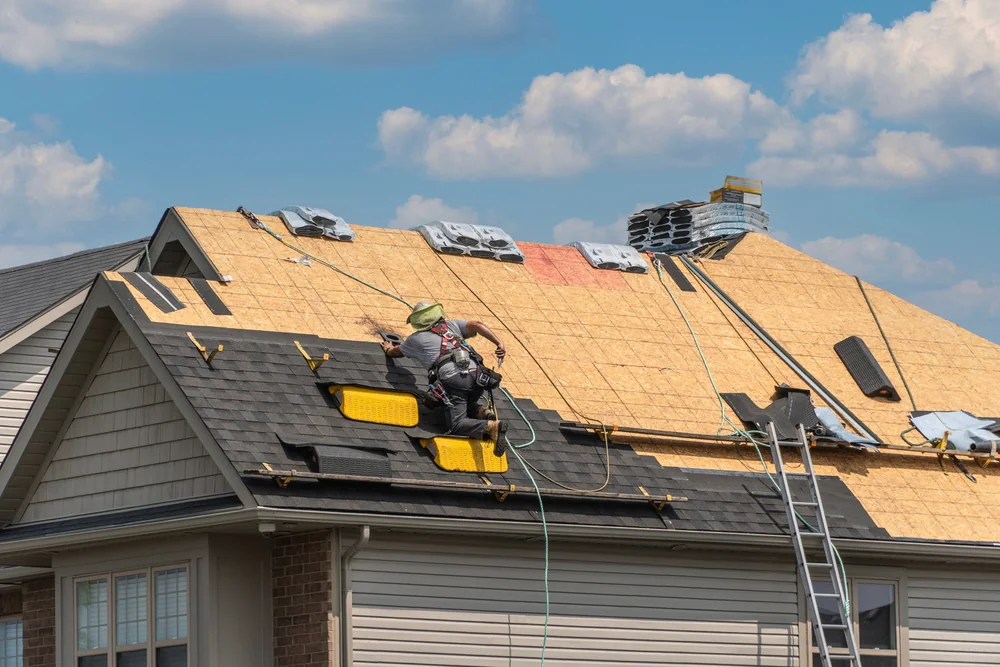
First, we come out and look at your roof. Not a quick glance from the driveway—we get up there and check the shingles, flashing, ventilation, and any visible damage. We take photos so you can see exactly what we’re seeing.
Then we give you a straightforward estimate. We break down what needs to be done, what materials we’ll use, and how long it’ll take. If you’re dealing with storm damage, we can help you navigate the insurance claim process. We’ve done it hundreds of times.
Once you approve the work, we schedule it based on weather and our availability. On the day we start, we protect your property, tear off the old materials if it’s a replacement, and install everything according to manufacturer specs and local building codes. We handle permits, inspections, and cleanup.
When we’re done, we walk you through what we did and answer any questions. You get warranty information for both our labor and the materials. Then we leave, and your roof does its job for the next several decades.
Ready to get started?
You get a full roof inspection before we start any work. We assess shingle condition, check for proper ventilation to prevent ice dams, examine flashing around chimneys and vents, and identify any structural concerns. This matters in Greenville because homes here face heavy snow loads and extreme temperature swings that most roofing systems weren’t originally built to handle.
Our roof repairs address leaks, damaged shingles, flashing issues, and storm damage. For replacements, we remove old materials down to the decking, replace any damaged wood, install proper underlayment, add ice and water shield in vulnerable areas, and install new shingles or metal roofing depending on what makes sense for your home and budget.
We also handle the details most homeowners don’t think about until there’s a problem: making sure your attic ventilation is adequate to prevent ice dams, confirming your insulation isn’t causing warm spots on the roof, and ensuring water drains properly. These aren’t extras—they’re requirements if you want your roof to last through New Hampshire winters. With 73% of homes here using asphalt shingles and weather-related damage accounting for over 22% of residential roof replacements, getting these fundamentals right the first time saves you money and stress down the road.
If your roof is under 15 years old and you’re dealing with isolated damage—a few missing shingles after a storm, a small leak around a chimney, or localized wear in one area—a repair usually makes sense. You’re fixing the problem without replacing materials that still have life left.
But if your roof is over 20 years old, you’re seeing multiple leaks, shingles are curling or losing granules across large sections, or you’re constantly patching new problems, replacement is the smarter move. You’re throwing money at a system that’s reached the end of its useful life. In Greenville, where the median home was built in 1938, we see a lot of roofs that have been patched repeatedly when they should have been replaced years ago.
We’ll tell you honestly which situation you’re in. Sometimes a repair buys you a few more years while you budget for a replacement. Sometimes it’s just delaying the inevitable and costing you more in the long run. We look at the whole system—not just the obvious damage—and give you the information you need to make the right call for your situation.
Ice dams form when heat escapes from your attic and warms the roof surface above freezing while the outside air stays below 22 degrees. Snow melts, runs down to the cold roof edge, and refreezes into a ridge of ice. More meltwater backs up behind that ridge and eventually finds its way under your shingles and into your house.
The fix isn’t just better shingles—it’s controlling the heat loss. That means adequate attic insulation to keep warm air in your living space, proper ventilation to keep the attic cold, and sealing any air leaks where warm air is escaping into the attic. We also install ice and water shield membrane along the roof edges during replacements, which gives you a waterproof barrier even if ice dams do form.
In Greenville, ice damming is one of the most common winter insurance claims. We’ve seen the damage firsthand: ruined ceilings, soaked insulation, mold growth, and repair bills in the thousands. Prevention is straightforward if you address the root cause. We check ventilation and insulation as part of every roofing project because a new roof won’t solve ice dam problems if the attic conditions are still wrong.
Most residential roof replacements in Greenville take two to four days depending on the size of your home, the complexity of the roof design, and weather conditions. A straightforward ranch with a simple roofline might be done in two days. A larger home with multiple valleys, dormers, or a steep pitch takes longer.
We start by protecting your property and landscaping, then tear off the old roofing materials. We inspect and repair the roof decking if needed, install underlayment and ice shield, then install the new shingles or metal roofing. Flashing goes in around chimneys, vents, and valleys. We clean up thoroughly—you shouldn’t find nails in your driveway when we’re done.
Weather can extend the timeline. We don’t install roofing in rain or when ice is on the roof. New Hampshire weather is unpredictable, so we build some flexibility into the schedule. We’ll keep you updated if conditions delay the work. The goal is doing it right, not doing it fast. A roof that’s rushed through installation won’t perform the way it should, and you’ll be dealing with problems within a few years instead of a few decades.
If you have visible damage from hail, wind, or fallen branches, it’s worth having your insurance company take a look. Storm damage is covered under most homeowner policies, and with severe weather events causing a 65% jump in roof-related claims, insurance companies are used to processing these.
The key is documenting everything. Take photos of the damage before anyone touches it. Get a professional inspection—we can provide a detailed report of what’s damaged and what it’ll cost to fix. Then contact your insurance company and start the claim process. They’ll send an adjuster to assess the damage.
We’ve helped hundreds of Greenville homeowners navigate insurance claims for roof damage. We can meet with your adjuster, provide documentation they need, and make sure nothing gets missed in their assessment. Sometimes adjusters underestimate the scope of damage or don’t catch issues that aren’t obvious from the ground. Having a roofing contractor there who knows what to look for protects your interests. Just be aware that filing a claim may affect your premiums, so weigh the repair cost against your deductible and potential rate increases before you decide.
Asphalt shingles are what you see on 73% of homes around here. They’re affordable, they come in lots of colors, and they last 20 to 30 years when installed properly. They handle New Hampshire weather reasonably well, especially the architectural shingles that are thicker and more durable than the basic three-tab style. The downside is they eventually wear out, they can blow off in high winds, and they’re not the most energy-efficient option.
Metal roofing costs more upfront—usually two to three times what asphalt costs—but it lasts 50 years or longer. It sheds snow better, it’s more fire-resistant, it doesn’t blow off in storms, and it reflects heat in summer which can lower cooling costs. Metal roofs are gaining popularity in New Hampshire specifically because they handle heavy snow loads and ice without the same wear and tear you see with shingles.
Which one makes sense depends on how long you plan to stay in your home and what your budget looks like. If you’re planning to sell in five years, asphalt is probably the practical choice. If this is your forever home and you don’t want to think about roofing again, metal might be worth the investment. We install both, and we’ll walk you through the actual costs and benefits based on your specific situation—not just the marketing claims.
Yes. When you’ve got six inches or more of snow accumulating on your roof—especially during long stretches of freezing temperatures—that weight adds up and the insulation effect increases the risk of ice dams forming. Roof raking and snow removal have become increasingly popular with Greenville homeowners and businesses who want to prevent problems before they start.
If you already have ice dams forming, we can safely remove them without damaging your roof. A lot of homeowners try to chip away at ice dams themselves and end up tearing shingles or puncturing the roof membrane. We use low-pressure steam methods that melt the ice without causing damage. It’s not cheap, but it’s cheaper than repairing water damage inside your home.
The better approach is prevention: proper attic insulation and ventilation so your roof stays cold and snow doesn’t melt in the first place. But when you’re in the middle of a rough winter and ice dams are already forming, removal is sometimes necessary to prevent immediate damage. We handle both the emergency removal and the long-term fixes that keep ice dams from coming back every winter. Most of our customers who call for ice dam removal end up scheduling ventilation improvements or roof replacements once they understand what’s actually causing the problem.
Other Services we provide in Greenville