Hear from Our Customers

You stop worrying about what’s happening behind your walls. Moisture stays out. Drafts disappear. Your heating bill drops because your home isn’t bleeding warmth through cracked, warped, or poorly installed siding.
The outside of your house looks the way you want it to—clean lines, consistent color, no peeling paint or rotting boards. That matters when you pull into your driveway and when anyone else drives past.
And you’re not repainting every few years or patching problem spots. Vinyl siding installation in Greenville, NH gives you 20 to 30 years of performance with almost zero maintenance. Fiber cement siding cost runs higher up front, but it handles impact, fire, and weather better than anything else on the market. Either way, you’re done dealing with constant upkeep.
We’ve been handling exterior work across New Hampshire and Massachusetts for years. We’re not a national franchise. We’re a locally owned company that shows up, listens to what you’re dealing with, and recommends what actually fits your home and budget.
Greenville homes face brutal winters, heavy snow loads, and temperature swings that crack inferior materials. We account for that. Every job gets house wrapping that manages moisture and airflow before any siding goes on. Every crew knows how to install level, square, and weathertight—because we’ve seen what happens when corners get cut.
You’re not getting a hard sell. You’re getting an honest assessment and a clear quote. If there’s structural damage under your old siding, we’ll tell you before it becomes a bigger problem.
First, we inspect your home. Not just the siding you can see—we’re looking at what’s underneath. If there’s rot, water damage, or structural issues, they get addressed before any new material goes up. Skipping this step is how you end up with a nice-looking exterior and a rotting frame.
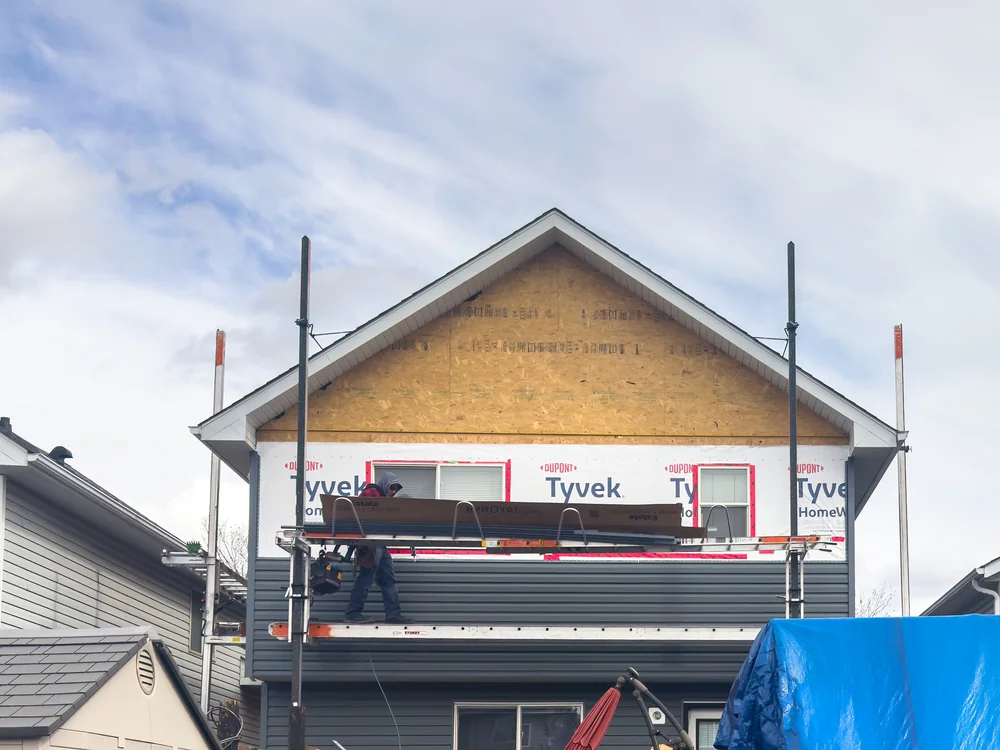
Next comes house wrapping in Greenville, NH. This isn’t optional. The wrap goes on before siding and creates a barrier that blocks water while letting trapped moisture escape. It’s what keeps your walls dry and your insulation effective.
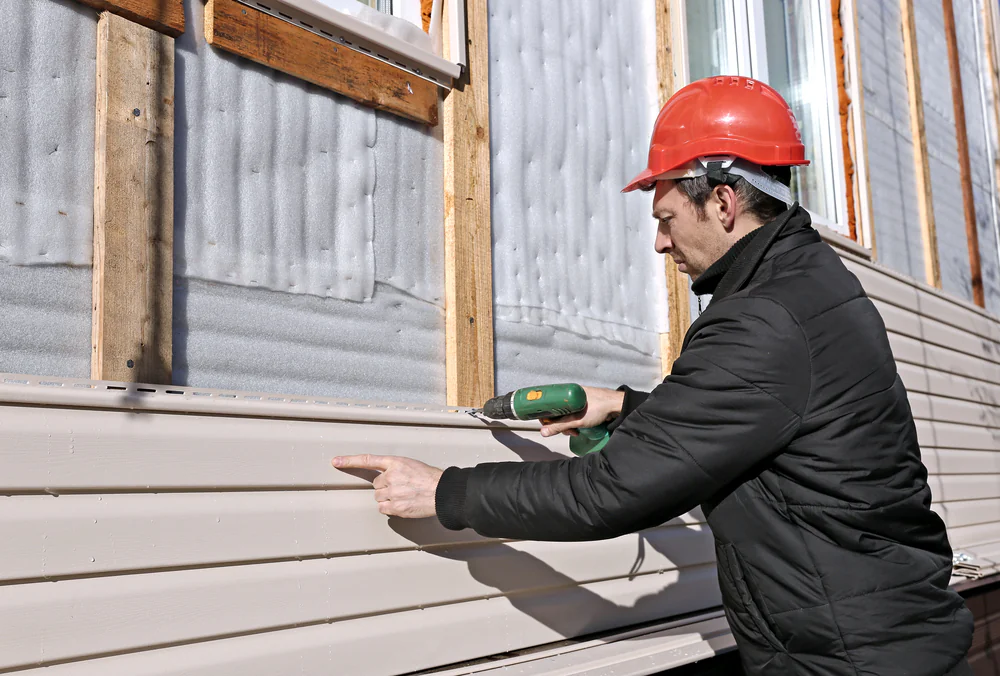
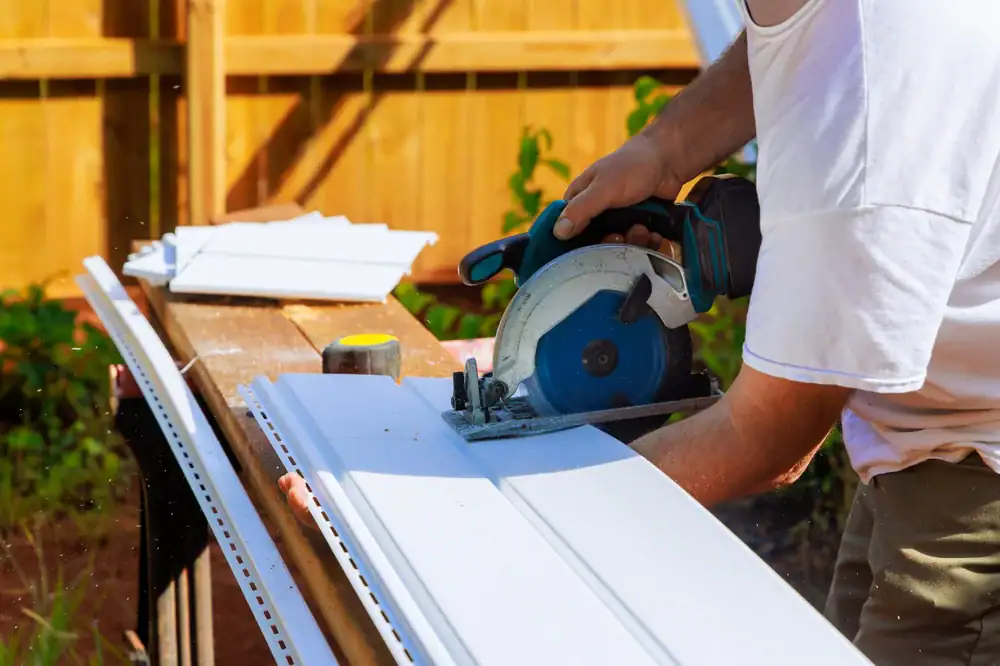
Then we install your siding—vinyl, fiber cement, or James Hardie, depending on what you chose. Everything gets leveled, squared, and fastened correctly. Seams are tight. Corners are clean. Trim work is precise. When we’re done, your home is sealed against wind, rain, snow, and ice.
You get a walkthrough at the end. We show you what we did, answer any questions, and make sure you’re clear on warranty coverage and maintenance requirements.
Ready to get started?
Vinyl siding installation in Greenville, NH typically runs $8 to $10 per square foot installed. For an average home, that’s $14,400 to $18,000. It’s budget-friendly, performs well in cold climates, and lasts 20 to 30 years with minimal maintenance.
Fiber cement siding cost in Greenville, NH is higher—$11 to $13 per square foot, or $19,800 to $23,400 for the same size home. But you’re getting superior impact resistance, fire protection, and durability. We install James Hardie products engineered specifically for the HZ5 climate zone, which covers freezing temps, snow, ice, and extreme seasonal swings. That’s not marketing—it’s how the material is manufactured.
The price includes removal of old siding, house wrapping, installation, trim, and cleanup. If we find structural damage during removal, that’s a separate cost. We’ll give you a clear number before any extra work starts. Most fiber cement jobs come with a 30-year material warranty and a 15-year finish warranty. Vinyl warranties vary by manufacturer, but you’re typically covered for decades.
Greenville’s weather is tough. You’re paying for materials and installation that won’t fail when the temperature drops or the wind picks up.
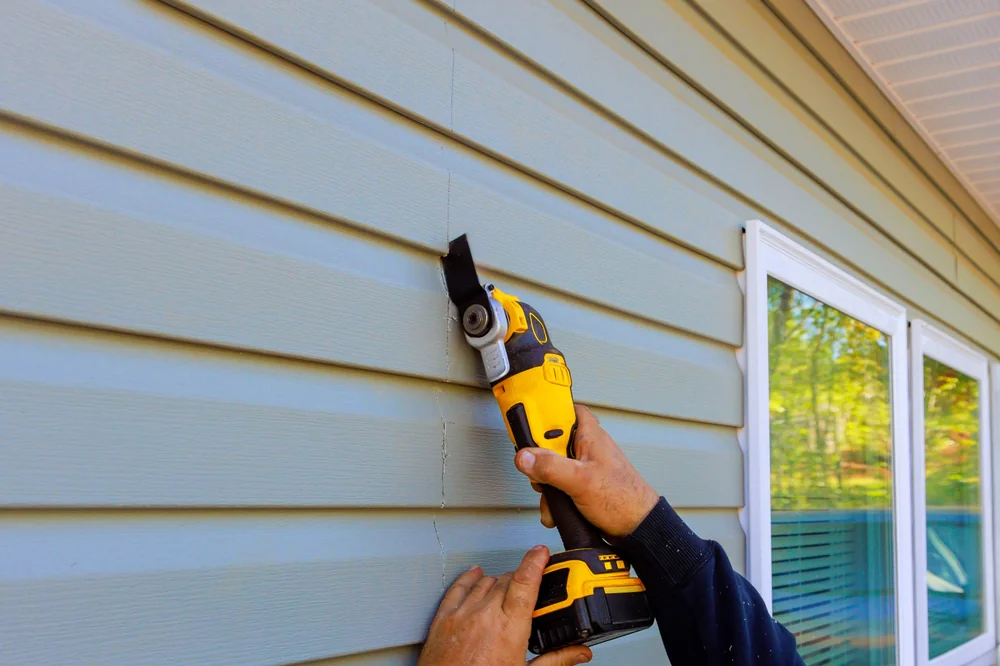
Most single-family homes take between five and ten days, depending on size, material, and what we find when the old siding comes off. If your home is straightforward and there’s no hidden damage, we’re usually done in a week.
Weather can slow things down. We don’t install in heavy rain or freezing conditions because it compromises the quality of the work. If we have to pause for a storm, we make sure your home is sealed and protected until we can get back on site.
Larger homes or jobs that involve replacing rotted sheathing, reframing windows, or dealing with structural issues take longer. We’ll give you a timeline up front and keep you updated if anything changes.
Vinyl handles cold well and won’t rot, warp, or need repainting. It’s lightweight, affordable, and performs reliably through freeze-thaw cycles. The downside is it’s not the best insulator on its own, and it can crack under heavy impact.
Fiber cement is denser and more durable. It resists fire, wind, moisture, and impact better than vinyl. James Hardie fiber cement is specifically engineered for climates like ours—freezing temps, snow, ice, and seasonal extremes. It holds up longer and maintains its appearance with less maintenance.
The cost difference is real. Vinyl is cheaper up front. Fiber cement costs more but can save you money over time because it lasts longer and requires less frequent replacement. If you’re planning to stay in your home long-term, fiber cement usually makes more sense. If you’re on a tighter budget or planning to sell soon, vinyl is a solid choice.
You need it. House wrapping in Greenville, NH isn’t optional if you want your siding to perform the way it’s supposed to. It’s a protective layer that goes on before siding and manages moisture and airflow.
Without house wrap, water can get behind your siding and sit against your sheathing. That leads to rot, mold, and structural damage you won’t see until it’s expensive to fix. The wrap blocks liquid water while allowing moisture vapor to escape, so your walls can breathe.
It also helps with energy efficiency by reducing air movement through your exterior walls. That means fewer drafts and lower heating bills. Any contractor who tells you it’s optional is either cutting corners or doesn’t understand how siding systems work in cold climates.
We stop, show you what we found, and give you a clear estimate for the repair before moving forward. Hidden damage is common—especially with older homes or siding that’s been leaking for years.
Typical issues include rotted sheathing, damaged framing around windows, or water intrusion that’s spread into the wall cavity. If we find it, it has to be fixed. Installing new siding over rotted wood doesn’t solve anything. It just hides the problem until it gets worse.
We’ll walk you through what needs to happen, why it matters, and what it costs. You’ll get a written estimate for the additional work, and we won’t proceed without your approval. Most homeowners appreciate knowing about structural issues before they become major problems.
We typically charge $11 to $13 per square foot installed for James Hardie, which is in line with other premium fiber cement products. The difference isn’t usually in the price—it’s in the engineering and warranty.
James Hardie products are designed for specific climate zones. Greenville falls under HZ5, which means the siding is manufactured to handle freezing temperatures, snow, ice, and extreme seasonal temperature swings. That’s not just a feature—it’s how the product is made.
You also get a 30-year non-prorated material warranty and a 15-year finish warranty when it’s installed by a trained crew. The finish is baked on, so you’re looking at longer paint cycles and less maintenance. Over 15 years, that can save you around $5,000 in repainting costs compared to wood siding.
Yes, if your current siding is drafty, cracked, or poorly installed. Insulated vinyl siding has a foam core that acts as a thermal barrier and reduces heat transfer. That means your furnace doesn’t have to work as hard in the winter.
Fiber cement doesn’t insulate as well on its own, but when it’s installed correctly with proper house wrapping and air sealing, it still improves your home’s overall energy performance. The key is eliminating gaps, sealing penetrations, and making sure the building envelope is tight.
How much you save depends on your current setup. If you’ve got old, leaky siding and no house wrap, the improvement can be significant. If your home is already well-sealed, the difference will be smaller but still noticeable. Either way, you’re making your home more comfortable and reducing the load on your heating system.
Other Services we provide in Greenville