Hear from Our Customers
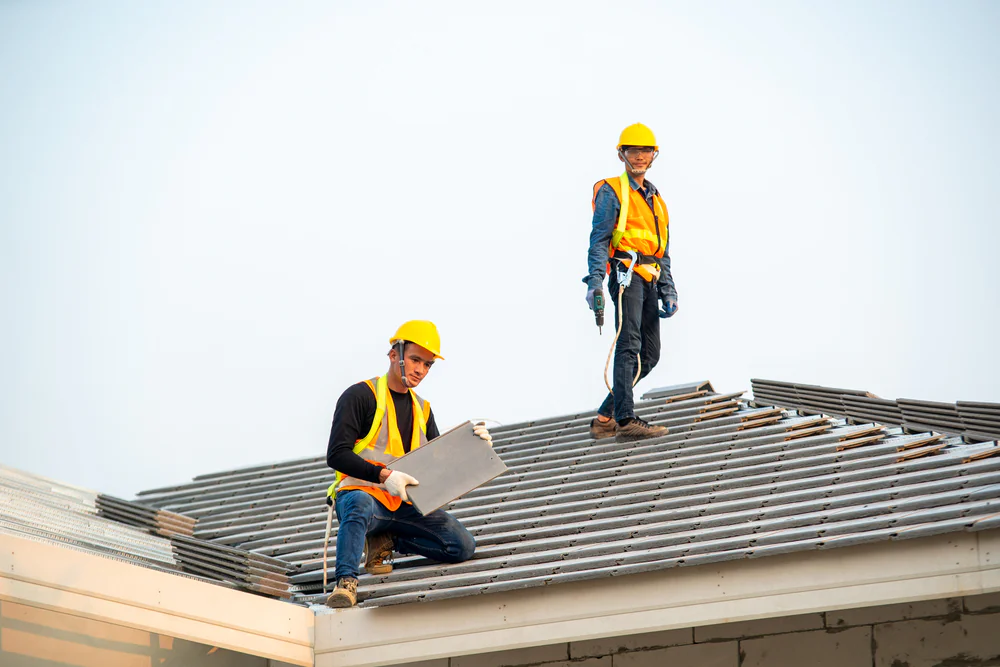
You’re not calling a roofer because everything’s fine. Something’s leaking, sagging, or about to fail—and you need it handled before the next storm rolls through.
When your roof’s installed or repaired correctly, you stop worrying every time it snows. Water stays outside where it belongs. Ice dams don’t form along your gutters and back up under your shingles. Your attic stays dry, your insulation works, and you’re not dealing with ceiling stains or emergency buckets.
A solid roof also means lower energy bills. When your roofing system is properly ventilated and insulated, your home doesn’t leak heat in winter or trap it in summer. You’ll notice the difference on your heating bill, and your HVAC system won’t work overtime trying to compensate for a poorly performing roof.
You also get peace of mind. No more wondering if that patch job will hold. No more climbing up there yourself to clear snow or check for damage. Just a roof that does its job so you can stop thinking about it.
We’re an Owens Corning Preferred Contractor serving Greenland and the broader Seacoast region. That certification isn’t handed out freely—it means we meet strict standards for installation quality, customer service, and reliability. Our BuildZoom score puts us in the top 8% of licensed contractors in Massachusetts, and we bring that same level of work to every job in New Hampshire.
We’ve been handling roofing and exterior remodeling for homeowners who want the job done right the first time. Greenland’s small-town feel and proximity to the coast means homes here face salt air, nor’easters, and heavy snow loads. We know what works in this climate because we’ve seen what fails.
You won’t get a lowball estimate followed by surprise charges. You won’t get a crew that disappears halfway through. You get licensed, insured professionals who show up, communicate clearly, and finish the work on schedule.
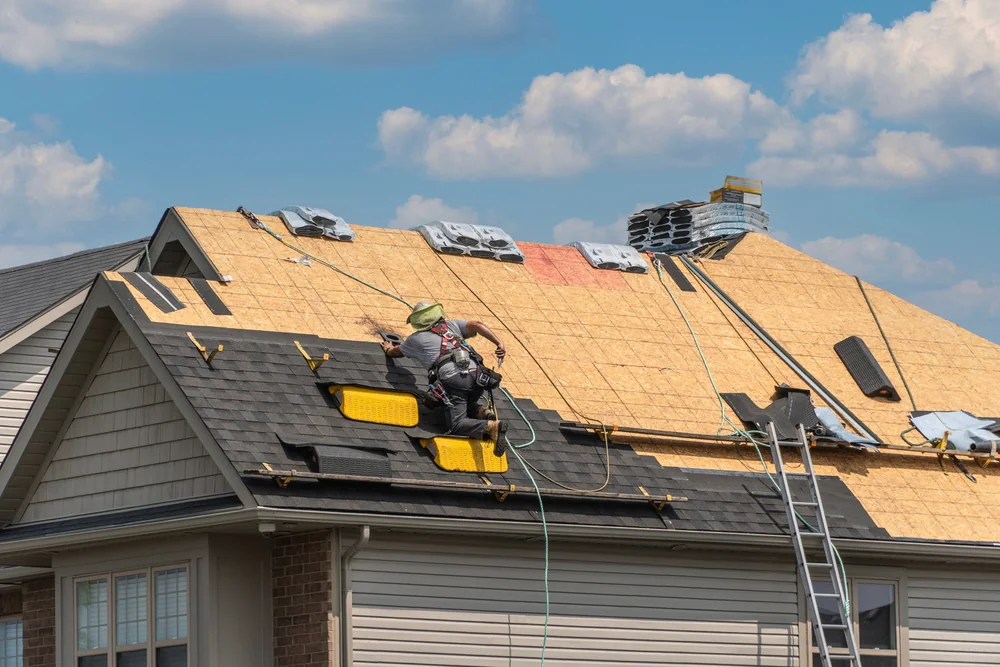
First, we come out and inspect your roof. Not a quick glance from the driveway—an actual assessment where we check shingles, flashing, ventilation, and any signs of water damage or structural issues. We’ll tell you what needs fixing now, what can wait, and what’s just cosmetic.
Then we give you a clear estimate. No jargon, no upselling. Just the scope of work, the materials we’ll use, and the timeline. If you’re dealing with storm damage or an insurance claim, we’ll walk you through that process too.
Once you approve the plan, we schedule the work and stick to it. Most residential roofing projects wrap up in about a week, depending on size and weather. We handle permits, material delivery, tear-off, installation, cleanup, and final inspection. You’re not coordinating multiple crews or chasing down answers—we manage it all.
After installation, we walk the property with you to make sure everything’s done right. No loose nails in the driveway, no debris left behind, no questions about what was actually completed. You get a warranty on materials and workmanship, and you have our number if anything comes up down the road.
Ready to get started?
We handle full roof replacements, repairs, and ongoing maintenance. If your asphalt shingles are nearing the end of their lifespan—typically 20 to 25 years in New Hampshire’s climate—we’ll remove the old roof down to the decking, inspect for any rot or damage, and install a new system with proper underlayment and ventilation.
For repairs, we address leaks, damaged shingles, worn flashing around chimneys and vents, and ice dam damage. A lot of homeowners in Greenland deal with ice dams because of how snow melts and refreezes along the roof edge. We fix the immediate damage and also address the underlying ventilation or insulation issues that cause ice dams in the first place.
We also offer roof maintenance, which most people skip until there’s a problem. Regular inspections catch small issues before they turn into expensive repairs. We clear debris, check for loose or missing shingles, inspect flashing and seals, and make sure your gutters are draining properly. In a place like Greenland where you’re getting heavy snow and coastal storms, a little prevention goes a long way.
We use quality materials—Owens Corning and Mule Hide products—that are built for New England weather. These aren’t the cheapest options, but they last longer and perform better when you’re dealing with freeze-thaw cycles, high winds, and heavy precipitation.
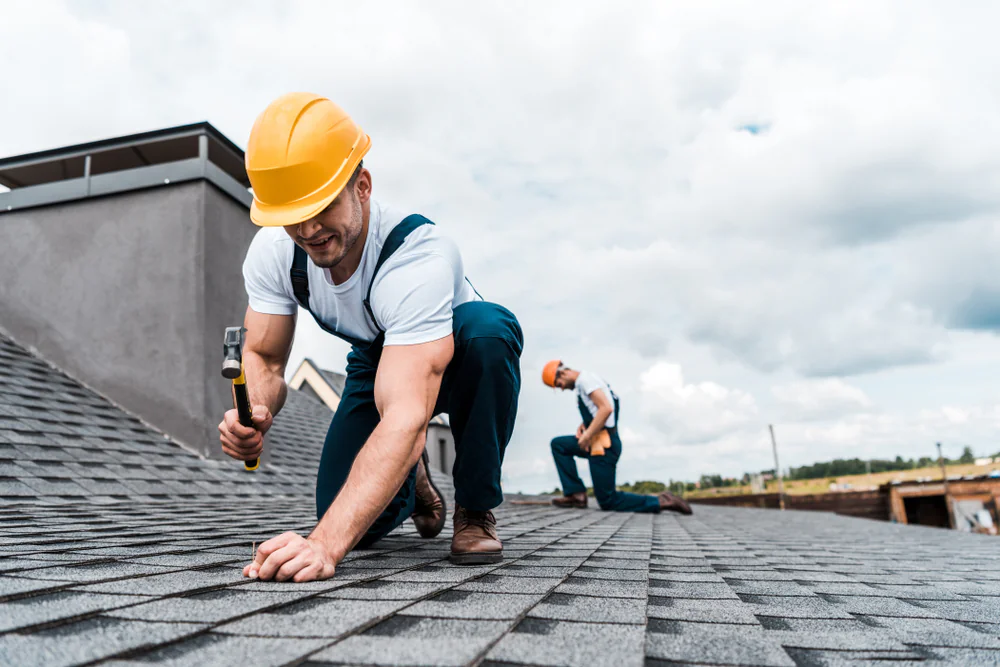
If your roof is under 15 years old and the damage is localized—like a few missing shingles after a storm or a small leak around a vent—a repair usually makes sense. We can replace damaged sections, reseal flashing, and get you back to watertight without tearing off the whole roof.
But if your roof is over 20 years old, or if you’re seeing widespread issues like curling shingles, granule loss, multiple leaks, or sagging areas, a replacement is the smarter move. Patching an aging roof is like putting a band-aid on a bigger problem. You’ll end up paying for repairs over and over, and you’re still left with a roof that’s near the end of its life.
We’ll give you an honest assessment. If a repair buys you a few more years and makes financial sense, we’ll tell you. If you’re throwing money at a roof that needs replacing anyway, we’ll tell you that too. The goal is to help you make the right call for your situation, not to sell you the biggest job.
Ice dams form when heat escapes through your roof and melts the snow sitting on top. That melted water runs down toward the edge, but when it hits the colder overhang, it refreezes. Over time, you get a ridge of ice that blocks water from draining. That trapped water backs up under your shingles and leaks into your home.
The root cause is usually poor attic insulation or ventilation. If your attic is too warm, it heats the roof deck and melts the snow. Proper insulation keeps the heat inside your living space, and proper ventilation keeps the attic cold so snow doesn’t melt unevenly.
When we handle ice dam issues, we don’t just fix the water damage. We assess your attic ventilation, check insulation levels, and make sure your roof has adequate intake and exhaust vents. In some cases, we’ll also install ice and water shield along the eaves during a roof replacement—that’s a waterproof membrane that adds an extra layer of protection in vulnerable areas. Fixing the symptoms without addressing the cause just means you’ll deal with ice dams again next winter.
Most residential roof replacements take about a week from start to finish, though the actual tear-off and installation usually happens over two to four days depending on the size of your home and the weather. We’re not dragging the project out—we’re coordinating permits, material delivery, and making sure the work is done right.
New Hampshire weather can throw a wrench in the schedule. If we’re in the middle of a tear-off and a storm rolls in, we’ll tarp everything and wait it out rather than rush through and compromise the installation. We’d rather take an extra day than leave you with a roof that leaks because we tried to beat the rain.
The best time to replace a roof in New Hampshire is late spring through early fall. Temperatures are moderate, shingles seal properly, and storms are less frequent. That said, we do work year-round when necessary. If you have a leak or storm damage that can’t wait, we’ll get it handled even in colder months—we just have to take extra precautions with materials and installation.
Asphalt shingles are the most common choice in New Hampshire, and for good reason. They handle freeze-thaw cycles well, they’re cost-effective, and quality architectural shingles last 20 to 30 years when installed correctly. We use Owens Corning shingles, which are designed for impact resistance and high winds—both of which you get plenty of in the Seacoast area.
Metal roofing is another solid option, especially if you’re dealing with heavy snow. Snow slides off metal roofs more easily, which reduces the load on your structure and minimizes ice dam risk. Metal roofs also last 40 to 50 years and require less maintenance. The upfront cost is higher, but the longevity and performance can make it worth it depending on your plans for the home.
We don’t recommend cutting corners on underlayment or ventilation to save a few bucks. A roof is a system—the shingles are just the top layer. Proper underlayment protects against water infiltration, and adequate ventilation prevents heat buildup and moisture problems. Cheap materials or shortcuts during installation will cost you more in repairs and early replacement down the road.
Yes. If your roof was damaged by wind, hail, or falling debris, we can work with your insurance company to document the damage and get your claim processed. We’ll provide a detailed assessment, take photos, and give you a written estimate that breaks down what needs to be repaired or replaced.
Insurance companies want to see proof that the damage was caused by a covered event, not normal wear and tear. We know what adjusters look for, and we’ll make sure the documentation supports your claim. In some cases, we’ll meet with the adjuster on-site to walk through the damage together.
Once your claim is approved, we handle the repairs or replacement according to the scope agreed upon with your insurer. You’ll pay your deductible, and the insurance covers the rest. We don’t inflate estimates or play games with pricing—we give you an honest assessment of what’s needed, and we work within the insurance process to get your roof fixed without unnecessary hassle on your end.
You should have your roof inspected at least once a year, ideally in the spring after winter weather has passed. That’s when you’ll catch damage from ice, snow load, and freeze-thaw cycles before it turns into a bigger problem. If you’ve had a major storm—high winds, hail, or heavy snow—it’s worth getting an inspection even if you don’t see obvious damage from the ground.
A lot of roofing problems start small. A few loose shingles, a cracked seal around a vent, or a small amount of granule loss won’t cause an immediate leak, but left unchecked, they’ll let water in eventually. By the time you notice a stain on your ceiling, the damage has usually spread to the decking, insulation, or framing.
We offer roof inspections as a standalone service. We’ll check shingles, flashing, gutters, ventilation, and any areas prone to leaks. If we find something that needs attention, we’ll give you a clear explanation and a fair estimate. If everything looks good, you get peace of mind and a documented record of your roof’s condition—which can be helpful if you ever need to file an insurance claim or sell your home.
Other Services we provide in Greenland