Hear from Our Customers
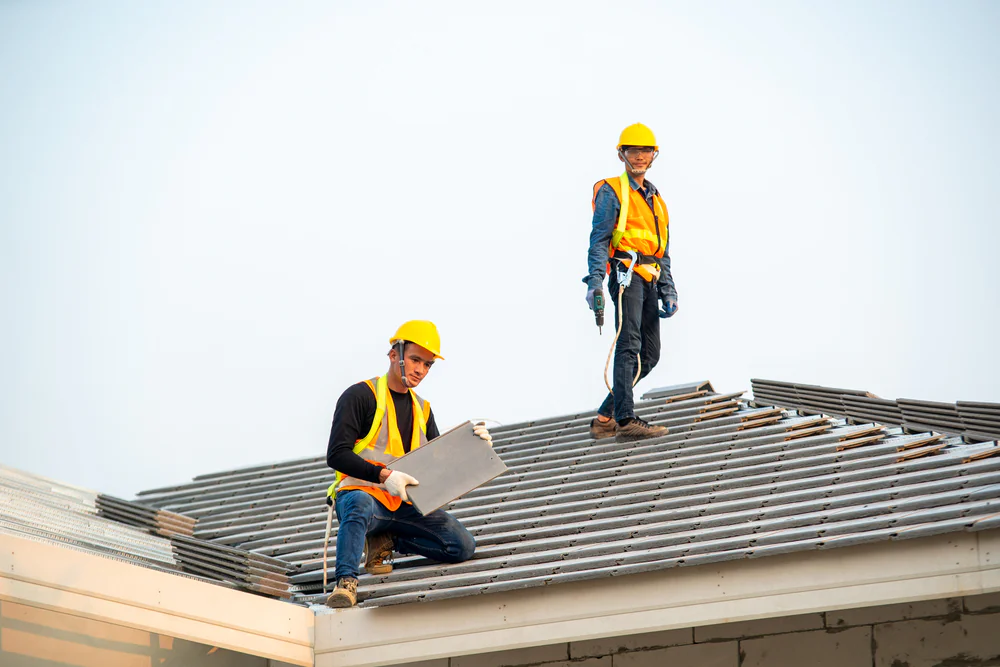
Your roof takes a beating every winter. Six inches of snow sits up there, melts during the day, refreezes at night, and suddenly you’ve got water dripping into your living room. That’s an ice dam, and it’s one of the most common problems we see in East Kingston.
A properly installed roof doesn’t just keep water out. It prevents those ice dams from forming in the first place through proper ventilation and insulation. It handles the wind that rips through here during nor’easters. It sheds snow instead of collecting it.
When your roof works the way it should, you’re not calling for emergency repairs in February. You’re not dealing with ceiling stains or mold. You’re sleeping through storms instead of lying awake wondering if that drip is going to turn into a flood.
We’ve been handling roofing projects in this area since 2012. We’re an Owens Corning Preferred Contractor, which means we meet their standards for quality and customer service. That’s not just a badge—it’s accountability.
We know what New Hampshire weather does to roofs because we’ve been repairing and replacing them through every storm season. We’ve seen what happens when contractors cut corners, and we’ve fixed those mistakes more times than we can count.
East Kingston homes deal with specific challenges. The freeze-thaw cycles here are brutal. The wind patterns coming off the coast put extra stress on certain roof sections. We factor all of that in when we’re doing the work, because a roof that works in Texas won’t necessarily hold up here.
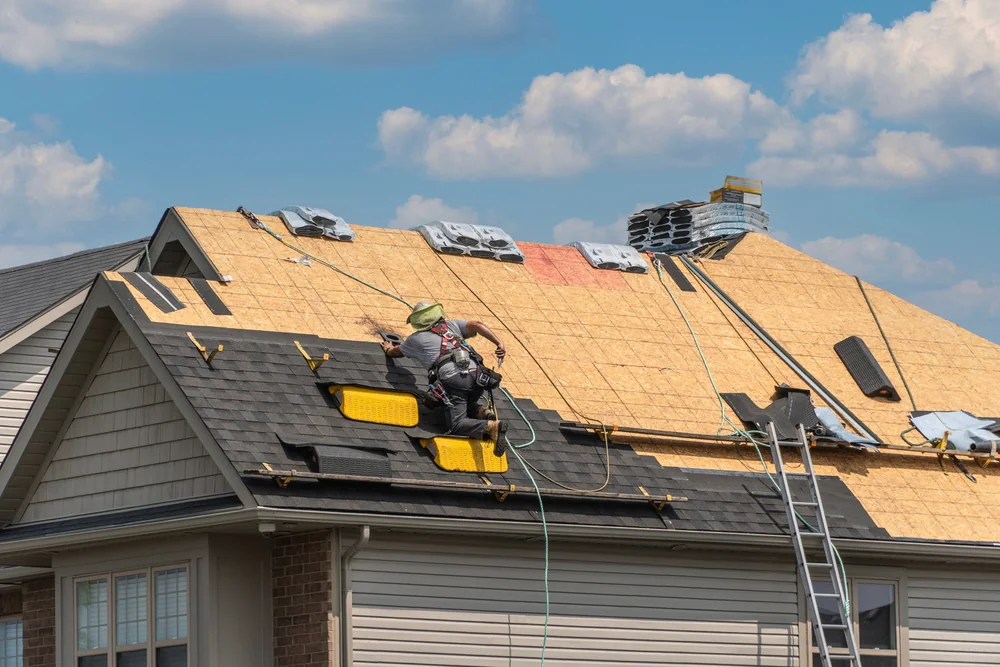
First, we come out and actually look at your roof. Not every roof needs replacement—sometimes you just need repairs. We’ll tell you the truth about what’s going on up there, whether that’s a few damaged shingles or a full tear-off.
If you do need a new roof, we walk you through material options. Asphalt shingles are the most common and cost-effective. Metal roofing lasts longer and handles snow better, but it costs more upfront. We explain what each option means for your specific situation—your budget, your home’s structure, and how long you plan to stay there.
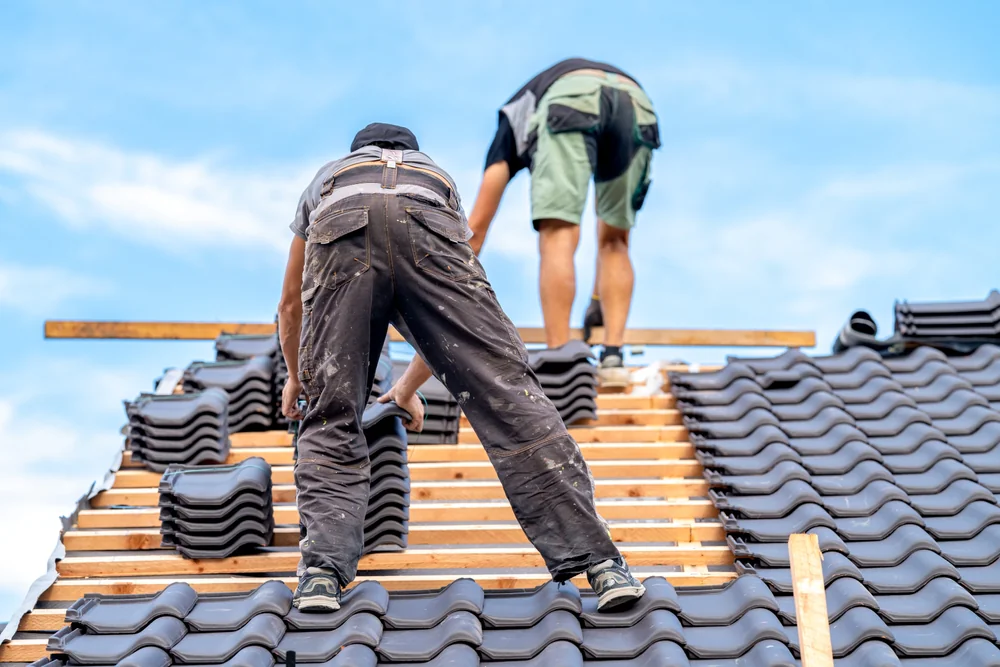
Once you decide to move forward, we handle the permits and schedule the work around your life. Most residential roof replacements take two to four days depending on size and complexity. We protect your property, tear off the old roof, inspect the decking for damage, and install the new system with proper ventilation and ice-and-water shield in the valleys and eaves.
When we’re done, we clean up completely. No nails in your driveway, no debris in your yard. Just a roof that’s going to protect your home for the next 20 to 30 years.
Ready to get started?
A roof replacement isn’t just about slapping new shingles on top of the old ones. That’s actually a terrible idea that leads to problems down the road. We do full tear-offs so we can inspect what’s underneath and make sure the decking is solid.
Every roof we install in East Kingston includes ice-and-water shield in vulnerable areas. That’s critical here because of how ice dams form along the eaves. We also make sure your attic ventilation is adequate—poor ventilation is one of the main reasons ice dams happen in the first place.
We use quality materials from manufacturers like Owens Corning and Mule Hide. These aren’t the cheapest options at the supply house, but they’re the ones that hold up to New Hampshire winters. The shingles are rated for high winds. The underlayment is designed for freeze-thaw cycles. The flashing around your chimney and skylights is installed correctly so water can’t sneak in.
You also get a warranty that actually means something. Manufacturer warranties cover the materials, and our workmanship warranty covers the installation. If something goes wrong because of how we installed it, we fix it.
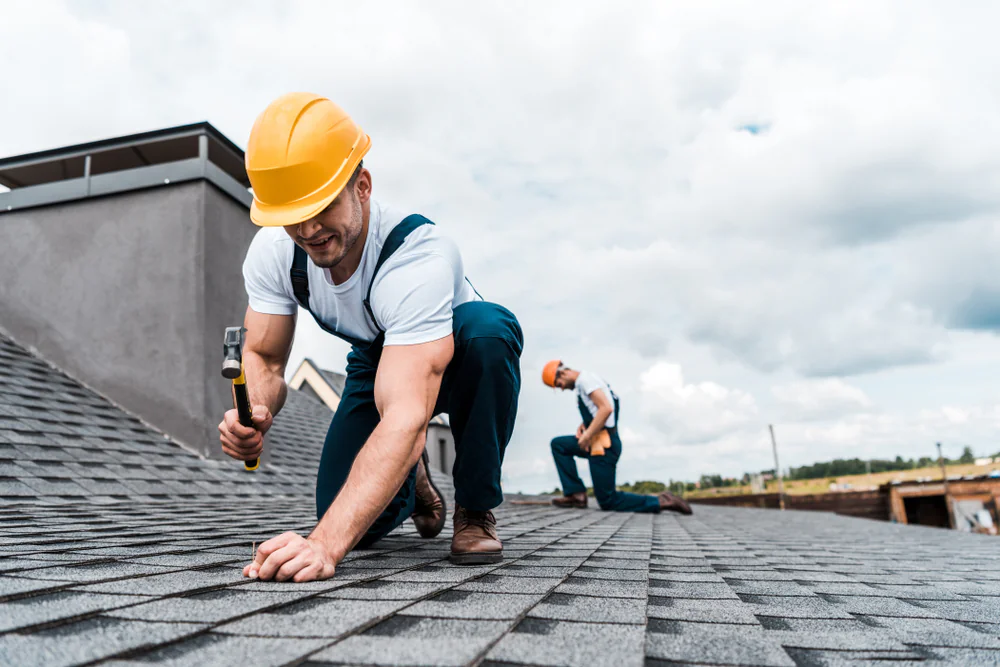
If your roof is under 15 years old and you’re just dealing with a few damaged or missing shingles, repairs usually make sense. Storm damage, a small leak, or localized wear can often be fixed without replacing the entire roof.
But if your roof is over 20 years old, or if you’re seeing multiple issues—curling shingles, granules washing into your gutters, daylight coming through the attic, water stains on your ceilings—replacement is probably the smarter move. Patching an old roof is like putting a band-aid on a bigger problem. You’ll end up spending more on repeated repairs than you would have on a new roof.
We’ll give you an honest assessment when we come out. If repairs will buy you another five years, we’ll tell you that. If your roof is at the end of its life and you’re just delaying the inevitable, we’ll tell you that too.
Ice dams form when heat from your attic melts snow on your roof. That water runs down to the eaves, where it’s colder, and refreezes. Over time, you get a ridge of ice that traps water behind it. That trapped water has nowhere to go but under your shingles and into your house.
The root cause is usually poor attic insulation or ventilation. If your attic is too warm, it’s melting the snow from underneath. The fix involves making sure your attic is properly insulated so heat stays in your living space, and properly ventilated so any heat that does escape can get out without warming the roof deck.
When we install or repair a roof, we check your ventilation and add ice-and-water shield along the eaves. That’s a rubberized membrane that creates a watertight barrier even if water does get under the shingles. It’s not a perfect solution if your insulation is terrible, but it’s a critical layer of protection for homes in East Kingston where ice dams are practically guaranteed without proper prevention.
Most residential roof replacements in this area run between $8,000 and $15,000. That’s a wide range because it depends on the size of your roof, the pitch, the materials you choose, and how complex the job is.
A simple ranch with a straightforward roofline and asphalt shingles will be on the lower end. A two-story colonial with multiple valleys, chimneys, and skylights will cost more because there’s more labor involved and more potential leak points to address. If you go with metal roofing or premium architectural shingles, that adds to the cost but also adds to the lifespan.
We give you a detailed written estimate that breaks down materials and labor. No surprises, no “we found additional issues” markups halfway through the job. The price we quote is the price you pay unless you decide to add something we didn’t originally discuss.
Most residential roofs take two to four days from start to finish. Day one is usually tear-off and inspection. We pull off the old shingles, check the decking for rot or damage, and replace any bad sections. Day two and three are installation—underlayment, ice-and-water shield, shingles, flashing, ridge vents. Day four is detail work and cleanup if needed.
Weather can delay things. We’re not installing a roof in the rain, and we’re not working on ice. If a storm rolls in, we’ll make sure everything is tarped and protected, then pick back up when conditions are safe.
The job might take longer if your roof is particularly large or complicated, or if we find significant decking damage that needs repair. We’ll give you a timeline upfront and keep you updated if anything changes.
Yes. If a storm just ripped shingles off your roof or a tree branch punched a hole through it, call us. We’ll get someone out as quickly as possible to tarp the damage and prevent further water intrusion.
Emergency repairs are about stopping the bleeding first. We secure the area, assess the damage, and then talk through your options. Sometimes it’s a straightforward patch. Sometimes the damage is extensive enough that you’re looking at a larger repair or even replacement, especially if the roof was already near the end of its life.
We can also work with your insurance company if the damage is storm-related. We’ll document everything, provide photos and estimates, and help you navigate the claims process. Most homeowners insurance policies cover sudden storm damage, but not gradual wear and tear, so it’s worth filing a claim if you’ve got legitimate damage from a specific weather event.
Asphalt shingles are the most common choice because they’re cost-effective and they work. Architectural shingles hold up better than three-tab shingles—they’re thicker, more wind-resistant, and they last 25 to 30 years if installed correctly.
Metal roofing is worth considering if you want something that lasts 40 to 50 years and sheds snow instead of holding it. It costs more upfront, but it’s extremely durable and can lower your heating costs because it reflects heat in summer. The downside is the initial investment and the noise during heavy rain, though proper insulation minimizes that.
We don’t recommend cheap materials just to hit a low price point. New Hampshire weather is hard on roofs—freeze-thaw cycles, ice, wind, heavy snow loads. The materials need to be rated for this climate, and the installation needs to be done right. Cutting corners on either one means you’ll be dealing with problems a lot sooner than you should.
Other Services we provide in East Kingston