Hear from Our Customers
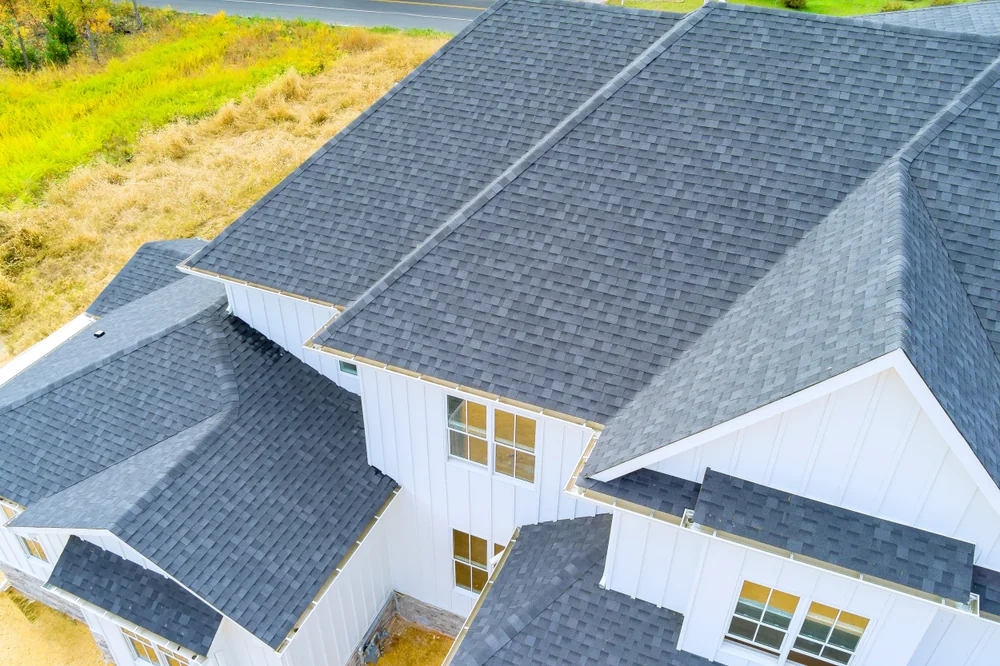
You stop worrying about water damage every time it rains. Your heating bills drop because cold air isn’t sneaking through warped panels. Your home looks like you care about it again.
That’s what proper siding does. It protects the structure underneath from moisture that causes rot and mold. It creates a thermal barrier that keeps your HVAC system from working overtime. And it gives your property the curb appeal that maintains resale value in Woburn’s competitive housing market where the median home value sits around $630,000.
Most homes in Woburn were built around 1970. That means a lot of original siding is past its lifespan. Vinyl siding lasts 20-40 years depending on installation quality and weather exposure. Fiber cement can go 50+ years. But both need proper installation to deliver those numbers. Poor installation cuts that lifespan in half and creates problems you’ll pay for repeatedly.
We’ve served Woburn homeowners and businesses for over a decade. We’re an Owens Corning Preferred Contractor, which means we meet strict standards for installation quality and customer service. Our BuildZoom score puts us in the top 8% of Massachusetts contractors—not because we’re the cheapest, but because we show up, do the work right, and stand behind it.
We know Woburn. We know the weather patterns that beat up siding here. We know the housing stock and what works on older homes versus newer construction. And we know that when you’re spending $18,000 to $30,000 on a siding project, you need it done once, done right, with no surprises.
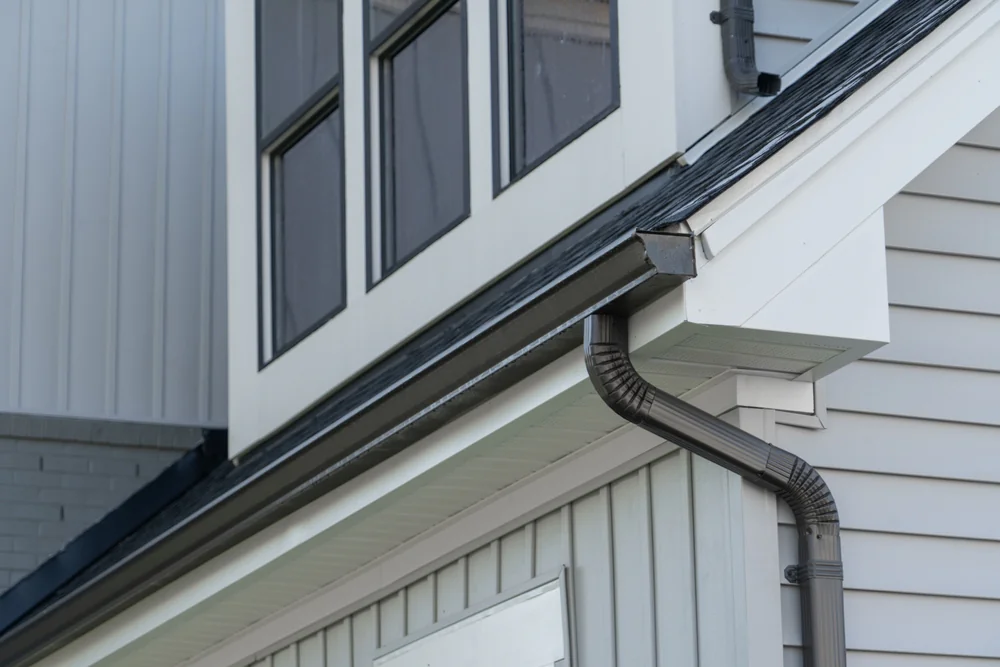
First, we come out for a free estimate. We look at your current siding, check for underlying damage, measure everything, and talk through material options. Vinyl costs less upfront and needs zero maintenance. Fiber cement costs more but lasts longer and handles fire and impact better. We’ll tell you what makes sense for your home and budget.
Once you approve the estimate, we schedule the work. We remove your old siding carefully to avoid damaging the structure underneath. Then we inspect the sheathing and weather barrier. If there’s rot or water damage, we fix it before new siding goes up. Skipping this step is how contractors save time and create problems you’ll discover later.
New siding goes up according to manufacturer specs—proper overlap, correct fastener placement, expansion gaps where needed. We’re not rushing to the next job. We’re making sure water can’t get behind the siding and that everything sits flat and secure. The job typically takes several days to a couple weeks depending on your home’s size and any repairs needed. When we’re done, you get siding that actually protects your home for decades.
Ready to get started?
You get a complete exterior upgrade, not just new panels slapped over old problems. That means removal and disposal of existing siding, inspection and repair of underlying damage, installation of proper weather barriers, and new siding installed to manufacturer standards. We handle trim work, corner posts, J-channels around windows and doors—all the details that separate a quality job from a quick one.
For Woburn homes, we typically recommend insulated vinyl or fiber cement. Insulated vinyl adds an R-value that helps with energy costs during our cold winters when temperatures regularly drop below freezing. Fiber cement handles the freeze-thaw cycles better than standard materials and doesn’t crack or warp when moisture gets in and expands. Both options come in styles that match Woburn’s mix of colonial, ranch, and cape architecture.
We also offer commercial siding services for Woburn businesses. Retail buildings, office complexes, and multi-unit properties need durable, low-maintenance exteriors that hold up under constant weather exposure. We work with property managers and business owners to schedule installations that minimize disruption and deliver long-term performance.

For an average 1,300 square foot home in Woburn, you’re looking at around $18,000 to $30,000 for complete vinyl siding replacement. Fiber cement runs higher, typically $20,000 to $35,000 for the same size home. The range depends on your home’s height, architectural details, current siding condition, and material choice.
Two-story homes cost more than ranches because of scaffolding and labor time. Homes with lots of windows, dormers, or complex rooflines take longer and require more trim work. If we find rot or water damage when we remove old siding, that adds repair costs before new siding goes up.
The investment makes sense when you consider the return. Vinyl siding replacement delivers about 95% ROI in Massachusetts. That means a $23,000 siding job adds roughly $22,000 to your home’s resale value. You also save on energy costs and eliminate ongoing maintenance expenses like repainting every few years.
Fiber cement and insulated vinyl both perform well in New England’s harsh climate. Fiber cement handles freeze-thaw cycles without cracking and resists moisture damage better than most materials. It won’t rot, warp, or attract pests. The downside is higher upfront cost and professional installation requirements.
Insulated vinyl offers excellent value for Woburn homeowners. It withstands wind speeds up to 110 mph, handles temperature swings from sub-zero winters to humid summers, and requires zero maintenance. The insulation backing adds thermal protection that standard vinyl doesn’t provide. You’ll notice the difference in heating costs during January and February.
Both materials outlast wood siding by decades and eliminate the constant painting and staining cycle. Wood looks great initially but needs repainting every 3-7 years in our climate. Moisture gets in through cracks in the paint, leading to rot and structural damage. Vinyl and fiber cement avoid those problems entirely while delivering 30-50+ years of protection.
Check for warping, cracks, or loose panels. If you see multiple problem areas across different sections of your home, replacement makes more sense than patching. One or two damaged panels from a storm or impact can be repaired. Widespread issues indicate the siding has reached end of life.
Look inside your home for water stains on walls or ceilings near exterior walls. That’s moisture getting past your siding. Check your energy bills—if heating and cooling costs have climbed without explanation, failing siding could be letting conditioned air escape. Walk around your home and press gently on siding panels. They should feel solid and secure, not soft or spongy.
Woburn homes built in the 1960s and 1970s often still have original siding. If your home is 40+ years old and you’ve never replaced siding, you’re likely due. Even quality materials break down after decades of sun exposure, temperature changes, and weather impact. We offer free estimates that include a full inspection so you know exactly what you’re dealing with.
Yes, but there are limitations. Vinyl becomes brittle below 40°F and can crack during installation. We can work in cold weather by storing materials in heated spaces and cutting panels indoors, but extremely cold days aren’t ideal. Fiber cement installs better in cold weather than vinyl because it doesn’t have the same brittleness issues.
The bigger concern is moisture and precipitation. We need dry conditions to properly inspect and repair sheathing before new siding goes up. Snow, ice, and freezing rain create delays and quality issues. Most siding projects in Woburn happen between April and November when temperatures stay consistently above 40°F and precipitation is easier to work around.
If you need emergency repairs during winter—say a storm damaged several panels and water is getting in—we can handle temporary fixes to protect your home until conditions allow for proper installation. But for planned replacement projects, spring through fall gives you the best results and fewer weather-related delays.
Yes. We come to your property, measure your home, inspect current siding condition, check for underlying damage, and provide a detailed written estimate at no cost. The estimate breaks down material costs, labor, any necessary repairs, and project timeline so you know exactly what you’re paying for.
During the estimate, we’ll discuss material options and explain the differences between vinyl, insulated vinyl, and fiber cement. We’ll show you color and style samples so you can see how different options look against your home’s architecture. And we’ll answer questions about installation process, warranties, and what to expect during the project.
Free estimates give you the information you need to make a smart decision without pressure or obligation. We’re not pushy salespeople trying to close deals on the spot. We’re contractors who’ve been doing this work in Woburn for over a decade. We give you accurate information, fair pricing, and time to think it over. When you’re ready to move forward, we’re ready to schedule your project.
Insulated vinyl has a foam backing permanently attached to each panel. Standard vinyl is just the outer panel with no backing. The foam adds rigidity, impact resistance, and thermal performance. Insulated vinyl typically has an R-value around 2-4, which helps reduce heat transfer through your walls.
That thermal boost matters in Woburn where winter temperatures regularly hit the teens and single digits. Your heating system doesn’t work as hard to maintain indoor temperature when exterior walls have that extra insulation layer. You’ll see the difference in your energy bills, especially if you’re replacing old, uninsulated siding.
Insulated vinyl also resists denting and damage better than standard vinyl. The foam backing absorbs impact from hail, thrown objects, or accidental bumps. It costs about 20-30% more than standard vinyl but delivers better long-term performance and energy savings. For most Woburn homeowners, the upgrade pays for itself within a few years through reduced heating and cooling costs.