Hear from Our Customers
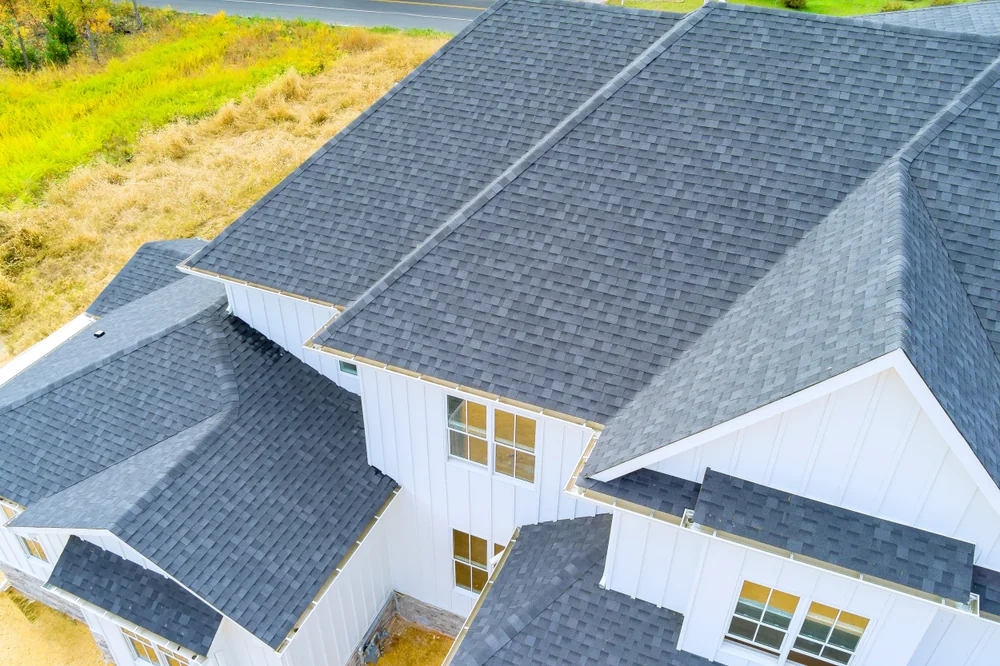
Coastal homes in Rye, NH deal with conditions that make vinyl brittle in half the time it would inland. Salt air doesn’t just sit on your siding—it penetrates, holds moisture, and accelerates rot even when everything looks dry from the street.
You’re not looking for the cheapest option. You want siding that won’t crack during the next hailstorm, won’t warp when temperatures swing from 80°F in summer to 24°F in winter, and won’t need replacing in ten years because the ocean air ate through it.
Fiber cement handles moisture better than anything else available. It doesn’t rot, doesn’t corrode, and lasts 30+ years in salt air. That’s what works here. Wood looks great until it doesn’t. Vinyl saves money upfront but costs more when you’re repairing or replacing it twice as often. Aluminum corrodes. You need materials rated for coastal exposure, installed by people who understand why that matters.
We’ve worked on coastal homes in Rye and surrounding New Hampshire towns for nearly two decades. We’re not new to salt air damage, wind-driven rain, or the building codes that exist because of where you live.
You’ll work with the same crew from estimate to cleanup. No subcontractors who’ve never seen a nor’easter. Our installers know how to seal gaps that would let wind-driven rain through, how to flash around windows so water doesn’t find its way in, and which fasteners won’t corrode in three years.
Rye homeowners deal with unique challenges. Your neighbor inland doesn’t worry about salt spray reaching their siding. You do. We get that, and we plan for it.
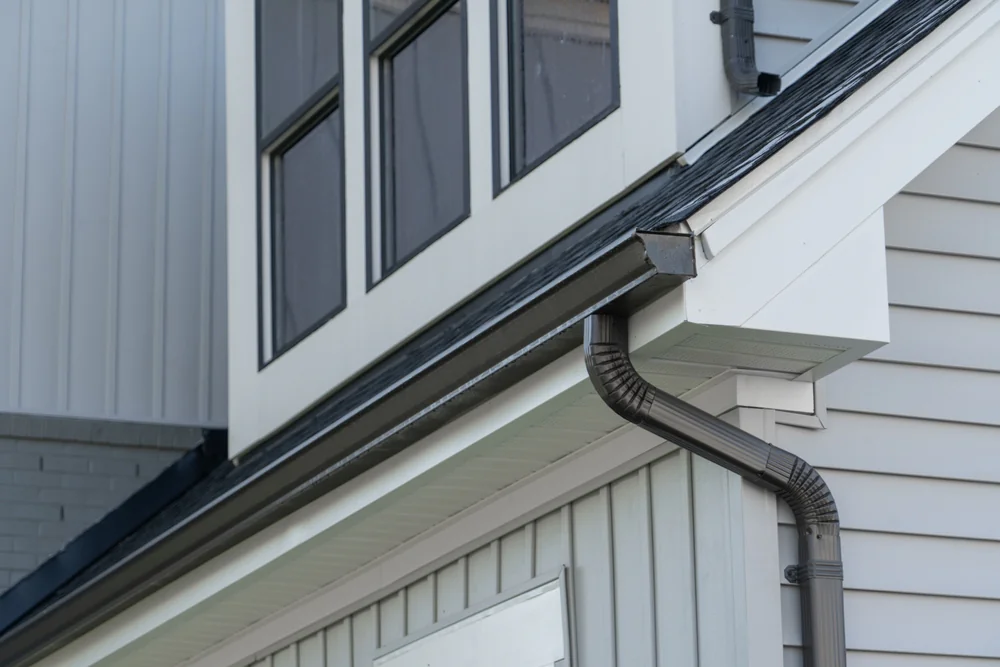
First, we come look at your home. We’re checking for water damage behind the current siding, rot in the sheathing, and whether your house wrap is doing anything useful. Most homes built before 2000 have issues you can’t see from outside.
Once we know what we’re working with, you get a written estimate that breaks down materials, labor, and timeline. No surprises. If we find rot or structural issues during demo, we’ll show you and explain what it costs to fix it right.
Demo and prep usually take a day or two depending on your home’s size. We remove old siding, replace any damaged sheathing or trim, and install proper moisture barriers. Then comes installation—each panel aligned, fastened correctly, and sealed. We’re not rushing. Coastal homes don’t forgive sloppy work.
Cleanup happens daily, and we do a final walkthrough with you before we call it done. You’ll know how to maintain your new siding and what to watch for over time.
Ready to get started?
You’re getting more than new siding. Every project includes removal of old materials, inspection of what’s underneath, and replacement of damaged wood or sheathing. We don’t cover up problems—we fix them.
Material options matter in Rye, NH. Fiber cement is the most durable choice for coastal exposure, but we also install vinyl if you want something lower cost, and wood if you’re restoring a historic home. Each material gets paired with the right moisture barrier, flashing, and fasteners rated for salt air. That’s not optional.
Your estimate covers everything: materials, labor, permits if needed, and cleanup. We handle trim, corners, and any carpentry work required to make everything line up. If your fascia is rotted or your window casings need replacing, that gets addressed during the project—not six months later when water starts coming in.
Rye’s coastal location means wind-driven rain will test every seam and joint. We caulk, flash, and seal like your home is 100 feet from the ocean, because even if it’s not, the salt air reaches it. You’re not paying for the fastest installation. You’re paying for one that lasts.

Fiber cement outlasts everything else in salt air. It doesn’t rot like wood, doesn’t become brittle like vinyl, and doesn’t corrode like aluminum. You’re looking at 30+ years of performance if it’s installed correctly.
Vinyl works inland, but coastal conditions make it brittle faster. Even small hail can crack panels after a few years of salt exposure. Wood looks great and works if you’re committed to maintenance—staining or painting every few years and replacing boards as needed. Most Rye homeowners don’t want that level of upkeep.
Fiber cement costs more upfront, but you’re not replacing it in 15 years. It handles moisture, resists impact damage, and doesn’t expand and contract as much as other materials when temperatures swing. That’s what performs here.
Most residential siding projects in Rye, NH run between $12,000 and $25,000 depending on your home’s size, material choice, and how much rot or damage we find during demo. Vinyl costs less—around $10 per square foot installed. Fiber cement runs higher but lasts longer in coastal conditions.
Coastal homes cost more than inland projects because you need salt-air-rated materials and more careful installation. Wind-driven rain will find gaps that wouldn’t matter two towns over. That means better moisture barriers, corrosion-resistant fasteners, and extra attention to flashing and sealing.
If we find rotted sheathing or structural damage during removal, that adds to the cost. We can’t quote that until we see what’s underneath, but we’ll show you the damage and explain what it takes to fix it before we do the work. No one likes surprises, but covering up rot just means bigger problems later.
Most homes take one to two weeks from demo to final cleanup. Smaller homes might finish faster. Larger homes or projects with extensive rot repair take longer.
Weather affects the timeline. We’re not installing siding in heavy rain or high winds—it compromises the installation and voids material warranties. Rye’s coastal weather can be unpredictable, so we build buffer time into the schedule.
You’ll have access to your home the entire time. We’re working outside, and we clean up daily so you’re not walking through debris. If something delays the project, we’ll tell you why and when we’ll be back. Most of our work happens during normal business hours unless we’re finishing something that can’t wait.
Yes. We come to your home, inspect your current siding, check for underlying damage, and give you a written estimate at no cost. That estimate breaks down materials, labor, timeline, and what’s included.
The inspection matters because we’re looking for things you can’t see from the ground—rot behind the siding, failed moisture barriers, damaged sheathing. Most homes over 20 years old have at least some hidden damage, especially in coastal areas where salt air accelerates deterioration.
You’ll get a clear number for the work, not a range or a “starting at” price. If we find additional damage during demo, we’ll show you and explain the cost to fix it before proceeding. The estimate also includes information about material options, warranties, and maintenance requirements so you can make an informed decision.
Fiber cement needs almost nothing—rinse it once or twice a year to remove salt buildup, and check caulking around windows and trim every few years. That’s it. You might repaint in 15-20 years if you want to change colors, but the material itself doesn’t degrade.
Vinyl requires more attention in Rye, NH. Salt air makes it brittle over time, so you’re inspecting for cracks annually and replacing damaged panels before water gets behind them. Clean it yearly to prevent salt accumulation. Check fasteners and seams after major storms.
Wood demands the most maintenance. You’re staining or painting every 3-5 years, replacing boards as they rot, and staying on top of any moisture issues immediately. It looks great, but it’s work. Coastal exposure accelerates everything, so what might last 7 years inland needs attention in 4 here.
Usually, yes. Most siding manufacturers offer dozens of colors and several profiles—clapboard, shakes, vertical panels, board and batten. If you’re replacing one section and need to match existing siding, we identify the manufacturer and profile, then source the closest match available.
Perfect matches aren’t always possible, especially if your current siding is discontinued or over 15 years old. Colors fade and manufacturers change product lines. In those cases, you might replace an entire wall or section to avoid a visible mismatch, or choose a complementary color that works as an accent.
We bring samples to your home so you can see how colors look in actual light conditions, not under fluorescent bulbs in a showroom. Coastal light is different than inland—grays and blues read differently near the ocean. We’ll show you what’s trending in Rye and surrounding coastal towns, but ultimately you’re choosing what works for your home and your taste.