Hear from Our Customers
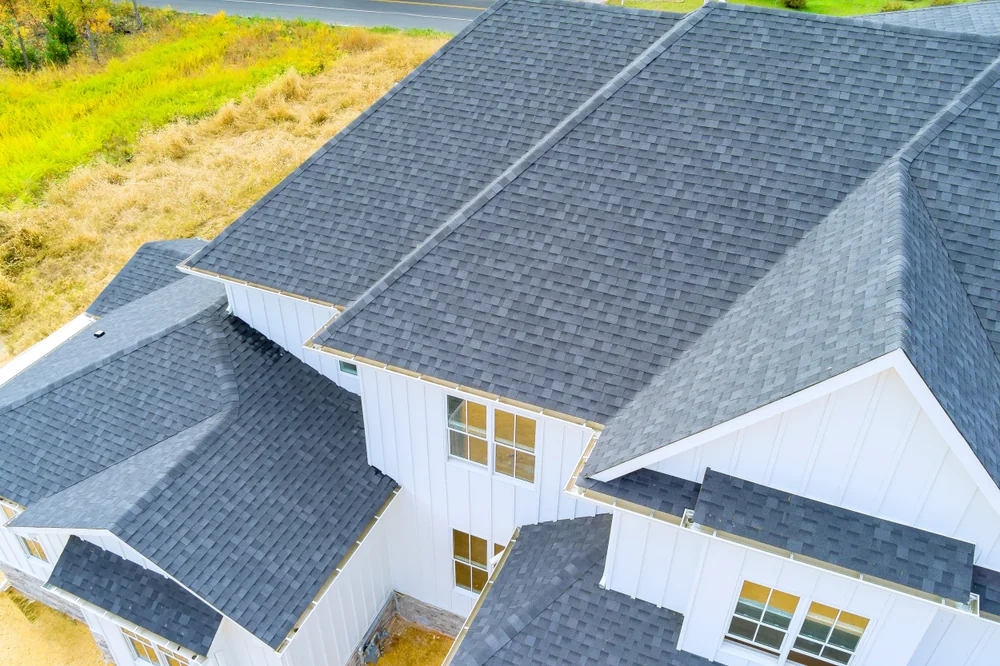
Your energy bills drop because insulated siding keeps warm air inside where it belongs. You stop worrying about water sneaking behind panels every time it rains or snows. Your home looks sharp from the street, and you’re not repainting or patching every few years.
That’s what proper siding does. It protects your investment from Rowley’s freeze-thaw cycles, salt air if you’re near the coast, and the moisture that rots out wood and weakens older materials. You get decades of performance, not just a fresh coat that fails in five years.
The right siding replacement in Rowley, MA means you’re done with constant maintenance. Vinyl and fiber cement options resist mold, don’t need painting, and handle storm damage better than anything installed 20 years ago. You’re looking at an ROI over 100% in this region because buyers know what New England weather demands.
We’ve spent nearly two decades installing siding across the North Shore. We’re licensed, insured, and ranked in the top 8% of Massachusetts contractors for a reason—we don’t cut corners, and we don’t disappear after the job.
Rowley homeowners deal with specific challenges. Older homes near the marshes face moisture issues. Colonial-style properties need materials that match the character without the upkeep. We’ve handled both, plus storm damage repairs after nor’easters rip panels off in the middle of winter.
You’ll get a thorough estimate that breaks down materials, labor, and timeline. No surprises. No upselling you on things you don’t need. Just honest work that protects your home the way it should.
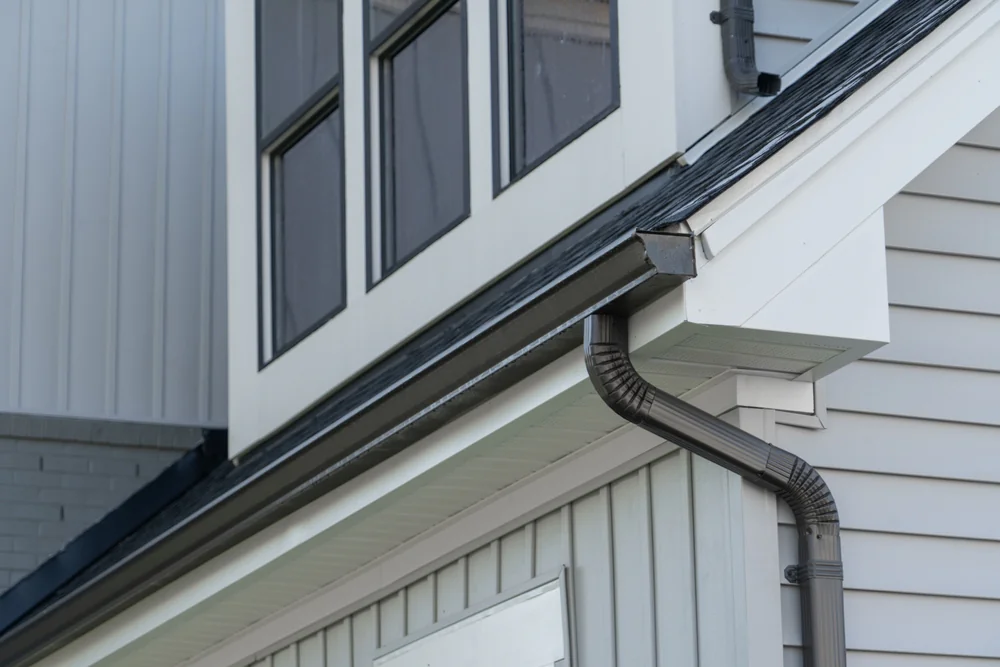
First, we come out for a free estimate. We’ll inspect your current siding, check for underlying damage like rot or water intrusion, and measure everything. You’ll get material options—vinyl, fiber cement, composite—with real costs and realistic timelines.
Once you approve, we order materials and schedule the crew. We remove old siding carefully to avoid damaging your sheathing or insulation. Any repairs to the substrate happen before new panels go up. We install house wrap, flashing, and proper ventilation so moisture doesn’t get trapped.
Then we hang the new siding. Every panel is level, every seam is sealed, and every corner is finished correctly. We clean up daily because we’re working at your home, not a construction site. When we’re done, you get a walkthrough to confirm everything meets your expectations and a warranty that covers the work.
Most residential siding projects in Rowley, MA take one to two weeks depending on size and weather. Commercial siding work runs longer but follows the same process—just scaled up.
Ready to get started?
You’re getting materials rated for New England’s climate. Vinyl siding that won’t crack at -10°F. Fiber cement that handles humidity without swelling. Insulated options that cut your heating costs by 20% or more because they add an R-value your old siding never had.
We handle everything—removal, disposal, repairs, installation, trim work, and cleanup. If your soffit is rotted or your fascia is shot, we fix that too. You’re not calling another contractor to finish what we started.
Rowley homes built before 1980 often have asbestos siding. We’re certified to remove it safely and legally. Newer builds might just need a refresh or storm damage repair. Either way, you’re working with a crew that’s seen it all and knows how to handle your specific situation.
Free siding estimates in Rowley, MA include a material breakdown, color samples, and a timeline. You’ll know what you’re paying for before we touch your house. And if insurance is involved after storm damage, we’ll work with your adjuster to document everything correctly.

Most residential siding projects in Rowley run between $8,000 and $25,000 depending on your home’s size, material choice, and how much prep work is needed. Vinyl is the most affordable and still delivers solid performance—expect $4 to $8 per square foot installed. Fiber cement costs more, usually $8 to $12 per square foot, but it lasts longer and handles moisture better.
If we’re tearing off old asbestos siding, that adds to the cost because disposal requirements are strict. Same goes if your sheathing is damaged and needs replacement before new panels go up. But you’ll know all of this upfront in your estimate.
The ROI in this area is strong. Vinyl siding recoups over 100% in New England, and fiber cement isn’t far behind. You’re not just spending money—you’re adding value and cutting energy costs for as long as you own the home.
Fiber cement and insulated vinyl are your best bets. Fiber cement handles freeze-thaw cycles without cracking, resists moisture and rot, and doesn’t need repainting for decades. It’s heavier and costs more, but it’s nearly indestructible in this climate.
Insulated vinyl is lighter, cheaper, and performs well if installed correctly. It won’t rot, doesn’t attract pests, and modern formulations don’t crack in cold temps like older vinyl did. The insulation layer adds R-value, which matters when you’re heating a home through a Rowley winter.
Wood siding looks great but demands constant maintenance. You’re sealing and painting every few years, and moisture will eventually win. Composite materials split the difference—they look like wood but resist rot better. It depends on your budget and how much upkeep you’re willing to handle.
Most single-family homes in Rowley take one to two weeks. Smaller ranches or capes might be done in a week. Larger colonials or homes with complex trim work can stretch to three weeks, especially if we’re repairing underlying damage.
Weather plays a role. We can’t install in heavy rain or when temps drop below freezing because adhesives and caulks won’t cure properly. If we hit a stretch of bad weather mid-project, we’ll pause and pick back up when conditions improve.
Commercial siding projects run longer—anywhere from two weeks to a couple months depending on building size. We’ll give you a realistic timeline in your estimate and update you if anything changes. Our crews work efficiently, but we’re not rushing through a job that needs to last 30 years.
Depends on the extent of the damage. If a few panels blew off or cracked during a storm, we can often replace just those sections. Vinyl and fiber cement are designed to be repairable—we remove the damaged pieces and install new ones that match your existing siding.
But if the storm exposed underlying issues—rotted sheathing, water intrusion, or widespread panel failure—you might be looking at a bigger project. We’ll inspect everything during the estimate and tell you honestly whether a repair makes sense or if replacement is the smarter move.
Insurance usually covers storm damage if you file quickly. We’ll document everything, take photos, and provide a detailed estimate your adjuster can use. We’ve worked with most of the major carriers and know what they need to process claims efficiently.
Yes. We’ll come out, inspect your home, measure everything, and give you a written estimate at no cost. You’ll see material options, labor costs, timeline, and what’s included. No pressure, no gimmicks—just clear information so you can make a decision.
The estimate includes a breakdown of what we’re removing, what we’re installing, and any repairs needed before new siding goes up. If you want to see color samples or compare vinyl versus fiber cement, we’ll bring those too.
Most homeowners talk to a few contractors before choosing one. That’s smart. Our estimate gives you everything you need to compare apples to apples—same scope, same materials, same quality. If you have questions after we leave, call us. We’re not trying to close you on the spot; we’re trying to give you enough information to choose confidently.
If you’re upgrading from old, uninsulated siding, yes—you’ll see a difference. Insulated vinyl adds an R-value between 2 and 4, which helps your home hold heat in winter and stay cooler in summer. That means your furnace and AC run less, and your energy bills drop.
Fiber cement doesn’t insulate as well on its own, but when installed with proper house wrap and underlayment, it creates a tight envelope that reduces drafts. Older homes in Rowley often have gaps and air leaks around windows and doors—we seal those during installation, which also improves efficiency.
The savings vary depending on your current setup and how well your home is insulated overall. But most homeowners notice a 10-20% reduction in heating costs after a siding upgrade. Over 20 or 30 years, that adds up to thousands of dollars—and it makes your home more comfortable in the meantime.