Hear from Our Customers
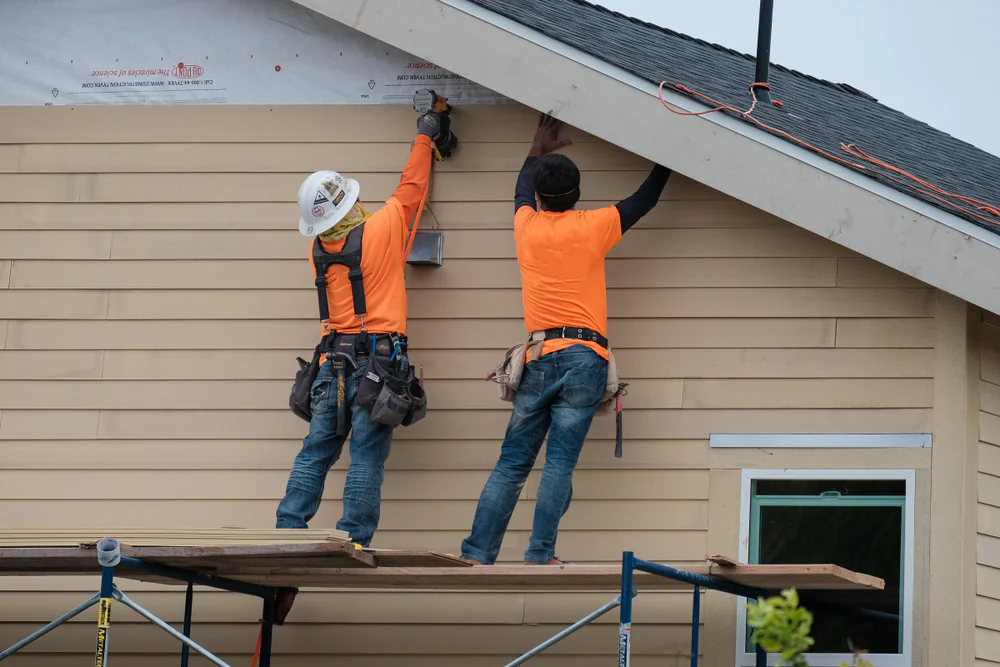
You stop worrying about water getting behind those cracked panels. The repair blends in because we source the right materials and match colors properly, not just slap something close enough on your wall. Your heating bills stay where they should be instead of climbing every winter because gaps let cold air straight through.
Fixing cracked vinyl siding in Wenham means dealing with freeze-thaw cycles that split seams and warp panels season after season. When we repair storm damage or hail damage siding, we’re also checking what’s happening behind it—because the real expense isn’t the panel you can see, it’s the rot or structural damage you can’t.
You get a home that looks maintained, holds its value, and doesn’t broadcast “deferred maintenance” to every neighbor or future buyer. That’s what proper siding repair cost in Wenham should buy you—not just a patch job, but actual protection.
We work throughout Wenham and Essex County, handling the kind of weather damage that comes standard with New England winters. We’re an Owens Corning Preferred Contractor and CertainTeed 5-Star installer, which means we meet requirements most contractors don’t bother with.
Your home in Wenham deals with wet winters, heavy rain, and temperature swings that crack siding and pull seams apart. We’ve seen what happens when repairs get delayed or done wrong—water intrusion, mold behind panels, insulation that’s worthless. Our crews know how to source matching materials even when your siding’s been discontinued, and we handle insurance claims for storm damage without the runaround.
Licensed, insured, and local. We show up when we say we will, finish the work properly, and don’t disappear when you call six months later.
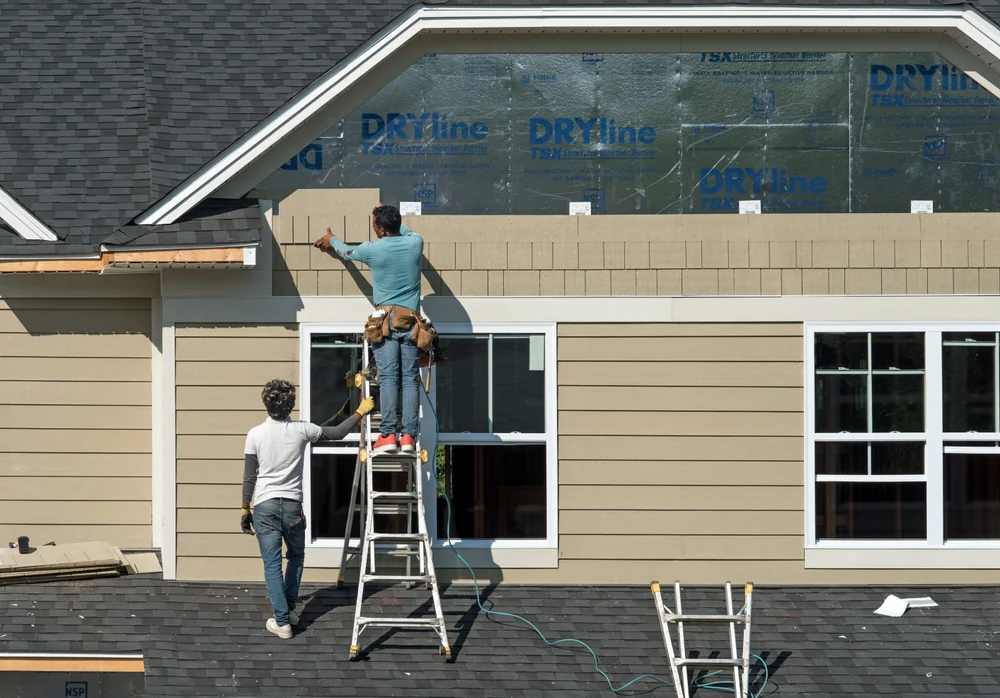
You call or contact us about damaged siding—storm damage, warped panels, cracks, whatever’s going on. We schedule a time that works for you and come out to look at it in person. Not a quote over the phone based on guesses, an actual assessment of what’s damaged and what’s causing it.
We check behind the siding if needed, because fixing the surface without addressing rot or water intrusion just means you’re paying twice. Then we source the right materials—matching old siding colors and profiles so the repair doesn’t stick out like a bad patch job. If your siding’s faded or discontinued, we walk you through options that make sense: repair what we can match, or upgrade sections to something that’ll last longer and look better.
The repair happens fast once materials arrive. We’re talking days, not weeks. Damaged sections come off, any underlying issues get fixed, new siding goes on properly—sealed, flashed, and installed to handle Wenham weather. You get a final walkthrough to make sure everything’s right, and we clean up like we were never there.
Ready to get started?
Every siding repair in Wenham starts with finding materials that match what’s already on your house. That’s harder than it sounds when siding’s been discontinued or faded from years of sun exposure. We work with multiple suppliers and manufacturers to source the right profile, texture, and color—or we help you decide when replacement makes more sense than trying to match something that’s no longer available.
Warped siding repair means pulling the damaged section and checking what caused it. Was it impact? Poor installation the first time? Water getting behind the panel and freezing? We fix the cause, not just the symptom. Same with fixing cracked vinyl siding—if it cracked because of a bad nailing job or missing expansion gaps, replacing the panel without fixing the installation just sets you up for another crack next winter.
Storm damage siding repair in Wenham often involves insurance claims. We document everything, work with adjusters, and provide the estimates and photos you need to get coverage without fighting for it. Hail damage siding gets the same treatment—we know what adjusters look for and how to show impact damage that’s covered versus wear that isn’t.
Most siding repairs in Wenham run between $500 and $2,500 depending on how much material needs replacing and whether there’s damage behind the siding. Small repairs—a few cracked panels, a section of warped siding—usually land on the lower end. Larger storm damage repairs that involve multiple walls or structural fixes behind the siding cost more.
The real cost driver isn’t the siding itself, it’s what we find when we pull the damaged section off. If there’s rot in the sheathing or studs, or if insulation’s soaked and worthless, that has to get fixed before new siding goes on. We give you a clear estimate after we assess the damage in person, and we don’t pad numbers or surprise you halfway through the job.
If insurance is covering storm damage or hail damage siding repair, your out-of-pocket cost might just be your deductible. We work with your insurance company to document everything and make sure the claim reflects the actual scope of damage.
Sometimes yes, sometimes no—it depends on whether your siding’s still manufactured and how much it’s faded. We work with multiple suppliers to source discontinued profiles and colors, and we’re good at finding matches that blend in. But if your siding’s been on the house for 20 years and faded significantly, a perfect match might not exist anymore.
When matching old siding colors isn’t possible, you’ve got options. We can replace an entire wall or section with new siding so the color’s consistent across that area. Or we can upgrade to a more durable material like fiber cement that holds color better and won’t need replacing again in ten years. Some homeowners use a repair as an opportunity to upgrade their whole exterior—especially if the existing siding’s near the end of its lifespan anyway.
We’ll walk you through what’s realistic for your specific situation. If a good match exists, we’ll find it. If it doesn’t, we’ll show you alternatives that make sense instead of forcing a repair that’ll look obviously patched.
If it’s an emergency—like siding’s been ripped off and your home’s exposed to weather—we can get someone out the same day or next day to tarp or temp-cover the area. The actual repair happens as soon as we source the right materials, which is usually within a few days for common siding types.
Storm damage siding repair in Wenham often happens after everyone on the street got hit by the same weather event, so material availability can slow things down if suppliers run low. We keep relationships with multiple sources specifically so we’re not waiting weeks for stock to come back. Most repairs are done within a week of getting materials on site.
The timeline also depends on what’s behind the damaged siding. If we’re just replacing panels, it’s fast. If there’s structural damage or water intrusion that needs addressing, it takes longer—but we’re not going to cover up a problem just to finish faster. You’ll know the realistic timeline after we assess the damage.
Freeze-thaw cycles are the main culprit. Water gets into small cracks or behind panels, freezes, expands, and splits the siding apart. Wenham winters do this repeatedly, and vinyl that’s already brittle from age or sun exposure cracks easier. Warped siding usually means the panels were nailed too tight without room for expansion, or they’re absorbing heat unevenly and buckling.
Hail damage and storm damage siding issues come from impact—branches, debris, or hail hitting hard enough to crack or puncture panels. Wind can get under loose sections and rip siding right off the wall, especially if it wasn’t installed with proper fastening in the first place.
Poor installation causes a lot of problems that show up years later. If the original installer didn’t leave expansion gaps, nailed through the siding instead of in the slots, or didn’t use proper underlayment, you’re going to see warping, cracking, and buckling no matter how good the siding material is. Fixing cracked vinyl siding the right way means correcting those installation mistakes, not just replacing the damaged panel with the same bad method.
Yes. We document storm damage and hail damage siding for insurance claims regularly, and we know what adjusters need to see to approve coverage. That means detailed photos, measurements, and estimates that match how insurance companies assess damage—not inflated numbers or vague descriptions.
We’ll meet with your adjuster if needed, walk them through the damage, and explain what repairs are necessary versus what’s pre-existing wear. Insurance typically covers sudden damage from storms, hail, or falling trees, but not gradual deterioration or maintenance issues. We make sure the claim reflects actual covered damage so you’re not fighting for reimbursement later.
Once the claim’s approved, we handle the repair according to the scope the insurance company agreed to. If we find additional damage during the repair that wasn’t visible during the initial assessment, we document it and work with your adjuster to get a supplement approved. You shouldn’t have to pay out of pocket for damage your policy covers.
If more than 30-40% of your siding’s damaged, replacement usually makes more financial sense than repairing section after section. Same if your siding’s near the end of its expected lifespan—vinyl typically lasts 20-40 years depending on quality and maintenance. Repairing siding that’s going to fail in another five years just delays the inevitable.
Matching old siding colors becomes harder and more expensive as siding ages and fades. If we can’t source a good match and the repair’s going to look obviously patched, replacing a full wall or the whole exterior gives you consistent appearance and better long-term value. Energy efficiency’s another factor—if your current siding has no insulation and you’re losing heat every winter, upgrading to insulated siding during replacement can cut heating costs significantly.
We’ll give you an honest assessment of whether repair or replacement makes more sense for your situation. Sometimes a repair buys you several more years at a fraction of replacement cost. Other times, it’s throwing money at a problem that’s only going to get worse. We’ll show you the numbers either way and let you decide what fits your budget and timeline.